
Reviewed · DMZ TOURS
From Seoul: Private DMZ and Odusan Observatory Full-Day Tour
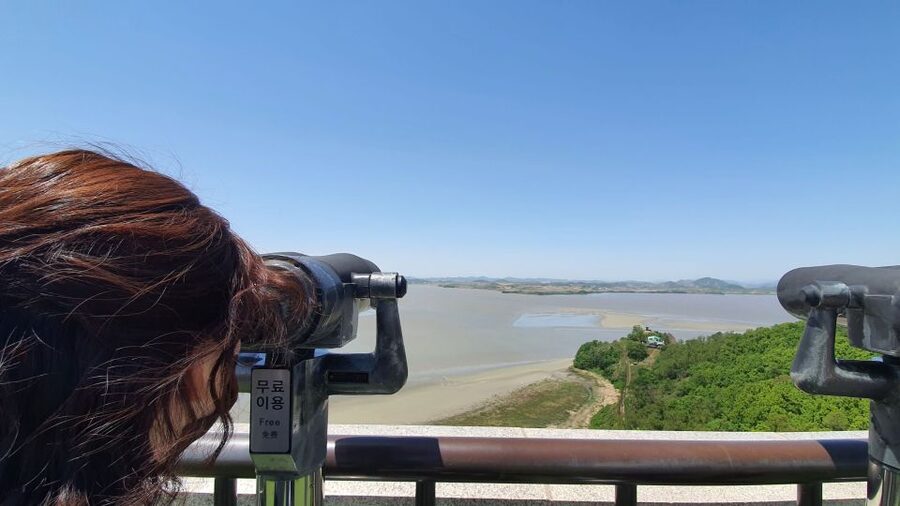
The most striking part of this DMZ day is getting close to the border under military escort, rather than simply looking at it from a standard observation deck. You follow the old infiltration route used by North Korean spy commandos, enter a real South Korean outpost, and later look across a narrow river at a North Korean farming village.
I like the private car and flexible guide, which make a long day from Seoul far easier. I also like the unusual lunch of barbecued duck and North Korean-style side dishes, a welcome change from the usual quick tour meal. The main catch is the price, about $200 per person, and the day includes a fair amount of walking and strict security rules.
Key points at a glance

- Military access: Enter a real South Korean outpost and visit a section of the DMZ with military escorts.
- Spy-commando route: Learn about the attempted infiltration and the fighting involving Korean and US special forces.
- Odusan view: Look roughly 2 kilometers across the river at a North Korean farming village.
- Private transport: Ride from your Seoul accommodation in a private vehicle, with pickup and return included.
- Duck barbecue lunch: Stop for Korean and North Korean specialties, with vegetarian choices available.
- Personal guiding: Guides such as Shrek, Shaun, Jimmy, and Alfonso have led this experience, depending on assignment.
Why this DMZ tour feels different
Many DMZ outings focus on the best-known border sites and a quick photo stop. This experience takes a more personal route. The focus is not only on the famous division line, but also on how soldiers watched it, how infiltrations happened, and how ordinary life continues on both sides.
The private format matters here. You are not tied to a large coach group, so you can ask questions in the car and spend more time discussing what you see. The guide can also adjust the pace when conditions change. One guide returned earlier than planned for a group with a time constraint, while another changed the order of stops during heavy rain.
You should keep your expectations sensible. A DMZ visit is not a theme park attraction, and access can be controlled by military conditions. Photography may be limited in some places, and the exact order of stops can change. Still, the combination of a military outpost, the former infiltration route, Imjingak, and Odusan gives this day more variety than a basic border viewpoint.
More DMZ Tours in Seoul:
- Best DMZ Tour Korea from Seoul (Red Suspension Bridge Optional)
★ 5.0 · 41,422 reviews - DMZ Tour: 3rd Tunnel, Option(Suspension Bridge, Boat) from Seoul
★ 5.0 · 21,373 reviews - DMZ tour south Korea from Seoul (NK experience hall, defector)
★ 5.0 · 20,599 reviews
Leaving Seoul for Gyeonggi Province
Pickup is provided at your accommodation in Seoul, followed by a drive north into Gyeonggi Province. The full day lasts about 10 hours, including transport, visits, lunch, and the return trip.
A private vehicle is one of the strongest practical features. You avoid gathering a busload of people at several hotels, and you have a comfortable base between stops. Previous groups specifically appreciated the clean car, bottled water, and the ease of adjusting the day around weather or personal needs.
The drive also helps your guide set the scene. The DMZ is not an isolated museum display. It is a working border area, and access depends on security arrangements. A good guide can explain the difference between tourist facilities, military zones, and places where the public cannot simply wander.
Guides may speak English, Japanese, or Korean. Several named guides, including Shrek, Shaun, Jimmy, and Alfonso, have led the experience at different times. Shrek was particularly praised for his military background and for explaining events in a balanced way. You cannot request a particular guide based on the information provided, so treat those names as examples rather than a guarantee.
The infiltration route and military outpost
The day’s most unusual stop is the area connected with North Korean spy commandos. You learn about the attempted infiltration and the battle involving combined Korean and US special forces.
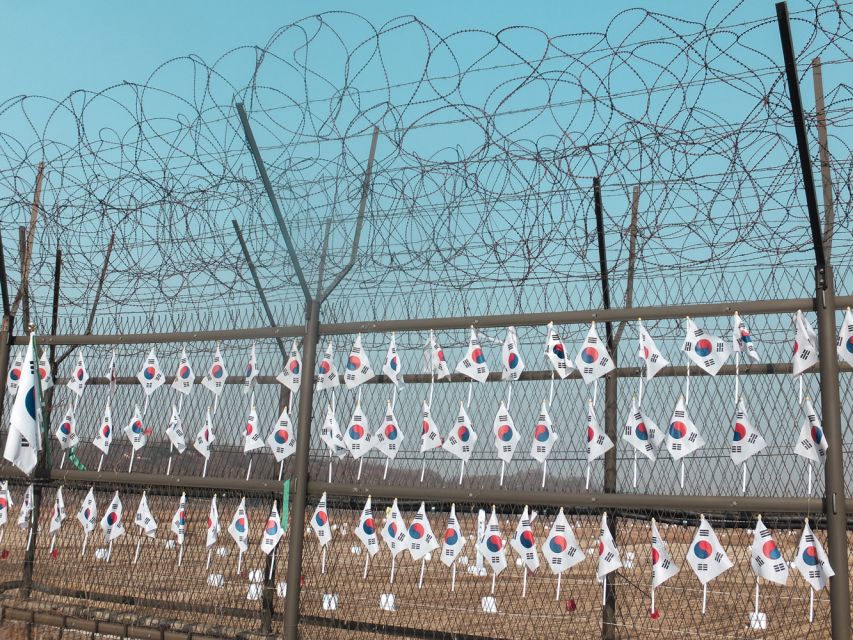
This is more useful than a collection of dates. The guide explains how the site fits into the long-running tension between North and South Korea, then connects that story to the physical ground around you. Barbed wire, patrols, military vehicles, and restricted zones make the subject feel immediate without turning the visit into a staged performance.
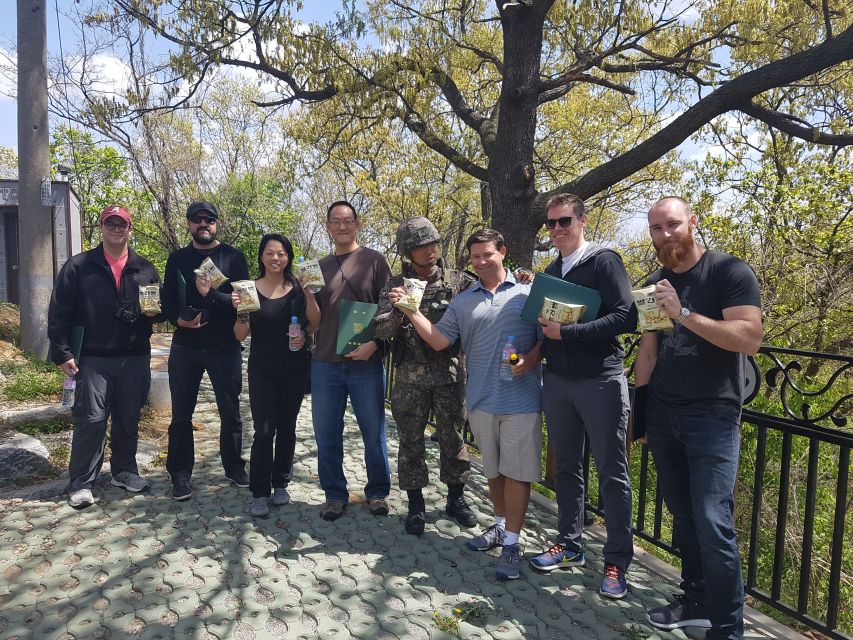
You also enter a real South Korean military outpost. That is the point where the DMZ becomes easier to understand. From a distant museum, the border can seem like an abstract line on a map. Inside an active military position, you get a clearer sense of observation, control, and the narrow limits placed on movement and photography.
Military escorts accompany parts of the visit. That may sound dramatic, but the experience is described as controlled rather than unsafe. You must follow instructions, stay with the group, and accept that some views cannot be photographed. Bring your passport, because a current valid passport is required on the day.
The walking is moderate. Comfortable shoes and practical clothing are important, especially if the ground is wet or the weather turns. This is not suitable for wheelchair users or people with mobility impairments.
Imjingak Peace Park and the visible remains of war
Imjingak Peace Park offers a more public and accessible way to approach the Korean War and the division of the peninsula. You see war artifacts, artillery, and military bunkers, with space to pause and take photographs where permitted.
The park works well early in the day because it gives you context before the more restricted stops. It also shows how South Korea presents memory and separation in a public setting. The mood is part memorial, part lookout, and part reminder that the conflict has never been settled by a peace treaty.
Your guide’s explanation makes the difference here. Rather than simply pointing out a piece of artillery, the guide can explain why it remains on display and how the border became both a military zone and a place of public remembrance.
The park is also a useful contrast with the military outpost. At Imjingak, you are in a visitor-oriented space. Later, you move closer to areas still shaped by military rules. That change helps you understand why the DMZ cannot be treated like an ordinary sightseeing route.
A few more Seoul trips to weigh up
- Full Day Tour In The Soop BTS Ver in PyeongChang Filming Location
★ 5.0 · 1,709 reviews - Seoul City Private Full-Day Tour Including Lunch
★ 5.0 · 469 reviews - Full-day Customizable Private Seoul Highlight Tour
★ 5.0 · 301 reviews - Full-Day Tour in Mt. Seorak & Nami (+Rail Bike Option)
★ 5.0 · 186 reviews
A North Korean village from Odusan
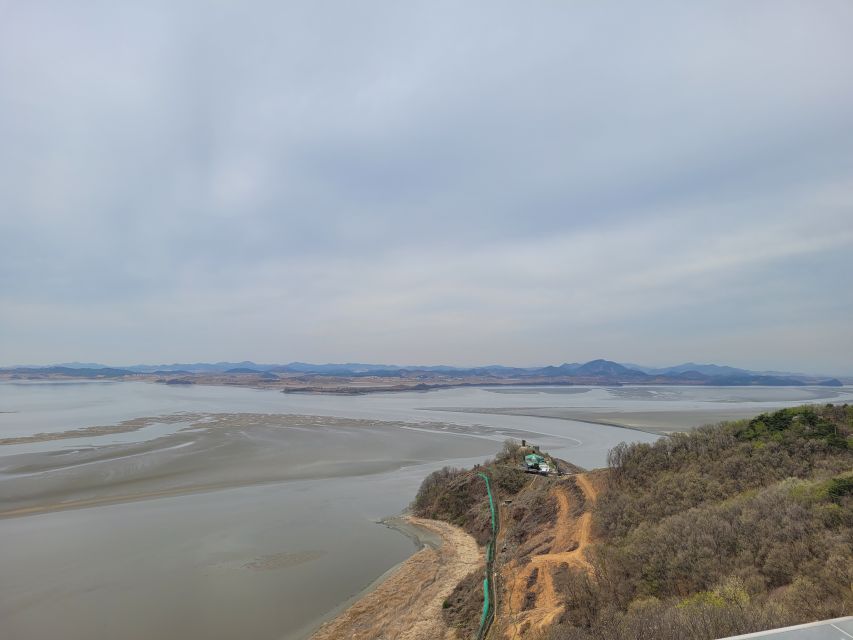
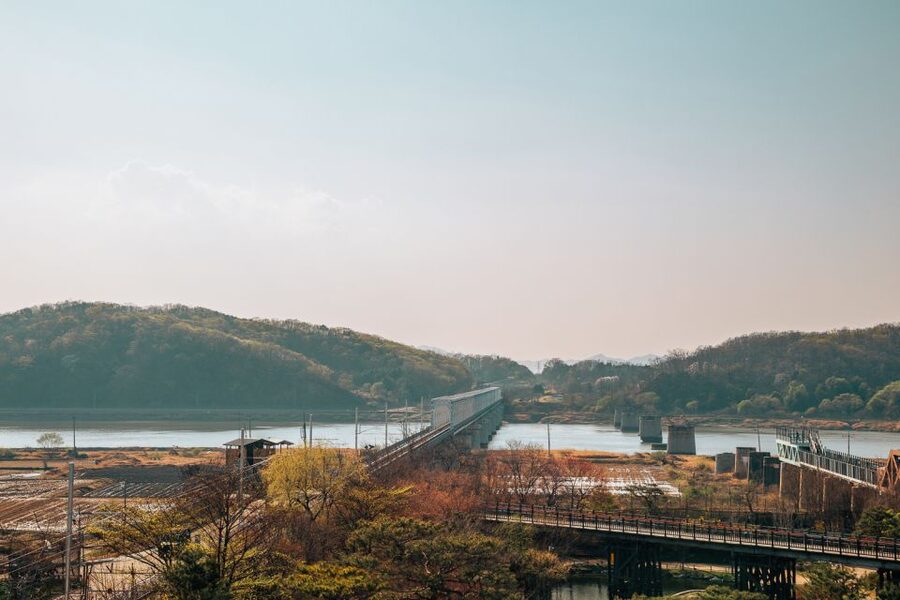
At Odusan Observatory, the focus shifts from military history to the present-day view across the border. The attraction is simple but powerful: you can look about 2 kilometers across the river at a North Korean farming village.
You may see fields, homes, and signs of rural life rather than dramatic border scenes. That is precisely what makes the stop worthwhile. The view reminds you that the DMZ separates communities and families, not just armies and governments.
The observatory provides a more distant perspective than the military outpost. At the outpost, the border feels close and controlled. At Odusan, you study the opposite bank from a designated viewing point, often with binoculars available. The two experiences work together.
Do not expect a guaranteed close-up view or a busy schedule of photo opportunities. Weather affects visibility, and photography restrictions may apply. Even on a rainy day, the stop can remain useful because the guide supplies the historical and political context that the view alone cannot provide.
Lunch with barbecued duck and North Korean specialties

Lunch is one of the day’s welcome pleasures. The included meal features barbecued duck or an equivalent option, along with a broad selection of Korean side dishes. One especially memorable detail is the fermented soybean paste served with the meal.
This is not just a fuel stop. A local restaurant meal gives you a taste of food connected to northern Korean cooking traditions, and it breaks up a day filled with military sites and serious history. The duck barbecue also gives the private group time to talk with the guide in a relaxed setting.
Vegetarian options are available, but mention your needs in advance. One guide arranged a vegetarian meal without difficulty, and the private format makes that sort of request easier than it would be on a large group outing. Additional food and drinks are not included, so bring some spending money if you want anything beyond the provided lunch.
The meal adds value to the $200 cost, though it should not be the main reason you book. The real value lies in private transport, a full day of guiding, entrance fees, and access to places that are more difficult to combine independently.
What the $200 price really buys
At about $200 per person, this is not the cheapest way to see the DMZ. You are paying for a private group, door-to-door Seoul transport, entrance fees, a guide, and lunch. You are also paying for convenience and a route that includes more than a standard observation stop.
The cost makes the most sense for two or more people who want a full explanation of the border without managing complicated transport. A private vehicle is especially useful if you have limited time in Seoul or want to ask detailed questions without competing with a bus group.
The price is harder to justify if you only want a quick photograph of North Korea. In that case, a shorter or larger-group option may suit you better. This tour earns its higher price through access, flexibility, and the amount of interpretation built into the day.
Transport has been a major strength, with 96 percent of ratings giving it a perfect score. That matters because the DMZ is outside central Seoul, and a tiring or disorganized transfer could take much of the pleasure out of the experience.
How the guide shapes the day
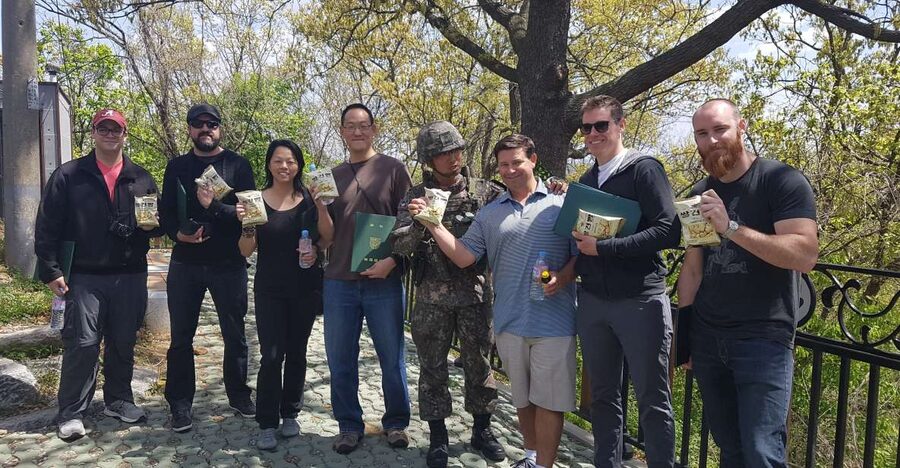
The quality of this experience depends heavily on the guide. The strongest reports describe guides who explain military history clearly, answer difficult questions thoughtfully, and adjust plans to suit the group.
Shrek received particular praise for his personal connection to military service and for his detailed explanations of the Korean peninsula. Other guides, including Shaun and Jimmy, were described as friendly and informative. Alfonso was also remembered for adding interesting Seoul stops to a different outing.
You should still allow for differences in guiding style. Some guides may focus more on military history, while others may spend more time on current North-South relations or local stories. The private setup gives you a chance to guide the conversation. Prepare a few questions before pickup if you want more than a standard overview.
The best approach is to listen for nuance. The border is politically charged, and a thoughtful guide should explain South Korean concerns without reducing every issue to a slogan. The most useful conversations connect past conflict with the ordinary people, farms, villages, and families still affected by division.
Timing, weather, and access
The tour lasts 10 hours, so plan it as your main activity for the day. You return to Seoul afterward, but you should not schedule an important evening booking too tightly unless your guide confirms an earlier finish.
Security conditions can affect the route. The exact order of stops may change, and access to certain places can be restricted. This is normal for a working military border, but it is worth accepting before you book.
Weather also matters. Rain can reduce visibility from Odusan and make walking less comfortable. On the other hand, a private tour can respond better than a large coach group. Guides have adjusted the route in poor weather and continued with informative stops.
Bring your passport, comfortable clothing, and walking shoes. A current valid passport is required. Photography rules may differ from one stop to another, so follow the guide’s instructions rather than risking a problem near a military site.
Free cancellation is available up to 24 hours before the experience for a full refund. Booking confirmation arrives within 48 hours, subject to availability, so do not leave the reservation until the last minute if your schedule is fixed.
Who should book this experience
I would choose this tour if you want the DMZ explained rather than merely photographed. It suits history-minded visitors, people interested in military affairs, and anyone who prefers a private car and a flexible day.
It is also a good fit for families who need a little flexibility. A guide arranged a rear-facing baby seat for one family, while another helped organize a vegetarian meal. Those details are not guaranteed, but the private format makes special requests more realistic.
You should think twice if walking is difficult, if you dislike strict security procedures, or if you want a casual sightseeing day with no uncertainty. The DMZ is a serious place, and access rules can interrupt the schedule.
Should you book the private DMZ and Odusan day?
Book it if you want a close, carefully explained look at the border, especially the military outpost and former spy-commando route. The private transport, lunch, and ability to ask questions give the day a personal feel that larger tours often lack.
Skip it if $200 feels too high for a full-day excursion or if your main goal is simply to see North Korea from a viewpoint. For everyone else, this is a strong choice for understanding the DMZ through real places, military access, and a guide who can connect the history to what you see.
FAQ
How long does the DMZ and Odusan tour last?
The tour lasts 10 hours, including pickup in Seoul, the visits in Gyeonggi Province, lunch, and the return transfer.
Is hotel pickup included?
Yes. Pickup and drop-off at your accommodation in Seoul are included.
Is this a private tour?
Yes. The experience uses a private group and private vehicle.
Which languages are available?
Live guiding is available in English, Japanese, and Korean.
Is lunch included?
Yes. Lunch includes BBQ duck or an equivalent meal. Vegetarian options are available. Additional food and drinks are not included.
Do I need to bring my passport?
Yes. A current valid passport is required on the day of travel.
Is the tour suitable for wheelchair users?
No. The experience involves a moderate amount of walking and is not suitable for people with mobility impairments or wheelchair users.
Just added around Seoul
- Gyeongbokgung palace,seoul with gigibebe hanbok rental★ 4.5 · 12 reviews
- Private tour guide service in Seoul, Korea★ 5.0 · 6 reviews
- Alpaca, Nami, Petite Fr, Italian Village, Garden of Morning Calm★ 3.5 · 5 reviews
- Gyeongju UNESCO Sites Tour by KTX train; The Museum Without walls★ 4.5 · 11 reviews
- Private day trip to Korean Folk Village & Dae Jang Geum Park★ 5.0 · 7 reviews
- Private tour Lotte World,Tower,Aquarium(All Tickets are included)★ 5.0 · 12 reviews
- Private day tour Korea(Seoul trip) with Professional Photographer★ 5.0 · 6 reviews
- Full Day Private Seoul Tour for foodies★ 5.0 · 3 reviews
DMZ Tours, compared.
Best DMZ Tour Korea from Seoul (Red Suspension Bridge Optional)
Read our review →
DMZ Tour: 3rd Tunnel, Option(Suspension Bridge, Boat) from Seoul
Read our review →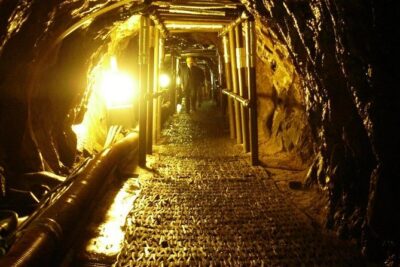
DMZ tour south Korea from Seoul (NK experience hall, defector)
Read our review →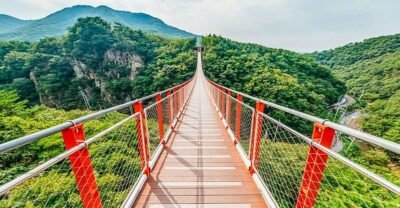
DMZ Insider Tour: 3rd Tunnel, NK Defector Meet & Red Bridge
Read our review →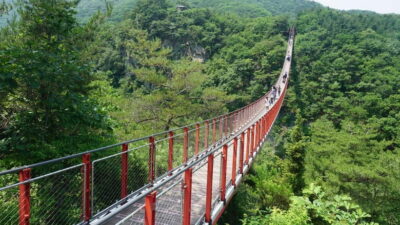
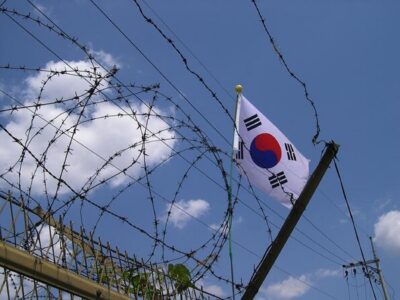
Thrilling Korean DMZ 3rd Tunnel Tour from Seoul + Red Bridge Rush
Read our review →
DMZ Past and Present: Korean Demilitarized Zone Tour from Seoul
Read our review →
Ultimate Korea DMZ Tour from Seoul (Gondola & Suspension Bridge)
Read our review →Browse the lists this tour appears in