
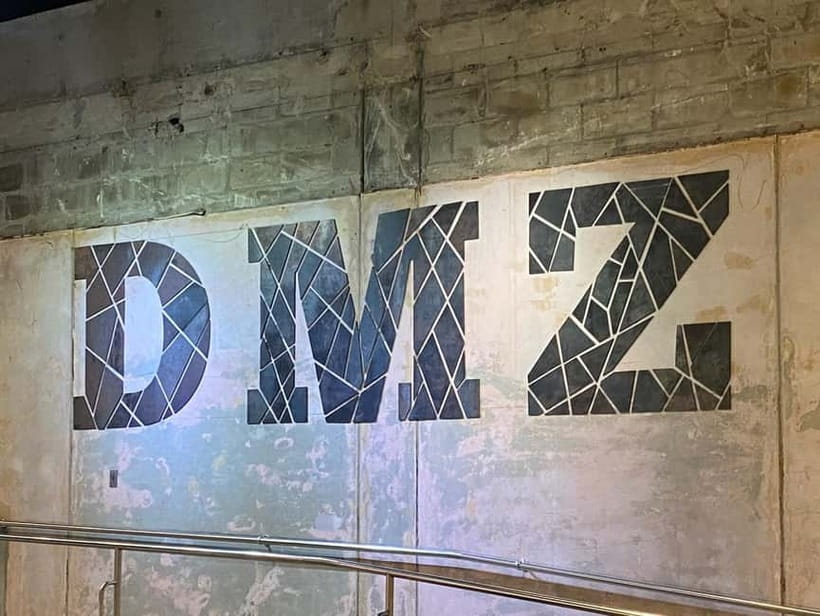
Reviewed · DMZ TOURS
Seoul: DMZ & Live Talk with North Korean Defector
The most unusual part of this DMZ tour from Seoul is not the border scenery. It is the live talk with a North Korean defector, paired with a short film at the North Korea Experience Hall. That meeting gives the day a human focus before you move on to tunnels, guard posts, and views across the border.
I like the way the tour combines major DMZ sights in one day, especially the chance to enter the Third Infiltration Tunnel and look toward North Korea from Dora Observatory. I also like the steady work of the guides. AJ, Katie, Lily, Miel, Erica, and others are praised for keeping the group moving while making a serious subject easier to follow.
The main thing to consider is the schedule. You get about seven hours, but several stops, security procedures, and roughly one hour each way by coach leave limited room for lingering. Lunch is not supplied, so bring food or plan to buy it during free time.
Key points to know before booking
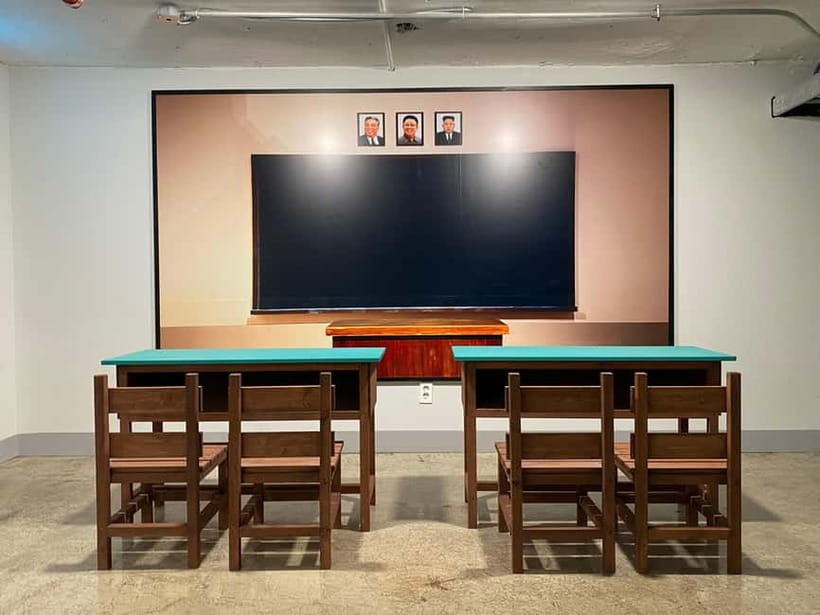
- A defector interview adds a personal voice: The North Korea Experience Hall includes a 10-minute film and a question-and-answer session with a North Korean defector. Confirm the exact option when booking if this is your main reason for going.
- The Third Tunnel is a real underground stop: You enter a tunnel dug by North Korea beneath the border, one of the day’s most striking experiences.
- Dora Observatory gives you a view into North Korea: The guide explains what you are seeing, but photo rules apply in several areas.
- The day begins at one of three Seoul meeting points: Choose from Hotel Skypark Myeongdong 3, Hongik University Station Exit 3, or THE PLAZA Seoul, Autograph Collection, depending on the option booked.
- You must carry identification: Every participant needs a passport. A military ID or Korean ARC is also accepted.
- It is a strong value at $50: Admission, an English-speaking guide, and air-conditioned transport are included, though meals and hotel drop-off are not.
Why the defector meeting changes the day
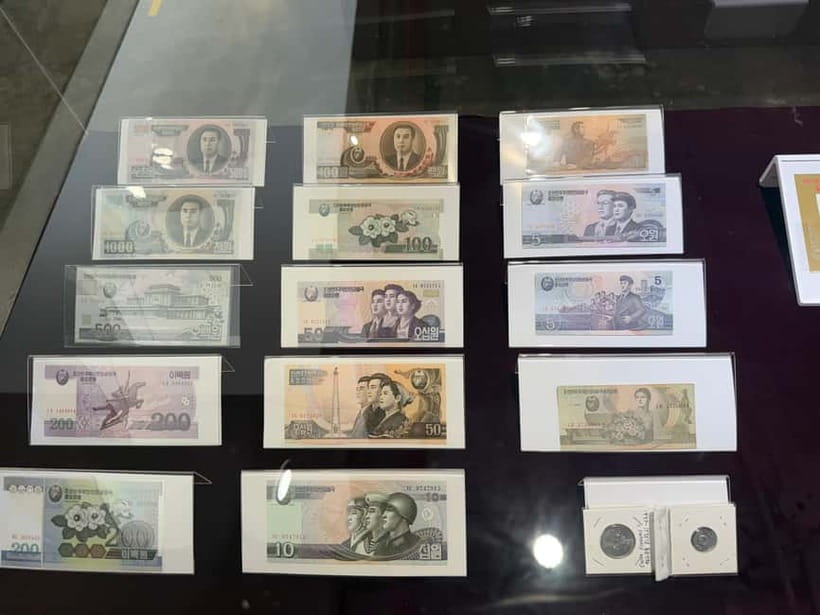
A standard border tour can become a parade of lookout points and military facts. This experience tries to give the DMZ a human center. At the North Korea Experience Hall, you watch a film of about 10 minutes about defectors, then take part in an interview with someone who left North Korea.
That format matters. You are not only looking at a line on a map. You are hearing about the risks and choices behind one of the world’s most closed societies. One especially moving account involved a North Korean woman who escaped first and later brought her children out through a broker in China.
The quality of this part can depend on the questions and the speaker. One participant found the meeting less satisfying because it offered brief answers rather than a broad introduction to daily life in North Korea. I would treat the session as a live question-and-answer conversation, not a polished lecture. If you want the most from it, prepare a few respectful questions in advance.
The booking details suggest that the defector meeting is central to this version of the experience, while some booking options may treat it as an add-on. Check the exact package before paying. That small detail matters, since the talk is the feature that separates this trip from a basic DMZ bus outing.
More DMZ Tours in Seoul:
- Best DMZ Tour Korea from Seoul (Red Suspension Bridge Optional)
★ 5.0 · 41,422 reviews - DMZ Tour: 3rd Tunnel, Option(Suspension Bridge, Boat) from Seoul
★ 5.0 · 21,373 reviews - DMZ tour south Korea from Seoul (NK experience hall, defector)
★ 5.0 · 20,599 reviews
From Seoul to Imjingak Peace Park
The day starts at one of three Seoul meeting points. The listed choices are Hotel Skypark Myeongdong 3, Hongik University Station Exit 3, and THE PLAZA Seoul, Autograph Collection. Your exact meeting place depends on the option you book, so check it carefully rather than assuming hotel pickup is included.
The coach ride to the DMZ area takes about one hour. Air-conditioned transport is included, which is useful for a full day with several stops. Hotel pickup is listed only for the private option, and hotel drop-off is not included. The standard tour finishes at Seoul City Hall.
Imjingak Peace Park is the first major stop. It is a place of remembrance connected with the division of Korea and the families separated by it. You also visit Mangbaedan, a memorial site where separated families have traditionally remembered relatives they cannot visit in North Korea.
This opening helps set the tone. The DMZ is not simply a Cold War curiosity. It is also tied to families, displacement, military tension, and the hope of reunification. Your guide explains the setting before the tour moves toward the restricted border area.
Freedom Bridge and the meaning of the border

Freedom Bridge is one of the most recognizable places on the route. It carries strong symbolic weight because it is linked with the exchange and return of prisoners after the Korean War.
You do not need a long stop here to understand why it matters. The bridge gives a physical shape to the idea of separation. In a few minutes, you move from a public memorial park toward a heavily controlled zone where access, photography, and military conditions affect the visit.
This is also where a good guide earns the price of admission. Guides such as AJ, Katie, Lily, Yoon, Sadie, Erica, and Miel are praised for explaining difficult history in plain English, answering questions, and keeping the group on time. Miel, in particular, is noted for mixing humor with serious historical explanation. That balance helps during a day that can otherwise feel heavy.
Do not expect to photograph everything. Some areas prohibit pictures because of military rules. The restrictions are part of the experience, but they can disappoint if you arrive expecting a free-for-all with your camera.
Entering the Third Infiltration Tunnel
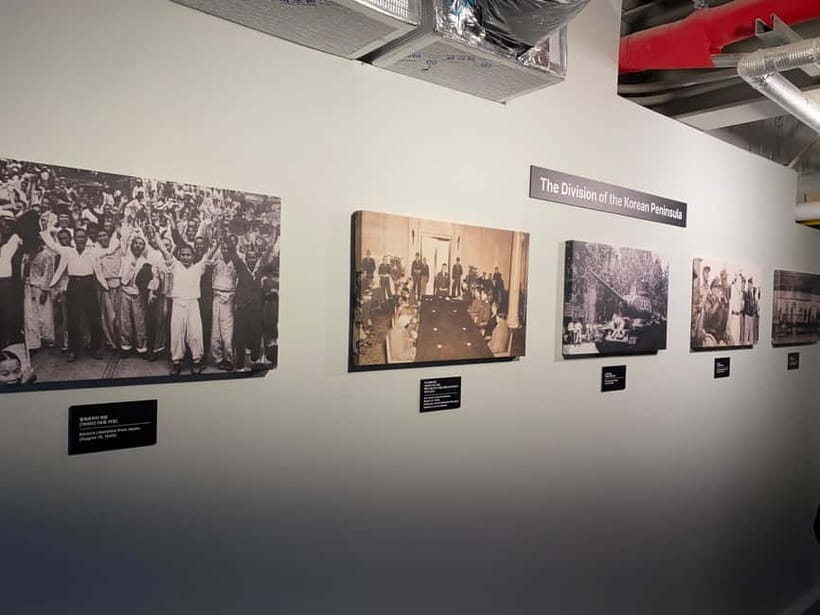
The Third Tunnel of Aggression is the physical centerpiece of the excursion. North Korea dug the tunnel under the border with the apparent aim of moving troops into South Korea. You enter part of this underground route as part of the guided visit.
The tunnel makes the division feel less abstract. At an observatory, you look across a frontier. Underground, you are inside evidence of the military planning beneath it. That contrast gives the day a good rhythm.
The stop lasts about one hour. Your guide provides context and directs the visit, but the tunnel is not a place to rush through while staring at a phone. Pay attention to the scale and setting. The experience is memorable because the route is hidden below the ground, not because it is decorated or staged.
You should also plan your energy sensibly. The supplied information does not give a detailed accessibility description, so anyone with mobility concerns should ask the operator before booking. The itinerary requires entering the tunnel, and conditions underground may not suit every participant.
Same country, a completely different kind of day:
- Seoul: DMZ Tour with Optional Suspension Bridge
★ 4.8 · 5,277 reviews - Signature DMZ Tour: Exclusive Defector Talk & Suspension Bridge
★ 5.0 · 4,459 reviews - Thrilling Korean DMZ 3rd Tunnel Tour from Seoul + Red Bridge Rush
★ 5.0 · 3,097 reviews - DMZ Past and Present: Korean Demilitarized Zone Tour from Seoul
★ 5.0 · 2,481 reviews
Looking across the line at Dora Observatory
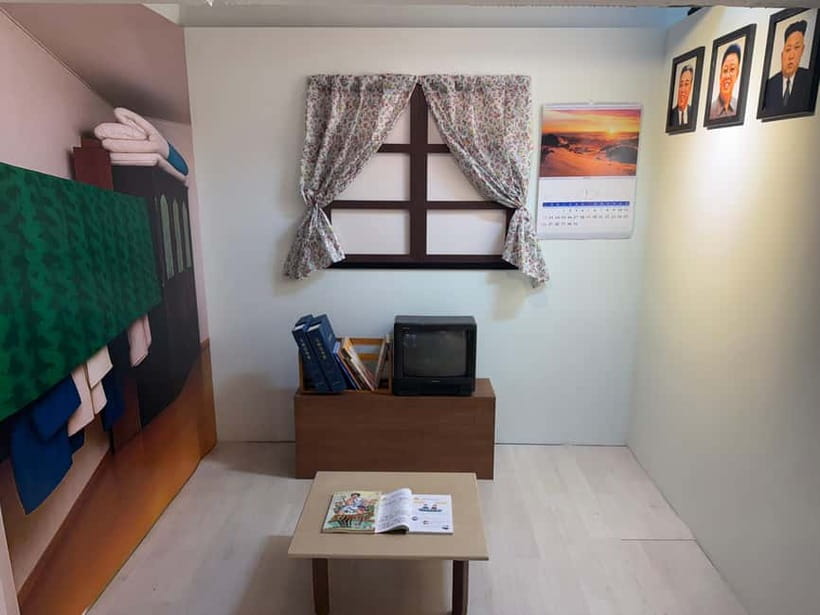
Dora Observatory offers one of the clearest chances to see North Korea from the South. On a clear day, you look across the border toward North Korean territory, with your guide identifying the visible features and explaining the geography.
This is a stop where your expectations matter. You are not guaranteed a sharp, cinematic view. Weather, distance, and viewing conditions can affect what you make out. Still, the point is not simply the photograph. It is the strange experience of standing in South Korea and looking into a country that remains politically and physically separate.
One useful detail from the tour experience is that the guide may need to work around crowds and sight lines. Dora, one of the guides, reportedly repeated the explanation for shorter visitors who could not hear clearly and drew a quick sketch of the terrain. That is the kind of practical attention that can make a busy viewpoint work better.
Photography is restricted in parts of the DMZ. Listen closely before lifting your camera, and do not assume that every viewpoint allows pictures.
Unification Village and the final stop
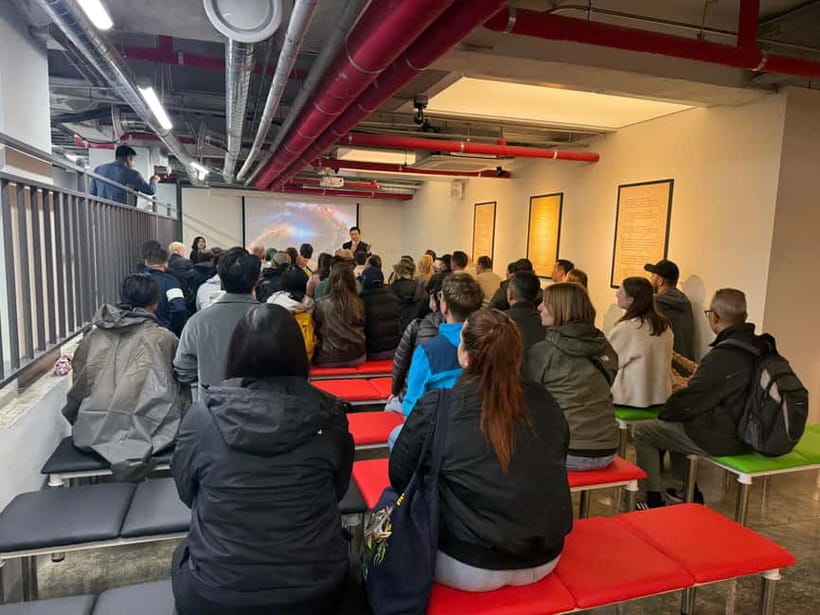
The final listed stop is Unification Village, with about 15 minutes for a guided visit. It is brief, so think of it as a closing glimpse rather than a full village tour.
The stop adds a civilian angle to a day otherwise shaped by memorials, tunnels, and military viewpoints. It also shows how life and agriculture continue near a border that remains tense. Some tours include a market or shopping-style stop, and one participant found that part less worthwhile because it felt aimed at selling to visitors. Keep your expectations modest here.
The tour then returns to Seoul by coach, taking about one hour, and finishes at Seoul City Hall. The full outing lasts about seven hours. That makes it a substantial half-day and early-afternoon commitment, not a quick side trip.
What $50 includes, and what it does not
At $50 per person, the tour offers solid value if you want the major DMZ sights handled in one organized day. Admission fees, transport, and an English-speaking guide are included. You also avoid trying to coordinate a restricted military-area visit on your own.
The price does not include food, drinks, travel insurance, or hotel drop-off. Bring a packed meal or plan to buy something at one of the available stops. There are cafes and shops, but you need to eat during your free time rather than expecting a scheduled lunch break.
The value is strongest for first-time visitors to Seoul who want history explained as they go. You pay for access, transport, admissions, and interpretation, not for luxury. The coach ride and fixed route mean less freedom than a private excursion, but they also remove much of the planning burden.
A suspension bridge may be available as an optional extra, but only on the earlier tour time. It adds about 90 minutes, according to one detailed account, and does not focus directly on the DMZ. I would skip it if your priority is the tunnel, observatory, and defector talk.
Guides make the serious subject easier to follow
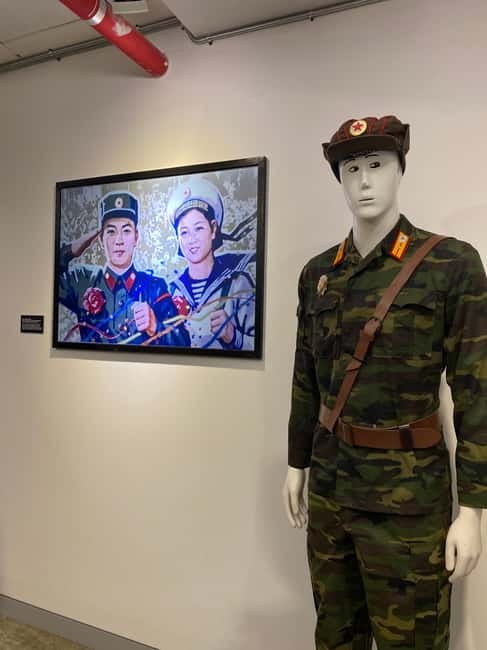
The strongest pattern in the guide feedback is not one particular person. It is the consistency of the guiding. AJ is praised for making Korean history engaging. Katie is described as energetic, friendly, and well prepared. Lily is noted for clear explanations and efficient timing. Yoon, Sadie, Erica, Miel, Grace, Chloe, and others also receive strong praise.
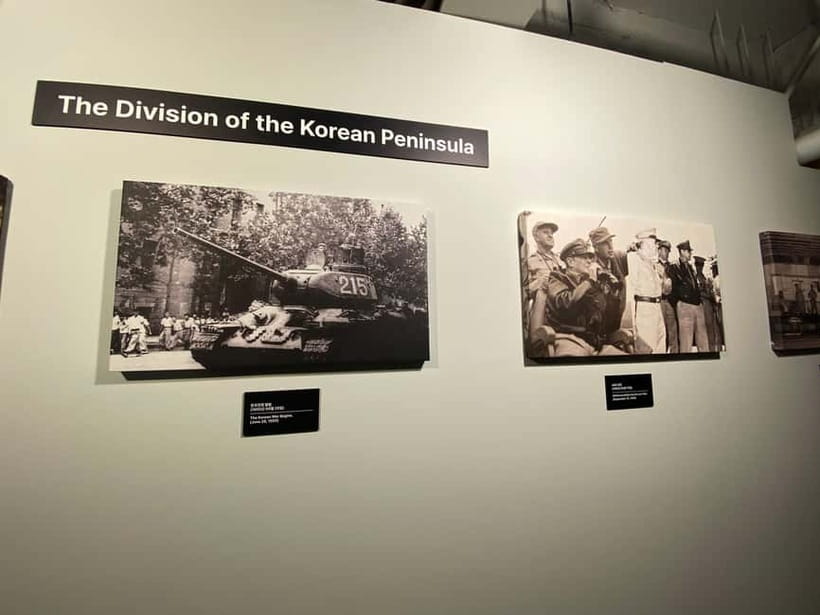
That matters because the DMZ can be confusing. You are dealing with the Korean War, the division of the peninsula, military rules, North Korean escape routes, and current border geography in a single day. A guide who can explain the facts without turning the tour into a lecture makes a real difference.
The best guides also handle practical problems. They repeat information when people cannot hear, answer questions beyond the basic route, and make sure the group reaches each stop on time. You should still stay aware of the clock, since free time at each location is limited.
Who should book this DMZ experience?
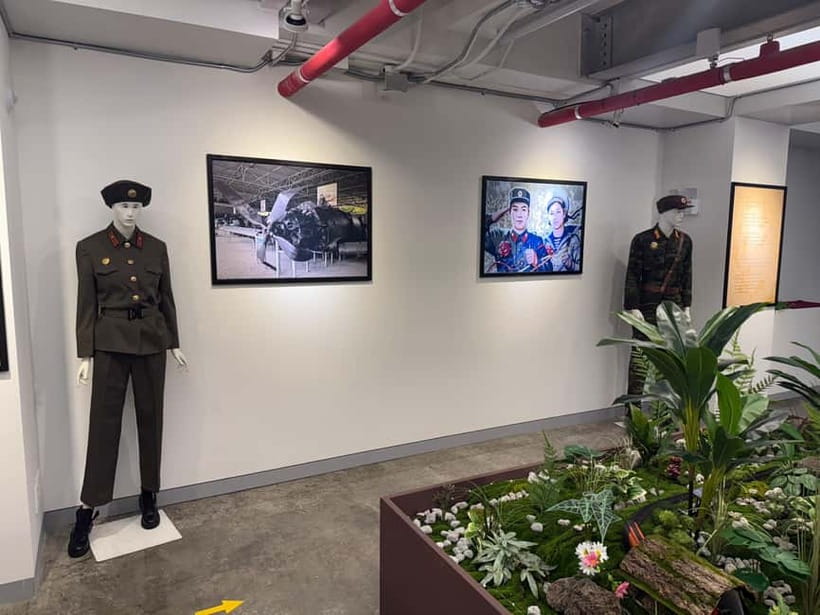
I would recommend it to you if this is your first visit to the DMZ, especially if you want both the main sights and a direct conversation with a North Korean defector. It suits people who prefer context over wandering and who value an English-speaking guide.
It also works well for families with older children and for visitors with only one open day in Seoul. The route covers memorial sites, a tunnel, an observatory, a village, and the defector session without requiring you to arrange separate admissions or transport.
You may want a different format if you dislike fixed schedules, shopping-oriented stops, or military restrictions. It is also less suitable if you want a long, quiet visit at each location. The seven-hour plan is efficient, but efficiency means the group moves on.
Before you go, pack food, wear practical clothing, and bring your passport or accepted identification. Keep your camera ready, but follow instructions about where photographs are allowed. Most importantly, approach the defector session with thoughtful questions and respect. It is a rare chance to hear a personal account, but it is not a stage show.
Should you book it?
Book this tour if you want a well-organized introduction to the DMZ with the added weight of a defector conversation. The Third Tunnel and Dora Observatory provide the visual and physical drama, while Imjingak, Mangbaedan, Freedom Bridge, and Unification Village give the day a wider human frame.
At $50, the combination of transport, admission, guiding, and a seven-hour route is good value. Just confirm that your chosen option includes the defector meeting, bring your own lunch, and accept that weather, military rules, or unexpected security issues can alter the route. If the tour is cancelled for military or other unexpected reasons, an alternative DMZ-related course is provided rather than a refund.
FAQ
How long does the DMZ tour last?
The experience lasts about seven hours, including the coach journeys between Seoul and the DMZ area.
Where does the tour start?
Starting points may include Hotel Skypark Myeongdong 3, Hongik University Station Exit 3, and THE PLAZA Seoul, Autograph Collection. The exact meeting point depends on the option booked.
Where does the tour finish?
The tour finishes at Seoul City Hall. Hotel drop-off is not included.
Is transportation included?
Yes. Air-conditioned bus or coach transportation is included.
Is an English-speaking guide provided?
Yes. The tour includes a live English-speaking guide.
Do I need to bring my passport?
Yes. Every participant must bring a passport. A military ID or Korean ARC is also accepted.
Is lunch included?
No. Food and drinks are not included. You need to bring food or buy it at one of the stops.
Can I enter the Third Infiltration Tunnel?
Yes. Entering the Third Tunnel of Aggression is included in the planned route.
Can I see North Korea?
Yes. The tour visits Dora Observatory, where you can look toward North Korea. Photography is restricted in some areas.
Is the suspension bridge included?
The suspension bridge is an optional addition, not part of the standard route. It is available only with the earlier tour time and may add about 90 minutes.
Just added around Seoul
- Alpaca, Nami, Petite Fr, Italian Village, Garden of Morning Calm★ 3.5 · 5 reviews
- Gyeongbokgung palace,seoul with gigibebe hanbok rental★ 4.5 · 12 reviews
- Private tour guide service in Seoul, Korea★ 5.0 · 6 reviews
- Gyeongju UNESCO Sites Tour by KTX train; The Museum Without walls★ 4.5 · 11 reviews
- Private day trip to Korean Folk Village & Dae Jang Geum Park★ 5.0 · 7 reviews
- Private tour Lotte World,Tower,Aquarium(All Tickets are included)★ 5.0 · 12 reviews
- Full Day Private Seoul Tour for foodies★ 5.0 · 3 reviews
- Seoul Private Custom Walking Tour with A Guide (Private Tour)★ 4.5 · 28 reviews
DMZ Tours, compared.
Best DMZ Tour Korea from Seoul (Red Suspension Bridge Optional)
Read our review →
DMZ Tour: 3rd Tunnel, Option(Suspension Bridge, Boat) from Seoul
Read our review →
DMZ tour south Korea from Seoul (NK experience hall, defector)
Read our review →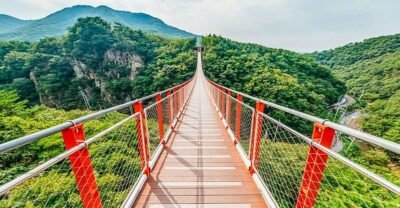
DMZ Insider Tour: 3rd Tunnel, NK Defector Meet & Red Bridge
Read our review →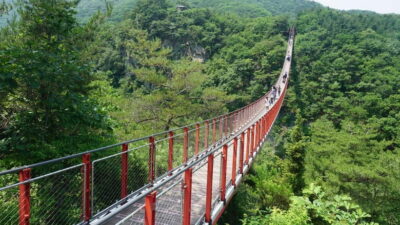

Thrilling Korean DMZ 3rd Tunnel Tour from Seoul + Red Bridge Rush
Read our review →
DMZ Past and Present: Korean Demilitarized Zone Tour from Seoul
Read our review →
Ultimate Korea DMZ Tour from Seoul (Gondola & Suspension Bridge)
Read our review →Browse the lists this tour appears in