
Reviewed · DMZ TOURS
Seoul: DMZ 2nd Tunnel and Suspension Bridge Tour
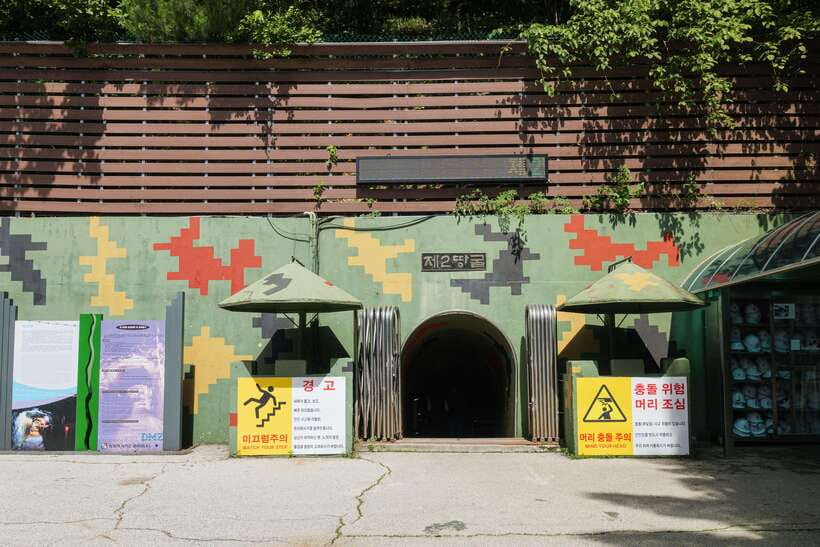
The most striking part of this day is the chance to look into North Korea from Cheorwon, then walk through the 2nd Tunnel, a military passage dug beneath the border. This is not just a sightseeing ride. It gives you a physical sense of how close the division remains.
I especially like two things here: the mix of war history and Hantan River nature, and the small-group transport, which lets guides such as Leo, Sophie, Winnie, and Henry give personal attention. The main drawback is the long 10-hour day, with lunch left for you to arrange and some walking that can be tiring.
Key points to know before booking
- The 2nd Tunnel is the day’s most memorable stop: Expect a descent into a former North Korean infiltration route and a careful visit inside the site.
- Cheorwon feels quieter than Seoul’s better-known DMZ stops: The area around Tunnel 2 is less crowded than Tunnel 3, according to one detailed account.
- You can see North Korean territory and military posts: The Peace Observatory offers views through telescopes, and music may sometimes carry across the border.
- The itinerary adds real variety: Former military sites are paired with Hantan River Geopark, Sky Bridge, and Bidulginang Falls.
- Winter brings a special wildlife possibility: Cranes may appear at the Migratory Bird Sanctuary, where they are protected natural monuments of Korea.
- Lunch is not included: You get free time near the tunnel area, but you must choose and pay for your own meal.
Why Cheorwon makes a different DMZ day
Many Seoul excursions to the Demilitarized Zone focus on the standard sights near Paju. This tour takes you farther east, to Cheorwon in Gangwon Province, where the border story is tied closely to farming country, volcanic rock, wetlands, and old military scars.
That change of setting matters. You are not moving from one military exhibit to another. Instead, the day links the Korean War, the continuing division of the peninsula, and the natural features of the Hantan River area.
The tour costs $87 per person and lasts about 10 hours. That is a fair price if you want transportation from central Seoul, a guide, admission fees, and several separate stops without arranging buses and local transfers yourself. It is less attractive if you only want a quick border viewpoint or prefer to set your own pace.
The experience begins outside Exit 10 of Myeong-dong subway station. Hotel pickup is not included, so allow enough time to reach the meeting point. At the end of the day, the vehicle returns you to Myeongdong Station.
More DMZ Tours in Seoul:
- Best DMZ Tour Korea from Seoul (Red Suspension Bridge Optional)
★ 5.0 · 41,422 reviews - DMZ Tour: 3rd Tunnel, Option(Suspension Bridge, Boat) from Seoul
★ 5.0 · 21,373 reviews - DMZ tour south Korea from Seoul (NK experience hall, defector)
★ 5.0 · 20,599 reviews
The 2nd Tunnel, where the border becomes physical
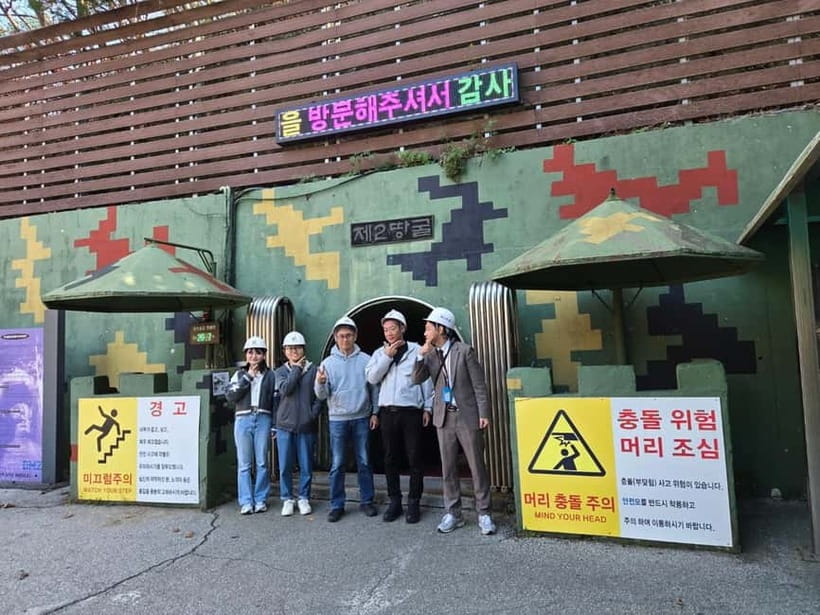
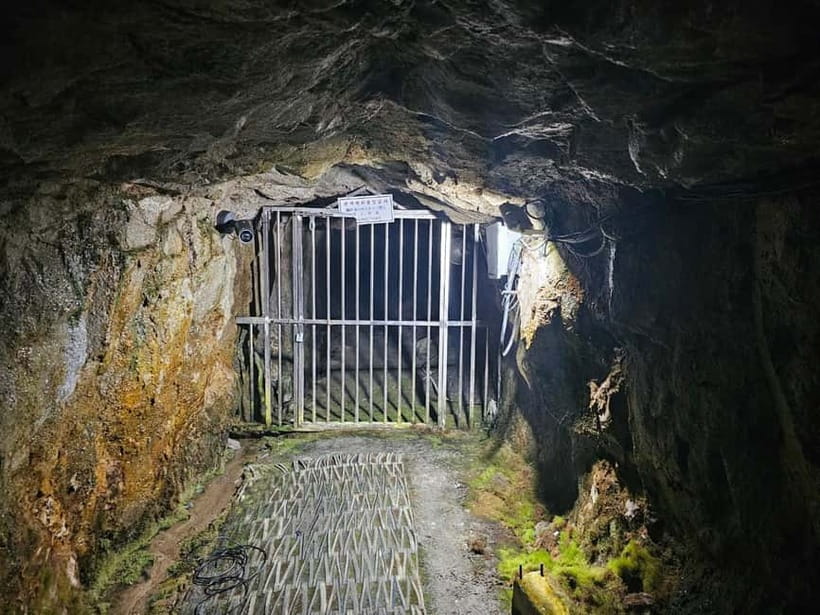
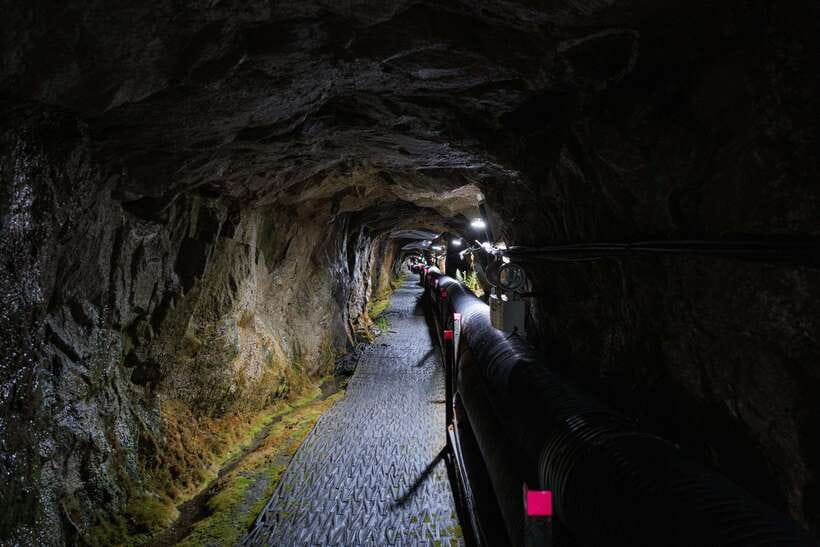
The 2nd Tunnel is the emotional center of the tour. Built by North Korea as an underground route toward the south, it was discovered in 1975. Today, you enter the preserved section as part of a controlled visit.
The tunnel area requires patience and care. You should expect walking and a descent, and one detailed account describes reaching about 500 meters down into the tunnel area. The route is not suitable for wheelchair users, and anyone with serious heart problems should think twice before booking. Pregnancy is also listed as a reason not to take this tour.
Inside, the story becomes easier to grasp because it is no longer an abstract line on a map. The narrow passage, the underground setting, and the careful movement through the site show the practical side of military planning during the Cold War.
Your guide is important here. The best guides do more than translate signs. Leo, who led several highly praised departures, is noted for explaining the border’s history without overwhelming people with facts. Winnie received similar praise for looking after the group while explaining the local story. The guide can help you connect what you are seeing with the larger division between North and South Korea.
Wear comfortable shoes and bring an ID card. A copy is accepted, which is useful if you prefer to keep your passport secured elsewhere. You should also follow instructions closely as you enter the site.
Cheorwon Peace Observatory and the view toward North Korea
At the Cheorwon Peace Observatory, the focus shifts from underground construction to the visible border. Telescopes and elevated views help you look across the DMZ toward North Korean territory and military positions.
This is the stop where the modern situation feels most immediate. A clear day can offer views of military outposts, and one account even describes hearing music broadcast across the DMZ and spotting North Korean soldiers through a telescope. These details are not guaranteed, since visibility and activity can change, but they show why the observatory can be more than a quick photo stop.
Your guide should provide the political and historical setting, but remember that a tour cannot explain every aspect of the Korean peninsula in one morning. The strongest part is the basic clarity: you learn how the border functions, why it was created, and how the separation still shapes daily life on both sides.
The observatory is also a good place to pause. After the enclosed tunnel, the open view gives you time to process what you have seen. Bring realistic expectations. You are not entering North Korea, and this is not a standard city lookout. It is a supervised border visit with restricted access.
Woljeong-ri Station and the remains of division
Woljeong-ri Station is one of the tour’s quieter historical stops. The abandoned railway site points to a time when rail connections ran farther north, before war and division interrupted the route.
The appeal is not a polished attraction with a long list of activities. It is the reminder that the border cut through ordinary systems of transport and trade. A station suggests movement, passengers, work, and plans for the future. Its partial remains tell a more sobering story.
This is where a good guide can make a major difference. Ask questions about the railway and the communities around Cheorwon. Guides praised on this tour, including Leo, Grace, and Heidi, are described as clear and attentive when explaining the background. Their contribution helps turn a short stop into something meaningful.
You may find this site less dramatic than the tunnel or observatory. That is part of its value. The day does not rely only on the most obvious military sights. It gives you several ways to understand what the division changed.
More Korea Suspension Bridge Tours in Seoul:
- Seoul: DMZ Tour with Optional Suspension Bridge
★ 4.8 · 5,277 reviews - Signature DMZ Tour: Exclusive Defector Talk & Suspension Bridge
★ 5.0 · 4,459 reviews - Ultimate Korea DMZ Tour from Seoul (Gondola & Suspension Bridge)
★ 5.0 · 2,396 reviews - DMZ; NK Defector, 3rd Tunnel, Suspension Bridge,Hotel pickup
★ 4.9 · 2,055 reviews
Migratory birds and the Hantan River Geopark
The DMZ has become known not only for its military importance but also for areas where wildlife has had room to survive with little human access. The itinerary includes a Migratory Bird Sanctuary, and winter can bring flocks of cranes. These birds are protected natural monuments of Korea.
Do not book this day solely to guarantee crane sightings. Wildlife is seasonal and unpredictable. Still, the possibility adds a welcome natural element to a tour that could otherwise feel heavy.
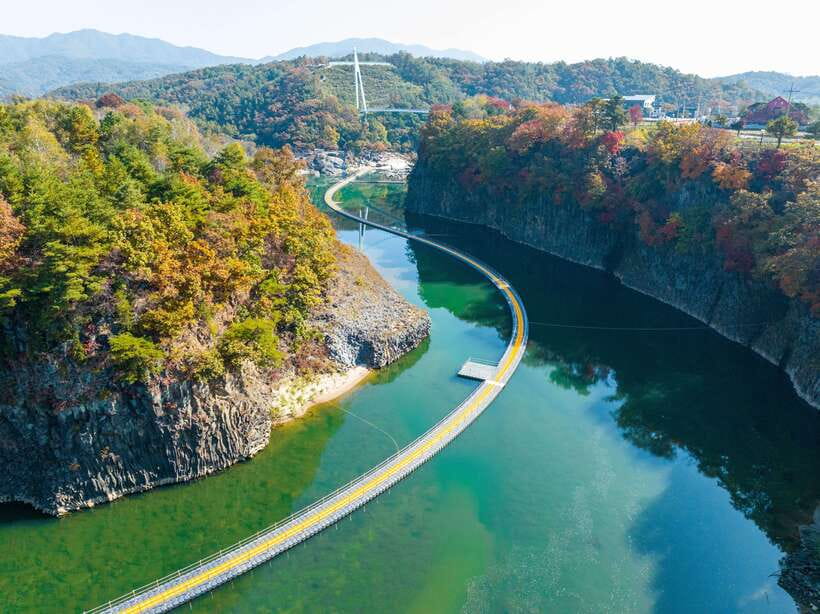
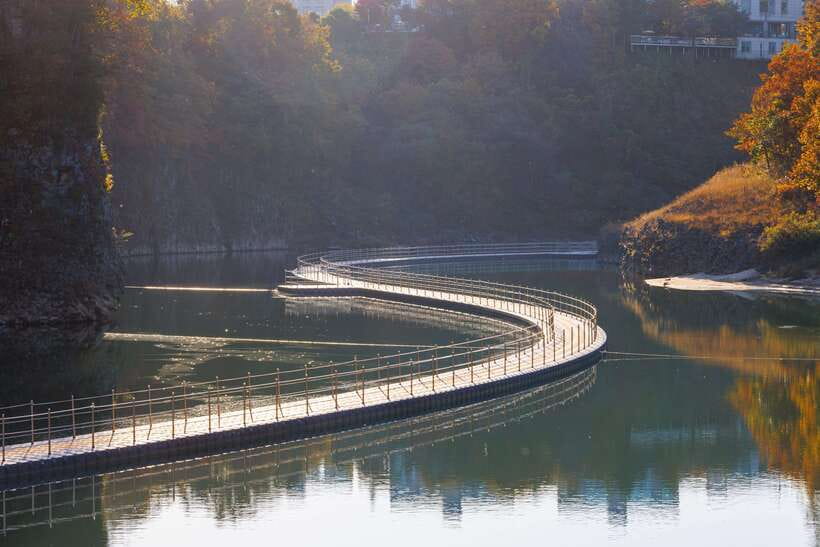
The Hantan River section offers a different kind of history, written in rock rather than concrete. The river runs through volcanic formations recognized within a UNESCO Global Geopark. You get a clearer sense of why the Cheorwon area matters beyond its border position.
I like this combination because it keeps the day from becoming a string of military memorials. You can discuss conflict, then look at river-cut rock and open countryside. The change in subject also helps during a long day in a vehicle.
Lunch near the tunnel: useful free time, but no set meal
Lunch is not included, and the schedule gives you free time near the 2nd Tunnel area. This keeps the $87 price under control and gives you some choice, but it also leaves one practical detail in your hands.
Food arrangements may take time, especially if a restaurant is closed or the group needs to find options for different diets. One detailed account specifically wished lunch had been pre-ordered, while another praised guide Leo for helping arrange vegetarian food and introducing a North Korean dish.
That makes the guide’s role useful, but you should not assume a particular restaurant or menu. Bring water, and be ready for the meal break to be less polished than the included transport and admissions. Drinks are also excluded.
For families, this pause can be helpful. Children and older adults get a chance to rest before the afternoon stops. For solo participants, it is an easy moment to talk with the group and compare impressions.
Former Korean Workers’ Party Headquarters
The Former Korean Workers’ Party Headquarters adds another layer to Cheorwon’s wartime story. The damaged building is a reminder that the area was not always a quiet border region. Political control, conflict, and division shaped the town directly.
The structure is valuable because it shows the conflict in an urban and civilian setting rather than only through trenches and tunnels. Its worn condition carries more force than a modern display could. You can picture the building as part of a working community, then see how war left it behind.
This is a short stop compared with the tunnel, but it helps broaden the day. You are not only learning about military strategy. You are seeing the remains of the political system that operated in the northern part of the divided peninsula.
Crossing Sky Bridge above Hantangang Geopark
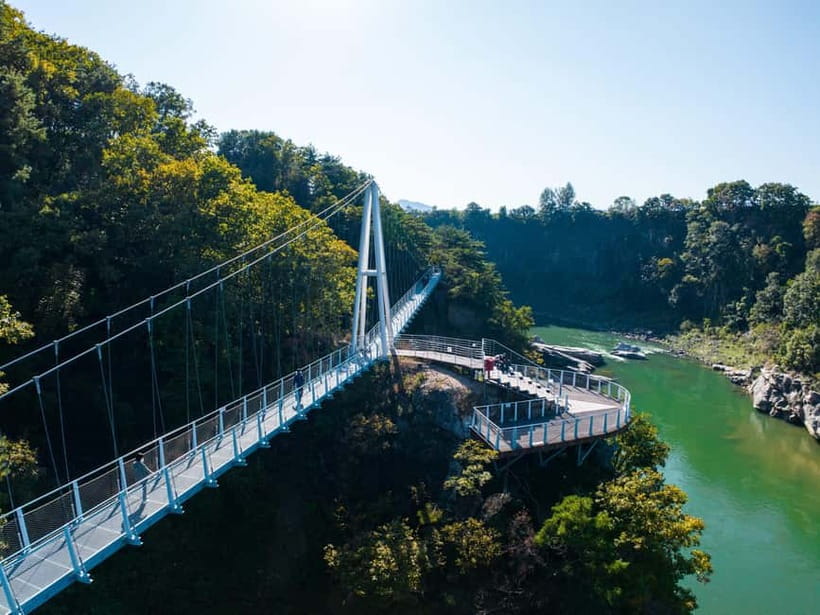
In the afternoon, you walk across Sky Bridge, a suspension bridge with broad views over Hantangang Geopark. The bridge has appeared in Korean dramas including Crash Landing on You and What’s Wrong with Secretary Kim, so it may appeal to you if you enjoy seeing filming locations.
The drama connection is a bonus, not the main reason to come. The real draw is the view of the gorge and volcanic terrain. After the serious atmosphere of the border sites, the bridge offers a lighter change of pace and a chance to take photographs.
You should be comfortable with a walk and with being above the river gorge. The tour is not wheelchair accessible, and the full day includes several transitions. If you have mobility limits, ask yourself honestly if the combination of tunnel walking, outdoor sites, and bridge access will be comfortable.
The small-group format helps here. Reports of groups as small as seven people suggest that the minivan can feel more personal than a large coach, with less waiting and easier access to the guide. Group size can vary, however, so do not treat a very small departure as guaranteed.
Bidulginang Falls and a final change of scenery
Bidulginang Falls is the final major stop. It forms part of the Pocheon Hantangang Basalt Gorge, designated Natural Monument No. 537. The name comes from doves that once nested behind the falls.
The setting has also appeared in Korean dramas such as The Slave Hunters, Queen Seondeok, and Warrior Baek Dong-soo. Again, the filming history is a pleasant extra. The waterfall and basalt gorge are the reason to pay attention.
Ending here works well. The day begins with an underground military route and finishes beside water and volcanic rock. You return to Seoul with a fuller picture of the region, not just a collection of border photographs.
Conditions at outdoor sites can vary with season and weather. You may find the falls especially appealing after a day spent discussing conflict because the natural setting gives you a quieter final impression before the return drive.
Guides, transport, and the value of the day
The strongest thread in the feedback is the quality of the guides. Leo is repeatedly praised for clear explanations, patience, and help with practical matters. Sophie is described as friendly, energetic, and careful about giving the group enough time at each stop. Henry is remembered for humor, while Dragon is praised for kindness and thoughtful answers.
That consistency matters on a 10-hour trip. The guide controls the pace, explains sensitive history, and helps the group manage lunch and site instructions. English and Japanese tours are available.
Transportation is included, along with admission fees and pickup and drop-off at the designated Myeong-dong meeting point. The transport rating is especially strong, with 93 percent of ratings giving it a perfect score. The driver matters in Seoul traffic, and several accounts specifically note smooth, professional driving.
The price also includes the convenience of visiting several sites that would be awkward to link independently. You pay extra for lunch, drinks, and your trip insurance, but there are no separate admission fees to budget for.
The tour runs on Saturdays and is not available on Tuesdays or national holidays. At least two people are needed for the departure, and the operator can cancel if that minimum is not met, offering an alternative or full refund.
Who should book this Cheorwon DMZ tour?
I would choose this tour if you want history explained in plain language, prefer a full itinerary, and like pairing serious sites with outdoor scenery. It suits couples, families, solo participants, and groups who want an organized day outside Seoul.
It is especially good for you if you have already seen Seoul’s main palaces and markets and want a less familiar part of South Korea. The Cheorwon route feels more unusual, and the mix of Tunnel 2, observatory, railway remains, geopark, bridge, and waterfall gives the day a strong sense of place.
I would hesitate if you dislike long excursions, need complete control over meal times, or have difficulty walking, descending into tunnels, or using outdoor bridges. Pregnant women, wheelchair users, and people with heart problems should not book this activity based on the stated restrictions.
Cancellation is free up to 24 hours before departure, and you can reserve now and pay later. Those options help if your Seoul schedule is still changing, but they do not remove the need to check the Saturday departure and meeting point carefully.
Final verdict: a thoughtful full-day choice from Seoul
Book this tour if you want more than a quick look at the DMZ. The 2nd Tunnel gives the day its strongest historical impact, while the Peace Observatory, Woljeong-ri Station, and former Workers’ Party headquarters fill in the human and political story.
The Hantan River Geopark, Sky Bridge, and Bidulginang Falls keep the itinerary from becoming too grim. At $87, the combination of transport, guide, admissions, and a full day of stops offers solid value, provided you are comfortable paying separately for lunch and committing most of a Saturday.
I would pick this route for its unusual Cheorwon setting and the chance to work with a guide such as Leo, Sophie, Winnie, or Henry. If you want a carefully explained look at Korea’s divided border, with a few striking natural stops along the way, this is a strong choice.
FAQ
Where does the tour meet in Seoul?
Meet outside Exit 10 of Myeong-dong subway station. Hotel pickup and drop-off are not included.
How long does the tour last?
The tour lasts approximately 10 hours and returns you to Myeongdong Station.
On what days is the tour available?
The tour is available on Saturdays. It is not available on Tuesdays or national holidays.
What languages are available?
Live guiding is available in English and Japanese.
Is lunch included?
No. You receive free time to eat near the 2nd Tunnel area, but lunch and drinks are not included.
What should I bring?
Bring an ID card. A copy of your ID is accepted.
Is the tour wheelchair accessible?
No. The tour is not wheelchair accessible and includes walking and access to the tunnel area.
Can I cancel or pay later?
You can cancel up to 24 hours in advance for a full refund. You can also reserve now and pay later.
Just added around Seoul
- Gyeongbokgung palace,seoul with gigibebe hanbok rental★ 4.5 · 12 reviews
- Private tour guide service in Seoul, Korea★ 5.0 · 6 reviews
- Alpaca, Nami, Petite Fr, Italian Village, Garden of Morning Calm★ 3.5 · 5 reviews
- Private day trip to Korean Folk Village & Dae Jang Geum Park★ 5.0 · 7 reviews
- Private tour Lotte World,Tower,Aquarium(All Tickets are included)★ 5.0 · 12 reviews
- Gyeongju UNESCO Sites Tour by KTX train; The Museum Without walls★ 4.5 · 11 reviews
- Full Day Private Seoul Tour for foodies★ 5.0 · 3 reviews
- Seoul Private Custom Walking Tour with A Guide (Private Tour)★ 4.5 · 28 reviews
DMZ Tours, compared.
Best DMZ Tour Korea from Seoul (Red Suspension Bridge Optional)
Read our review →
DMZ Tour: 3rd Tunnel, Option(Suspension Bridge, Boat) from Seoul
Read our review →
DMZ tour south Korea from Seoul (NK experience hall, defector)
Read our review →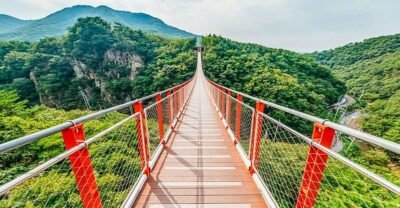
DMZ Insider Tour: 3rd Tunnel, NK Defector Meet & Red Bridge
Read our review →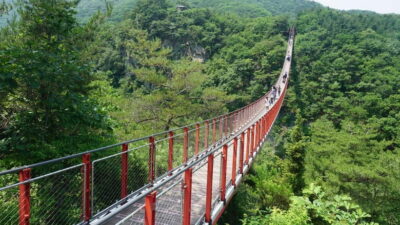
Thrilling Korean DMZ 3rd Tunnel Tour from Seoul + Red Bridge Rush
Read our review →
DMZ Past and Present: Korean Demilitarized Zone Tour from Seoul
Read our review →
Ultimate Korea DMZ Tour from Seoul (Gondola & Suspension Bridge)
Read our review →Browse the lists this tour appears in