
Reviewed · MUSEUMS
Seoul: War Memorial of Korea Private Guided Museum Tour
The Korean War is not an old chapter safely shut away. It still shapes the two Koreas, and this two-hour tour gives you a clear way into that difficult subject. Guide Kichan Lee and other English-speaking guides with backgrounds in Korean history, politics, peace studies, and DMZ tours explain the war as both a Korean civil conflict and an international struggle.
I like the private group of up to five, which gives you room to ask blunt questions without losing the thread. I also like the use of extra photographs and document copies, especially when the guide points out stories and viewpoints not fully covered by the museum displays. The main drawback is time: the War Memorial is large, and two hours can feel rushed if you want to pause at every section.
Key points to know before booking
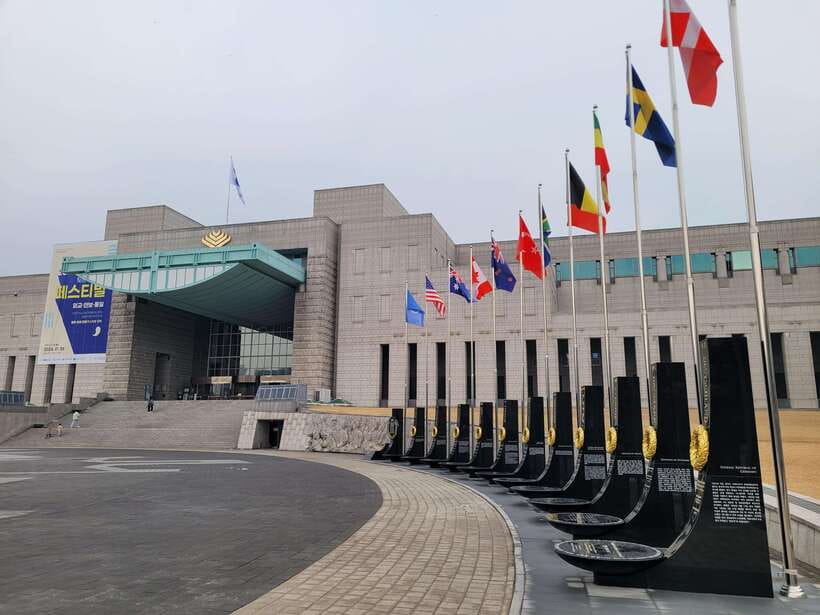
- Korean War Room I to III: The main focus is the museum’s central Korean War galleries, with a guided route through the conflict and its wider setting.
- A useful prelude to the DMZ: The tour gives you background that can make a later visit to the Demilitarized Zone far easier to understand.
- A private group, not a large walking crowd: One booking covers up to five people, so the guide can respond to your questions and adjust the pace.
- Context beyond the display cases: The guide brings photographs and document copies, then adds social and political angles that may not be obvious on your own.
- Meet beneath the Statue of Brothers: Exit 12 at Samgakji Station is the simplest route to the meeting point, at the south-west corner of the outdoor exhibit area.
- Strong English presentation: The tour is in English, and the guide’s clear explanations are repeatedly praised for being objective, well organized, and easy to follow.
Why the Korean War matters before you visit the DMZ
A DMZ tour can show you barbed wire, watchtowers, tunnels, and a tense border. Without basic knowledge of the Korean War, though, those sights can feel like disconnected pieces of a very large puzzle.
This museum tour helps you put the pieces together first. You learn why the peninsula was divided, how the conflict became international, and why the war’s effects reach far beyond military events. The guide also treats the war as a civil conflict between Koreans, not only as a confrontation between outside powers.
That balance matters. The War Memorial is a national institution, and its displays naturally reflect South Korea’s memory of the conflict. A guide with experience in history and peace work can explain what is shown, what receives less attention, and how events look from different sides of the peninsula.
I would especially consider this tour before a DMZ visit. It does not replace a border excursion, but it gives you the political and human background needed to read the border with more care.
A few more Seoul trips to weigh up
- DMZ Tour + The War Memorial of Korea Museum
★ 5.0 · 28 reviews - Color Pool Museum
★ 4.0 · 22 reviews - SEOUL: Gugak – Korean Traditional Music Museum&Concert Tour
★ 4.7 · 17 reviews
Meeting at the Statue of Brothers
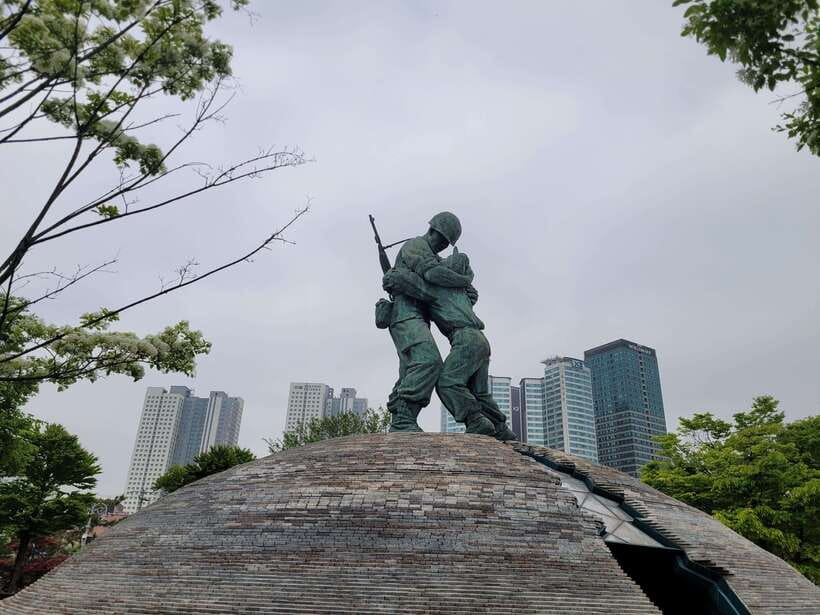
Your meeting point is beneath the Statue of Brothers, at the south-west corner of the War Memorial’s outdoor exhibit area. The statue is easy to spot when you approach from Exit 12 of Samgakji Station, served by Subway Lines 4 and 6.
Your guide waits with a sign reading Korean War Memorial Guided Tour by Gangwon Peace Tours. This detail is worth noting because the museum grounds are broad, and wandering around looking for the right entrance could eat into a short tour.
The itinerary begins outside at the statue and then moves into the museum. The statue itself is a fitting place to start. It represents two brothers meeting across a battlefield, a simple image that introduces the war’s division within one nation and one people.
You finish at the War Memorial of Korea. There is no meal stop, and food and drinks are not included, so plan to eat before or after the visit.
Inside Korean War Room I to III
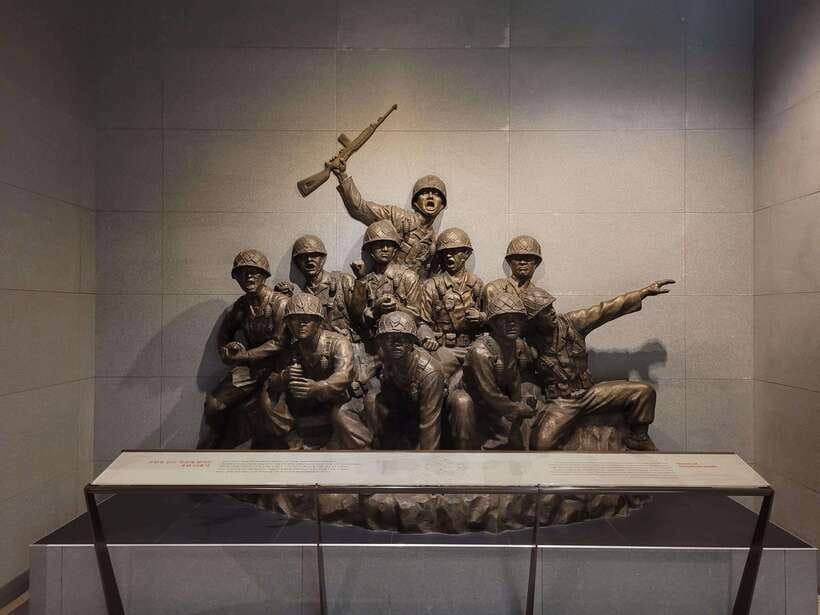
The core of the tour takes place in Korean War Room I, II, and III. These galleries are the main reason to book, and the guide gives the displays a clear order rather than sending you loose among a large collection.
You can expect an explanation of how the conflict began, how the fighting developed, and how international involvement changed the course of events. The route also looks at the war’s effect on Korean society and the peninsula’s continuing division.
A self-guided visit can give you dates, uniforms, weapons, photographs, and maps. What it may not give you is a strong sense of how the pieces connect. A guide can stop at an item, explain its place in the wider story, and answer the question that naturally follows.
Several people who took the tour found the structure especially helpful. The guide leads you through the large memorial in a logical order, which keeps the visit from becoming a blur of displays. That organization is important in a museum where the subject is broad and emotionally heavy.
The guide may also point to incidents and facts from both North and South Korean perspectives. This does not make every disputed point simple, but it does help you see why the war remains politically sensitive.
The value of a balanced guide
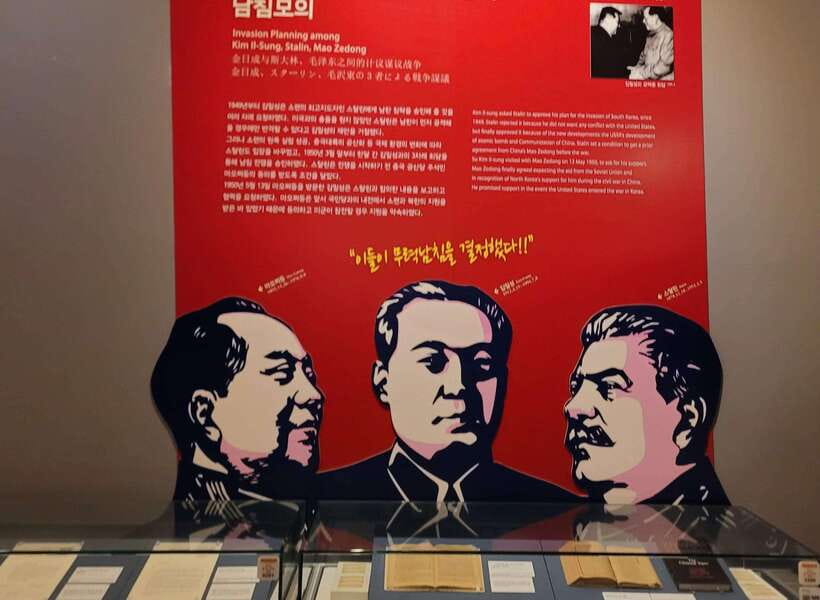
The strongest part of this experience is the guide’s approach. Kichan Lee is singled out for his command of the subject, careful answers, and even-handed presentation. Other guides, including one identified only as T in the available tour details, have also been praised for making the material clear and engaging.
The best guides here do more than recite military dates. They explain the social side of the war, the pressure on ordinary Koreans, and the way outside countries shaped events. That human angle can change how you look at the museum.
You should still expect the tour to be serious. This is not a light sightseeing stop, and the subject includes violence, division, loss, and political conflict. The guide’s calm tone and occasional humor help make the material approachable, but the museum’s purpose remains remembrance.
The phrase neutral and well-balanced perspective should not be read as a promise that every historical dispute will disappear. It means the guide aims to present more than one national or political viewpoint and to explain where the museum’s presentation leaves out additional context.
That is particularly useful for an international audience. You may know the war mainly through American, European, Korean, or textbook accounts. The tour gives you a chance to ask how those accounts differ and how modern South Korea remembers the conflict.
Same country, a completely different kind of day:
- Best DMZ Tour Korea from Seoul (Red Suspension Bridge Optional)
★ 5.0 · 41,422 reviews - DMZ Tour: 3rd Tunnel, Option(Suspension Bridge, Boat) from Seoul
★ 5.0 · 21,373 reviews - DMZ tour south Korea from Seoul (NK experience hall, defector)
★ 5.0 · 20,599 reviews - Seoul: DMZ Tour with Optional Suspension Bridge
★ 4.8 · 5,277 reviews
Photographs, documents, and stories beyond the displays
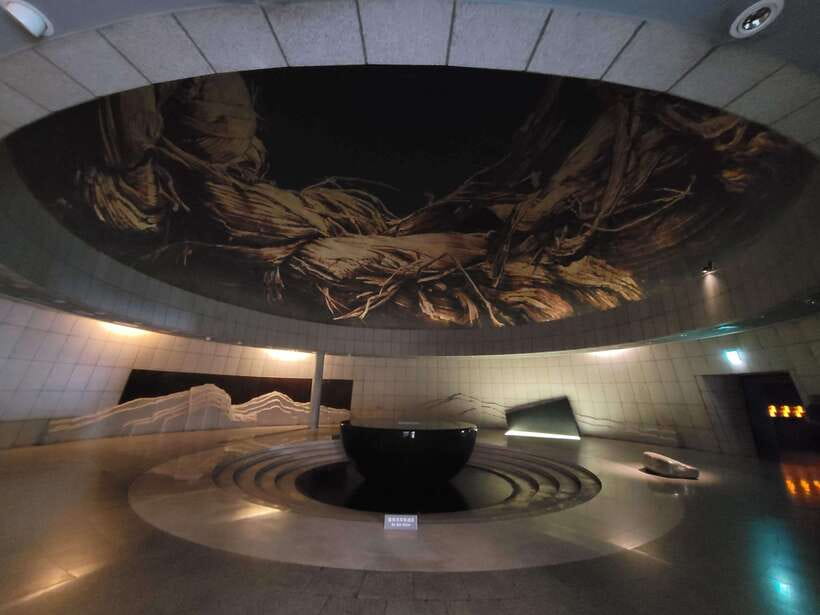
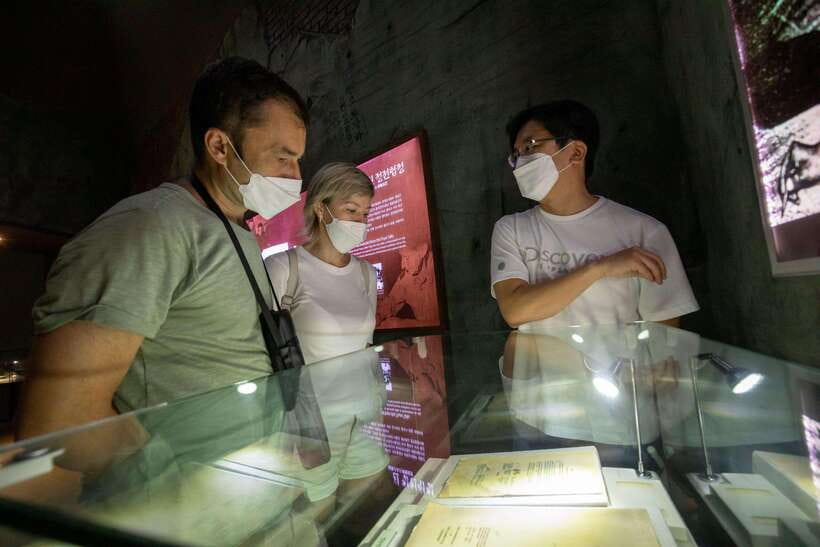
During the walk, the guide provides complementary photographs and copies of documents. These materials give you something concrete to compare with the museum’s displays and can bring lesser-known incidents into the conversation.
This is where the private format earns its keep. With only your group and the guide, you can stop to ask what a document means, why a story is absent from an exhibit, or how a particular event affected the wider conflict. A large group would make that kind of exchange harder.
The extra material also helps with the museum’s limits. No single institution can show every side of a war. The guide’s added images and explanations can fill in gaps, especially around politics, civilian life, and competing memories.
If you prefer to race through a museum and take only a few photos, you may not need this tour. If you want to understand why the displays are arranged as they are, the added material is a real benefit.
Two hours: focused, but not leisurely
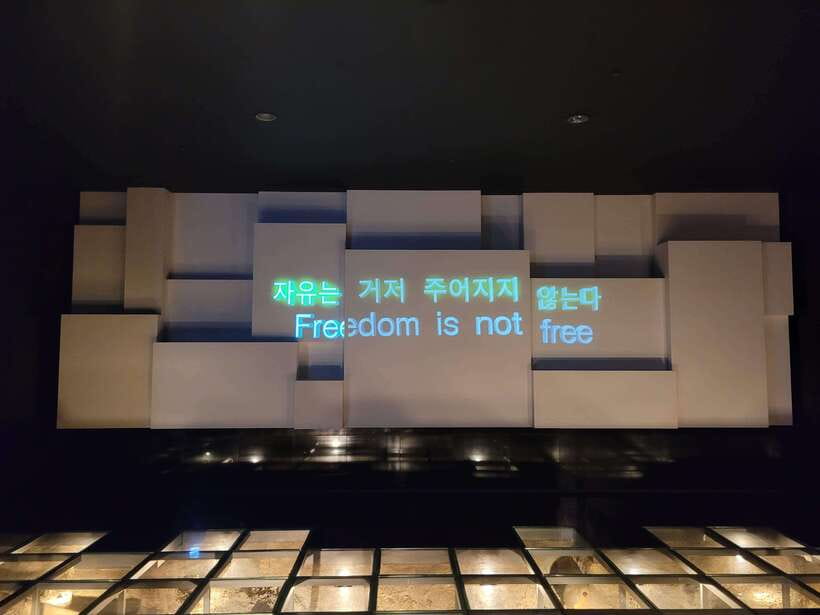
The scheduled duration is two hours, and that is enough for a focused introduction to the Korean War galleries. It is not enough for a slow visit to every room in the War Memorial.
One visitor felt the tour could easily have continued for another hour. That is a fair warning. The conflict covers a vast subject, and questions can quickly lead into politics, peace efforts, military strategy, or the lives of civilians.
I would treat the tour as a carefully chosen route, not a full museum day. You get a guided explanation of the key Korean War rooms, then you can return on your own if you want more time with a particular display.
The pace may feel brisk if your group asks many questions or prefers long stops. On the other hand, the structure keeps you moving through the main material without getting bogged down in every detail.
Wear comfortable shoes. This is a two-hour walking tour inside a large museum, with no seated lecture format described. Wheelchair access is available, but the tour is listed as unsuitable for people with visual or hearing impairments.
How the private price works
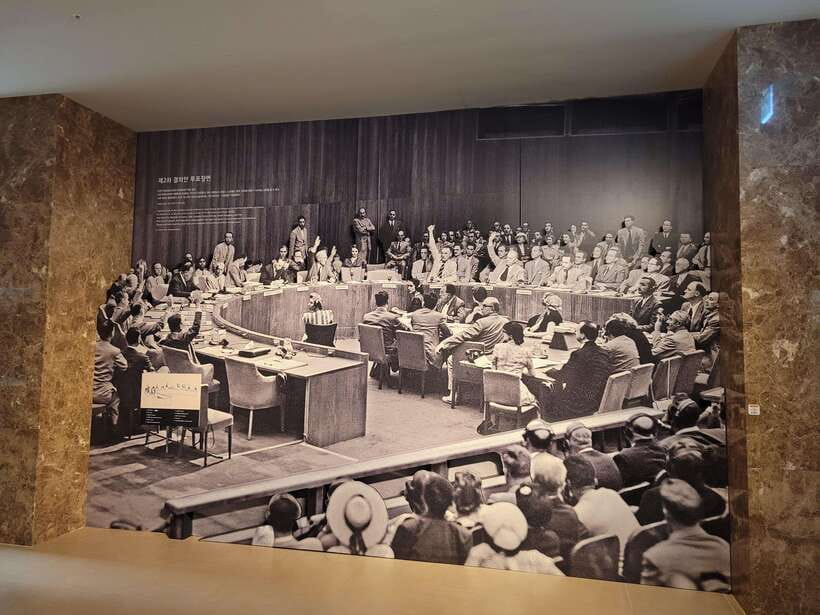
The price is $100 per group of up to five people. That makes the value much better for a full group than for a solo visitor.
For five people, the cost works out to $20 each. For two people, it becomes $50 per person, and a solo visitor pays the full group price. The guide, private walking format, and two hours of focused attention are included, while food and drinks are not.
I would book this for a small family, a couple who likes museums, or a group of friends preparing for a DMZ visit. It is less compelling if you are traveling alone on a tight budget and are happy to read displays at your own pace.
The private format also gives you control over the questions. You can ask about military events, Korean politics, peace movements, or the guide’s interpretation of the exhibits without worrying that a large group is waiting.
Booking details that affect your day
The activity is conducted in English with a live guide. It is a private group, limited to one group of up to five people, and the listed duration is two hours.
You can cancel up to 24 hours before the start for a full refund. The reserve-now-and-pay-later option lets you hold a place without paying immediately, which is useful if your Seoul plans are still shifting.
Alcohol and drugs are not allowed. The tour does not include food or drinks, so schedule a meal around it rather than expecting a refreshment break.
For navigation, use Samgakji Station Exit 12 and head toward the War Memorial. Find the Statue of Brothers in the exterior exhibit area, then look for the tour sign. Arriving with a few minutes to spare is sensible because the museum grounds are not tiny.
Who will get the most from this tour
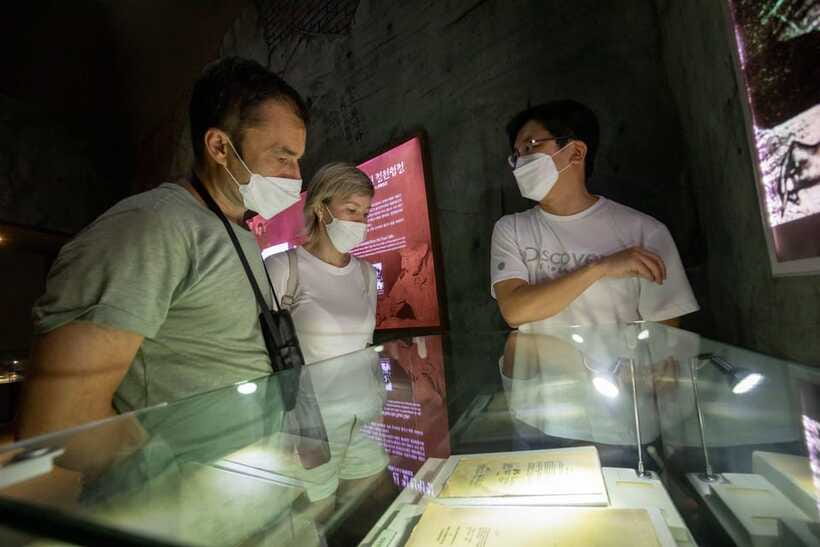
This tour suits you if you want more than a quick museum visit. It is especially useful for:
- First-time visitors to Seoul who want context before a DMZ excursion
- Anyone interested in Korean politics, peace studies, or modern Asian history
- Families or small groups who prefer private discussion
- Museum visitors who find military displays hard to place in context
- People who want to compare South Korean memory with broader international accounts
It may not suit you if you dislike serious historical subjects or want a relaxed, self-paced stroll. The guide aims to be engaging, and some people found the explanations funny and easy to follow, but the topic remains demanding.
The tour is also not designed for people with hearing or visual impairments according to the provided accessibility information. Wheelchair users can book, but it is wise to make sure the selected start time and route work for your needs.
Should you book the War Memorial tour?
I would book it if the Korean War is unfamiliar to you, if you plan to visit the DMZ, or if you want a more thoughtful look at modern Korea. The guide’s careful tone, extra documents, and attention to social issues turn a large museum into a readable story.
The main question is price and pace. At $100 for one to five people, it is fair value for a group, but expensive for one person. Two hours gives you a useful route through the main rooms, though you may want extra time afterward to explore alone.
Book this tour when understanding matters more to you than simply checking the War Memorial off your list. Skip it only if you already know the subject well, prefer complete independence, or want to spend a full day studying every exhibit at leisure.
FAQ
Where does the tour meet?
The meeting point is under the Statue of Brothers at the south-west corner of the War Memorial of Korea’s exterior exhibit area. The statue is easy to find from Exit 12 of Samgakji Station on Subway Lines 4 and 6.
How long does the guided tour last?
The walking tour lasts two hours. The route focuses on Korean War Room I, II, and III.
What language is the tour in?
The tour is conducted in English by a live English-speaking guide.
How many people can join one booking?
The tour is private and allows one group of up to five people.
Is the tour wheelchair accessible?
Yes. The activity is listed as wheelchair accessible.
Is food or drink included?
No. Food and drinks are not included in the tour.
Can I cancel for a refund?
Yes. You can cancel up to 24 hours in advance for a full refund. The reserve-now-and-pay-later option is also available.
Just added around Seoul
- Gyeongbokgung palace,seoul with gigibebe hanbok rental★ 4.5 · 12 reviews
- Private tour guide service in Seoul, Korea★ 5.0 · 6 reviews
- Alpaca, Nami, Petite Fr, Italian Village, Garden of Morning Calm★ 3.5 · 5 reviews
- Gyeongju UNESCO Sites Tour by KTX train; The Museum Without walls★ 4.5 · 11 reviews
- Private day trip to Korean Folk Village & Dae Jang Geum Park★ 5.0 · 7 reviews
- Private tour Lotte World,Tower,Aquarium(All Tickets are included)★ 5.0 · 12 reviews
- Full Day Private Seoul Tour for foodies★ 5.0 · 3 reviews
- Seoul Private Custom Walking Tour with A Guide (Private Tour)★ 4.5 · 28 reviews
Museums, compared.
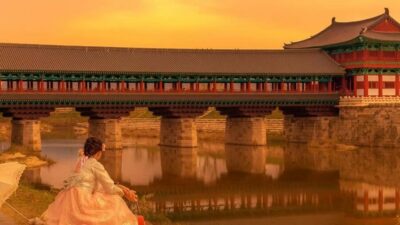
Gyeongju UNESCO Legacy Tour with National Museum
Read our review →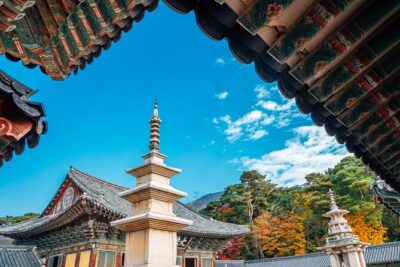
From Busan to Gyeongju UNESCO Legacy Tour with National Museum
Read our review →

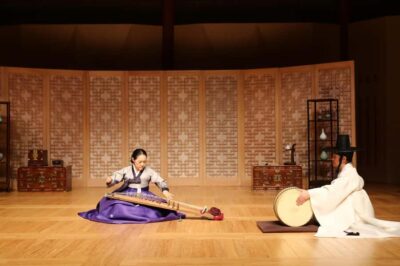
Gugak – Korean Traditional Music Museum&Concert Tour
Read our review →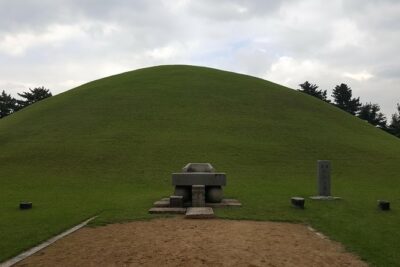
Gyeongju UNESCO Sites Tour by KTX train; The Museum Without walls
Read our review →
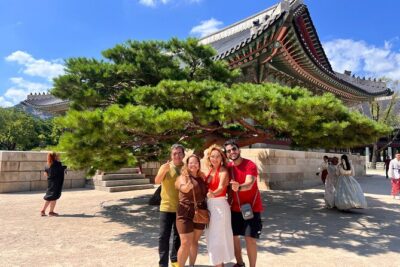
Time Travel in Seoul: Gyeongbokgung Palace, Folk Museum & Bukchon
Read our review →Browse the lists this tour appears in