
Reviewed · UNESCO WORLD HERITAGE TOURS
Busan: Gyeongju UNESCO Legacy Tour with National Museum
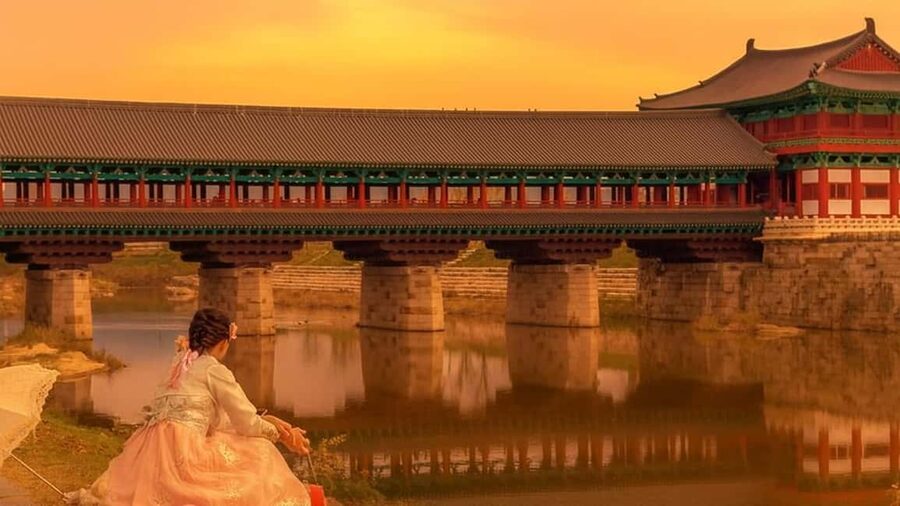
Gyeongju was Korea’s Silla capital for almost a thousand years, and this long day from Busan gives you a useful sweep of its temples, tombs, old houses, museum pieces, and wooded paths. Bulguksa Temple provides the grand historical anchor, while Woljeonggyo Bridge gives the day a handsome finish.
I like the mix of quiet nature and major sights, especially the 400-year-old Ahopsan Bamboo Forest and the chance to see Silla relics in the Gyeongju National Museum. I also like the small-group feel reported by many guests, with guides such as Kang, Yaho, DK, Chris, and Drake offering history, local tips, and help with photographs. The drawback is simple: twelve hours is a full day, and traffic or seasonal changes can shorten time at individual stops.
Key points at a glance
- Ahopsan Forest begins the day: Allow about an hour for a peaceful bamboo walk, or choose a nearby café if you prefer not to enter.
- Bulguksa is the cultural centerpiece: See Silla-era halls, stone pagodas, courtyards, and Buddhist artwork with context from your guide.
- Gyochon brings history down to street level: Hanok homes, Choe Jun’s House, local food, and traditional village life make this more than a monument stop.
- The schedule changes with spring: From March 24 to April 12, Haeundae Dalmaji Hill and Daereungwon may replace forest and museum stops, depending on conditions.
- Transport saves serious effort: Round-trip pickup from Busan Station, Seomyeon, or Haeundae means no train changes, local buses, or navigation across a wide rural area.
- The $48 price is strong value: Lunch and some admissions cost extra, but transport, fuel, parking, tolls, and a professional guide are included.
Why Gyeongju makes a worthwhile day from Busan
Gyeongju is not a compact old town where every sight sits around one square. Its important places spread across the former Silla capital, from Bulguksa in the foothills to royal tombs, museums, villages, and evening viewpoints nearer the center.
That geography is the main reason this tour works. You can see a lot in one day without piecing together a route by train, taxi, and bus. The tradeoff is that you spend part of the day in the van, but the included driving makes this practical for a first visit.
The tour begins with pickup at Busan Subway Station Exit 4 at 8:10, Seomyeon Subway Station Exit 4 at 8:30, or Haeundae Subway Station Exit 5 at 9:10. Be careful at Busan Station: the meeting point is the subway station exit, not the KTX gate. Drop-off returns you to the same three areas.
The van transportation is one of the most praised parts of the experience. Several guests describe clean, comfortable vehicles and small groups of two to six people. That can make a long day feel more personal than a large coach tour, though group size can vary by date.
More UNESCO World Heritage Tours in Gyeongju
- Private Gyeongju Tour – Explore Gyeongju UNESCO Sites
★ 5.0 · 272 reviews - Gyeongju: UNESCO Heritage Tour Including Bulguksa Temple
★ 4.8 · 104 reviews - Gyeongju UNESCO World Heritage Sites and History Full-Day Tour with Lunch
★ 5.0 · 104 reviews
Ahopsan Bamboo Forest: a calm start
The first planned stop is Ahopsan Bamboo Forest, a 400-year-old grove known for its quiet paths and screen-worthy scenery. You get about an hour here, enough for a walk and photographs rather than a long hike.
This is a smart opening stop. After leaving Busan, you begin with fresh air and trees before moving into the heavy historical material. The bamboo gives the morning a slower rhythm, and the setting offers a useful contrast to the carved stone, tiled roofs, and museum displays later in the day.
Admission is not included, so bring extra money if you want to enter. You may instead relax at a nearby café with scenic views. That choice matters if you prefer a coffee break, have limited interest in gardens, or want to save on admission costs.
Do not treat this as a demanding wilderness walk. The schedule allows about an hour, and the appeal is atmosphere rather than strenuous exercise. Wear shoes that are comfortable on paths and bring a light layer, since wooded areas can feel cooler than Busan.
Spring brings a possible change. From March 24 to April 12, the operator may offer Haeundae Dalmaji Hill instead, depending on cherry blossom timing and local conditions. Dalmaji-gil is a scenic Busan road and hill area, so this option shifts the mood from bamboo woodland to coastal city views and spring flowers.
Lunch and the reality of a long sightseeing day
Lunch is taken at a local restaurant, and the meal is not included. You should plan for a separate payment and tell the operator about allergies or dietary restrictions in advance.
The food itself can vary. One guide, Yaho, was praised for selecting a typical Korean buffet, while another account describes a Korean buffet costing 9,900 Korean won. Other meals may differ by group and day, so do not book this tour expecting one fixed restaurant or menu.
A meal stop is valuable here because the itinerary packs in many locations. It gives you a chance to sit down, eat, and reset before the main temple visit. If you need a special diet, contact the provider early rather than hoping the restaurant can adjust at the last minute.
Bulguksa Temple and the Silla age
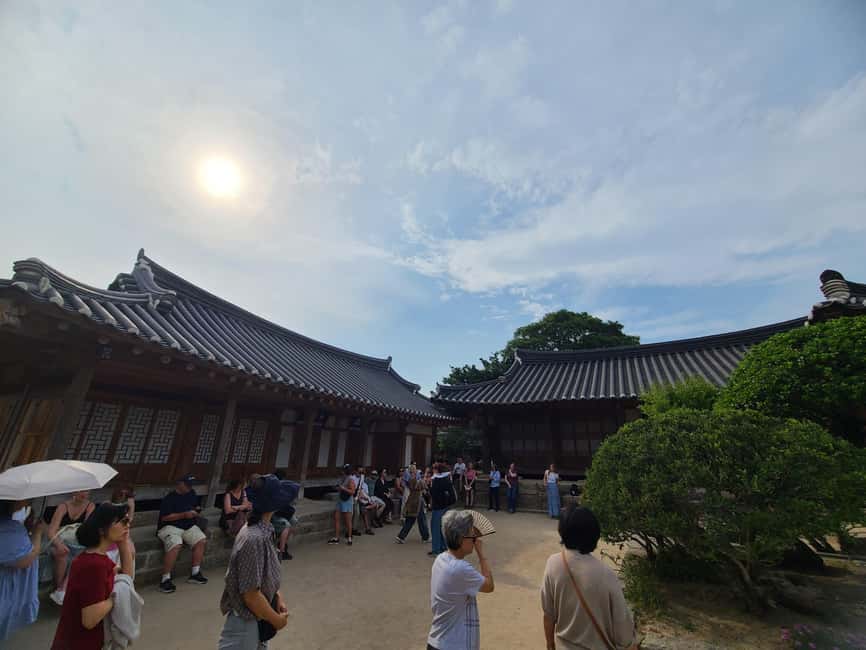
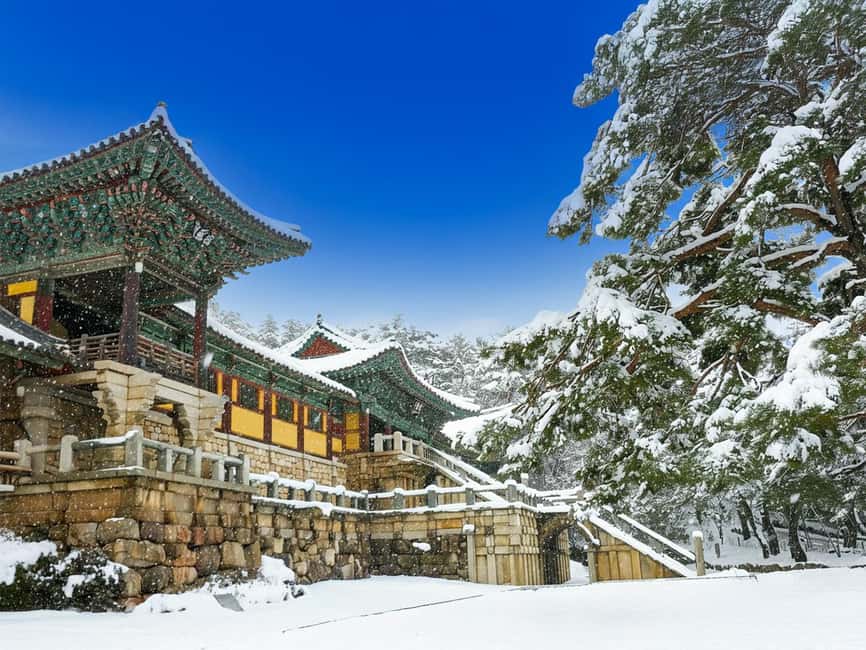
Bulguksa Temple is the day’s essential stop. This UNESCO World Heritage Site presents Silla Buddhist architecture in a setting of stone terraces, temple halls, courtyards, and celebrated pagodas.
You have about an hour for sightseeing. That is enough to understand the layout and see the main features, but not enough for a slow, exhaustive examination of every corner. I would listen closely during the guide’s introduction, then use your free moments for details that interest you most.
The stonework is the part that rewards patience. Look at the stairways, platforms, and pagodas as examples of how Silla builders combined engineering with religious purpose. A guide can explain why the structures matter instead of leaving you with only attractive photographs.
Bulguksa also shows why a guide adds value. The site is visually impressive even without explanation, but the story behind the pagodas and Buddhist symbols gives the visit more weight. Guides including Kang and Yaho have been praised for explaining Korean and Buddhist culture in clear, friendly terms.
The hour may feel short if you love temples. Traffic, weather, and the day’s order can affect timing, so this tour is best for seeing the major outline of Bulguksa rather than studying it like an archaeology student. If the temple is your top priority, stay close to the guide at the beginning so you do not miss the main explanation.
Same country, a completely different kind of day:
- Gyeongju: Private Car Tour with a Licensed Tour Guide
★ 5.0 · 85 reviews - Full day Private Gyeongju UNESCO Heritage Tour : a glimpse into Silla
★ 5.0 · 60 reviews - Guided Car Tour in Geyongju with a Local Guide
★ 5.0 · 38 reviews - Gyeongju: Private Car Charter Taxi Tour
★ 5.0 · 37 reviews
Gyochon Hanok Village and Choe Jun’s House
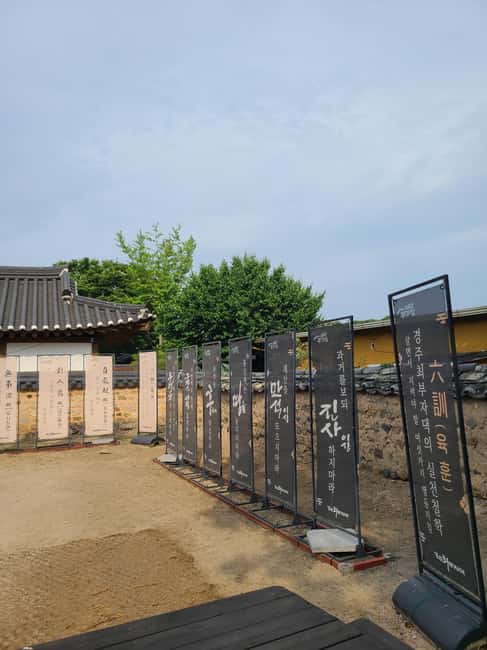
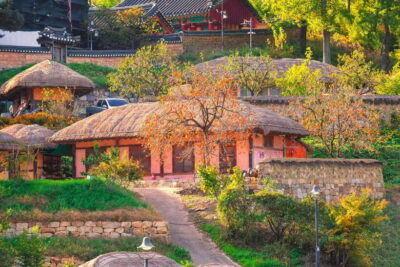
Gyochon Traditional Village changes the focus from royal and religious monuments to homes, food, crafts, and everyday customs. The hanok buildings give you a sense of older Korean domestic architecture, while the village setting is easier to explore at your own pace.
The scheduled village visit is about 30 minutes, followed by about 30 minutes at Choe Jun’s House. That is a brisk introduction. You can see the traditional streets and historic homes, but you may not have time for every shop or side lane.
I like this stop because it keeps Gyeongju from becoming a string of grand ruins. The village makes the past more human. You might find local snacks, small craft shops, and places serving Korean dishes such as bibimbap. One account singled out a particularly good bibimbap meal in Gyochon, though lunch arrangements are not fixed.
Choe Jun’s House adds another layer. Rather than simply photographing old roofs, you get a specific historic residence within the village. Your guide can connect the building to the people who lived there and explain how the home fits into Gyeongju’s social story.
The limitation is time. If you want a leisurely hanok café visit or a serious shopping stop, this tour may move too quickly. For a first look, though, the village is well placed between Bulguksa and the city’s royal sites.
Gyeongju National Museum and Silla treasures
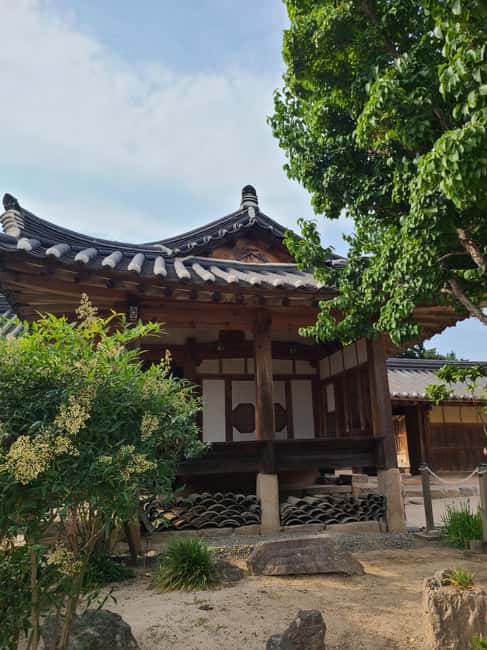
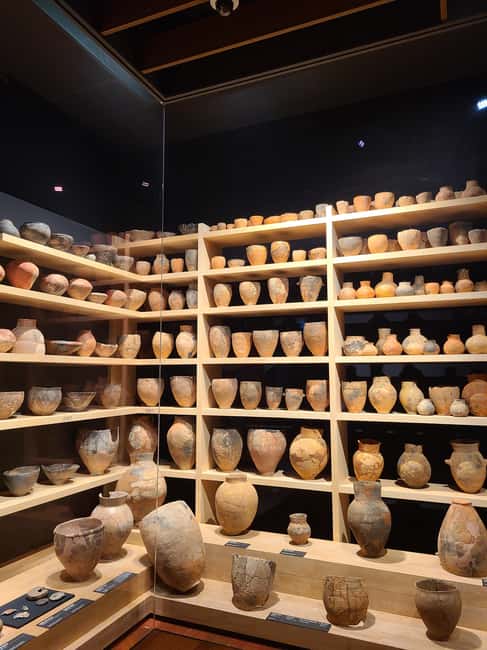
The Gyeongju National Museum is normally the best place to tie the day’s sights together. Its collection includes important Silla relics and national treasures, giving you the objects behind the stories you have heard at Bulguksa and the historic city sites.
The museum visit lasts about an hour. Use it to look for the details that outdoor monuments cannot show: metalwork, Buddhist objects, crowns, pottery, inscriptions, and other evidence of Silla craft and belief. A guide-led introduction helps you know what deserves your limited time.
This stop is especially useful if you are not already familiar with Korean history. Gyeongju can present a lot of names and dates, and the museum gives those facts a physical anchor. You leave with a clearer idea of what Silla culture produced, not just where its buildings once stood.
There is an important seasonal wrinkle. From March 24 to April 12, Daereungwon Tomb Complex may replace the museum, depending on cherry blossom conditions. Daereungwon offers a very different experience, with large royal burial mounds and stone walls framed by spring blooms.
You may also be able to choose Donggung Palace and Wolji Pond instead of the museum. Admission to Donggung Palace and Wolji is not included. Confirm the day’s arrangement with the provider, since weather, season, and local operating conditions can change the order or substitute a stop.
Donggung Palace, Wolji Pond, and changing evening light
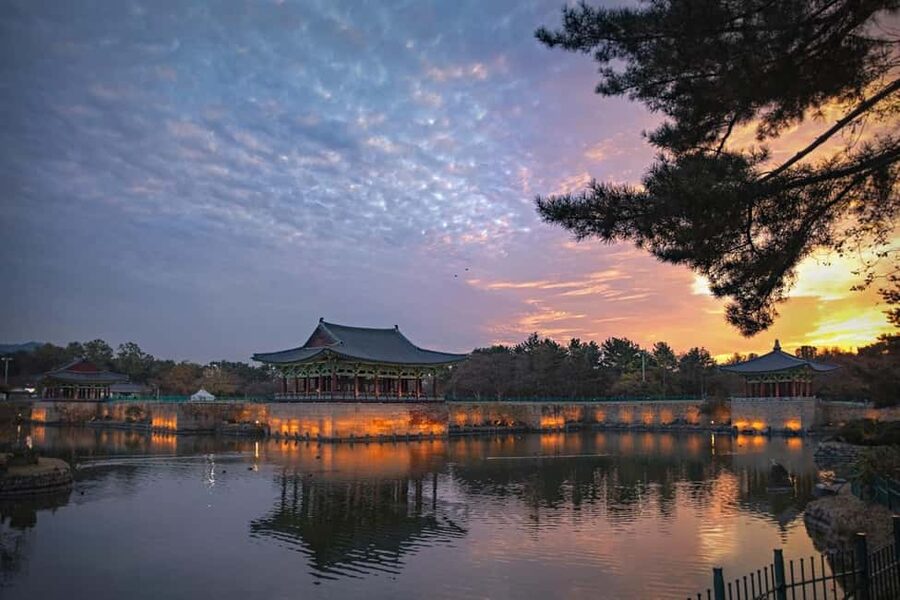
The itinerary also includes about 30 minutes at Donggung Palace and Wolji Pond. This former palace complex is particularly appealing as daylight fades, when the pond reflects the buildings and lights.
One account describes the pond as a strong alternative when the museum was closed, with colored lights adding atmosphere at dusk. That makes this stop a good late-day counterpoint to the museum’s indoor displays, but remember that admission is extra.
Half an hour is enough for a walk around the main viewing area and photographs. It is not enough for a long historical study or an unhurried circuit. If the pond replaces the museum, you gain evening scenery but lose the collection of Silla objects, so the choice depends on your interests.
Daereungwon’s tombs and Woljeonggyo Bridge
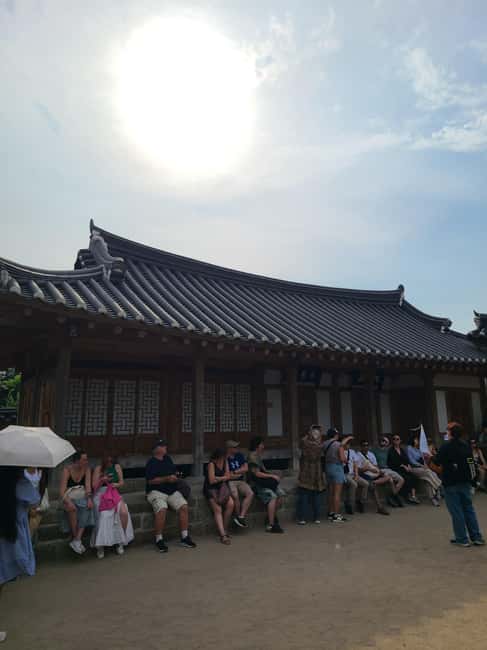
Daereungwon Tomb Complex brings you face to face with Gyeongju’s most recognizable burial mounds. The rounded tombs are not ruins in the usual sense. Their scale and grassy forms show the power of the Silla rulers buried inside, even when the interiors remain unseen.
The stop is especially attractive in spring, when cherry blossoms may frame the tombs. Outside that period, it remains a strong historical sight, but the visual effect is quieter and less flower-filled.
The final featured stop is Woljeonggyo Bridge, a reconstructed Silla-era bridge. You have about 30 minutes, with scenic views along the way. It is a fitting ending because it brings together old design, water, evening light, and photography.
If timing lines up with sunset, the bridge can be the most memorable image of the day. You might see reflections on the water and illuminated woodwork, though the exact light depends on traffic, season, weather, and the day’s schedule. Guides such as Yaho have been praised for helping with group photographs, a small service that matters when you are traveling alone.
What the guide adds to the day
This tour depends heavily on the person leading it. The guide is both your interpreter at the monuments and your driver between widely spaced stops.
The named guides associated with especially strong experiences include Kang, Yaho, DK, Chris, Drake, Andrew, Ciro, Erica, and Kong. Their styles may differ, but the useful pattern is clear: expect an English-speaking guide who explains the sites, answers questions, watches the clock, and leaves some independent time at each stop.
Kang has been described as patient, warm, and flexible, with a good balance between explanation and free exploration. Yaho has been praised for safe driving, careful attention to the group, restaurant choices, and help at every stop. DK and Chris are also noted for lively explanations and good group organization.
That personal attention is one reason solo visitors may enjoy this format. A small group can feel sociable without forcing you into a large bus crowd. Still, the exact guide and group size are not guaranteed, so book for the structure of the tour rather than one particular person.
Is $48 a fair price?
At $48 per person, this is a strong value if you want a broad Gyeongju introduction from Busan. The price includes a professional English or English and Chinese-speaking guide as offered, round-trip transfers, fuel, tolls, and parking.
You pay separately for lunch, personal expenses, and admission to Ahopsan Forest and Donggung Palace and Wolji. Those extras do not undermine the value, but you should add them to your daily budget before booking.
The main saving is time and transport. Doing this route independently would require working out connections between Busan, Bulguksa, central Gyeongju, the museum, the tombs, and the bridge. Taxis could quickly cost more than the tour, while public transport would give you less control over the day.
I would not choose this tour if you want one or two sights with hours to spare. I would choose it if you want the broad picture, prefer a guide to explain the Silla period, and value a clean van over the freedom of setting your own pace.
Practical advice before you go
Wear comfortable shoes. The day includes temple grounds, village streets, museum walking, forest paths, and outdoor historic sites. You will be moving often, even though the tour is not described as a strenuous hike.
Bring money for lunch and optional admissions. Ahopsan Forest and Donggung Palace and Wolji are not included, and the restaurant payment is separate.
Leave accurate WhatsApp contact information. The operator uses WhatsApp to reach you about the meeting and day-of arrangements. At Busan Station, go to Subway Exit 4 rather than the KTX gate.
Keep your schedule flexible. Traffic, weather, seasonal conditions, closures, and the order of stops can change the day. Spring visitors should pay special attention to the March 24 to April 12 substitution period, when Dalmaji Hill or Daereungwon may replace Ahopsan Forest or the museum.
This is a 12-hour outing, so do not pair it with an important evening reservation immediately afterward. Drop-off is planned for Haeundae, Seomyeon, or Busan Station, but the exact return time can shift.
Free cancellation is available up to 24 hours before departure, and you can reserve now and pay later. Those policies help if your Busan plans are still moving around.
Who should book this Gyeongju day tour?
I recommend it for first-time visitors to Gyeongju, families who want historical context without managing transport, solo visitors who like a social small-group setting, and anyone staying in Busan without enough time for an overnight stay.
It is also a good fit if your interests are broad. You get Buddhist architecture, royal tombs, a traditional village, museum history, bamboo woodland, and a reconstructed bridge in one organized day.
You may want another format if you are an avid museum visitor, a serious photographer, or someone who prefers long café and shopping breaks. The schedule is generous in coverage but tight in depth. You see the highlights, then move on.
Should you book it?
Book this tour if you want to understand why Gyeongju matters and would rather let a guide and driver handle the distances. The combination of Bulguksa, Gyochon, Silla relics, royal tombs, and Woljeonggyo Bridge gives you a much fuller picture than a quick temple excursion.
The strongest reasons to book are the low $48 starting price, included Busan transfers, small-group possibility, and guides who bring warmth and useful historical detail to a packed day. Just budget for lunch and optional entry fees, expect changes in the schedule, and accept that twelve hours means an energetic pace.
For a first Gyeongju visit from Busan, I think the tradeoff is worth it.
FAQ
Where can I meet the tour in Busan?
Pickup is available at Busan Subway Station Exit 4 at 8:10, Seomyeon Subway Station Exit 4 at 8:30, and Haeundae Subway Station Exit 5 at 9:10. At Busan Station, the meeting point is not the KTX gate.
How long does the tour last?
The tour lasts about 12 hours, including transportation, sightseeing, lunch, and return drop-off in Busan.
What does the $48 price include?
The price includes an English or English and Chinese-speaking professional guide as offered, round-trip transfers from the meeting point, toll fees, parking fees, and fuel fees.
Is lunch included?
No. Lunch is not included, and you pay the restaurant directly. You should tell the provider in advance about dietary restrictions or allergies.
Are Ahopsan Forest and Donggung Palace and Wolji admissions included?
No. Admission to Ahopsan Forest and Donggung Palace and Wolji is not included. Ahopsan Forest is optional, and you may relax at a nearby café instead.
Can the itinerary change during cherry blossom season?
Yes. From March 24 to April 12, Haeundae Dalmaji Hill may replace Ahopsan Forest, and Daereungwon Tomb Complex may replace the Gyeongju National Museum, depending on bloom conditions. The order and timing can also change because of weather and traffic.
More Museums in Gyeongju
- From Busan to Gyeongju UNESCO Legacy Tour with National Museum
★ 5.0 · 87 reviews - Seoul: War Memorial of Korea Private Guided Museum Tour
★ 4.9 · 29 reviews - DMZ Tour + The War Memorial of Korea Museum
★ 5.0 · 28 reviews - Color Pool Museum
★ 4.0 · 22 reviews
Just added around Gyeongju
- Private World Heritage Gyeongju Taxi Tour★ 5.0 · 12 reviews
- Guided Car Tour in Geyongju with a Local Guide★ 5.0 · 38 reviews
- Gyeongju: Private Car Charter Taxi Tour★ 5.0 · 37 reviews
- From Daegu: Gyeongju UNESCO Tour 7 Highlights with Bulguksa★ 4.6 · 5 reviews
- From Busan: Gyeongju Small Group Photo Tour & Hotel Pick-up★ 5.0 · 3 reviews
- From Busan: Busan & Gyeongju One Day Tour★ 5.0 · 5 reviews
- Busan: 7 Highlights Gyeongju City One Day Tour★ 4.9 · 10 reviews
- Full day Private Gyeongju UNESCO Heritage Tour : a glimpse into Silla★ 5.0 · 60 reviews
UNESCO World Heritage Tours, compared.
Gyeongju UNESCO World Heritage Guided Day Tour
Read our review →
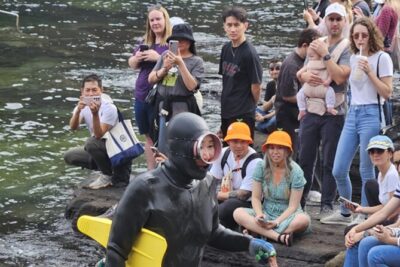
East Jeju Essentials – Seongsan Ilchulbong (UNESCO) & Haenyeo
Read our review →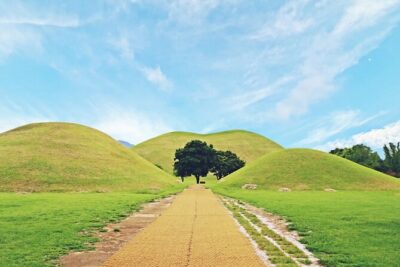
Gyeongju UNESCO World Heritage Guided Day Tour from Busan
Read our review →
Jeju Southern UNESCO Full Day Tour with Mt.Halla
Read our review →
Jeju island Southern UNESCO Day Tour With Hallasan MT
Read our review →Browse the lists this tour appears in