
Reviewed · UNESCO WORLD HERITAGE TOURS
From Daegu: Gyeongju UNESCO Tour 7 Highlights with Bulguksa
Gyeongju packs Korea’s ancient royal capital into a surprisingly manageable day. This tour links Bulguksa Temple, grassy royal tombs, a lantern-lit pond, old village lanes, and the elegant Woljeonggyo Bridge without asking you to solve the transport puzzle yourself. I especially like the mix of major sights and local streets, plus the choice of ending in Daegu or Busan.
I also like that entrance fees and round-trip transport from Daegu are covered, and that you can choose a private or small-group format. The main caution is the guide service: one English-language booking received only limited explanations, while the driver was praised for being punctual and caring. If detailed interpretation matters most to you, confirm your preferred language and guide arrangements before paying.
Key points at a glance
- Bulguksa in 80 minutes: See one of Korea’s most important Buddhist temples with admission included.
- Six substantial stops: The day includes Gyochon Traditional Village, Woljeonggyo Bridge, Daereungwon, Hwangnidan-gil, and Donggung Palace with Wolji Pond.
- A useful Daegu to Busan option: You can finish at Daegu, Dongdaegu, or a listed Busan drop-off point.
- Late morning departure: Pickup runs between 10:30 AM and 11:00 AM from three Daegu locations.
- Food time in Hwangnidan-gil: You get 1.5 hours for dinner and sightseeing, but meals are not included.
- English or Chinese service: Shared, private, and small-group choices are available, with free cancellation up to 24 hours ahead.
Why this day trip works for Gyeongju
Gyeongju is one of the best places in South Korea to see royal, Buddhist, and everyday traditions in one compact area. The former Silla capital is not built around one single sight. Its appeal comes from the way temples, tombs, palace remains, traditional homes, bridges, and modern cafés sit within the same broad city area.
That makes guided transport useful. From Daegu, you could arrange each stop yourself, but the connections and timing would take work. This 10-hour outing gives you a fixed route, admission to the main paid sites, and a guide who can help connect the places.
I see this as a strong choice for a first look at Gyeongju. You will not have unlimited time at any one location, but you will get a clear sweep of the city’s main sights. The schedule also includes Hwangnidan-gil, which adds food and modern street life to a day that could otherwise feel like a string of monuments.
The price is $80 per person. That is reasonable if you value door-to-door transport, included entrance fees, and a full day away from Daegu. It is less attractive if you prefer slow museum visits or already have an easy way to reach Gyeongju. Meals and personal spending are extra, and the format is active enough that you should expect a full day rather than a relaxed half-day outing.
More UNESCO World Heritage Tours in Gyeongju
- Private Gyeongju Tour – Explore Gyeongju UNESCO Sites
★ 5.0 · 272 reviews - Busan: Gyeongju UNESCO Legacy Tour with National Museum
★ 5.0 · 172 reviews - Gyeongju: UNESCO Heritage Tour Including Bulguksa Temple
★ 4.8 · 104 reviews
Starting from Daegu between 10:30 and 11:00 AM
Pickup is available from three listed Daegu locations: Banwoldang Station, Dongdaegu first parking area, and Daegu. You select your departure point when booking, and the pickup window runs from 10:30 AM to 11:00 AM.
That late morning start has two sides. You do not need to rush out before sunrise, which is welcome after arriving in Daegu or spending the previous day sightseeing. On the other hand, the schedule remains busy, so a late start means the final stops may come in the evening.
The operator plans to contact you the day before the tour. Check your messenger app, such as KakaoTalk, WeChat, WhatsApp, or Viber, and clearly provide your preferred pickup and drop-off details. This small step matters. The tour has several possible starting and ending points, so a missed message could create needless confusion.
You can book a shared, private, or small-group version. The exact feel of the day will depend on the option you choose. A private outing should give you more control over the pace, while a shared tour can offer better value. The listed experience does not promise a specific guide by name, so ask about the language and guide arrangement if that is important to you.
Bulguksa Temple: begin with Korea’s grand Buddhist site
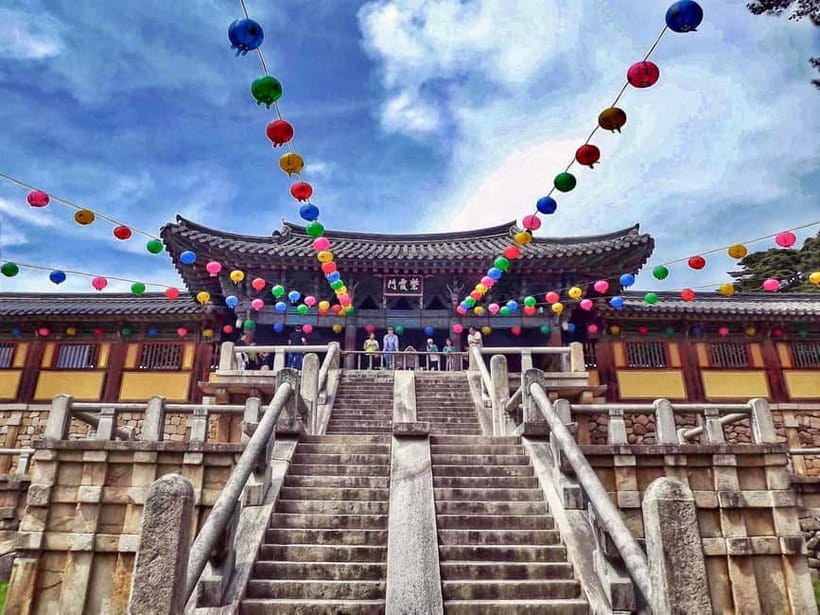
The first major stop is Bulguksa Temple, with about 80 minutes for guided sightseeing. Admission is included, so you can focus on the complex rather than ticket arrangements.
Bulguksa is valued for its Buddhist architecture, stone stairways, pagodas, and carefully arranged courtyards. The temple is not simply a photo stop. Its design reflects the Silla period’s religious ideals and technical skill, which is why it carries UNESCO recognition.
Eighty minutes is enough to see the main areas and hear an introduction, but it is not a long study visit. You will need to stay aware of the meeting time and follow the guide’s route. If you like to linger over carvings or architectural details, the private option may be worth considering, though no extended time is guaranteed.
This is also the stop where guide quality matters most. A good explanation can turn stone steps and roof lines into a readable story about Buddhism, royal patronage, and Silla design. One English-language booking found the guide’s English and explanations limited, with online searches proving more useful. I would treat that as a reason to confirm language ability in advance, not as proof that every departure will be the same.
Gyochon Traditional Village and the old city feel
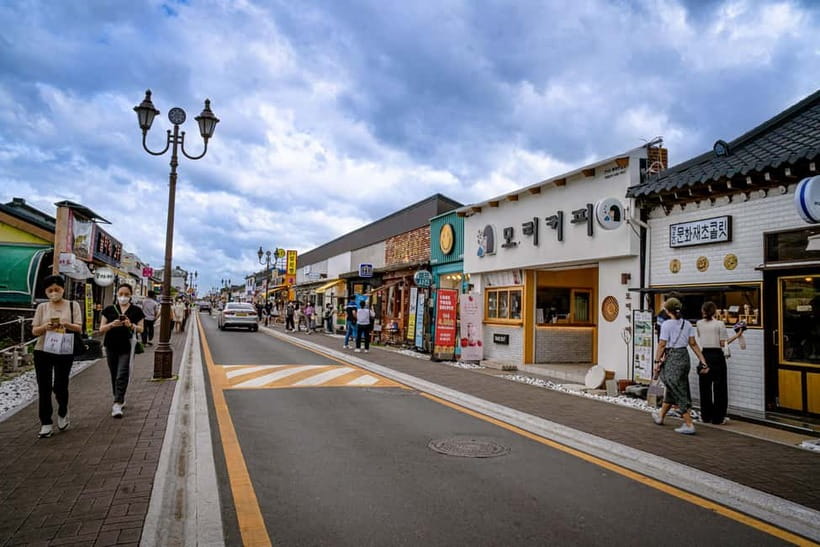
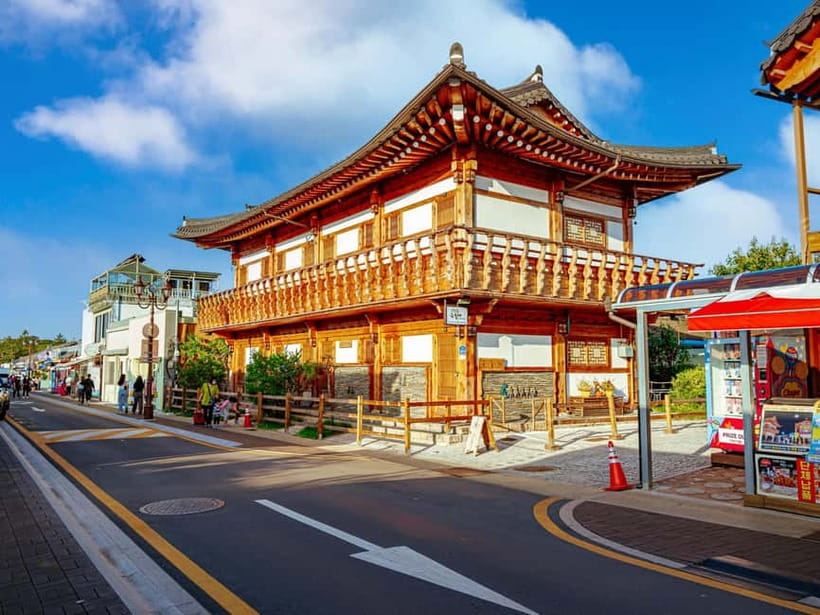
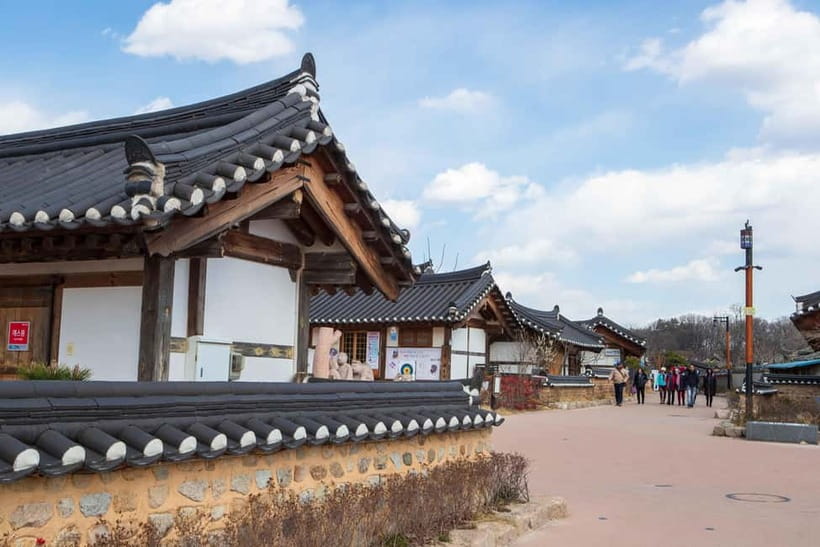
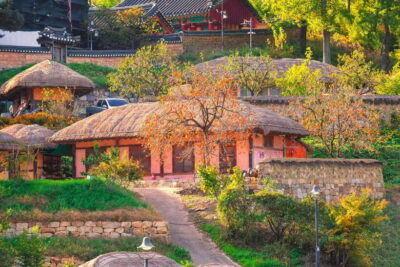
Next comes Gyeongju Gyochon Traditional Village, with about an hour of guided sightseeing. This stop changes the mood. Instead of a major temple complex, you get traditional homes and streets tied to Gyeongju’s older local character.
A village visit is useful because it lets you see how the city’s past is presented beyond royal monuments. The architecture and lanes provide a gentler setting for photographs, and the stop breaks up the day’s sequence of formal historic sites.
The hour should give you time to walk around without turning the visit into a rushed pass-through. I would use this stop to notice the details of the homes and street plan, rather than trying to collect another long list of facts.
Do not expect a fully open-ended wander. This is a guided group day, and the next stop is waiting. Keep track of the meeting place, especially if you pause for photographs.
Same country, a completely different kind of day:
- Gyeongju UNESCO World Heritage Sites and History Full-Day Tour with Lunch
★ 5.0 · 104 reviews - Gyeongju: Private Car Tour with a Licensed Tour Guide
★ 5.0 · 85 reviews - Full day Private Gyeongju UNESCO Heritage Tour : a glimpse into Silla
★ 5.0 · 60 reviews - Guided Car Tour in Geyongju with a Local Guide
★ 5.0 · 38 reviews
Woljeonggyo Bridge, one of the day’s best photo stops
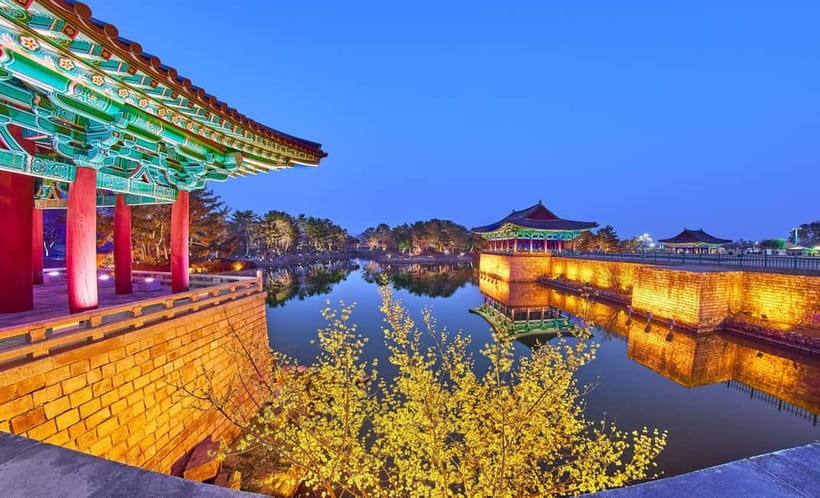
The tour then allows roughly an hour at Woljeonggyo Bridge. This wooden bridge, built in the traditional Korean style, is one of Gyeongju’s most photogenic structures.
The bridge works well in this route because it is visually different from Bulguksa and the tombs. Its layered rooflines, timber construction, and position over the water give you a strong subject for photographs. It also helps you see how traditional design can be both practical and decorative.
An hour is generous enough to view the bridge from more than one angle, depending on the group’s route and conditions. I would not assume that every departure includes a particular lighting effect or nighttime view. The supplied schedule places it during a full-day outing, but the exact light will depend on the day’s timing.
This is one of the places where a guide can add useful context by explaining the bridge’s role and design. If the commentary is brief, you can still enjoy the setting, but you may want to read a little about Woljeonggyo before leaving Daegu.
Daereungwon Tomb Complex and the royal burial mounds
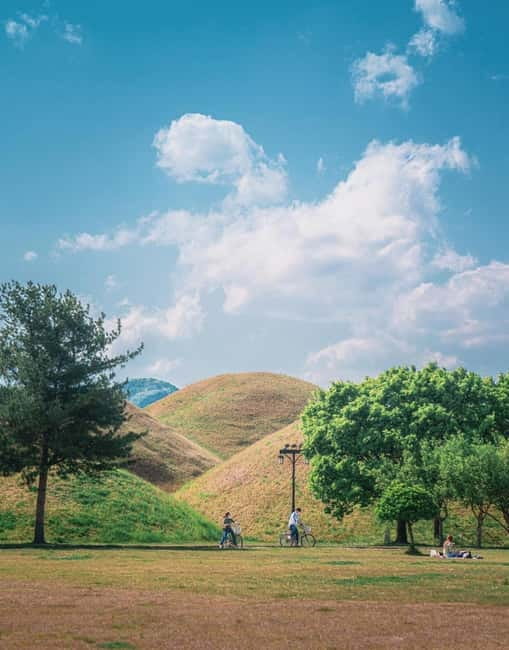
Daereungwon brings you face to face with Gyeongju’s distinctive royal tombs. The complex is known for its large grassy mounds, which rise above the surrounding paths without the stone-built look you may expect from royal burial sites elsewhere.
The hour-long visit gives you time to walk among the mounds and understand their scale. These tombs are not just isolated graves. Together, they show how the Silla royal center shaped the city’s identity.
The simple grassy forms are especially striking. They can look almost quiet and natural at first glance, but their size and regular placement reveal the effort and status behind them. This is a good stop for slowing down and taking in the broader setting.
I would keep expectations realistic. You are visiting the complex, not spending the day at a museum or archaeological research site. The value comes from seeing the tombs in place and hearing their basic context. If the guide gives only a short explanation, the physical setting still makes this one of Gyeongju’s essential stops.
Hwangnidan-gil: dinner time with costs still to plan
The schedule sets aside 1.5 hours for Hwangnidan-gil, including dinner and guided sightseeing. This is the most flexible-feeling portion of the day, but meals are not included, so bring money for food and drinks.
Hwangnidan-gil is known for its mix of older-style buildings, shops, cafés, and restaurants. It gives you a chance to experience Gyeongju as a living city rather than only as a historic capital. After temples and tombs, that change is welcome.
The food stop needs a little planning. One booking found lunch arrangements messy because groups were being handled in a way that did not feel even, and the dining guidance was limited. The same feedback pointed out that more help with preparing bulgogi and understanding the food would have made the meal more meaningful.
You can protect yourself from that problem by asking the guide early how the meal will work, how much time you have, and where the group will meet afterward. Do not count on the tour price to cover dinner. If you have dietary needs, the supplied information does not specify what restaurant or menu will be used, so ask before departure.
The 1.5-hour block is still valuable. You can use it for a proper meal, a short walk, or a little browsing, but probably not all three at a leisurely pace.
Donggung Palace and Wolji Pond after the main sights
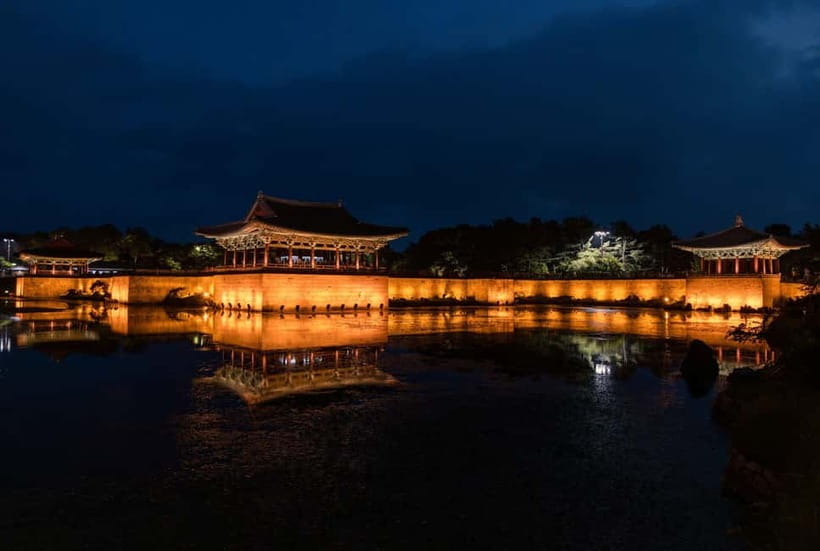
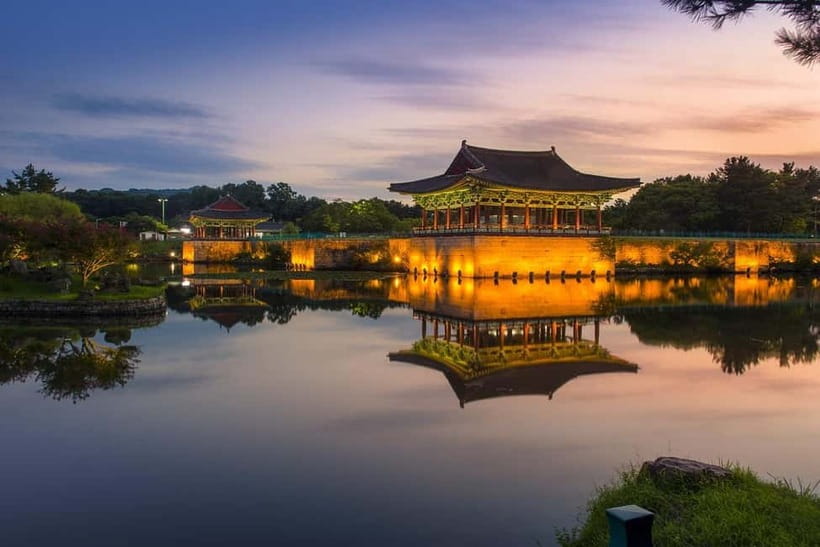
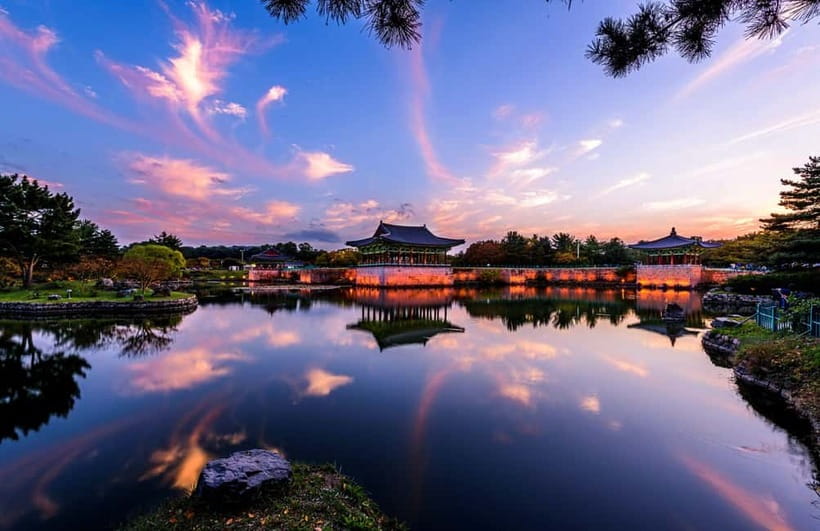
The final sightseeing stop is Donggung Palace and Wolji Pond, with about 40 minutes. The site once served as a royal villa and is now known for the calm water, palace remains, and carefully framed views.
This stop provides a quiet finish after the more spread-out route. The pond reflects the surrounding structures and makes a strong final photo setting. Its appeal comes from the relationship between water, architecture, and open space.
Forty minutes is brief, so you will want to stay with the group and move directly to the best viewpoints. You can appreciate the site in that time, but you should not expect a long, unhurried walk around every edge of the pond.
The time of day may affect the mood. The tour lasts 10 hours and begins in late morning, so this stop may occur later in the day. The supplied details do not promise a night visit, special illumination, or a particular sunset view. Enjoy the site as scheduled rather than booking it for a guaranteed nighttime scene.
Transport, group size, and the Busan finish
Transport from Daegu is included, along with the listed entrance fees. That is the core value of the $80 price. You are paying not only for admission but also for a day of movement between sites that are difficult to combine casually.
The guide service is available in English or Chinese. Private and small-group options are offered, as well as a shared format. If you want more chances to ask questions, a smaller group should help, but the information does not promise a particular group size or a specific guide.
The driver service received especially positive practical feedback. One booking described the driver as punctual, caring, and consistently on time. That matters on a schedule with six sightseeing stops and a meal break. Reliable timing keeps the day from losing one of its major sites.
At the end, you can choose from five listed drop-off choices: Banwoldang Station, Busan, Daegu, Busan Station, and Dongdaegu first parking area. The Busan option is useful if you are moving south after Gyeongju, but confirm the exact drop-off point and time when booking. The supplied details do not state how long the transfer to Busan takes.
Free cancellation is available up to 24 hours before departure, and you can reserve now and pay later. Those terms make the tour easier to fit into a changing Korea schedule, though you still need to enter the correct pickup and drop-off information.
Who will get the most from this Gyeongju day
I would recommend this outing to you if you are staying in Daegu and want a broad introduction to Gyeongju without arranging several local connections. It also suits anyone who wants to continue to Busan after the tour instead of returning to Daegu.
The route works well for first-time visitors who want the major names: Bulguksa, Daereungwon, Donggung Palace and Wolji Pond, plus the bridge, village, and Hwangnidan-gil. You get religious architecture, royal burial sites, traditional streets, food, and a modern commercial area in one day.
It is less suitable if you want long, quiet visits at each place. Bulguksa gets 80 minutes, several stops get about an hour, and Wolji Pond gets 40 minutes. That is enough for orientation and photographs, but not for a slow archaeological study.
I would also think carefully about the guide language. English and Chinese are available, but the quality of interpretation may vary. If you mainly need transport and a well-organized route, the driver’s punctuality is a major plus. If you want detailed cultural explanations at every stop, ask clear questions before booking and consider the private option.
Should you book this tour?
Book it if you want to see Gyeongju’s essential sights in one organized day from Daegu, value included admission and transport, or need a practical route onward to Busan. The range of stops is the strongest reason to choose it: Bulguksa and the tombs provide the major historical sights, while Gyochon Village, Hwangnidan-gil, and Woljeonggyo Bridge keep the day from feeling like a museum-only outing.
Before booking, confirm your pickup point, drop-off point, preferred language, and how the meal stop will work. I would also check the guide arrangement if detailed English commentary is important to you. At $80, this is good value for a full day with transport and entrance fees, provided you are comfortable with a fairly quick pace and meals paid separately.
FAQ
How long is the Gyeongju tour from Daegu?
The tour lasts 10 hours, including transportation, sightseeing, and the meal stop in Hwangnidan-gil.
Where can I be picked up in Daegu?
Pickup is available from Banwoldang Station, Dongdaegu first parking area, and Daegu. You choose your departure point during booking.
What time does pickup take place?
Pickup is scheduled between 10:30 AM and 11:00 AM. The exact time depends on your selected location.
Which languages are available for the guided tour?
The tour is available with a live guide in English or Chinese.
Is Bulguksa Temple included?
Yes. The tour includes admission and a visit to Bulguksa Temple, with about 80 minutes for guided sightseeing.
Are meals included in the $80 price?
No. Meals and personal expenses are not included. The schedule provides 1.5 hours for dinner and sightseeing at Hwangnidan-gil.
Can I finish the tour in Busan?
Yes. Listed drop-off choices include Busan and Busan Station, as well as Daegu, Banwoldang Station, and Dongdaegu first parking area. Select your preferred drop-off when booking.
Can I cancel the booking?
You can cancel up to 24 hours in advance for a full refund. The tour also offers a reserve-now, pay-later option.
Just added around Gyeongju
- Private World Heritage Gyeongju Taxi Tour★ 5.0 · 12 reviews
- Guided Car Tour in Geyongju with a Local Guide★ 5.0 · 38 reviews
- Gyeongju: Private Car Charter Taxi Tour★ 5.0 · 37 reviews
- From Busan: Gyeongju Small Group Photo Tour & Hotel Pick-up★ 5.0 · 3 reviews
- From Busan: Busan & Gyeongju One Day Tour★ 5.0 · 5 reviews
- Busan: 7 Highlights Gyeongju City One Day Tour★ 4.9 · 10 reviews
- Full day Private Gyeongju UNESCO Heritage Tour : a glimpse into Silla★ 5.0 · 60 reviews
- Gyeongju: Private Car Tour with a Licensed Tour Guide★ 5.0 · 85 reviews
UNESCO World Heritage Tours, compared.
Gyeongju UNESCO World Heritage Guided Day Tour
Read our review →
East Jeju Essentials – Seongsan Ilchulbong (UNESCO) & Haenyeo
Read our review →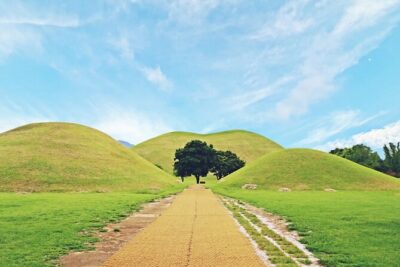
Gyeongju UNESCO World Heritage Guided Day Tour from Busan
Read our review →
Jeju Southern UNESCO Full Day Tour with Mt.Halla
Read our review →
Jeju island Southern UNESCO Day Tour With Hallasan MT
Read our review →Browse the lists this tour appears in