
Reviewed · GYEONGJU TOURS
Guided Car Tour in Geyongju with a Local Guide
Gyeongju’s best sights are spread across the city and surrounding hills, so a four-hour private car tour is a smart way to cover ground without losing half your day to buses and taxis. You’ll visit Bulguksa Temple, Seokguram, Bomun Lake, Woljeonggyo Bridge, and the Gyeongju National Museum with a guide who grew up here.
I like the tiny group size, capped at three people, and the use of an air-conditioned electric car. I also like the flexible spirit: the guide can adjust your pace, take photos, suggest food, and even change a stop when it makes sense for your plans.
The main consideration is communication. Several guides, including the guide identified in some feedback as Sang Jong and another referred to as Mr. Lee, have used Google Translate or another translation app because their English is limited. It works, but you should expect a slower, phone-assisted conversation rather than a polished English lecture.
Key points before you book
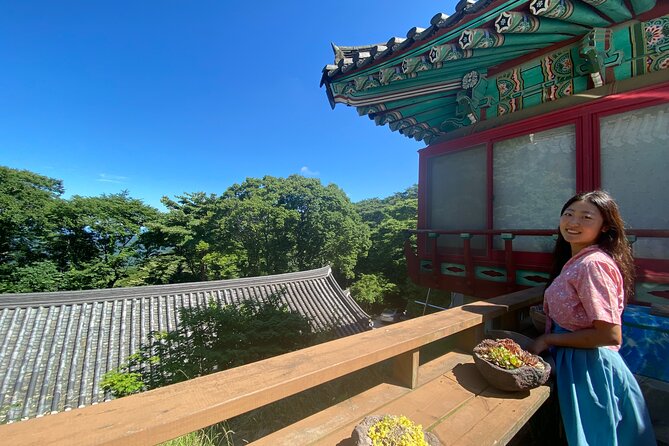
- Five major Gyeongju sights in four hours: The route covers temples, a mountain cave, a lake, a historic bridge, and a museum.
- Maximum of three people: This feels closer to a private outing than a standard group bus tour.
- Electric car with air conditioning: You get door-to-door comfort while moving between sites that are not close together.
- Local advice beyond the schedule: The guide can suggest Korean food, bakeries, nearby sights, and places you can visit on foot afterward.
- Translation app communication: Bring patience and keep questions short so the guide can translate them clearly.
- Pickup and drop-off flexibility: Pickup is offered in Gyeongju, and the end point can be arranged anywhere in Gyeongju-si.
Why a car helps you see Gyeongju
Gyeongju was the capital of the Silla Kingdom from 57 BC to AD 935. Its historic remains are not gathered in one compact old town. Temples sit outside the center, Seokguram is up near Tohamsan Mountain, Bomun Lake is in a resort area, and the museum and Woljeonggyo Bridge are in other parts of the city.
That layout makes a car useful. You can move directly from one site to the next instead of working out several bus connections. The electric vehicle also gives you air conditioning, which matters during Korea’s warmer months and after walking around temple grounds.
The group limit of three is another practical advantage. You can ask to slow down, spend less time at a place that does not interest you, or stop for a photo without holding up a coach full of people. The tour is not fully custom-built, but it has enough flexibility to feel personal.
The guide is from Gyeongju and brings local familiarity to the outing. That can mean historical background at the monuments, but it can also mean advice about food and less obvious places to see after the tour. One person was even taken to a local bakery, while another received a list of places suitable for walking later.
A few more Gyeongju trips to weigh up
- Gyeongju: Private Car Tour with a Licensed Tour Guide
★ 5.0 · 85 reviews - Busan: Gyeongju Guided Day Trip to Three Kingdoms Capital
★ 4.8 · 1,925 reviews - From Busan: Gyeongju UNESCO World Heritage Guided Day Tour
★ 4.8 · 1,250 reviews
Bulguksa Temple, the grand opening stop
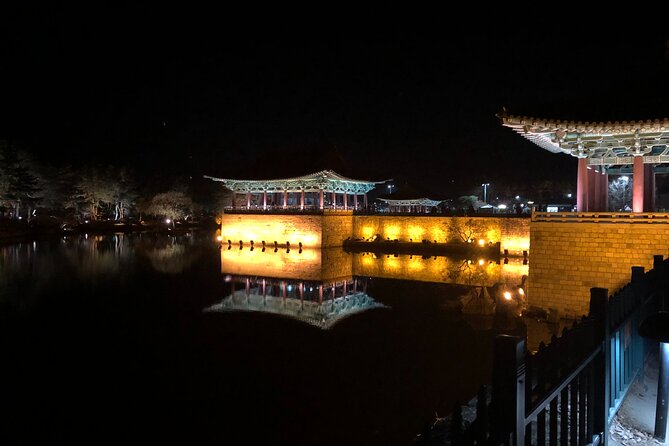
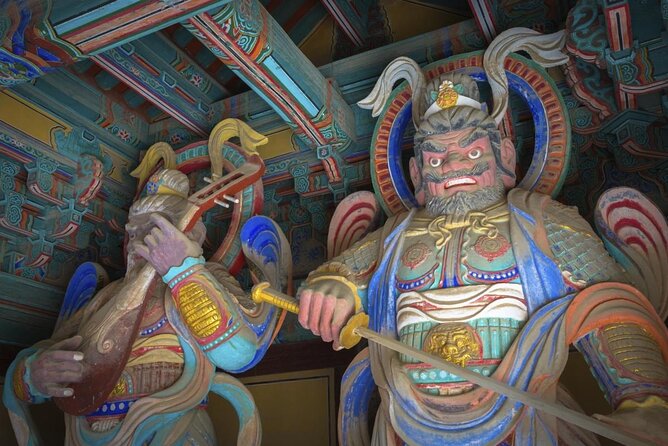
Bulguksa Temple is usually the emotional centerpiece of the day. The complex is one of Korea’s major Buddhist sites and is recognized as a UNESCO World Heritage Site. Its stone terraces, pagodas, gates, and carefully arranged courtyards give you a clear sense of Silla-era religious art and building skill.
You have about one hour here. That is enough to see the principal areas and hear the basic story, though a serious student of Korean architecture could easily want longer. The temple grounds reward a slow walk, so do not treat this as a quick photo stop.
A local guide can help you notice details that are easy to miss when you arrive alone. Ask about the temple’s Silla origins, the meaning of the stonework, and how the complex fits into Korean Buddhism. If your guide uses a translation app, short questions work best.
Bulguksa can be especially lovely when seasonal decorations are in place. One Korean-language review described visiting while the temple was decorated for Buddha’s Birthday. That sort of timing is not guaranteed, but it shows how the setting can change with the calendar.
The tour lists admission as free. Your main cost is the guide and transport, not a separate entrance charge. Wear shoes that are comfortable for walking and allow enough time to look beyond the main gate.
Seokguram and the quiet Buddha in the hills
Seokguram is located near Bulguksa, and combining the two saves considerable effort. This eighth-century Buddhist cave temple contains a famous Buddha image and is also part of Gyeongju’s UNESCO World Heritage heritage.
You get roughly one hour here. The visit has a different mood from Bulguksa. Bulguksa is an open temple complex with courtyards and rooflines. Seokguram is more about the sanctuary, the mountain setting, and the stillness of the stone Buddha.
The interior viewing area is controlled, so you should not expect to wander freely around the sculpture. The point is to approach the sacred space, see the central image, and understand why the site matters. The short walk and setting make practical footwear useful.
This is the stop most likely to feel special if you enjoy Buddhist art and quiet places. It is also the stop most affected by weather and visibility. The operator states that the experience requires good weather, and poor conditions can lead to a new date or a full refund.
Bomun Lake for a change of pace
After two important religious sites, Bomun Lake gives the schedule a breather. The lake is an artificial body of water in Gyeongju’s Bomun Tourist Complex, covering more than 2.6 square kilometers.
The planned stop is 30 minutes. That is not enough for a long walk around the water, and it is not intended to be. Think of it as a scenic pause, a chance to stretch your legs, and an opportunity to see a more modern side of Gyeongju.
This stop will matter more to you if you enjoy open views and a break from monuments. If you are focused strictly on ancient history, it may be the least essential part of the route. The schedule can sometimes be adjusted. One person staying near Bomun Lake asked to replace the lake visit with Woljeonggyo Bridge, and the change was accepted.
That flexibility is worth discussing before you start. Since the entire tour lasts about four hours, adding one stop usually means shortening another. Be clear about your priorities.
Same country, a completely different kind of day:
- Private Gyeongju Tour – Explore Gyeongju UNESCO Sites
★ 5.0 · 272 reviews - Busan: Gyeongju UNESCO Legacy Tour with National Museum
★ 5.0 · 172 reviews - Gyeongju: UNESCO Heritage Tour Including Bulguksa Temple
★ 4.8 · 104 reviews - Gyeongju UNESCO World Heritage Sites and History Full-Day Tour with Lunch
★ 5.0 · 104 reviews
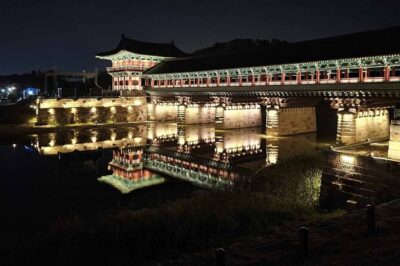
Woljeonggyo Bridge after sunset or in daylight
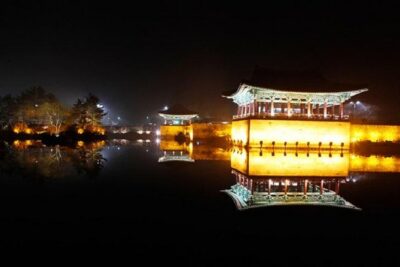
Woljeonggyo, also called Woljeong Bridge, is a historic bridge with important cultural and architectural links to Gyeongju’s past. The listed stop is 30 minutes, making it another quick visit rather than a long riverside outing.
The bridge gives you a different kind of photo opportunity from Bulguksa and Seokguram. Instead of stone temple terraces or a cave sanctuary, you see a large historic crossing with water and open space around it. If your schedule allows an evening visit, the bridge is also a popular place for illuminated views, though this tour begins at 10:00 am and the standard route is a daytime half-day outing.
Ask the guide to explain the bridge’s place in Gyeongju’s old capital. A translation app may take a little time, but the setting is easy to appreciate even when the conversation moves slowly.
If you are staying in Gyeongju for more than a day, Woljeonggyo is one of the stops you could revisit independently. The guide may also point out nearby places that are practical to reach on foot after the car tour.
Gyeongju National Museum and the Silla story
The Gyeongju National Museum is the final major stop and receives about one hour. This is where the scattered monuments begin to make more sense. The museum holds more than 160,000 artifacts connected with Gyeongju and the Silla Kingdom.
You can use this hour to see objects from the period represented by the temples and historic sites. The museum is especially useful if you want context rather than another scenic stop. After seeing Bulguksa’s architecture and hearing about Silla at the outdoor sites, museum displays can help connect the art, religion, and royal culture.
One hour is enough for a focused visit, not a complete examination of the collection. If museums are your priority, you might prefer to spend more time here and reduce the lake stop. Tell the guide early in the day if you want that kind of adjustment.
The museum also provides welcome shelter in hot, wet, or tiring weather. Since the tour moves at a fairly brisk pace, use your time carefully. Choose the sections that interest you most instead of trying to see every room.
The guide’s local touch
The strongest reason to book this outing is not simply the driving. It is having someone from Gyeongju connect the sites to the city he knows personally.
The guide can share local stories, recommend Korean food, and suggest places to visit after the tour. That advice is useful because Gyeongju rewards extra time. You may finish the four-hour route with a better idea of which areas deserve a return visit on foot.
The personal care described in the feedback is notable. One guide brought rice porridge and abalone to a sick husband who could not join the outing. Another took commemorative photos, and several people received help with planning the rest of their stay.
You should not book expecting a formal, perfectly scripted English tour. Instead, expect a kind local driver who explains things through a translation app when needed. Google Translate worked well for several people, and one person specifically suggested downloading Papago before the tour.
To make the communication smoother, prepare a short list of questions. You can also type names such as Silla, Bulguksa, and Seokguram rather than trying to explain a long question aloud. The guide’s willingness to communicate matters more here than polished spoken English.
Is $70.70 a fair price?
At $70.70 per person, this is not the cheapest way to see Gyeongju. But the price includes a four-hour car outing, local guidance, pickup service, and a maximum group of three. For two or three people, the cost can be reasonable when you consider the time saved and the difficulty of reaching Seokguram and the outlying sites independently.
The value is strongest for a short stay. If you have only one day in Gyeongju, the car lets you combine major sights that might otherwise require careful transport planning. It is also useful if you want hotel or restaurant pickup and a drop-off at another point in the city, such as the train station.
The value is weaker if you already have a car, enjoy public buses, or prefer to spend a full day at one temple or museum. You are paying for convenience and local help, not an extended archaeological tour.
The listed attractions show free admission, but confirm any changes at booking. The main benefit remains the compact route and the private-style service.
Timing, pickup, and practical details
The scheduled start is 10:00 am. Pickup begins in Noseo-dong, with the end point arranged anywhere in Gyeongju-si. Because the tour is limited to three people, confirm your exact pickup location clearly.
The experience is near public transportation, and most people can take part. Service animals are allowed. Still, the temples and cave site involve walking, so comfortable shoes are a sensible choice.
The tour requires good weather. If conditions force cancellation, you are offered another date or a full refund. If the minimum number of people is not met, the same options apply.
You can cancel for a full refund up to 24 hours before the start time. Changes or cancellations inside that 24-hour window are not accepted, so keep the local cut-off time in mind.
Traffic can affect the day, especially during major Korean holidays such as Chuseok. The guide may try to fit in as much as possible, but five stops in four hours leave little spare time. For a calmer experience, discuss which places matter most before departure.
Who should book this Gyeongju tour?
I would choose this tour if you have limited time, want to avoid transport puzzles, or prefer a small private outing to a large coach. It suits couples, friends, and a small family group who want the main cultural sights with room for personal questions.
It also works well as a first introduction to Gyeongju. After four hours, you will know which places deserve a longer return visit and what food or walking routes to seek out next.
I would hesitate if your main goal is detailed English commentary. The translation app is practical, but it is not the same as having a fluent specialist guide. I would also hesitate if you want long, unhurried visits, since the route gives each stop a fixed slice of the morning or afternoon.
Should you book it?
Book this tour if convenience, flexibility, and local contact matter more to you than formal English guiding. The electric car, three-person limit, hotel pickup, and access to sites spread around Gyeongju make the $70.70 price easier to justify.
Before booking, download Papago or Google Translate, identify your top two stops, and ask about the pickup point. If you accept the translation-app format, this is a useful and friendly way to get your bearings in Gyeongju without spending a full day in transit.
FAQ
How long does the Gyeongju car tour last?
The tour lasts approximately four hours, beginning at 10:00 am.
What places does the tour visit?
The planned route includes Bulguksa Temple, Seokguram, Bomun Lake, Woljeonggyo Bridge, and the Gyeongju National Museum.
How many people can join the tour?
The maximum group size is three people.
Is pickup available?
Yes. Pickup is offered in Gyeongju, beginning from the Noseo-dong area, and the end point can be arranged anywhere in Gyeongju-si.
Does the guide speak English?
Some guides have limited English and use Google Translate or another translation app to communicate. Downloading Papago or Google Translate before the tour may help.
Can I cancel for a full refund?
Yes. You can cancel at least 24 hours before the start time for a full refund. Cancellations or changes made less than 24 hours before the tour are not accepted.
Just added around Gyeongju
- Private World Heritage Gyeongju Taxi Tour★ 5.0 · 12 reviews
- Gyeongju: Private Car Charter Taxi Tour★ 5.0 · 37 reviews
- From Daegu: Gyeongju UNESCO Tour 7 Highlights with Bulguksa★ 4.6 · 5 reviews
- From Busan: Gyeongju Small Group Photo Tour & Hotel Pick-up★ 5.0 · 3 reviews
- From Busan: Busan & Gyeongju One Day Tour★ 5.0 · 5 reviews
- Busan: 7 Highlights Gyeongju City One Day Tour★ 4.9 · 10 reviews
- Full day Private Gyeongju UNESCO Heritage Tour : a glimpse into Silla★ 5.0 · 60 reviews
- Gyeongju: Private Car Tour with a Licensed Tour Guide★ 5.0 · 85 reviews
Gyeongju Tours, compared.
Gyeongju UNESCO Legacy Tour with National Museum
Read our review →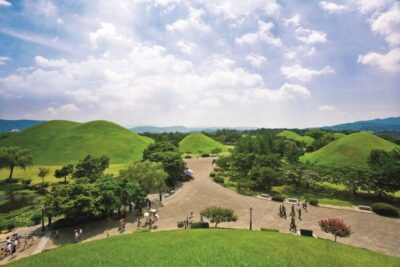
UNESCO Heritage Tour Including Bulguksa Temple
Read our review →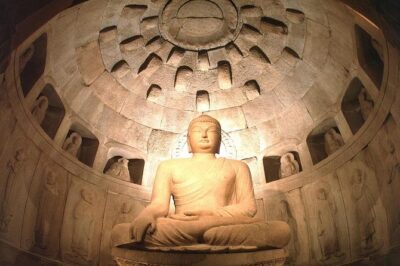
Gyeongju UNESCO World Heritage Sites and History Full-Day Tour with Lunch
Read our review →
Full day Private Gyeongju UNESCO Heritage Tour : a glimpse into Silla
Read our review →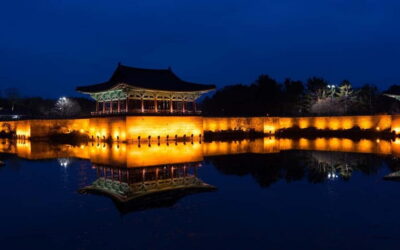
Browse the lists this tour appears in