
Reviewed · WALKING TOURS
Real Busan Walking Experience
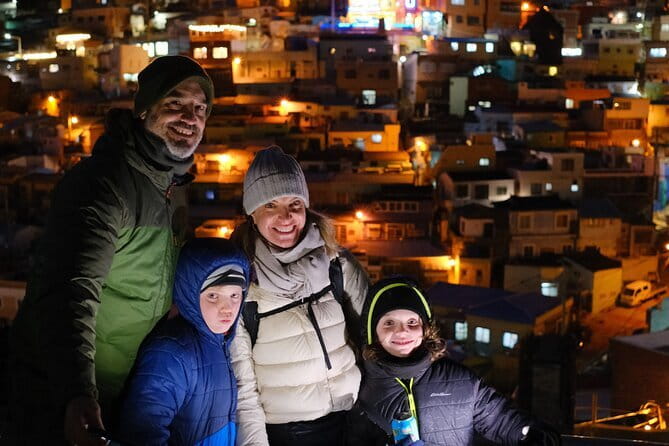
Busan reveals itself best on foot, one steep lane, market stall, and sea view at a time. This five-hour private outing with local guide Joe links major sights with everyday places, then adds stories about refugees, haenyeo divers, the Korean War, and modern Busan.
I like the local food stop, where you can buy lunch at a market for about 10,000 Korean won, and the practical photo help. Joe takes pictures and videos with his camera and phone, so you can focus on looking around. I also like the flexible plan, especially for cruise passengers or anyone who has already seen the standard sights.
The catch is simple: this is a real walking day, with stairs and plenty of time on your feet. You also pay for lunch and local transport, usually one taxi and one bus. If you want a polished coach tour with little effort, choose something else. If you want Busan explained by a local who likes to joke, this is a strong choice.
Key points at a glance
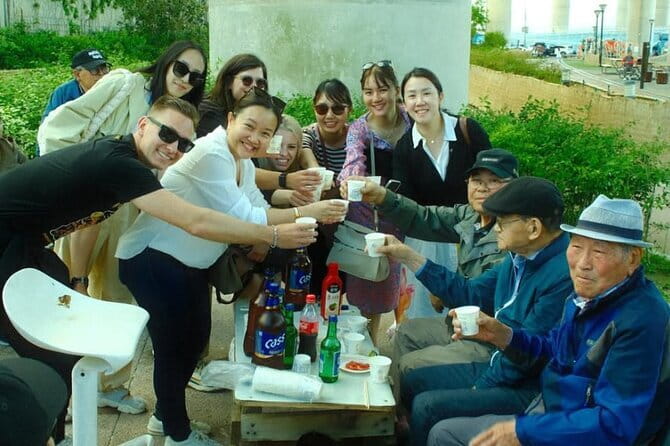
- Joe brings local context and comic timing: Ask him about Korean culture, Busan life, the war years, or daily customs, and expect a few jokes along the way.
- The route connects five very different places: Yeongdo, Huin Yeoulgil, Gamcheon Culture Village, Jagalchi Market, and Bupyeong Kkangtong Market each show a different side of the city.
- Plan for stairs and a lot of walking: The route is active rather than leisurely, though the pace can be shaped around your group.
- Lunch is your responsibility: Set aside about 10,000 won and bring cash for local food at a market.
- The tour is private: Only your group takes part, which makes questions, photo stops, and route changes easier.
- Cruise passengers have useful flexibility: The schedule can be adjusted to suit a ship’s docking time if arranged in advance.
Why this Busan walk feels different
Many city tours move from one famous stop to another and leave the spaces between them unexplained. This experience uses those spaces as part of the lesson. You travel through Busan’s neighborhoods, connect old events with present-day streets, and see how the city’s geography shaped its people.
Joe is a Busan native with a strong interest in Korean culture and local life. He is also a stand-up comedian, so the tone is informal. You can ask direct questions, and the day is designed to feel like an outing with a funny, well-prepared local friend rather than a formal lecture.
That approach matters in Busan. The city’s story includes Japanese colonial rule, the Korean War, refugee communities, working women, markets, and rapid growth. Joe brings these subjects into the places where they make sense. At Yeongdo, the war years are tied to the bridge and harbor. At Huin Yeoulgil, refugee life and female divers help explain the neighborhood. At the markets, food and trade become part of the history.
The outing lasts about five hours and begins at 11:00 a.m. at 2 Jungang-daero in Jung-gu. It ends back at the same meeting point. Since it is private, your group does not have to share the day with strangers, and you can ask for a different plan if you have already visited the listed sights.
A few more Busan trips to weigh up
- Busan: Haeundae 100-Minute Walking Tour
★ 5.0 · 48 reviews - Busan Private Walking Tour with a Local
★ 4.5 · 11 reviews - Busan: Jagalchi Market & Gamcheon village Walking Tour
★ 5.0 · 7 reviews
Yeongdodaegyo Bridge and Busan’s wartime story
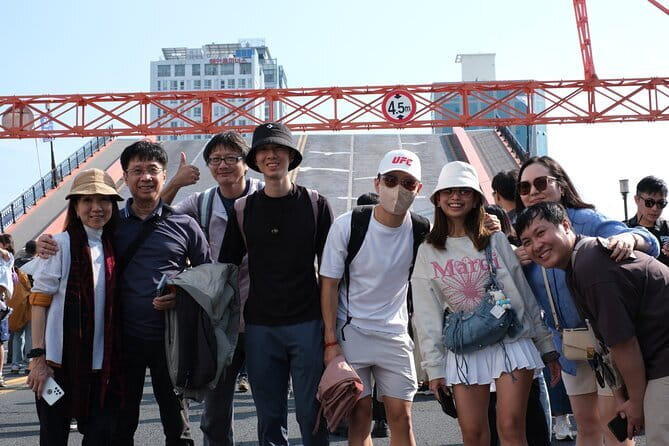
The first stop is Yeongdodaegyo Bridge, where you spend about an hour. Admission is free, but the value here comes from the explanation and the setting. Joe discusses the Japanese colonial period and the Korean War while using the bridge and surrounding views as a backdrop for photos.
This is a useful opening because it gives you a basic timeline before the tour moves into the hillside communities. Busan was a key refuge during the Korean War, and that story is not treated as an abstract chapter in a textbook. You begin to see how the port, bridges, hills, and crowded neighborhoods relate to the city’s past.
The stop also sets the rhythm for the day. You listen, ask questions, walk, and pause for photos. Joe uses both a camera and phone to take pictures and videos for you. That is a practical bonus for couples or small groups who want a record of the day without handing a camera to strangers at every stop.
Do not expect an admission-ticket attraction here. The bridge is a public setting, and the appeal comes from the views, the stories, and the chance to get your bearings in central Busan.
Huin Yeoulgil, refugee homes above the water
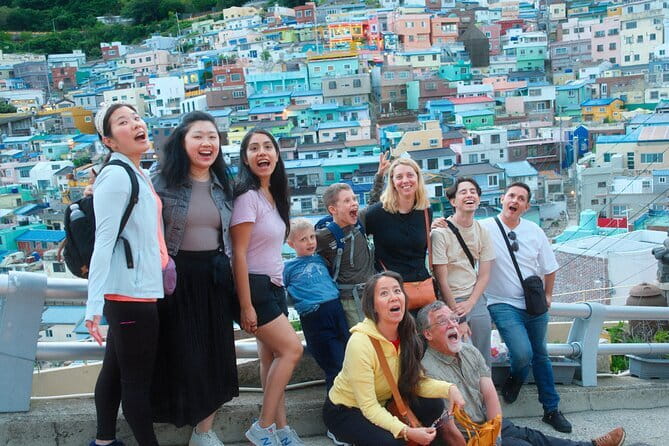
Next comes Huin Yeoulgil, also called Huin Yeoul Culture Village, with about an hour devoted to the area. This stop shifts the focus from broad events to ordinary lives.
Joe explains how refugees forced to flee to Busan during the Korean War lived in this part of Yeongdo. He also talks about Yeongdo haenyeo, the female divers connected with the island and its coastal culture, along with the daily life of local residents.
That combination gives the stop a wider purpose. You are not only looking at painted walls or scenic lanes. You are learning how people made homes and livelihoods in a difficult setting. The village’s position above the water also makes it a good place for photos, and Joe knows how to use the setting without turning the visit into a quick photo queue.
You should be ready for uneven walking and stairs. The itinerary is built around moving through hillside areas, and one person specifically praised the amount of walking and the stairs. That will appeal to you if you like active sightseeing, but it may be tiring if you have limited mobility or prefer flat paths.
The hour here should feel more personal than a short photo stop. Use it to ask Joe about Busan families, the war years, Korean customs, and how old neighborhood life fits with the city you see today.
Gamcheon Culture Village, color and memory on the hills
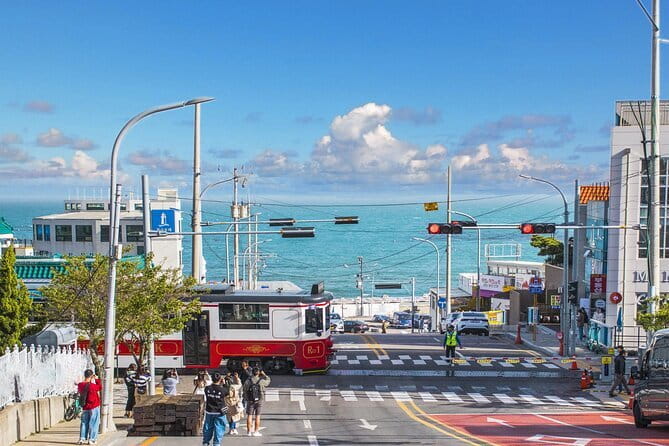
The longest stop is Gamcheon Culture Village, where you spend about 90 minutes. It is the most recognizable place on the route, with steep lanes, tightly packed homes, and wide views across the hills.
Gamcheon is often treated as a place to snap a few pictures and leave. Joe adds context about the memories and history held in the village, then gives you time to enjoy the scenery and ask questions. His local perspective helps connect the visual appeal with the people who lived and still live among these lanes.
This is also one of the best places to make use of the photo service. The village offers many backdrops, but the narrow streets and slopes can make it awkward to arrange group pictures. Joe takes plenty of photos and videos during the day, sharing them afterward, so you can pay attention to the surroundings.
The trade-off is crowding and physical effort at popular viewpoints, though the supplied details do not promise a quiet route or specify how busy the village will be on your date. You should simply expect an active stop with stairs and uphill movement.
Ninety minutes gives you enough time to see more than one viewpoint, but it is not a slow, half-day exploration of every lane. If Gamcheon is your main goal, you may want to return on your own later. Here, it works as one chapter in a larger story about Busan’s refugee communities and hillside neighborhoods.
Same country, a completely different kind of day:
- Busan: Gyeongju Guided Day Trip to Three Kingdoms Capital
★ 4.8 · 1,925 reviews - Small Group Full Day Busan Tour (Max 6 Pax)
★ 5.0 · 1,464 reviews - From Busan: Gyeongju UNESCO World Heritage Guided Day Tour
★ 4.8 · 1,250 reviews - Busan Private Tour with licensed tour guide + private vehicle
★ 5.0 · 1,143 reviews
Jagalchi Market, where Busan meets the sea

Jagalchi Market takes about an hour and brings you into Busan’s best-known seafood setting. It is the city’s largest seafood market, with stalls, vendors, and seafood prepared on the spot.
This is where a guide can make the difference between looking at unfamiliar food and understanding what you are seeing. Joe can show you local food and help you choose lunch, but the meal is not included. Plan on about 10,000 won and carry cash.
The market is not presented as a staged cultural show. You see the trade, the vendors, and the food that supports a port city. You can interact with local sellers and watch seafood being handled and prepared. If you enjoy markets, this may be one of the most memorable parts of the day. If seafood is not your thing, tell Joe early and ask what other local food options might fit the route.
The one-hour window is sensible for a first visit. It gives you time to look around and eat without allowing the market stop to consume the rest of the afternoon. Prices and food choices can vary, so treat the 10,000 won figure as a useful guide rather than a fixed menu price.
Bupyeong Kkangtong Market and a final taste of local trade
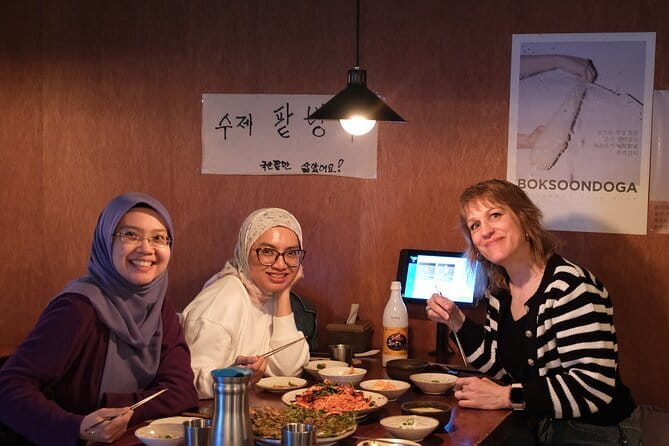
The last listed stop is Bupyeong Kkangtong Market, visited for about 30 minutes. It is also linked with Gukje Market and is known for goods and street food.
The market’s story reaches back to the Korean War, when refugees sold imported canned goods. That detail gives the name and trading culture a human connection. You are seeing a place shaped by necessity, commerce, and the practical work of rebuilding life.
Thirty minutes is enough for a quick walk and perhaps a final snack, but it is not enough for a full market crawl. If you are especially interested in street food or shopping, ask Joe if the timing can be adjusted. The route is private, and alternative arrangements may be possible, though no specific replacement schedule is guaranteed.
Ending here gives the tour a good change of pace. Jagalchi focuses on seafood and the port. Bupyeong Kkangtong offers another view of Busan’s food and market culture, with more emphasis on goods, snacks, and the city’s postwar trading past.
Walking, transport, and the shape of the day
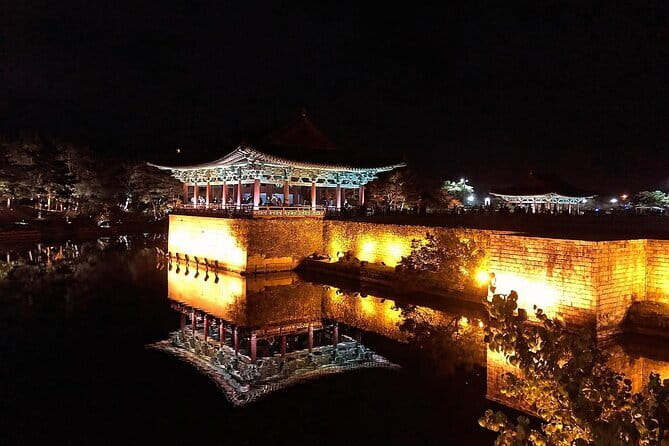
Despite the title, this is not five hours of uninterrupted walking. The tour uses local transport, usually one taxi and one bus, and you pay those costs separately. The guide is included, but private transportation is not.
That arrangement keeps the day closer to ordinary Busan life and may help you reach several neighborhoods without paying for a private vehicle. It also means you should allow a little patience for city movement, boarding, and changes between districts.
Wear comfortable shoes and expect stairs. The route includes hillside villages, and the walking is a central part of the experience rather than a minor detail. Most people can participate, but the supplied information does not promise wheelchair access or a step-free route.
The 11:00 a.m. start suits a morning arrival or a relaxed first half of the day. Cruise passengers should contact the provider in advance, since the schedule can be adjusted to match docking time. A full-day version is also possible by prior arrangement.
The activity is near public transportation and ends where it begins, at 2 Jungang-daero, Jung-gu. You receive confirmation when booking, and the ticket is mobile, so there is no need to print a paper voucher.
Is $75 good value for Busan?
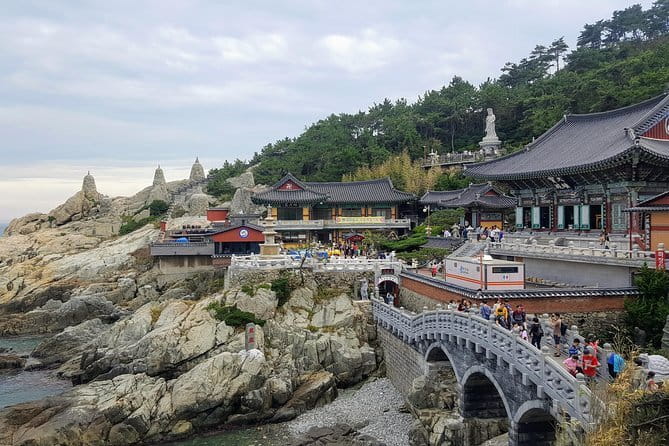
At $75 per person, the price is reasonable if you want a private guide for five hours and plan to ask plenty of questions. You are paying for Joe’s time, route planning, local explanations, photo and video help, and the convenience of joining several major places in one day.
The price does not cover lunch or transportation. Add about 10,000 won for market food, plus the cost of the taxi and bus. Those extras are modest, but you should budget for them instead of treating the $75 as the full cost.
The value improves for a small group. A private tour lets you share the guide’s time with only your own party, and the route can be adjusted if you have already seen Gamcheon, Jagalchi, or another listed stop. You also have more freedom to ask about topics that interest you.
The price is less attractive if you only want transport between attractions or a quick introduction to Busan. You can visit public markets and villages without an admission fee. The main purchase here is interpretation, companionship, and a thoughtfully connected day.
The experience is recommended by all 27 recorded ratings, with an overall five-star score. The most consistent praise centers on Joe’s humor, English fluency, Busan background, patience with questions, photo help, and ability to explain Korean culture and history. One four-star rating still liked the friendly, local approach, which is a useful reminder that this is not a formal, polished sightseeing production.
Who should book this experience?
I would choose this tour if you want to understand Busan beyond its postcard views. It suits first-time visitors who want the major villages and markets, but it can also work for repeat visitors because Joe can suggest other areas when you have already seen the standard route.
It is a particularly good fit for couples, families, and small groups who enjoy conversation and do not mind a full afternoon on foot. It also suits cruise passengers who need a guide willing to work around a ship schedule.
You may want to skip it if you dislike stairs, prefer a large group with a fixed script, or want all costs included in advance. The jokes are part of Joe’s style, so people seeking a quiet, formal history lesson may find the tone too casual.
Cancellation is free up to 24 hours before the 11:00 a.m. start. Inside that window, the cost is not refunded and changes are not accepted.
Final call: choose the local route
Book this experience if your idea of a good Busan day includes markets, hillside neighborhoods, wartime stories, local food, and a guide who can answer questions without sounding stiff. Joe’s mix of local knowledge, humor, English fluency, and photo help gives the tour a personal edge.
Before you reserve, be honest about your walking ability and set aside cash for lunch and transport. If you do that, this is a well-shaped way to meet Busan through its people and neighborhoods, not only its famous viewpoints.
FAQ
Where does the Busan walking experience begin?
It begins at 2 Jungang-daero, Jung-gu, Busan, South Korea.
What time does the tour start?
The scheduled start time is 11:00 a.m.
Where does the experience end?
The activity ends back at the meeting point.
How long does the experience last?
The tour lasts approximately five hours.
Is this a private activity?
Yes. Only your group participates in the activity.
Is lunch included?
No. Lunch is not included. The guide will show you local food, and you should bring cash. Lunch costs approximately 10,000 Korean won.
Are transportation costs included?
No. Private transportation is not included. The usual plan includes one taxi and one bus, which you pay for separately.
Which places are visited?
The route typically includes Yeongdo and Yeongdodaegyo Bridge, Huin Yeoulgil, Gamcheon Culture Village, Jagalchi Market, and Bupyeong Kkangtong Market.
Can the route change if I have already visited these places?
Yes. The guide can explore other places instead if you have already visited the listed locations.
Can cruise passengers join the experience?
Yes. The schedule can be adjusted to match cruise docking time if arranged in advance.
Just added around Busan
- 7 Highlights Gyeongju City One Day Small Group Tour from Busan★ 5.0 · 24 reviews
- Full Day Private car tour to UNESCO Gyeongju&Yangdong village★ 5.0 · 5 reviews
- Suncheon and Yeosu Daily Private Tour with Pickup Service★ 5.0 · 3 reviews
- Visit Busan night market and enjoy the night view of Busan harbor★ 5.0 · 6 reviews
- Busan Highlights Shore Tour – Cruise Return Assured★ 4.5 · 34 reviews
- Suncheon one day tour from Seoul, Busan or Suncheon★ 5.0 · 3 reviews
- Busan Beomeosa Temple & Hongbeopsa Temple with temple lunch★ 5.0 · 11 reviews
- Busan Seafood Tour : Oyster village Tour with Oyster cuisines★ 5.0 · 3 reviews
Walking Tours, compared.
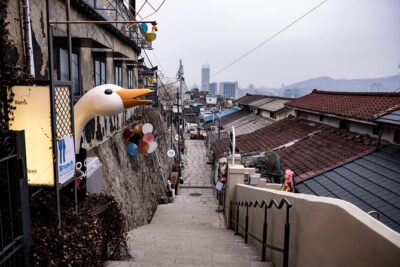
Seoul moonlight walking tour with local historian
Read our review →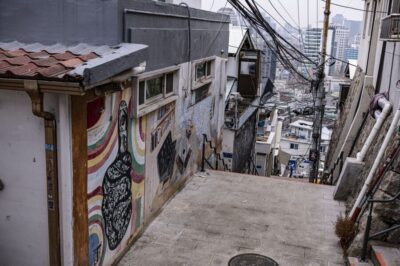
Evening Dark History, Folklore & Ghost Story Walking Tour
Read our review →
Dark Side of the City and Ghost Stories Walking Tour
Read our review →
Gangnam Walking Tour on Youth and Society in Seoul Korea
Read our review →
Gyeongbok Palace and Bukchon Hanok Walking Tour
Read our review →
Best Walking Tour to Gyeongbok Palace Bukchon Hanok Village
Read our review →
Highlights & Hidden Gems With Locals: Best of Seoul Private Walking Tour
Read our review →Browse the lists this tour appears in