
Reviewed · UNESCO WORLD HERITAGE TOURS
Andong: UNESCO Sites, Mask Dance, and Secret Garden & Bridge
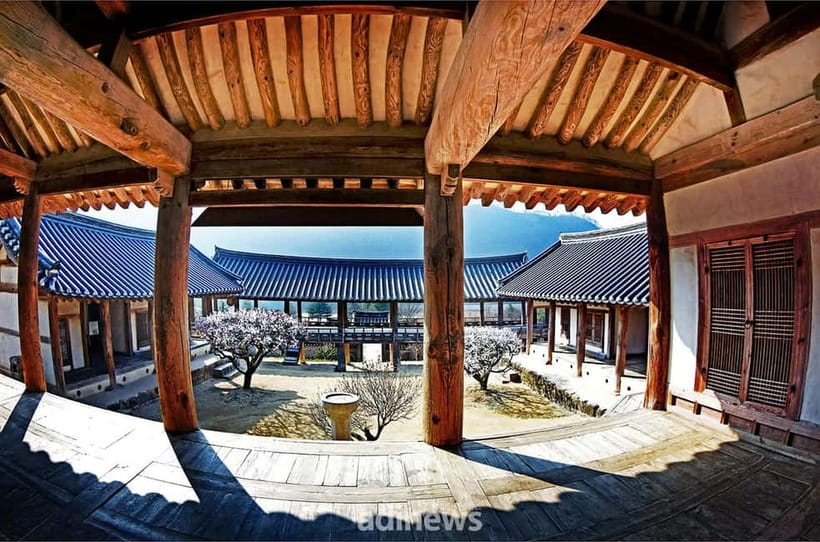
Andong gives you a side of South Korea that feels far removed from Seoul’s busy streets. This private day tour links Bongjeongsa Temple, Byeongsan Seowon, and Hahoe Folk Village with a mask dance, river views, and a stop at Wolyeonggyo Bridge. It is a full day of old wooden buildings, Buddhist calm, Confucian ideas, and local stories.
I especially like the mix of major cultural sites and quieter places such as Buyongdae Observatory, where the Nakdong River curves through the hills. I also like the practical care built into the day: guide Greg has been praised for clear explanations, careful organization, bottled water, and snacks.
The main drawback is the pace. Eight hours covers a lot of ground, and you will walk often, sometimes outdoors in changing weather. The mask dance does not run on Mondays, and the bridge visit may require extra time or an advance overtime booking if you want to stay for the full night view.
Five details that shape the day
- Bongjeongsa Temple: Visit one of Korea’s oldest wooden temple sites in a quiet mountain setting.
- Byeongsan Seowon: See a Joseon Dynasty academy built for study, moral training, and public service.
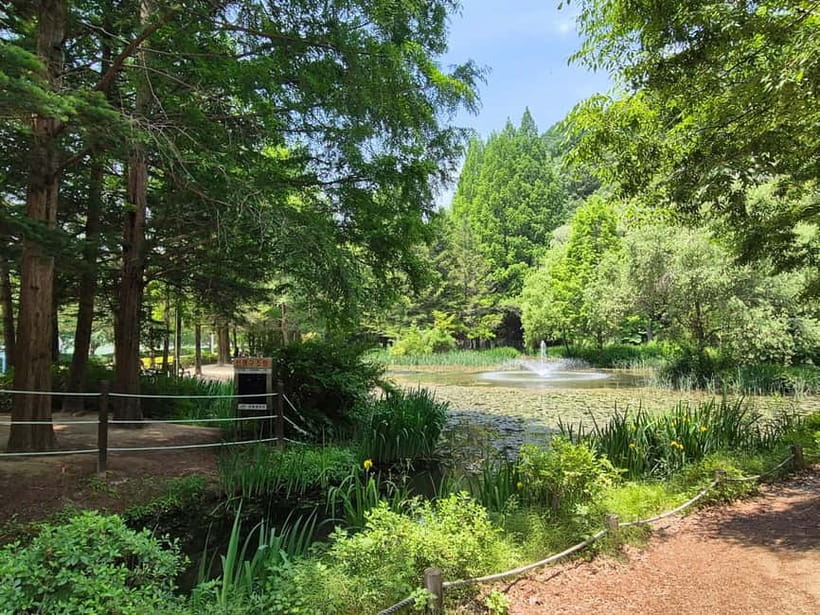
- Buyongdae views: Look down over the Nakdong River and Hahoe area from a scenic hilltop.
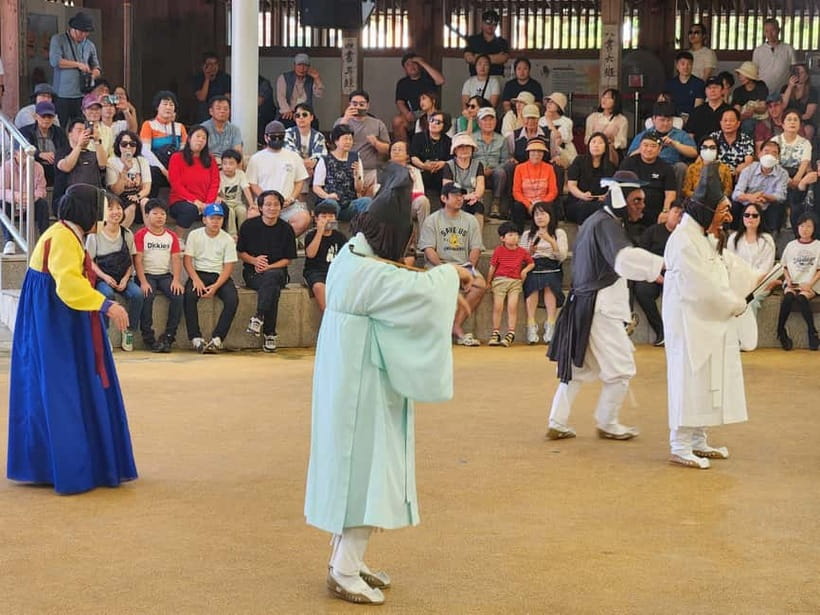
- Hahoe mask dance: Watch Hahoe Byeolsin Gut Talnori, except on Mondays.
- Private transport: A van, guide, and pickup make this wide-ranging route practical without your own car.
Why Andong deserves a full day
Andong is one of the best places in South Korea to connect buildings with the ideas that shaped them. Buddhism, Confucian education, village customs, folk theater, family loyalty, and old rural life all appear in one outing.
That variety is the real strength here. You are not spending eight hours looking at similar gates and courtyards. A temple offers quiet reflection. A seowon shows how scholars lived and studied. A viewpoint puts the river and village into context. Hahoe adds food, crafts, village lanes, and performance.
The route also makes sense geographically, even though the stops are spread out. Private transport saves you from piecing together local buses or arranging several taxi rides. One German visitor found the route difficult to do without a private vehicle, which is a useful point for independent visitors planning an Andong day trip.
The group price is $401 for up to five people. For one person, that is expensive. For a full group, it works out to about $80 per person before considering the convenience of a private van, an English or Korean speaking guide, pickup, and a long list of admission stops. Families with older children, couples traveling with friends, and small groups who value time will get the best value.
More UNESCO World Heritage Tours in South Korea:
- From Busan: Gyeongju UNESCO World Heritage Guided Day Tour
★ 4.8 · 1,250 reviews - Jeju: Eastern Jeju UNESCO Spots Day Tour
★ 4.9 · 1,148 reviews - East Jeju Essentials – Seongsan Ilchulbong (UNESCO) & Haenyeo
★ 5.0 · 939 reviews
Bongjeongsa Temple and the quiet start
The day begins with pickup around Gyeongdong-ro. You can meet at Andong train station or the bus terminal, or arrange pickup in a nearby hotel lobby. A yellow hand-shaped sign helps you find the guide, and WhatsApp can be used to recognize each other before meeting.
The first drive takes about 30 minutes, followed by roughly 80 minutes at Bongjeongsa Temple. This is a generous amount of time for a guided visit, photographs, and an unhurried walk through the grounds.
Bongjeongsa is known for one of Korea’s oldest surviving wooden structures. Its importance is not only architectural. The setting helps you understand why Buddhist sites were often placed away from crowded settlements, where forest, slope, and silence became part of the religious experience.
Look closely at the woodwork, rooflines, courtyards, and the way the buildings sit within the natural setting. You do not need to be an expert in Buddhist architecture to enjoy the visit. A good guide can point out what your eye might otherwise miss, and Greg’s explanations are a major part of the value here.
Wear shoes with a firm sole. The tour involves walking, and outdoor temple grounds may include uneven paths or steps. Bring water, sunscreen, and a camera, while keeping your voice low and showing care around active religious spaces.
Byeongsan Seowon, where study met scenery
After another drive of about 30 minutes, you reach Byeongsan Seowon for around 70 minutes. The site was a Confucian academy during the Joseon Dynasty, a period when education and moral conduct were closely linked to government and social life.
A seowon was not simply a school in the modern sense. It was a place where scholars studied classical texts, shaped personal conduct, honored respected teachers, and prepared themselves to serve society. The buildings and courtyards reflect this ordered way of life.
At Byeongsan Seowon, the surrounding hills and open views are part of the visit. The academy feels designed for concentration rather than display. You can look at the lecture spaces, study areas, memorial features, and the arrangement of the compound while your guide explains how the institution worked.
This stop is especially useful if you want more than pretty photographs. Hahoe Folk Village shows lived tradition, while Byeongsan Seowon shows the intellectual world of the Joseon elite. Together, they give the day more depth.
The schedule allows a break, guided sightseeing, and free time for photographs. Wildlife viewing is also listed as a possible part of the stop, though you should treat that as a possibility rather than a planned sighting.
Buyongdae and the Nakdong River below
A short 10-minute van ride brings you to Buyongdae Observatory. You have about an hour here, including free time and a guided visit.
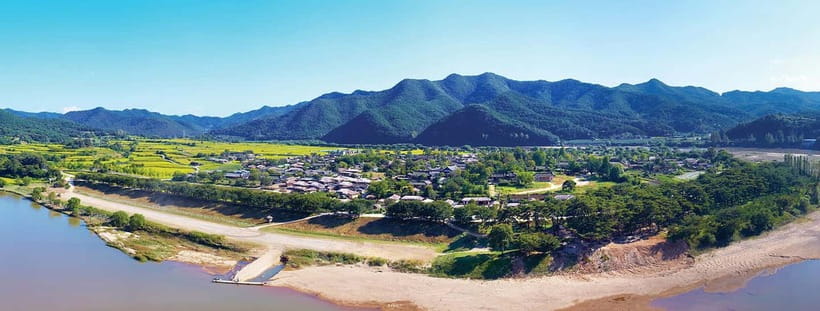
Buyongdae is valuable because it lets you see the wider setting. From above, the Nakdong River and surrounding mountains form the backdrop to Hahoe and its traditional buildings. The viewpoint turns a collection of separate attractions into one connected place.
Take time to look beyond the obvious photo. Notice the river’s broad curve, the wooded slopes, and the way the village sits within the river bend. The view is also a useful pause between formal heritage sites and the more active afternoon in Hahoe.
This is an outdoor stop, so weather matters. On a clear day, it may be one of the most memorable parts of the tour. In rain, heat, or low visibility, the experience will be less rewarding. Good shoes are important here, and people with mobility limitations should know that the day is not designed for them.
Same country, a completely different kind of day:
- Best DMZ Tour Korea from Seoul (Red Suspension Bridge Optional)
★ 5.0 · 41,422 reviews - DMZ Tour: 3rd Tunnel, Option(Suspension Bridge, Boat) from Seoul
★ 5.0 · 21,373 reviews - DMZ tour south Korea from Seoul (NK experience hall, defector)
★ 5.0 · 20,599 reviews - DMZ Insider Tour: 3rd Tunnel, NK Defector Meet & Red Bridge
★ 4.9 · 15,214 reviews
Lunch and the Hahoe mask dance
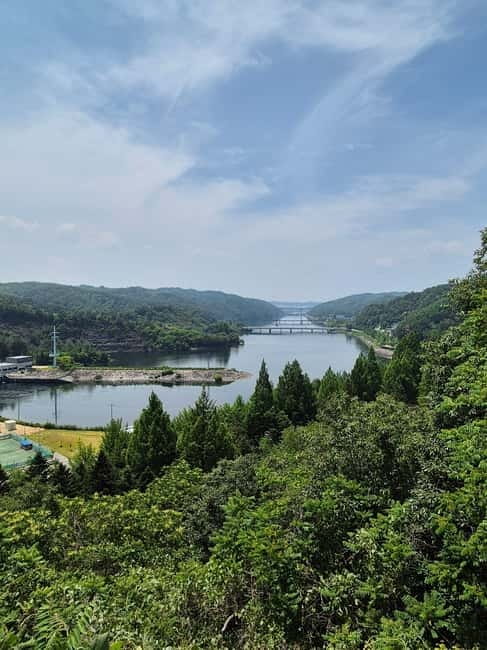
The Hahoe section lasts about two hours and combines food, performance, village sightseeing, local snacks, shopping, and craft stalls. A traditional Korean lunch is included in the day’s flow, though the supplied details do not specify the exact menu.
The central performance is Hahoe Byeolsin Gut Talnori. This mask dance grew from the shamanistic beliefs of Hahoe Village and uses masks, music, movement, humor, and social characters to tell its story. It is not just a stage show added for tourists. It reflects a local folk tradition in which ordinary people could comment on society and human behavior through performance.
Pay attention to the masks. Their exaggerated features help make each character clear from a distance, while the music and movement give the performance its force. Even if you do not understand every word, the gestures and character types make the action accessible.
There is no mask dance performance on Mondays. The performance runs on the other days, but exact timing is important because the outing also includes several village sites and the evening bridge stop. Confirm the schedule before booking if the dance is one of your main reasons for visiting Andong.
Hahoe also has a second traditional event, the Seonyu Jullbul play. This is associated with the noble class and has been held every other Saturday from summer to fall starting in 2025 because of its popularity. It takes place late in the evening and requires an advance reservation plus an additional fee. It is not part of the standard eight-hour timing, so do not assume that the regular tour automatically includes it.
Hahoe Folk Village beyond the main street
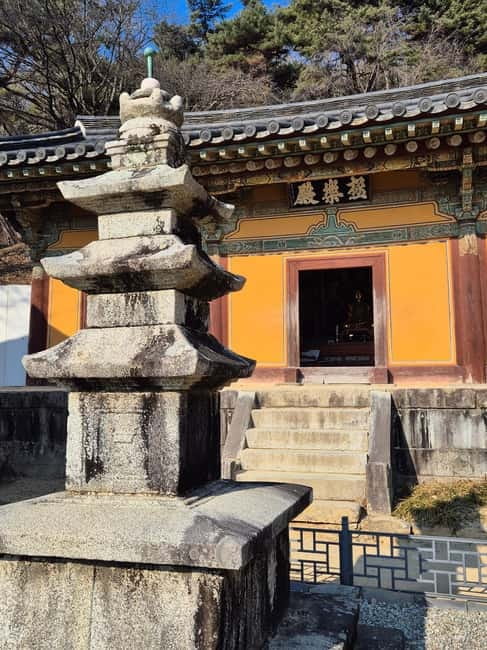
Hahoe Folk Village is more than a quick photo stop. Its historical importance comes from the way traditional homes, family compounds, wooded areas, and village customs remain tied to the site.
The tour includes places such as Yangjindang, Chungyodang, Mansongjeong, and the World Mask Museum. Each adds a different layer. Family buildings help explain how prominent households lived. The wooded area and village paths show the relationship between settlement and nature. The museum connects Hahoe’s masks with mask traditions from other parts of the world.
You will have some free time here, which matters. A guide can explain the main sites, but you should also leave room to walk at your own pace, browse crafts, and try local snacks. The village is best approached slowly. Look at roof shapes, walls, gates, and the scale of the lanes rather than rushing from one named building to the next.
Hwachun Seowon and Okyeonjeongsa add further historical interest. Okyeonjeongsa is associated with the writing of Jingbirok, a famous work connected with the Imjin War. This detail gives the day a direct link to Korean political and military history, not just architecture and folklore.
Because Hahoe covers open ground, bring sunscreen and dress for the forecast. Photography is allowed, but treat homes, religious sites, performances, and local people with respect.
Wolyeonggyo Bridge and the limits of an eight-hour day
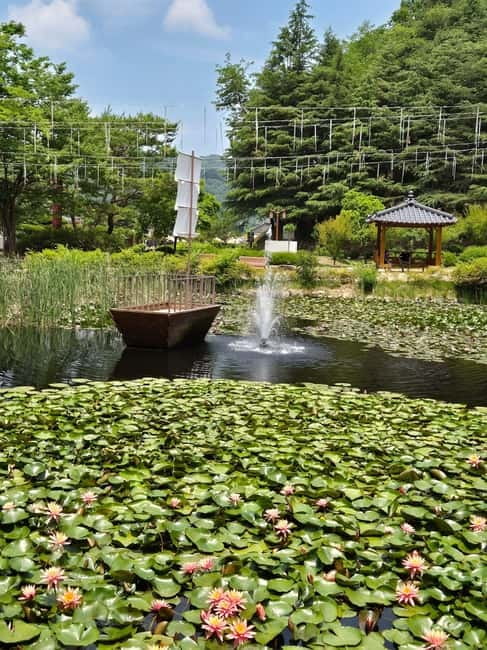
The final major stop is Wolyeonggyo Bridge, reached after about 20 minutes in the van. The scheduled visit lasts around 90 minutes and can include dinner, regional food, local snacks, sunset, photographs, and free walking time.
Wolyeonggyo is known for its night view and for the story behind its construction, which honors the love of Woni’s mother. That story gives the bridge more meaning than a simple illuminated walkway. It is a place where local memory, family devotion, and the evening view come together.
The key phrase is when timing allows. The standard tour cannot stay late into the evening, so you may see sunset or early evening rather than the full display of lights. If the night view is essential, reserve overtime in advance and expect an additional fee.
This is one of the few points where the tour’s broad coverage works against it. By the time you reach the bridge, you have already visited several major sites. A short evening stop can be satisfying, but it may not provide the leisurely night walk you imagined. If you want a long stay under the lights, ask about extending the day before you finalize the booking.
Guide style, transport, and physical demands
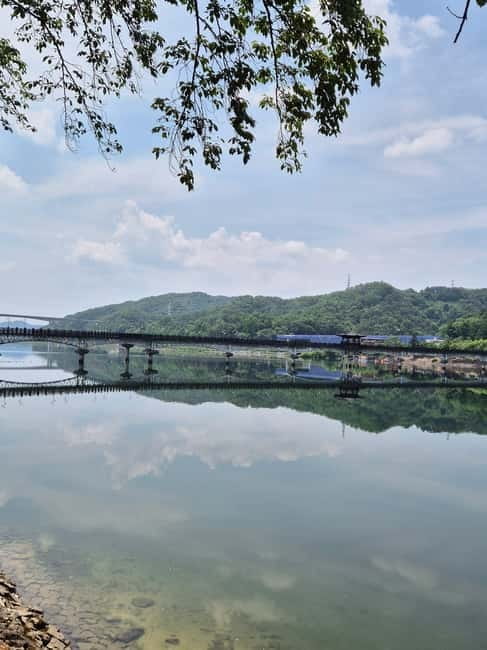
The tour is private for your group, with English and Korean guiding. Greg is the guide named for this experience, and his role goes beyond transferring you between sites. He explains the cultural background, keeps the day organized, and helps with small practical needs.
Bottled water and a snack bag have been appreciated details. They matter on a route with several walks and no single long restaurant break. Still, carry your own water if you drink a lot, especially in warm weather.
The van rides are generally short, around 10 to 30 minutes between stops. That makes the day easier than using public transport, but the total walking remains substantial. The activity is not suitable for children under five or people with mobility impairments.
I would choose comfortable walking shoes over stylish but thin footwear. Add sun protection, weather-appropriate clothing, and a camera. Smoking and pets are not allowed.
What the $401 group price really buys
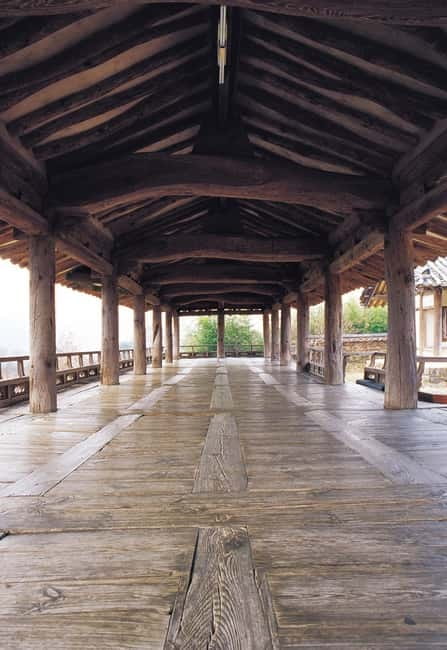
At $401 for up to five people, the strongest value is the private transport and guide. Andong’s main cultural sites are not arranged for an easy one-line public transit route. A private van lets you cover Bongjeongsa, Byeongsan Seowon, Buyongdae, Hahoe, and Wolyeonggyo in one day.
The price is harder to justify for a solo visitor. If you are traveling alone and comfortable planning buses, taxis, meals, and opening times, an independent visit may cost less, though it will take more preparation and may cover fewer places.
For four or five people, the arithmetic becomes much better. You also get a flexible private setting instead of sharing the day with a large group. That is useful when you want more explanation at one site, extra photo time, or help adjusting the pace.
Traditional Korean tea, an organic foot bath, and a gua sha experience are not included. They should not be treated as part of the cultural tour unless arranged separately.
Who should book this Andong tour?
Book it if you want a broad introduction to Andong and prefer cultural explanation over free-form wandering. It suits adults, families with older children, and small groups who want to see several UNESCO-related sites without renting a car.
It is also a good fit if the Hahoe mask dance is high on your list, provided you avoid Monday. The combination of performance, village streets, lunch, and museum time gives you more than a quick heritage-site visit.
Think twice if you want a slow day at one temple or a long evening at Wolyeonggyo Bridge. The route is full, and the regular timing may not allow a late night view. People with mobility concerns should also choose another plan.
You can cancel up to 24 hours ahead for a full refund, and reserve now while paying later. Those terms make it easier to hold a date while you confirm the mask dance schedule and, if needed, request extra evening time.
FAQ
How long does the Andong tour last?
The tour lasts eight hours, including transportation between the main stops.
What is the tour price?
The price is $401 for a private group of up to five people.
Where can pickup take place?
Pickup is available around Gyeongdong-ro, at Andong train station or the bus terminal, and in nearby hotel lobbies. A yellow hand-shaped sign is used for meeting, and WhatsApp can help with recognition before pickup.
Is the tour private?
Yes. It is arranged for a private group rather than a shared group.
Which languages are available?
Live guiding is available in English and Korean.
Does the tour include the Hahoe mask dance?
Yes, Hahoe Byeolsin Gut Talnori is included, but there is no mask dance performance on Mondays.
Can I see the Seonyu Jullbul play?
You can attend it only with advance reservation and an additional fee. The event is held every other Saturday from summer to fall starting in 2025, and it runs late into the evening.
Is Wolyeonggyo Bridge guaranteed?
The visit is included if possible, but the standard tour cannot stay late into the evening. Arrange overtime in advance if you want more time for the night view.
What should I bring?
Bring comfortable shoes, a camera, sunscreen, and water. Dress for the weather because several parts of the tour take place outdoors.
Should you book it?
I would book this tour if you have one day for Andong and want the practical ease of a private vehicle. Its best features are the range of sites, Greg’s attentive guiding, and the chance to connect temple life, Confucian study, village tradition, mask theater, and river scenery in one well-planned day.
Book for a non-Monday date, confirm the mask dance time, and decide in advance whether the full Wolyeonggyo night view is worth overtime. If those details work for your schedule, the $401 group rate is fair for up to five people and gives you an efficient, thoughtful introduction to one of Korea’s most rewarding cultural areas.
Just added around South Korea
- Gyeongbokgung palace,seoul with gigibebe hanbok rental★ 4.5 · 12 reviews
- Private tour guide service in Seoul, Korea★ 5.0 · 6 reviews
- Alpaca, Nami, Petite Fr, Italian Village, Garden of Morning Calm★ 3.5 · 5 reviews
- Gyeongju UNESCO Sites Tour by KTX train; The Museum Without walls★ 4.5 · 11 reviews
- Private day trip to Korean Folk Village & Dae Jang Geum Park★ 5.0 · 7 reviews
- Private tour Lotte World,Tower,Aquarium(All Tickets are included)★ 5.0 · 12 reviews
- Full Day Private Seoul Tour for foodies★ 5.0 · 3 reviews
- Seoul Private Custom Walking Tour with A Guide (Private Tour)★ 4.5 · 28 reviews
UNESCO World Heritage Tours, compared.
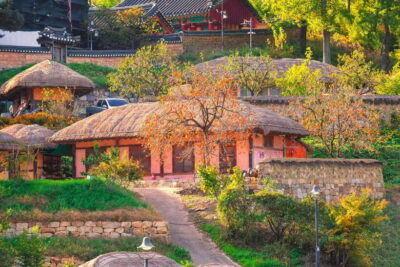
Gyeongju UNESCO World Heritage Guided Day Tour
Read our review →
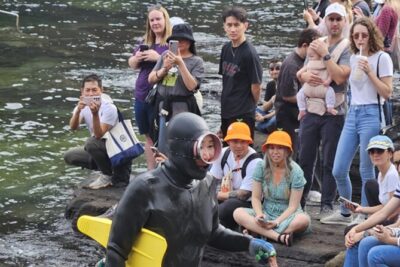
East Jeju Essentials – Seongsan Ilchulbong (UNESCO) & Haenyeo
Read our review →
Gyeongju UNESCO World Heritage Guided Day Tour from Busan
Read our review →
Jeju Southern UNESCO Full Day Tour with Mt.Halla
Read our review →
Jeju island Southern UNESCO Day Tour With Hallasan MT
Read our review →Browse the lists this tour appears in