
Reviewed · DMZ TOURS
Closest Observatory to DMZ: North Korea View(Starbucks Tour)
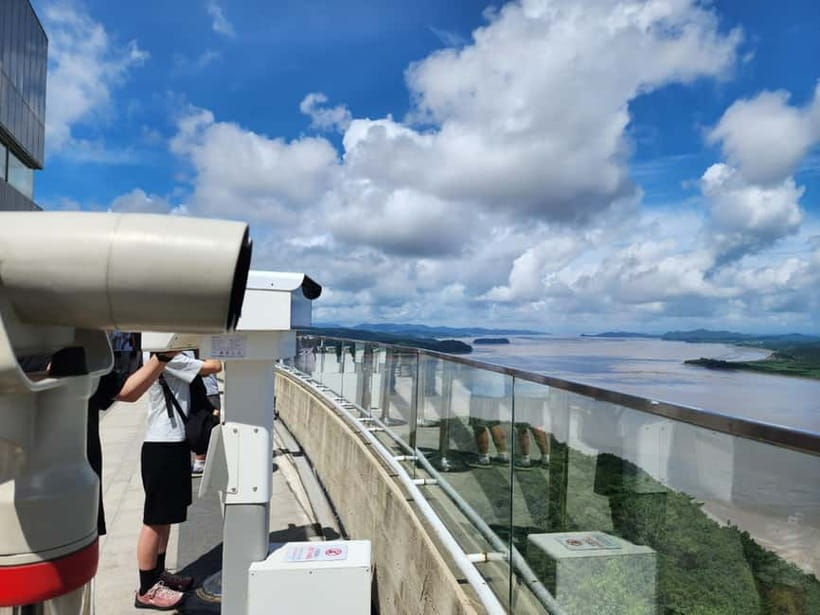
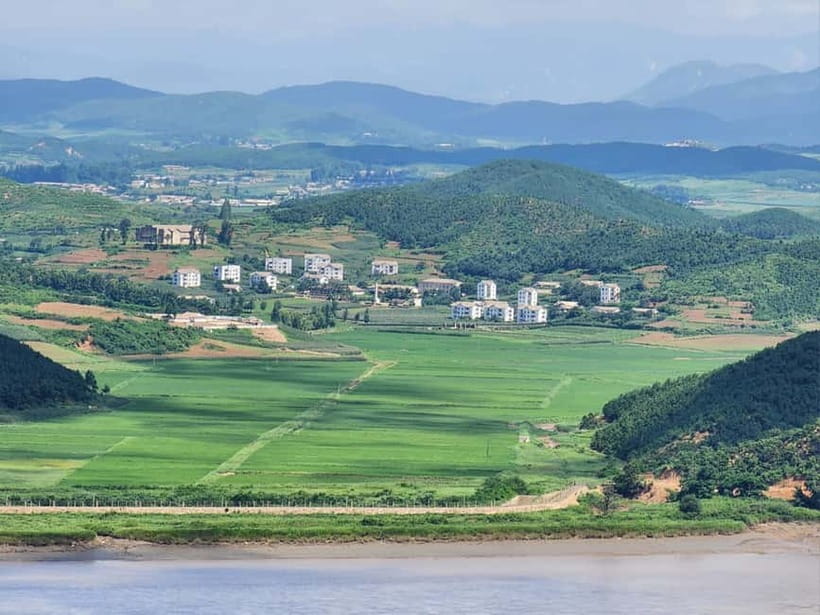
North Korea is only 1.4 kilometers from the Starbucks at Aegibong Peace Ecopark, but the coffee is not the main reason to come. From Jogang Observatory, you may see North Korean farmland, buildings, people, and even soldiers across the river. It is a striking, slightly surreal way to look at a country most people only see in news reports.
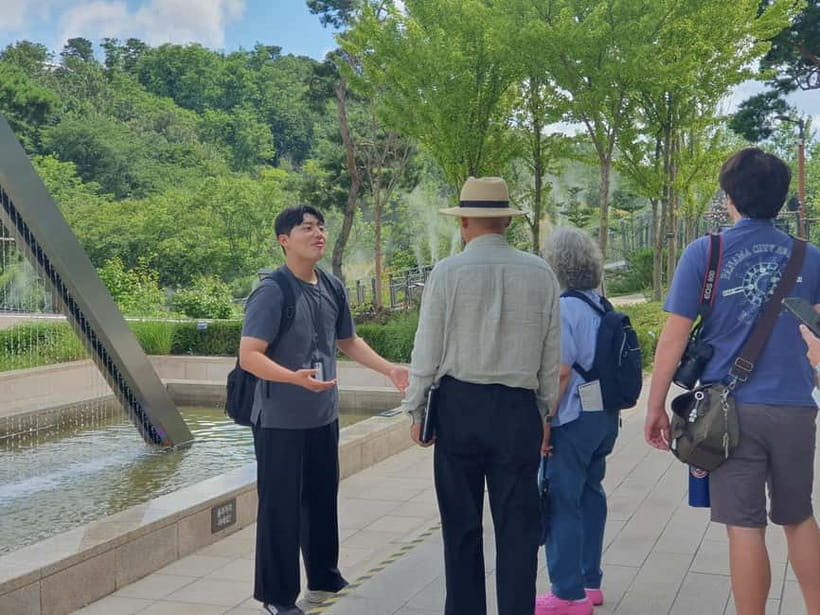
I like two things here. First, this is a quieter alternative to the standard DMZ route, with no tunnel walk or long list of military checkpoints. Second, the guides add useful context during the drive. Henry, Shin, Dragon, Sophie, Thomas, Leo, Grace, and others have been praised for explaining the Korean War, separated families, and current politics in clear English.
The main drawback is that this is a military-operated site, so access can be canceled without notice. The observatory also requires walking up steep slopes, and the view depends heavily on weather. If Aegibong closes, the replacement visit is Starbucks The Bukhansan Branch, not the border observatory.
Key points before you book
- Jogang Observatory is remarkably close to North Korea: You look across the Hangang and Jogang river area toward the northern side, sometimes seeing working fields, buildings, and people.
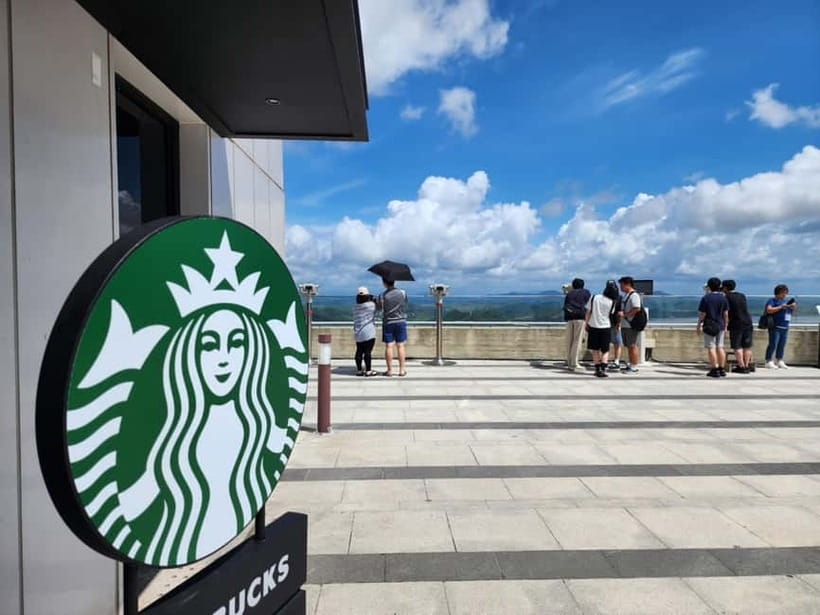
- The famous Starbucks is part of the setting: It is only 1.4 kilometers from North Korea, making an ordinary coffee stop feel anything but ordinary.
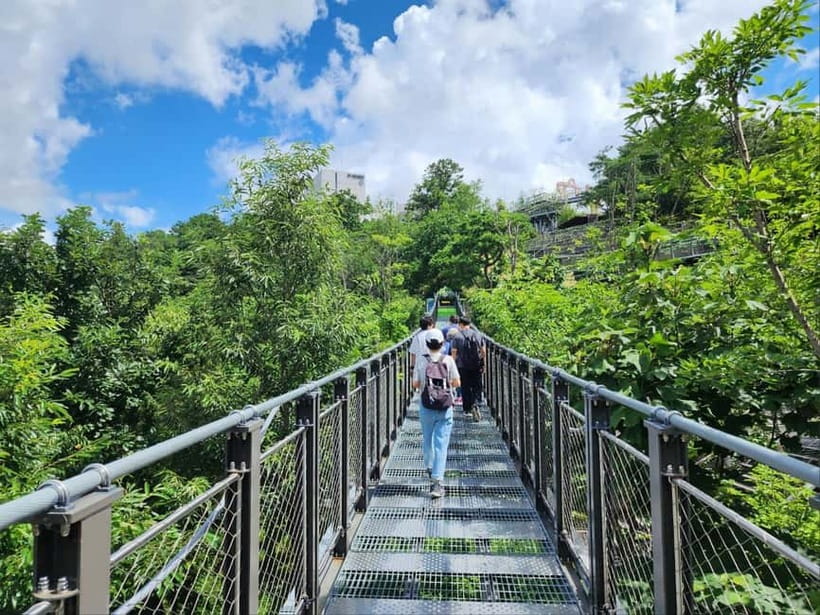
- The bridges form a starry Christmas tree: The original illuminated tree was removed after complaints that its bright lights could be seen from North Korea. The ecopark later shaped its bridges like the tree.
- The drive is part of the tour: The journey from Seoul can take about an hour each way, and a good guide uses that time to explain the division of Korea.
- This is a quieter half-day option: You get about 1.5 hours at Aegibong Peace Ecopark, with a total duration listed between 270 minutes and five hours.
- Bring your passport and watch your camera: Some military facilities cannot be photographed, and video recording is not allowed.
Why Aegibong feels different from a standard DMZ visit
Aegibong Peace Ecopark occupies what was once known as Hill 154, a fiercely contested position during the Korean War. It sits near the mouth of the Hangang River, where it meets the Jogang River, and the setting gives the visit a strong human side as well as a military one.
After the war, many people displaced from the North came here to look toward their former homes. They could not return, but this hill gave them one of the nearest possible views. That story changes the mood of the visit. You are not simply looking at a forbidden country through binoculars. You are looking across a border that divided families and still shapes daily life in Korea.
The old observatory opened in 1978. It was later demolished and replaced by Jogang Observatory, which now offers the close northern view. The modern site is part of a wider peace park, intended to express reconciliation and harmony, though the military presence remains impossible to ignore.
That mix is what makes Aegibong valuable. The park is peaceful in appearance, but the reason it exists is not peaceful at all.
More DMZ Tours in Seoul:
- Best DMZ Tour Korea from Seoul (Red Suspension Bridge Optional)
★ 5.0 · 41,422 reviews - DMZ Tour: 3rd Tunnel, Option(Suspension Bridge, Boat) from Seoul
★ 5.0 · 21,373 reviews - DMZ tour south Korea from Seoul (NK experience hall, defector)
★ 5.0 · 20,599 reviews
The ride from Seoul gives the tour its meaning
The tour begins from Seoul, with a stated pickup point at 62-10 near Hongik University Station. The exact meeting place can vary with the option you book, so check your confirmation carefully rather than assuming every departure leaves from the same spot.
The route to Aegibong can take around an hour each way. That sounds like a lot for a five-hour outing, but it is useful time if your guide does the job well. You are not just being driven to a viewpoint. The better guides explain the Korean War, the division of the peninsula, the DMZ, separated families, and current relations between North and South Korea.
Several guides have earned especially warm praise for this part of the experience. Shin has been noted for explaining both past events and current politics, while Henry is often singled out for answering questions thoroughly. Dragon has been praised for his explanations of the Korean War and the two countries, and Thomas is known for making the drive feel informative rather than like dead time.
Leo, Grace, Sophie, Rachel, Stella, Sunny, and others have also received strong personal praise for being helpful and attentive. That matters here because the border is difficult to understand without context. A view of distant buildings can seem vague until someone explains what you are seeing and why the area remains restricted.
The transport is round trip from Seoul, with drop-off in Myeongdong. The route and traffic affect the total timing, so do not schedule a tight appointment immediately afterward.
Jogang Observatory: the main reason to go
You get roughly 1.5 hours of free time at Aegibong Peace Ecopark. The exact balance between guided explanation, walking, viewing, and personal time may vary, but the observatory is the clear focus.
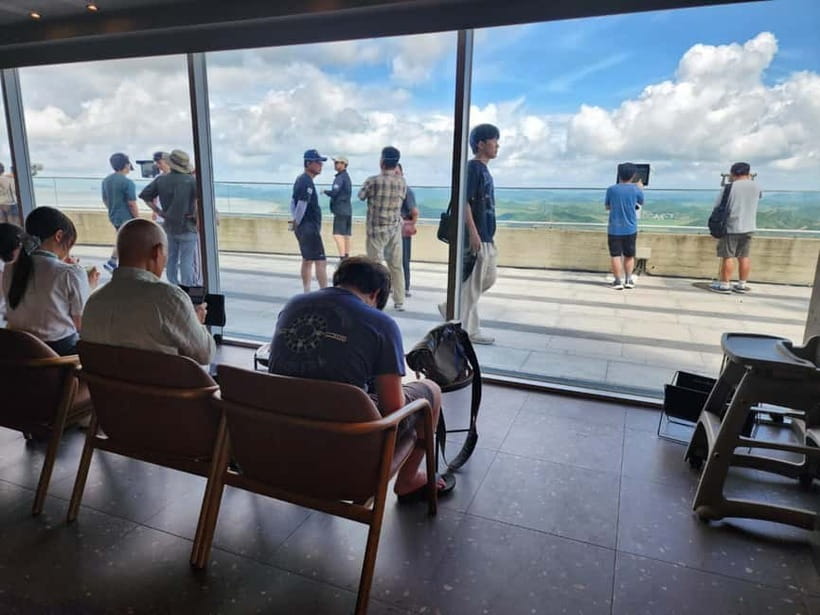
From Jogang Observatory, you look toward North Korea across the river. On a clear day, you might see fields being worked, houses, a propaganda village, and people moving around. Some visitors have also reported seeing North Korean soldiers. These details can be small and distant, so bring realistic expectations. This is not a close-up encounter, and weather can turn a sharp view into a hazy outline.
Still, the distance is part of the power of the place. North Korea is not an abstract shape on a map. You may see ordinary rural activity on the far bank, while knowing that the border prevents normal contact between the people on either side.
The experience can feel surreal. One moment you are looking at a military frontier, and the next you are back inside a modern visitor facility with a coffee shop nearby. That contrast is not a flaw. It is a very Korean combination of serious history, careful security, and everyday convenience.
Photography requires care. Military facilities are scattered around the area, and you must ask your guide before taking a picture. Video recording is not allowed. Do not treat the viewing platform like a normal scenic lookout. Follow instructions, keep your passport with you, and avoid photographing anything your guide identifies as restricted.
The Christmas tree that became a bridge
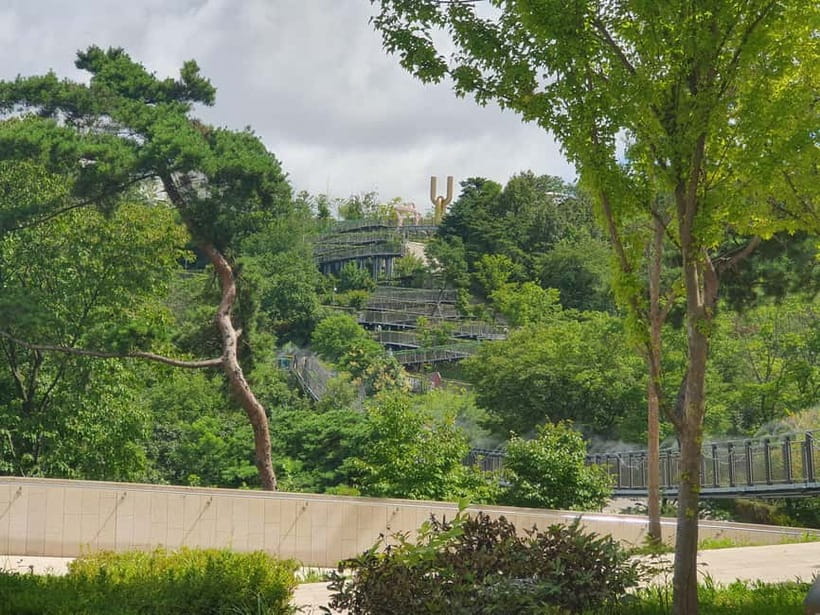
Aegibong was once known for a huge Christmas tree lit with bright lights. The lights could be seen from North Korea, where electricity was scarce, and the display became a source of conflict. The tree was removed, but the story did not disappear.
Workers at the ecopark later shaped the bridges into the form of a Christmas tree, with lights creating a star-like pattern. This gives the site one of its more unusual visual details. It is not just decoration. The bridge design recalls an old border symbol while presenting it in a less confrontational form.
The effect is especially interesting because the site uses a familiar holiday image in a place marked by war and division. You might find the symbolism touching, odd, or politically complicated. That is fair. Aegibong does not offer a simple message, and the bridge is best understood as part of the park’s attempt to express peace without pretending the border has vanished.
Same country, a completely different kind of day:
- Seoul: DMZ Tour with Optional Suspension Bridge
★ 4.8 · 5,277 reviews - Signature DMZ Tour: Exclusive Defector Talk & Suspension Bridge
★ 5.0 · 4,459 reviews - Thrilling Korean DMZ 3rd Tunnel Tour from Seoul + Red Bridge Rush
★ 5.0 · 3,097 reviews - DMZ Past and Present: Korean Demilitarized Zone Tour from Seoul
★ 5.0 · 2,481 reviews
Starbucks near North Korea
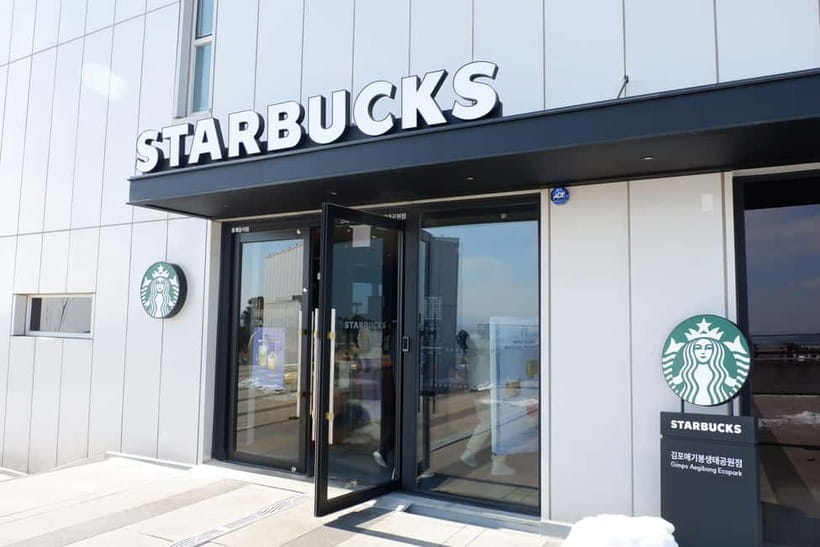
The Starbucks stop is the part that attracts the most curiosity, and it is easy to understand why. The cafe is only 1.4 kilometers from North Korea, so you can buy a coffee in a familiar international chain while looking toward one of the world’s most tightly controlled countries.
Your coffee and food are not included, so budget separately. The stop is not a substitute for the observatory. It works as an additional viewpoint and a chance to sit down after walking around the park.
I like the contrast, but I would not book the tour expecting a scenic cafe outing. The Starbucks is memorable because of its location and political setting, not because the coffee itself is unusual. The value comes from the combination: a close northern view, a peace park, and a normal cafe operating beside a heavily controlled frontier.
If military conditions cancel the Aegibong visit, the replacement is Starbucks The Bukhansan Branch. That means the cafe element may survive, but the border experience will not. Keep that distinction in mind when deciding how much this tour matters to you.
How this compares with a classic DMZ tour
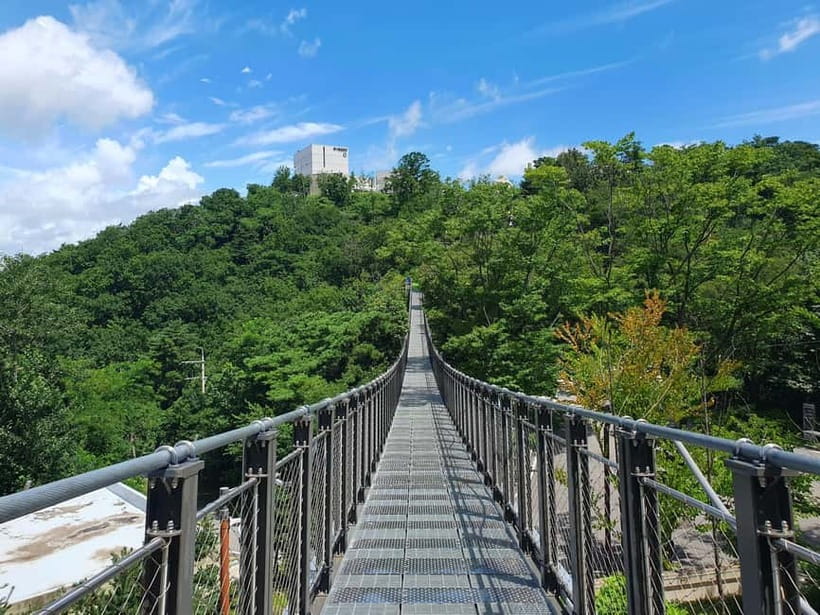
Aegibong is a good choice if you want a direct view of North Korea without spending a full day on the more familiar DMZ circuit. The visit is shorter, and the park is described as less crowded than some standard routes.
It also offers a different kind of experience from the Third Tunnel option. You are not walking through an underground military tunnel or moving through a chain of major DMZ attractions. Instead, you spend your time looking outward, learning about the border, and considering the people who once came here to see their old homes.
That makes the tour especially suitable for a first-time visitor with limited time in Seoul. It is also useful if you have already visited the DMZ and want another viewpoint. One guide can make a major difference, so choose the option that includes a licensed professional guide if you want explanations throughout the trip.
The trade-off is variety. You focus on one peace park and one observatory rather than collecting several major sites. If your main goal is to walk the Third Tunnel or visit every famous DMZ stop, this is not the right replacement.
Price, timing, and practical value
At $48 per person, the tour is reasonably priced for a half-day trip that includes round-trip transport from Seoul, observatory admission, and a licensed professional guide when the guide option is selected. You avoid arranging transport to a military-operated site yourself, and you gain a guide who can explain what you are seeing.
The price is strongest for visitors who value context and convenience. Public transport planning would be more complicated near a restricted border area, and a taxi would remove much of the value of having historical explanations during the ride.
The tour lasts between 270 minutes and five hours, depending on the departure and operating conditions. The listed free time at the ecopark is about 1.5 hours. Add the drive from Seoul, border procedures, walking, and possible traffic, and you have a substantial half-day rather than a quick side trip.
Food and drinks are not included. You also need your own traveler’s insurance. Free cancellation is available up to 24 hours in advance, and you can reserve now and pay later, which helps if your Seoul schedule is still changing.
Who will enjoy this most
I would recommend Aegibong to you if you want:
- A close view of North Korea rather than a general political overview
- A shorter alternative to a full DMZ day tour
- A guide-led explanation of Korean history and current relations
- A quieter visit with time to look carefully from one observatory
- A memorable cafe stop with an unusual border setting
- A way to think about divided families and the human cost of the Korean War
I would be more cautious if you need step-free access. The park has steep slopes and hills, and the experience is not suitable for wheelchair users. It is also not recommended for pregnant women or people with heart problems.
You should also reconsider if you dislike uncertain plans. Since the site is operated by the military, the trip can be canceled without prior notice. In that case, you visit the Bukhansan Starbucks instead, which may be pleasant but does not provide the same historical or border experience.
What to bring and how to behave
Bring your passport. It is required for the trip, and leaving it behind could prevent you from joining.
Wear practical shoes because the park includes slopes and hills. Even with a short visit, the terrain matters more than the 1.5-hour schedule suggests.
Ask before taking photographs. Some military facilities are off limits, and your guide can tell you what is safe to photograph. Video recording is not allowed, and drinks cannot be consumed in the vehicle.
I would also bring patience. The border is not a theme park, and the experience may include waiting, weather changes, or a less dramatic view than you hoped for. The most rewarding approach is to pay attention to the explanation and the setting, not just to search for the largest possible image of North Korea.
Should you book the North Korea View Starbucks tour?
Book it if you want a focused half-day border experience with a close view of North Korea, a thoughtful guide, and the odd pleasure of drinking coffee near one of the world’s most restricted frontiers. The tour offers good value for $48, particularly if you have limited time or prefer not to manage transport yourself.
Choose a traditional DMZ tour instead if tunnels, multiple military attractions, or a longer full-day program matter more to you. And remember the operating risk: Aegibong can close without warning, leaving you with the alternative Starbucks visit.
For most curious visitors, I would book this as a quieter, more reflective look at the Korean divide. Try to reserve a guide-led option, arrive with your passport, and hope for clear weather. The sight of North Korean fields and people across the river, followed by coffee only 1.4 kilometers away, is hard to duplicate elsewhere in Seoul.
FAQ
How close is Starbucks to North Korea?
The Starbucks at Aegibong Peace Ecopark is about 1.4 kilometers from North Korea.
How long does the tour take?
The duration is listed as 270 minutes to five hours. You get about 1.5 hours of free time at Aegibong Peace Ecopark, with the remaining time used for transport and the visit.
Where does the tour start and end?
One stated starting point is 62-10 near Hongik University Station. The meeting point can vary by booking option. The tour finishes in Myeongdong.
Are food and drinks included?
No. Food and beverages are not included, so you pay separately for anything you buy at Starbucks or elsewhere.
Do I need to bring my passport?
Yes. A passport is listed as required for this activity.
What happens if Aegibong Peace Ecopark closes?
Because the park is operated by the military, the trip can be canceled without prior notice. If that happens, the alternative visit is Starbucks The Bukhansan Branch.
Just added around Seoul
- Gyeongbokgung palace,seoul with gigibebe hanbok rental★ 4.5 · 12 reviews
- Private tour guide service in Seoul, Korea★ 5.0 · 6 reviews
- Alpaca, Nami, Petite Fr, Italian Village, Garden of Morning Calm★ 3.5 · 5 reviews
- Private tour Lotte World,Tower,Aquarium(All Tickets are included)★ 5.0 · 12 reviews
- Gyeongju UNESCO Sites Tour by KTX train; The Museum Without walls★ 4.5 · 11 reviews
- Private day trip to Korean Folk Village & Dae Jang Geum Park★ 5.0 · 7 reviews
- Full Day Private Seoul Tour for foodies★ 5.0 · 3 reviews
- Seoul Private Custom Walking Tour with A Guide (Private Tour)★ 4.5 · 28 reviews
DMZ Tours, compared.
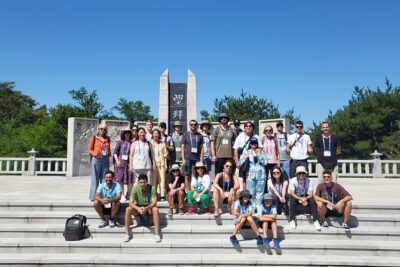
Best DMZ Tour Korea from Seoul (Red Suspension Bridge Optional)
Read our review →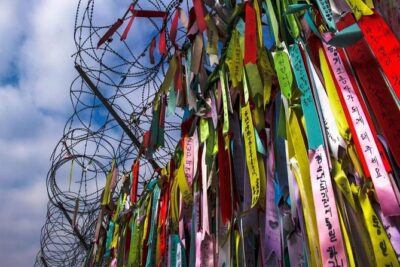
DMZ Tour: 3rd Tunnel, Option(Suspension Bridge, Boat) from Seoul
Read our review →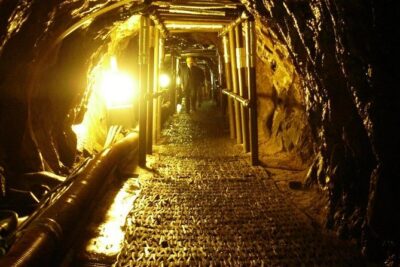
DMZ tour south Korea from Seoul (NK experience hall, defector)
Read our review →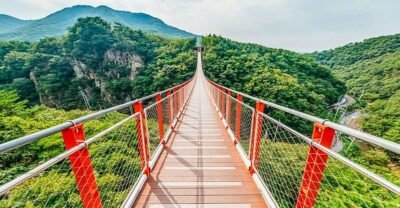
DMZ Insider Tour: 3rd Tunnel, NK Defector Meet & Red Bridge
Read our review →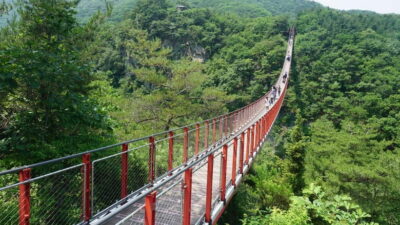
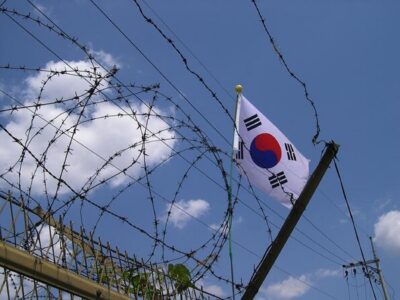
Thrilling Korean DMZ 3rd Tunnel Tour from Seoul + Red Bridge Rush
Read our review →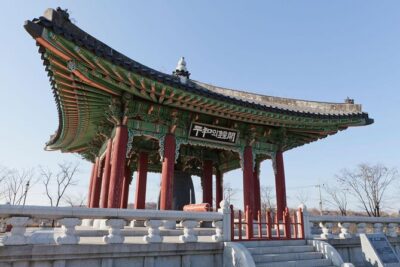
DMZ Past and Present: Korean Demilitarized Zone Tour from Seoul
Read our review →
Ultimate Korea DMZ Tour from Seoul (Gondola & Suspension Bridge)
Read our review →Browse the lists this tour appears in