
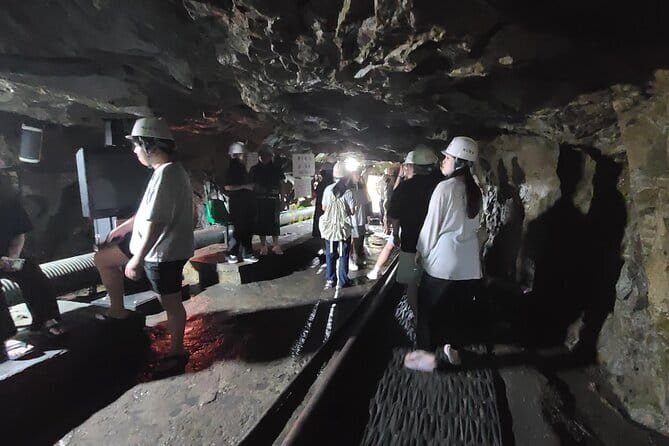
Reviewed · DMZ TOURS
DMZ 2nd Tunnel and Cheorwon Peace Observatory with Admission
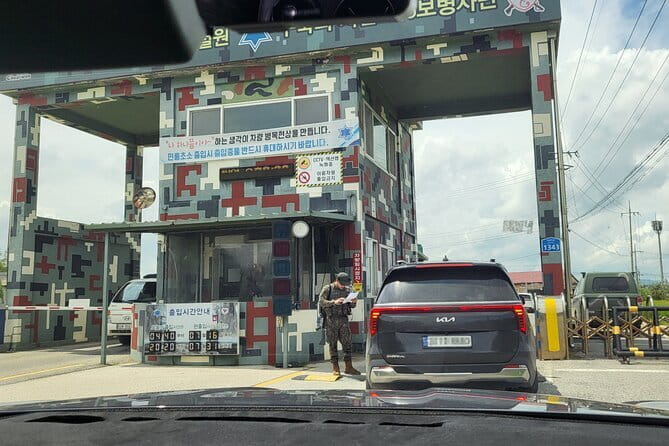
The most striking part of this DMZ outing is that you enter the civilian-controlled zone in your own vehicle rather than being moved onto a large tour bus. After registration at the Cheorwon Peace Center, you follow a lead vehicle in single file toward the 2nd Tunnel, a wartime passage that reaches within 300 meters of the Military Demarcation Line.
I like two things right away: the small private format gives your group more control, and the route offers a strong mix of history and nature. You see a preserved tunnel, a bombed train, and a broad view toward North Korea, while the protected DMZ area provides habitat for cranes and other wildlife. The main drawback is the price, $245.29 per person, before lunch, so this makes the most sense if you value private transport and a focused day rather than the lowest-cost DMZ visit.
Key points
- Your own vehicle inside the civilian-controlled area: You do not switch to a shared DMZ bus after registration.
- The 2nd Tunnel reaches close to the Military Demarcation Line: You can walk inside to a point 300 meters from the line.
- Cheorwon Peace Observatory includes a round-trip monorail: The ride saves energy on the climb to the viewing area.
- The view includes North Korean sites and major battle locations: You can see propaganda town, Kim Il Sung’s high land, and the Battle of Blood Ridge area.
- Woljeongri Station preserves a bombed wartime train: The rusting wreck helps make the Korean War feel concrete rather than distant.
- Guides such as Jun, Moon, and Wendy add a personal history lesson: Their role is especially useful on a route where context matters as much as scenery.
Why the Cheorwon route feels different
Many DMZ outings focus on the familiar viewing points near Seoul. This tour takes you to Cheorwon, where the military story feels more physical. You walk into a tunnel cut through the ground, look across a divided country from a mountain observatory, and stand beside a train destroyed during the Korean War.
The route also gives you a look at the natural side of the border zone. The DMZ has had little human activity for more than 70 years, allowing migratory birds, cranes, and animals to use the area. That does not turn the visit into a wildlife tour, but it adds an important layer to the day. The border is not only a line of military tension. It is also an unusually preserved strip of Korean land.
I especially like the balance between sites that explain events and places that let you pause. The tunnel requires attention and a walk. The observatory opens the view. Woljeongri Station offers a quiet, stark reminder of the war. Together, they create a fuller day than a quick photo stop at one lookout.
More DMZ Tours in Seoul:
- Best DMZ Tour Korea from Seoul (Red Suspension Bridge Optional)
★ 5.0 · 41,422 reviews - DMZ Tour: 3rd Tunnel, Option(Suspension Bridge, Boat) from Seoul
★ 5.0 · 21,373 reviews - DMZ tour south Korea from Seoul (NK experience hall, defector)
★ 5.0 · 20,599 reviews
Starting at the Cheorwon Peace Center
Your first DMZ stop is the Cheorwon Peace Center, where the vehicle license number and visitor names are registered before entry into the civilian-controlled area. This is a practical step, but it also makes the border procedures clear from the beginning.
The private vehicle arrangement matters here. You remain with your own group and do not have to change into a larger shared bus for the DMZ portion. The vehicle follows a lead vehicle in single file, which keeps the route organized while allowing your group to travel together.
The tour includes an air-conditioned vehicle, private transportation, bottled water, and the DMZ admission fee. Pickup is offered, and the total outing lasts about eight hours. That is a substantial part of your day, so this suits you best if you want a full excursion rather than a short city-side visit.
Your guide is an important part of the experience. Guides named Jun, Moon, and Wendy have led this route, with special praise for clear explanations and a personable approach. On a site where signs alone cannot explain the military history, a guide who can connect each stop to the Korean War and the division of Korea adds real value.
Walking through the 2nd Tunnel
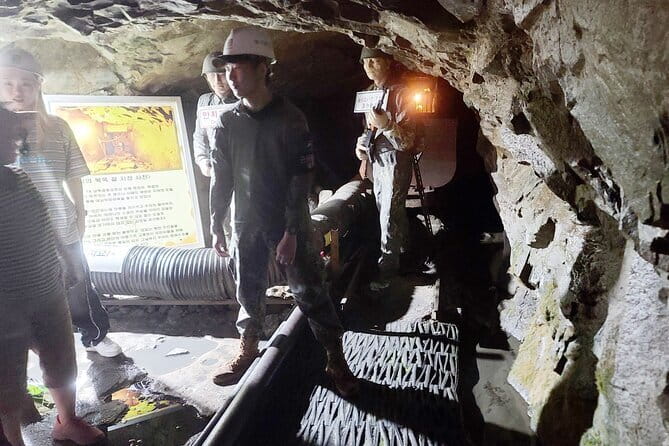
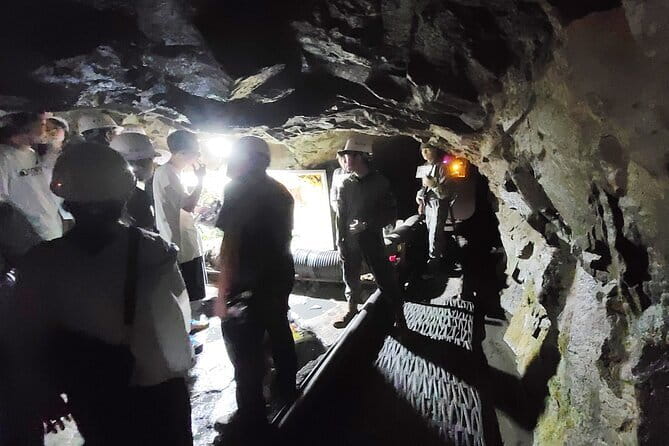
The 2nd Tunnel was discovered on March 24, 1975, after two soldiers reported hearing explosions during sentry duty on November 20, 1973. Its discovery revealed another underground passage built by North Korea, and its position makes the site especially sobering.
This tunnel is described as twice longer and deeper than the 3rd Tunnel. You can walk inside to the ending point open to the public, which is 300 meters from the Military Demarcation Line. That distance is easy to picture, and it gives the visit a sharper sense of proximity than a museum display can provide.
The tunnel is the most physical part of the day. You are not simply looking at an entrance and taking a photograph. You go underground and follow the passage toward the restricted end. The information provided does not state the exact walking conditions or accessibility details, so ask the operator if anyone in your group has mobility concerns.
I find the 2nd Tunnel valuable because it makes the Cold War tangible. Maps and dates explain the division, but a passage cut toward the South tells the story in a more direct way. The site also carries a certain tension without needing dramatic presentation. Its plain, functional character is part of the impact.
This stop may be less comfortable for young children than the observatory, but the tour is described as educational for children as well as adults. Korean students visit DMZ sites to learn about the past, and the tunnel offers a memorable lesson in why the border remains heavily controlled.
Riding the monorail to Cheorwon Peace Observatory
At Cheorwon Peace Observatory, you can take a monorail to the top of the mountain. The round-trip ticket is included, and the ride saves energy that would otherwise be spent on the climb.
The observatory is where the day opens up. From the top, you can view the DMZ ecosystem, the area associated with the Battle of Blood Ridge, Kim Il Sung’s high land, the old fortress town of Gung-Ye, the Pyeonggang tableland, and a propaganda town in North Korea.
The Battle of Blood Ridge reference gives the view a human cost. About 1,250 North Korean soldiers and 1,030 South Korean soldiers were killed in that fierce battle. Those figures are not just background statistics. They explain why a quiet ridge can carry such weight.
The site also connects military history with political memory. Kim Il Sung’s high land is linked to the story that he cried for three days after losing Cheorwon. You do not need to accept every story as a complete account to understand the emotional importance of the area. For many Koreans, reunification is not an abstract policy question. It is tied to family separation, national memory, and the hope that the division will someday end.
The viewing experience depends on conditions on the day, and the tour information does not promise a particular level of visibility. Still, the range of named sights gives the guide plenty to explain even when the distant view is not perfect.
The monorail is a useful touch for two reasons. First, it makes the observatory easier for a wider range of people. Second, it leaves you with more energy for the rest of the outing, especially after the tunnel walk. The round-trip ride is included, so you do not need to treat it as an extra expense.
Same country, a completely different kind of day:
- Seoul: DMZ Tour with Optional Suspension Bridge
★ 4.8 · 5,277 reviews - Signature DMZ Tour: Exclusive Defector Talk & Suspension Bridge
★ 5.0 · 4,459 reviews - Thrilling Korean DMZ 3rd Tunnel Tour from Seoul + Red Bridge Rush
★ 5.0 · 3,097 reviews - DMZ Past and Present: Korean Demilitarized Zone Tour from Seoul
★ 5.0 · 2,481 reviews
Seeing the wreck at Woljeongri Station

Woljeongri Station is a small but powerful final stop. Behind the station building sits the remains of a train bombed during the Korean War. The train was used by the North Korean army and destroyed by United Nations forces.
This is not a polished museum object. The wreck gives you a plain, physical reminder of what the war did to transport, towns, and ordinary movement across the peninsula. A station normally suggests arrival, departure, and connection. Here, the damaged train points to a railway system broken by war and a country cut in two.
I like the contrast with the observatory. At the mountain, you look across a wide area and think about borders, battles, and future reunification. At Woljeongri, you stand close to one damaged object. The stop narrows the story from national events to a single train left behind.
The station is also a good reason to choose this Cheorwon route if you have already seen a more standard DMZ attraction. It adds a different kind of evidence. You are not repeating the tunnel or lookout experience. You are seeing the remains of wartime infrastructure.
What the private format changes

This is a private activity, so only your group participates. That gives you a more personal day than a large coach outing, particularly during the drive and the explanations between stops.
The private setup does not mean you can ignore the official process. You still register at the peace center and follow the lead vehicle inside the controlled zone. Rules and movement patterns remain part of the experience, which is exactly what you should expect at a sensitive military area.
I see the format as most useful for families, couples, or small groups who want to ask questions and keep the day together. It is also helpful if you prefer not to change vehicles at the DMZ entrance. The tradeoff is the cost. At $245.29 per person, the tour is not a bargain-basement excursion, especially with lunch priced separately at 15,000 Korean won per person.
That price includes transportation, admission, the monorail, and bottled water. It also buys the convenience of a private vehicle and an eight-hour route to Cheorwon, which is farther from central Seoul than the best-known DMZ stops. If you would otherwise arrange transport, entrance fees, and a guide separately, the package becomes easier to justify.
Food, timing, and the pace of the day
Lunch is not included. The stated cost is 15,000 Korean won per person, so plan for that additional payment when comparing the total price with other DMZ options.
The tour lasts about eight hours, giving enough time for four main stops: Cheorwon-gun, the 2nd Tunnel, Cheorwon Peace Observatory, and Woljeongri Station. This is not a quick excursion built around one lookout. You should expect a full day with driving, registration, an underground visit, a monorail ride, and several history-focused stops.
Pickup is offered, and confirmation is received at booking. A mobile ticket is available, which is convenient for a morning departure. Because access into the controlled area depends on registration and official procedures, keep your booking details available and follow the guide’s instructions closely.
Free cancellation is available if you cancel at least 24 hours before the experience starts. Changes or cancellations made less than 24 hours before the start time are not accepted, and the local time cutoff applies.
Who should choose this tour
I would choose this outing if you want the DMZ presented as a historical place, not just a border photo opportunity. The 2nd Tunnel gives you a close, physical encounter with the conflict. The observatory adds the view toward North Korea. Woljeongri Station supplies a quiet final image that stays with you.
It is also a good match for families who want an educational day. The tour information specifically presents the route as suitable for children and adults, and the variety of stops helps keep the subject from becoming one long lecture.
You should think twice if your priority is the lowest possible price or a short itinerary. The eight-hour commitment and $245.29 cost require a real interest in the subject. The tunnel and military setting may also feel more serious than a typical sightseeing tour.
For the best experience, go with curiosity and patience. The emotional meaning of the DMZ cannot be reduced to a few photographs. Listen to the guide, look closely at the terrain, and give the tunnel and train wreck time to speak for themselves.
Should you book the Cheorwon DMZ tour?
Book it if you want a private, full-day route with a strong mix of history, views, and original sites. The own-vehicle entry, included monorail, 2nd Tunnel access, and Cheorwon focus make it a worthwhile choice for visitors who want more than the standard DMZ introduction.
Skip it if you mainly want a quick stop near Seoul or need to keep the budget low. The extra lunch cost and long eight-hour schedule matter.
For families, history fans, and anyone interested in the Korean desire for reunification, I would put this tour high on the list. The guidance associated with Jun, Moon, and Wendy adds needed context, and the route gives you several different ways to understand the border: underground, from above, and through the wreckage left behind.
FAQ
Where does this tour take place?
The experience starts from Seoul and visits Cheorwon-gun, the 2nd Tunnel, Cheorwon Peace Observatory, and Woljeongri Station.
How long does the tour last?
The tour lasts approximately eight hours.
Is transportation included?
Yes. The tour includes private transportation in an air-conditioned vehicle and bottled water. Pickup is offered.
Do I need to change to a shared DMZ bus?
No. After registering at the Cheorwon Peace Center, your group enters the civilian-controlled area in its own vehicle and follows a lead vehicle.
What is included in the admission?
DMZ admission and a round-trip monorail ticket for Cheorwon Peace Observatory are included.
Is lunch included?
No. Lunch costs 15,000 Korean won per person and is not included in the tour price.
Can children join this experience?
Yes. The activity is described as educational for both children and adults, and most people can participate.
What is the cancellation policy?
You can cancel for a full refund up to 24 hours before the experience starts. Cancellations or changes made less than 24 hours before the start time are not accepted.
Just added around Seoul
- Private tour guide service in Seoul, Korea★ 5.0 · 6 reviews
- Alpaca, Nami, Petite Fr, Italian Village, Garden of Morning Calm★ 3.5 · 5 reviews
- Gyeongbokgung palace,seoul with gigibebe hanbok rental★ 4.5 · 12 reviews
- Gyeongju UNESCO Sites Tour by KTX train; The Museum Without walls★ 4.5 · 11 reviews
- Private day trip to Korean Folk Village & Dae Jang Geum Park★ 5.0 · 7 reviews
- Private tour Lotte World,Tower,Aquarium(All Tickets are included)★ 5.0 · 12 reviews
- Full Day Private Seoul Tour for foodies★ 5.0 · 3 reviews
- Seoul Private Custom Walking Tour with A Guide (Private Tour)★ 4.5 · 28 reviews
DMZ Tours, compared.
Best DMZ Tour Korea from Seoul (Red Suspension Bridge Optional)
Read our review →
DMZ Tour: 3rd Tunnel, Option(Suspension Bridge, Boat) from Seoul
Read our review →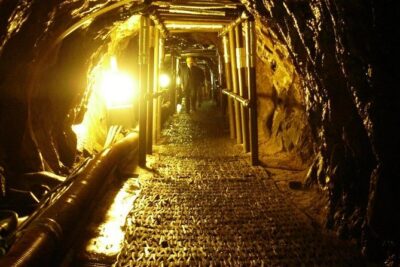
DMZ tour south Korea from Seoul (NK experience hall, defector)
Read our review →
DMZ Insider Tour: 3rd Tunnel, NK Defector Meet & Red Bridge
Read our review →
Thrilling Korean DMZ 3rd Tunnel Tour from Seoul + Red Bridge Rush
Read our review →
DMZ Past and Present: Korean Demilitarized Zone Tour from Seoul
Read our review →
Ultimate Korea DMZ Tour from Seoul (Gondola & Suspension Bridge)
Read our review →Browse the lists this tour appears in