
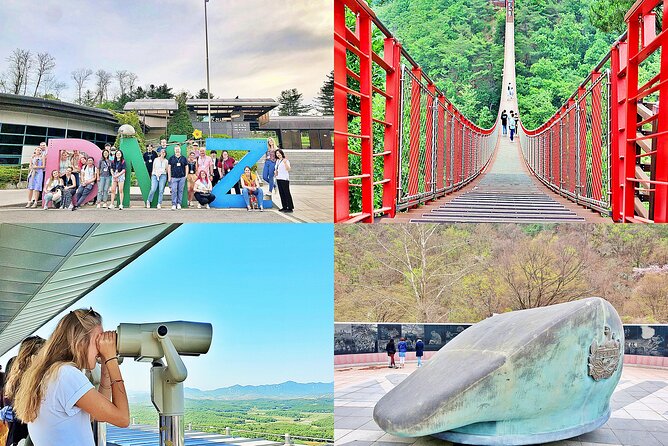
Reviewed · DMZ TOURS
DMZ Tour w/ North Korea Experience Hall & Opt. Suspension Bridge
The most striking part of this tour is that the Korean War is not sealed away in a museum. You walk through the Third Tunnel, look toward North Korea from Dora Observatory, and see a border that still divides one people into two states. The setting can feel tense, quiet, and oddly ordinary at the same time.
I like that the tour handles the difficult planning for you, including entry arrangements, a professional guide, and transport from central Seoul. I also like the strong backup plans when military rules, weather, or public holidays shut parts of the route. The main drawback is that the day can change with little notice, and an early pickup time may replace the time shown when you first book.
Key points before you book
- The Third Tunnel requires a real walk: You descend and climb back through a tunnel with a helmet, a sloped path, and limited space.
- Dora Observatory gives you a direct view north: Telescopes can reveal North Korea’s propaganda village and its large flagpole on clear days.
- The North Korea Experience Hall adds useful context: Its exhibits and short film help explain what you are seeing beyond the roadside viewpoints.
- Gamaksan Bridge is optional: The suspension bridge adds about an hour and a mountain setting, but it can close because of rain, snow, or security controls.
- Your passport is required: Bring a current valid passport on the day of the tour, even if you have already shown identification elsewhere in Korea.
- Guides make a major difference: Junie, Young, Brian, Veronica, Sookhee, and Youngmi have all led praised departures, but your assigned guide will vary.
Why the DMZ is worth a day from Seoul
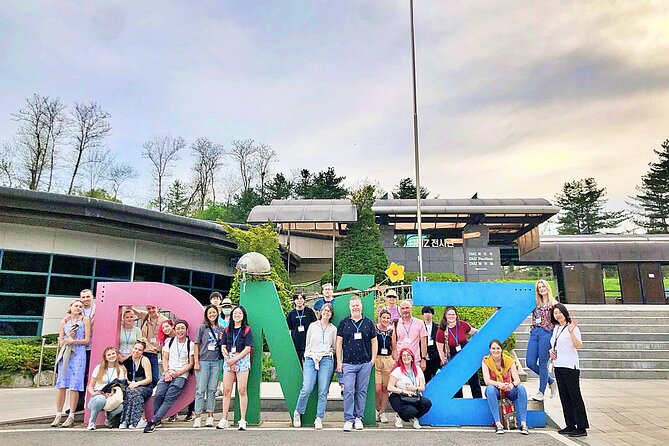
The Demilitarized Zone is one of the few places where you can see an international division in such a direct way. It is not simply a line on a map. It is a controlled border shaped by the Korean War, military strategy, family separation, and decades of political tension.
You cannot simply wander into the DMZ on your own. A guided trip is required, and the route can change according to military orders. That makes this a good experience to book as an organized tour rather than trying to piece together buses, admission rules, and border procedures yourself.
At $55 per person, the tour offers solid value if you want the main sights in one day. Round-trip travel from central Seoul and admission fees are included in the tour description, and a guide explains the history as you go. You still need to pay for your own food and drinks, and lunch is not included.
The tour lasts about seven and a half hours. That is a sizeable block of your Seoul schedule, but the distance and security arrangements make a half-day visit difficult to manage independently. A group of up to 40 people is possible, so do not expect a private outing. The tradeoff is a lower price and a well-established route.
More DMZ Tours in Seoul:
- Best DMZ Tour Korea from Seoul (Red Suspension Bridge Optional)
★ 5.0 · 41,422 reviews - DMZ Tour: 3rd Tunnel, Option(Suspension Bridge, Boat) from Seoul
★ 5.0 · 21,373 reviews - DMZ tour south Korea from Seoul (NK experience hall, defector)
★ 5.0 · 20,599 reviews
Starting at City Hall and heading north
The standard meeting point is City Hall Station in Seoul, with the tour returning there later. The company provides pickup only at listed locations, not from airports or cruise ports, and hotel pickup and drop-off are not included.
Pay close attention to the final pickup message. Some departures have left earlier than the original booking time to secure DMZ access, particularly on busy days. A time shown as 8:50 in the booking process has, in at least one case, changed to 7:50 the night before. That kind of adjustment can be necessary, but it can also disrupt your plans if you are not watching your messages.
The ride out of Seoul gives your guide time to explain the Korean War and the modern border. Guides including Junie, Young, Brian, Veronica, Sookhee, and Youngmi have been praised for clear explanations, humor, and steady organization. English ability can vary by guide, so the quality of the commentary is not identical on every departure.
Some tours use a smaller vehicle at the first pickup and then transfer to a larger tour bus. That is not necessarily a problem, but it is useful to know that the vehicle and group arrangement may change during the morning.
Imjingak Pyeonghoa-Nuri Park and the Freedom Bridge
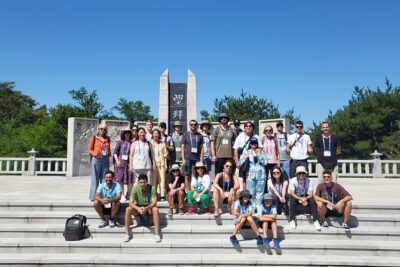
Imjingak Pyeonghoa-Nuri Park is the emotional opening to the day. It was created as a place of comfort for people who fled North Korea during the Korean War, and its monuments connect the political division with the human cost of families separated from home.
You will see the Freedom Bridge, a monument to soldiers, and other reminders of the war. The stop lasts about 30 minutes and does not require an admission ticket. That is enough time for photographs and a first look at the symbols of division, though you will not have hours to explore every corner.
This stop works best if you take a moment to read the memorials rather than treating it as a quick photo stop. The bridge is not just an attractive structure. Its name points to the hope of return and reunion that has shaped Korean public memory for decades.
The park also helps prepare you for the more controlled parts of the day. After seeing public memorials, you move toward places where access is restricted and military instructions matter.
The North Korea Experience Hall in 30 minutes
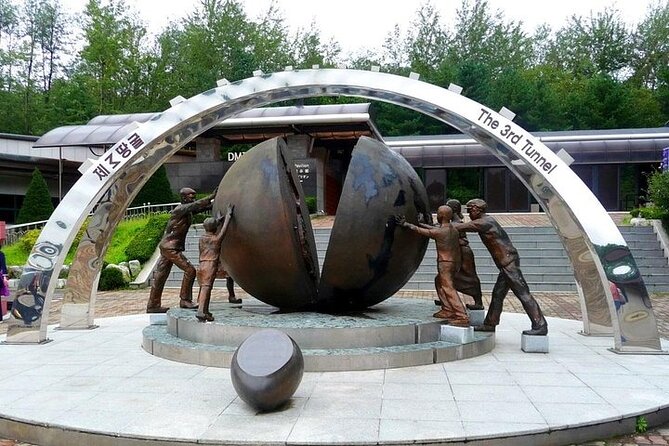
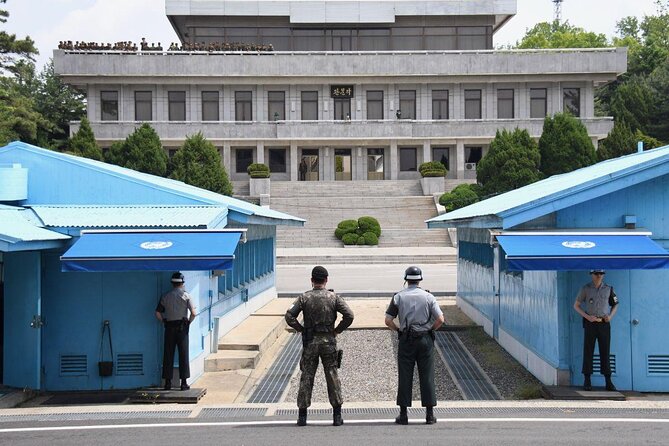
The North Korea Experience Hall is a newer part of the route and gives you a more educational look at life and conditions north of the border. It is useful because the DMZ viewpoints can otherwise leave you with little more than a distant village and a large flagpole.
Expect roughly 30 minutes here. The hall is intended to satisfy curiosity about North Korea through displays and explanatory material. Its role is not to replace the border itself, but to give the sights more meaning.
I like this addition because it makes the tour less dependent on perfect weather. If haze prevents a clear view from Dora Observatory, the hall still gives you material to think about. It also offers a quieter pause between the memorial park and the more physically demanding tunnel visit.
Do not expect a long museum visit. The schedule is tight, and the hall is one part of a wider route. If you want an in-depth study of North Korean politics, this tour will only provide an introduction.
More Korea Suspension Bridge Tours in Seoul:
- Seoul: DMZ Tour with Optional Suspension Bridge
★ 4.8 · 5,277 reviews - Signature DMZ Tour: Exclusive Defector Talk & Suspension Bridge
★ 5.0 · 4,459 reviews - Ultimate Korea DMZ Tour from Seoul (Gondola & Suspension Bridge)
★ 5.0 · 2,396 reviews - DMZ; NK Defector, 3rd Tunnel, Suspension Bridge,Hotel pickup
★ 4.9 · 2,055 reviews
Dora Observatory and the view into North Korea
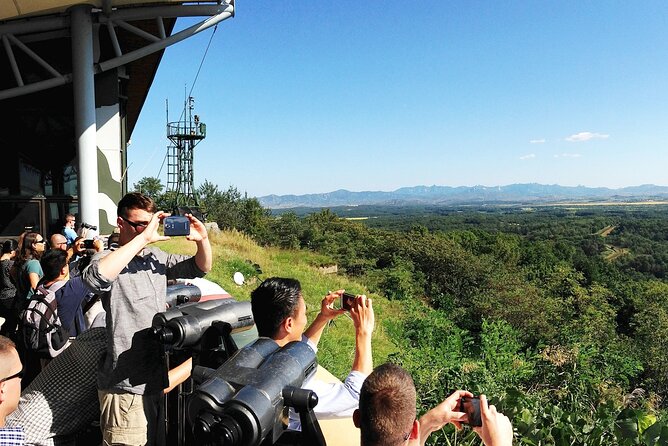
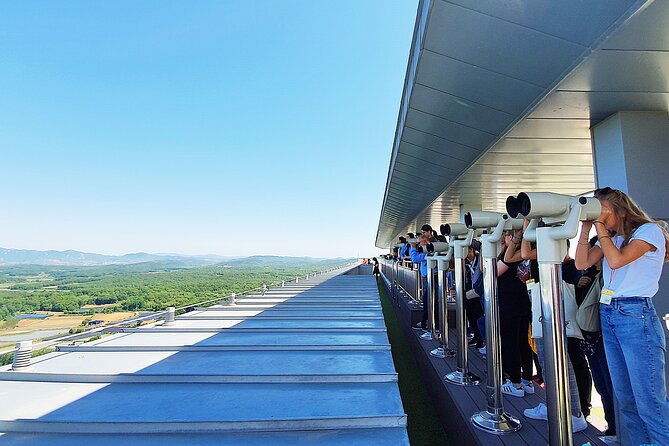
Dora Observatory is the moment when the division becomes visible across open ground. From the viewing area, you can use telescopes to look toward North Korea. On a clear day, you may see Kijŏng-dong, often described as a propaganda village, along with its extremely tall flagpole.
The stop lasts about 40 minutes. That gives you time to take in the view, use the scopes, and listen to the guide’s explanation. The experience depends heavily on weather and current security rules, so the scene may be less dramatic than you imagine if the air is hazy or access is restricted.
The observatory has scopes at different heights, which helps with viewing comfort. Still, this is not a wildlife-style close-up view. You are looking across a heavily controlled border, and details can be distant.
Military conditions can close the observatory. Security restrictions and incidents involving trash balloons have also affected access in the past. If Dora Observatory is unavailable, the operator may substitute Odusan Unification Observatory or another approved stop. That flexibility keeps the day moving, but it means you should not treat every listed sight as guaranteed.
Walking the Third Tunnel
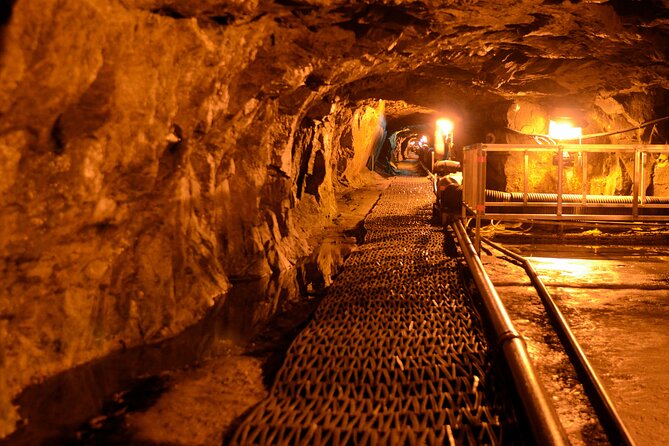
The Third Tunnel is the most memorable and physically demanding part of the standard route. North Korea built it in the 1970s as part of a plan to infiltrate South Korea, and it was discovered in 1978. Its location, only about 52 kilometers from Seoul, makes the military threat feel uncomfortably close to the capital.
You receive a safety helmet before entering. The walk through the tunnel is about 500 meters, but the effort comes from the sloped route. You go down, walk through the confined passage, then climb back up. The return climb is the hard part.
I would not recommend this section if you have claustrophobia or find steep walking difficult. Older people may prefer to wait outside, and anyone uncomfortable in enclosed spaces can skip the tunnel while the rest of the group visits. That choice is allowed, but you will miss the most physical and immediate part of the DMZ visit.
There is not a long list of objects to see inside. The value comes from the scale of the construction, the narrow rock passage, and the knowledge that it was built for military use. A helmet, low ceiling, and sloping floor make the history feel physical rather than abstract.
Wear comfortable shoes. Several people who enjoyed the tour still singled out the walking and the tunnel climb as the main challenge. The tour description calls for moderate physical fitness, and that is fair advice.
The standard DMZ route and its moving parts
The main DMZ portion lasts about two hours and ten minutes, with the Third Tunnel, the DMZ Exhibition Hall, Dora Observatory, and Unification Village included in the broader route. The exact order can shift depending on access and traffic.
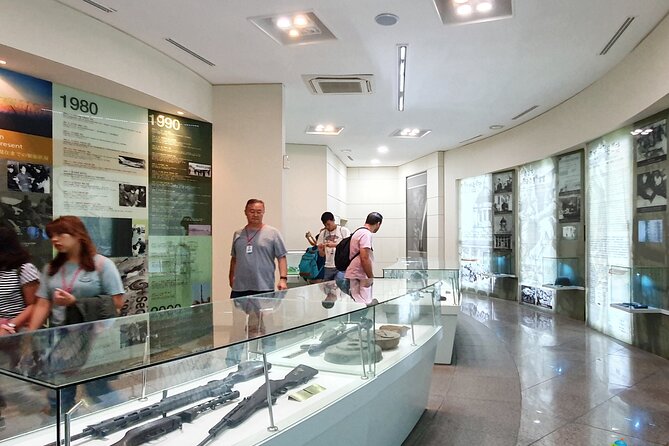
At the exhibition hall, you can see Korean War relics and watch a short film about Korea’s history. This is a useful bridge between the memorials outside and the military site below ground. It gives the guide a place to explain events before you look across the border.
Unification Village adds another reminder that the DMZ is not an empty wilderness. People live and work near this restricted zone under unusual conditions, and the area has both security rules and ordinary daily life.
The group schedule is designed to limit waiting. That is helpful because DMZ entry can be controlled and busy. It also means you need to listen carefully when your guide gives a meeting time. Falling behind could affect the whole group.
Adding Gamaksan Chulleong Suspension Bridge
The optional Gamaksan Chulleong Suspension Bridge changes the mood of the tour. After memorials, border views, and a military tunnel, you get a scenic walk across a mountain suspension bridge. Opened in 2016, it is described as the longest mountain suspension bridge in South Korea.
The bridge stop takes about an hour. It is a good add-on if you want a broader day with scenery as well as history. The setting provides a welcome change of pace, and the crossing offers a more active finish than simply returning to Seoul after the DMZ.
This is not a good choice for anyone with a fear of heights. You can wait at the viewpoint instead, but the bridge itself is the point of the upgrade. Heavy rain, snow, or security controls can close it, in which case the tour may substitute Odusan Unification Observatory, the DMZ Peace Gondola, Gloster Hill Memorial Park, or the War Memorial of Korea.
The bridge option also explains why some departures return around 4:50 p.m., while the DMZ-focused option may return closer to 3:30 p.m. Exact times can move with conditions.
What happens on Mondays and closure days
The most popular standard course operates Tuesday through Sunday when the Third Tunnel and Dora Observatory are open. Mondays, public holidays, and military or weather closures can trigger a special route.
The alternate course may include the North Korea Experience Center, Imjingak Pyeonghoa-Nuri Park, the DMZ Peace Gondola, Gloster Hill Memorial Park, and the Suspension Bridge. This is not the same experience as walking through the Third Tunnel, so check the operating day before booking if that site is your main reason for going.
The operator runs tours year-round, but the border remains subject to security decisions. The itinerary can change without prior notice. I would book this with the right attitude: you are visiting a live military border, not a fixed museum with guaranteed rooms and hours.
Food, comfort, and guide quality
Food and drinks are not included, and lunch is not provided. The day can be long, so bring something suitable if permitted by the tour arrangements, and use available stops for refreshments when possible. One practical detail is that coffee shops are available around parts of the route, but you should not treat that as a full lunch plan.
The guide is central to the experience. The strongest departures have featured Junie, Young, Brian, Veronica, Sookhee, and Youngmi. Their best qualities are clear English, historical explanation, humor, and careful timing. Junie has been praised for making entry rules feel manageable, while Young has been described as both funny and informative. Brian has also added broader information about Korean history beyond the DMZ itself.
That said, guide quality can vary. One less successful departure involved a guide whose English was difficult to follow. Since groups can be large and several tours may be moving through the same sites, your guide’s communication matters a great deal.
Who should book this Seoul day trip
I would recommend this tour if you want the main DMZ sights without handling transport, military access, and admission arrangements yourself. It suits first-time visitors to Seoul, families with older children, and anyone who wants history explained in plain language rather than simply taking photos at a border viewpoint.
It is also a good value for people who want both serious history and a scenic add-on. The Third Tunnel provides the strongest historical impact, while the bridge gives the day a more relaxed outdoor finish.
I would hesitate if you need a fixed timetable, dislike group tours, or have limited mobility. The possible early departure, changing itinerary, and up-to-40-person group require flexibility. The tunnel is not suitable for claustrophobia or difficult slopes, and the bridge is not suitable for acrophobia.
Bring your passport, comfortable walking shoes, and patience for security changes. Keep your schedule light that evening because the tour can run longer or shorter depending on the DMZ situation.
Should you book the DMZ tour?
Book it if seeing the Third Tunnel and looking toward North Korea are high on your Seoul list. At $55, the combination of transport, admissions, a guide, and border logistics makes good sense, especially when independent access is not allowed.
Choose the bridge option if you want a fuller day and enjoy heights. Choose the DMZ-focused departure if the tunnel and observatory matter most. Above all, accept that military restrictions can replace major stops. That uncertainty is not a flaw in the concept of the trip. It is part of visiting a real border that is still active.
FAQ
How long does the DMZ tour last?
The tour lasts approximately 7 hours and 30 minutes. The duration can be shorter or longer depending on the DMZ situation, weather, traffic, and security controls.
Where does the tour start and end?
The standard meeting point is City Hall Station in Seoul. The tour also ends at City Hall Station.
Is hotel pickup included?
Hotel pickup and hotel drop-off are not included. Pickup is provided only at listed locations, and airport or cruise port pickup is not available.
Do I need my passport?
Yes. You must bring a current valid passport on the day of the tour.
What sights are included on the standard DMZ route?
The standard course includes the North Korea Experience Hall, Imjingak Pyeonghoa-Nuri Park, Dora Observatory, the Third Tunnel, and related DMZ sites such as the DMZ Exhibition Hall and Unification Village.
Is the suspension bridge included?
Gamaksan Chulleong Suspension Bridge is an optional upgrade. The stop takes about one hour and may be closed because of weather or security conditions.
Can I skip the Third Tunnel?
Yes. The Third Tunnel is not recommended for people with claustrophobia, and its sloped path may not suit some older people. You may wait outside instead.
What happens if Dora Observatory or the Third Tunnel is closed?
The itinerary changes according to the closure. Possible alternatives include the North Korea Experience Center, DMZ Peace Gondola, Gloster Hill Memorial Park, Odusan Unification Observatory, or the War Memorial of Korea.
Can I cancel for a full refund?
You can cancel at least 24 hours before the experience starts for a full refund. Cancellations or changes made less than 24 hours before the start time are not accepted for a refund. If poor weather causes the tour to be canceled, you will be offered another date or a full refund.
Just added around Seoul
- Alpaca, Nami, Petite Fr, Italian Village, Garden of Morning Calm★ 3.5 · 5 reviews
- Gyeongbokgung palace,seoul with gigibebe hanbok rental★ 4.5 · 12 reviews
- Private tour guide service in Seoul, Korea★ 5.0 · 6 reviews
- Gyeongju UNESCO Sites Tour by KTX train; The Museum Without walls★ 4.5 · 11 reviews
- Private day trip to Korean Folk Village & Dae Jang Geum Park★ 5.0 · 7 reviews
- Private tour Lotte World,Tower,Aquarium(All Tickets are included)★ 5.0 · 12 reviews
- Full Day Private Seoul Tour for foodies★ 5.0 · 3 reviews
- Seoul Private Custom Walking Tour with A Guide (Private Tour)★ 4.5 · 28 reviews
DMZ Tours, compared.
Best DMZ Tour Korea from Seoul (Red Suspension Bridge Optional)
Read our review →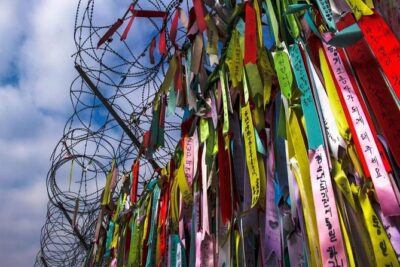
DMZ Tour: 3rd Tunnel, Option(Suspension Bridge, Boat) from Seoul
Read our review →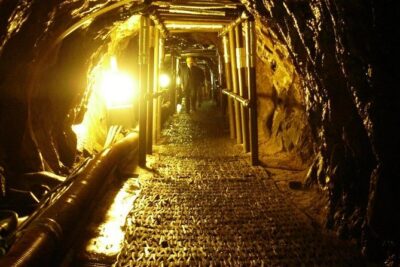
DMZ tour south Korea from Seoul (NK experience hall, defector)
Read our review →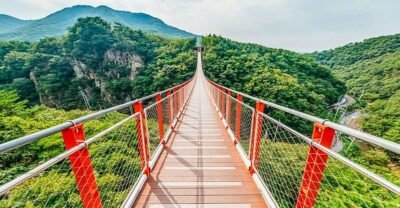
DMZ Insider Tour: 3rd Tunnel, NK Defector Meet & Red Bridge
Read our review →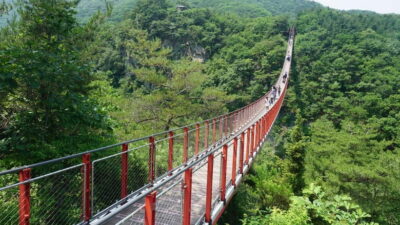
Thrilling Korean DMZ 3rd Tunnel Tour from Seoul + Red Bridge Rush
Read our review →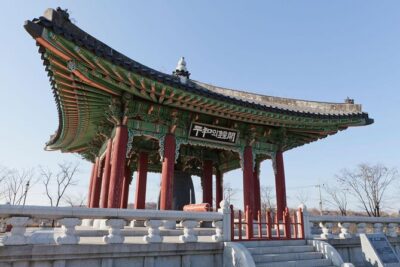
DMZ Past and Present: Korean Demilitarized Zone Tour from Seoul
Read our review →
Ultimate Korea DMZ Tour from Seoul (Gondola & Suspension Bridge)
Read our review →Browse the lists this tour appears in