
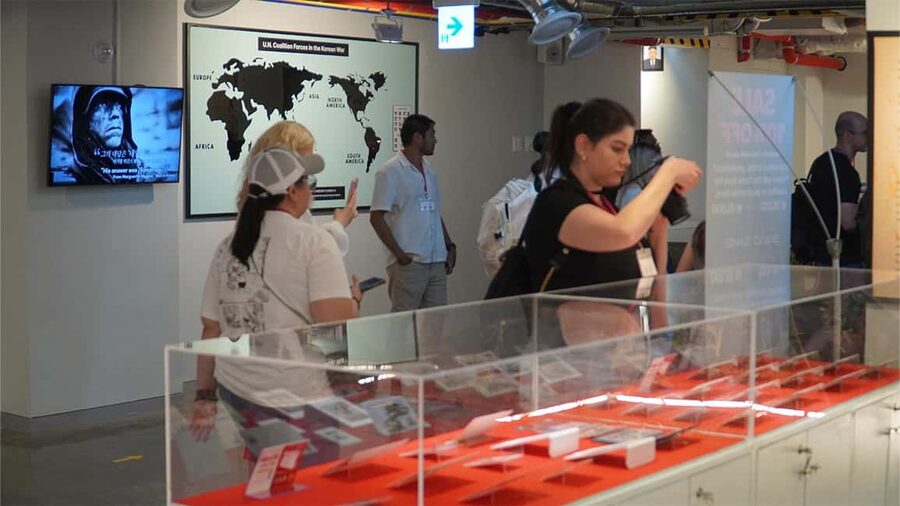
Reviewed · DMZ TOURS
From Seoul: DMZ Tour and North Korea Experience Hall
The most unusual part of this day is not simply looking toward North Korea. It is the North Korea Experience Hall, where you can see a replica home, classroom, and ordinary household items, then hear directly from a North Korean defector. That gives the border story a human scale that the DMZ viewpoints alone cannot provide.
I like the way this tour combines clear historical commentary with major DMZ sights, and I like the practical setup: transport from central Seoul, an English-speaking guide, and a full day that covers several important places. Guides such as Katie, Sophia, Han, Yoon, and KC have been singled out for careful timing, friendly help, and strong explanations. The main drawback is the pace. With an 8 to 9 hour schedule, several security-controlled sites, and possible traffic, this is a busy day rather than a relaxed outing.
Key points to know before booking
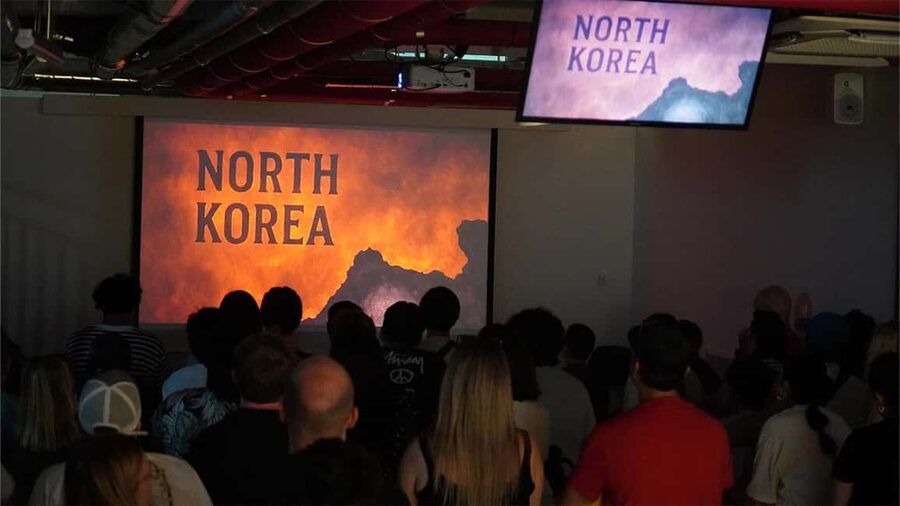
- The North Korea Experience Hall adds a human story: See replicas of a North Korean home and classroom, everyday objects, documentary footage, and a live defector Q&A.
- The Third Tunnel requires effort: The stop includes about an hour of guided touring, and the full experience may not suit anyone with mobility, back, heart, or pregnancy concerns.
- Dora Observatory depends on weather: Rain or poor visibility can make views toward North Korea much less satisfying.
- Your passport is essential: You need a valid passport to enter the DMZ zone.
- The day begins at central Seoul pickup points: Choose Myeongdong Station Exit 10, City Hall Station, or Hongik University Station Exit 3.
- The $40 price is strong value: Transport, guiding, and the North Korea exhibition are included, but meals and drinks are not.
Why the Experience Hall changes the DMZ visit

A DMZ visit can leave you with a lot of questions. You see fences, watchtowers, military roads, and a distant border, but the daily life behind that border can still feel abstract. The North Korea Experience Hall helps fill that gap.
You can walk through photo areas built around a North Korean home and classroom. Everyday household items make the subject less remote. Instead of thinking only about military lines and political speeches, you get a sense of the ordinary setting in which people live, study, and work.
Documentary screenings add another layer. The material is intended to show realities of life in North Korea, not just the dramatic symbolism of the border. I would treat this section as a guided introduction rather than a complete portrait of an entire country, but it gives useful context before or after the DMZ stops.
The most distinctive element is the live session with a North Korean defector. You can ask questions and hear personal insight in a way that a museum panel cannot match. The tour also includes a commemorative photo opportunity with the defector. If you prefer not to take part in the photo, you can still value the conversation itself.
This is especially useful for first-time visitors who want more than a quick look at the boundary. The hall gives the day an emotional center, while Imjingak, Freedom Bridge, the tunnel, and Dora Observatory explain how the division appears on the ground.
More DMZ Tours in Seoul:
- Best DMZ Tour Korea from Seoul (Red Suspension Bridge Optional)
★ 5.0 · 41,422 reviews - DMZ Tour: 3rd Tunnel, Option(Suspension Bridge, Boat) from Seoul
★ 5.0 · 21,373 reviews - DMZ tour south Korea from Seoul (NK experience hall, defector)
★ 5.0 · 20,599 reviews
Starting in Seoul and heading north
Pickup is available at three central locations: Myeongdong Station Exit 10, City Hall Station, and Hongik University Station Exit 3. The vehicle ride toward the DMZ takes about an hour, though heavy traffic in peak seasons can stretch that time.
You will receive your pickup time individually, so do not assume that every departure leaves at exactly the same hour. Hotel pickup is also available for an additional KRW 15,000 if your hotel is in Jongno-gu, Jung-gu, Yongsan-gu, Mapo-gu, Seodaemun-gu, or Dongdaemun-gu.
The tour uses transport between stops, which matters more than it might seem. The sites are spread out, and public transport would make a day like this far less simple. Group size can reach 30 people per session, and groups may occasionally be split. The operator tries to keep everyone together, but you should be ready for a shared tour rather than a private outing.
The guides are one of the strongest parts of the setup. Han has been praised for explaining the Korean War and DMZ in a clear way. Sophia has been described as friendly, patient, punctual, and helpful with photographs. Katie has received particularly strong praise for detailed explanations of the conflict and for looking after the group. Yoon and KC have also been noted for their care and clear commentary.
The exact guide is not guaranteed, but those names give you a useful idea of the guiding style to expect: practical, attentive, and focused on context rather than simply moving you from one photo stop to the next.
Imjingak Park and Mangbaedan: the emotional opening
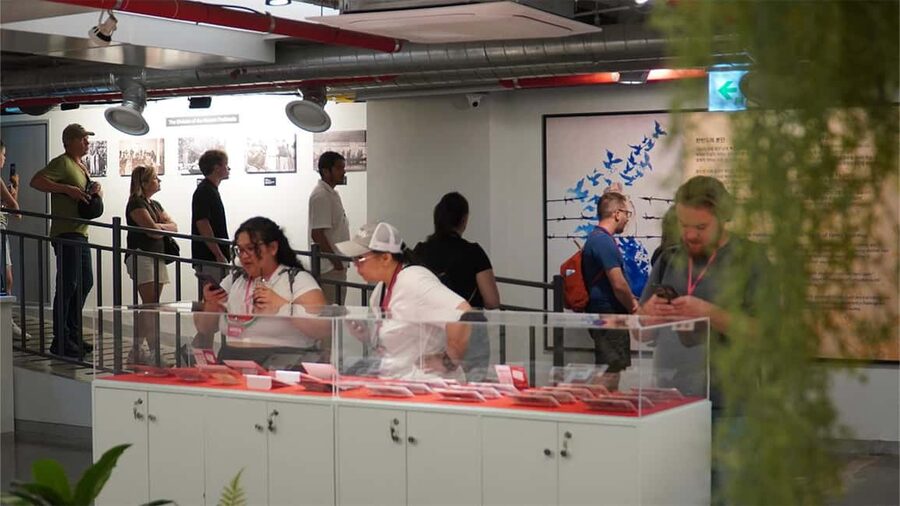
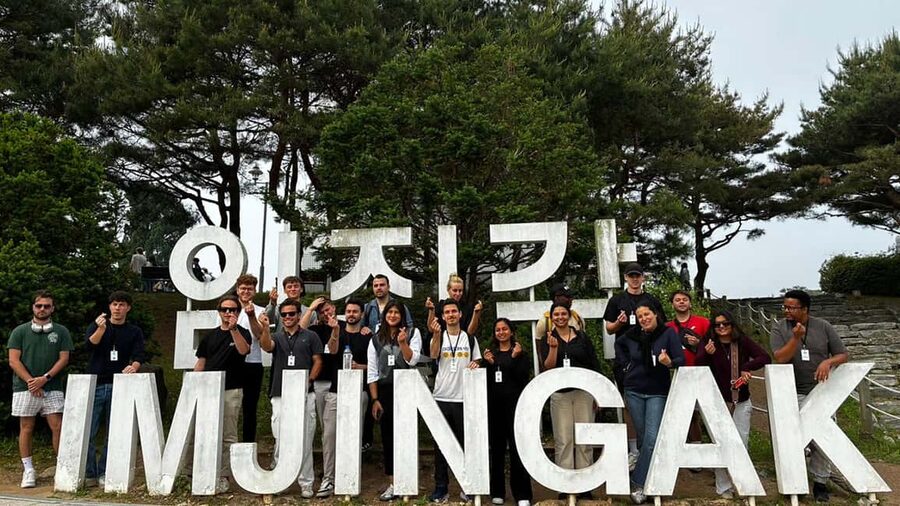
Imjingak is usually the first major stop, with about an hour for walking, photographs, and guided explanation. It is a good place to begin because it connects the political division of Korea with families separated by the border.
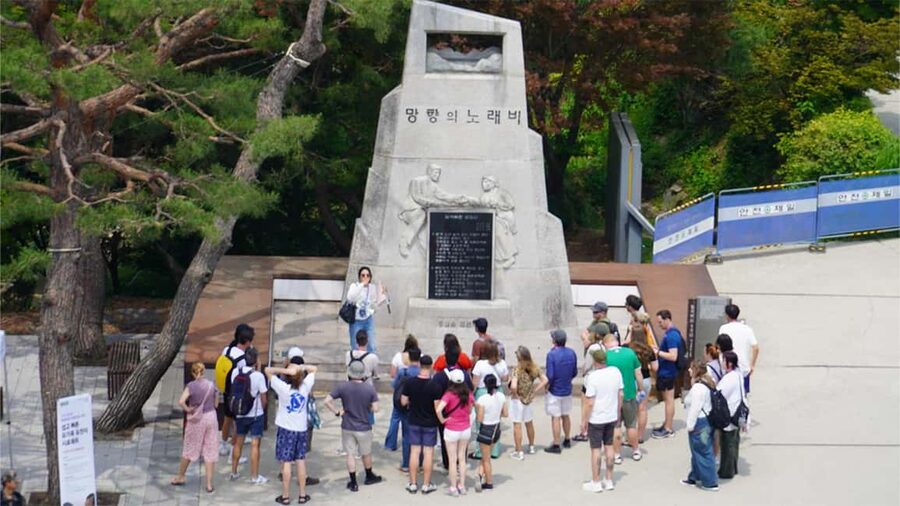
The park contains memorial features and viewpoints tied to the division. Mangbaedan is especially meaningful. It is associated with people who cannot return north to visit family graves and ancestral homes. Your guide explains why this place matters, which is important because the objects and memorials can otherwise seem hard to read from a visitor’s point of view.
Do not rush this stop. The value is not just in taking a picture. Listen to the explanation of how the Korean War divided families and how the division still shapes public memory.
The park also gives you a chance to stretch your legs before the more controlled DMZ stops. Bring water and a small snack, since lunch is not included. You may find food options during the day, but you should not count on a full meal being part of the tour.
Freedom Bridge and the meaning of a name
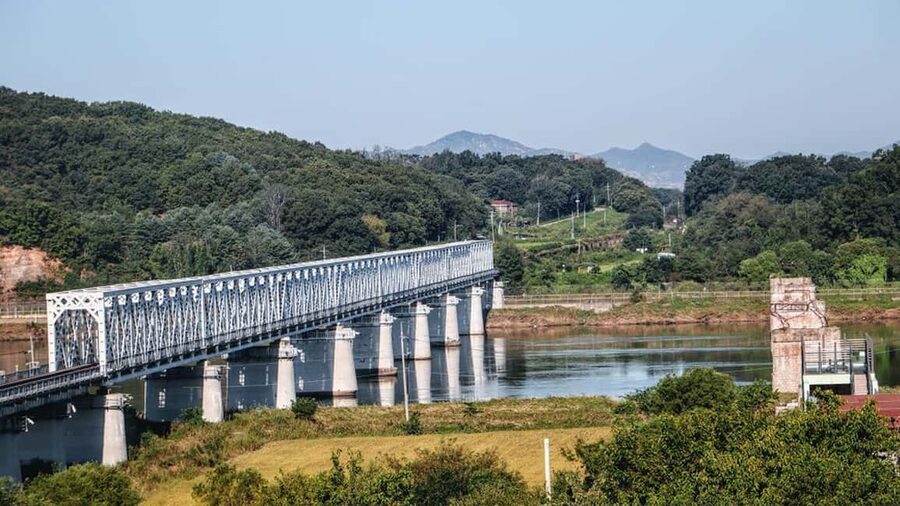
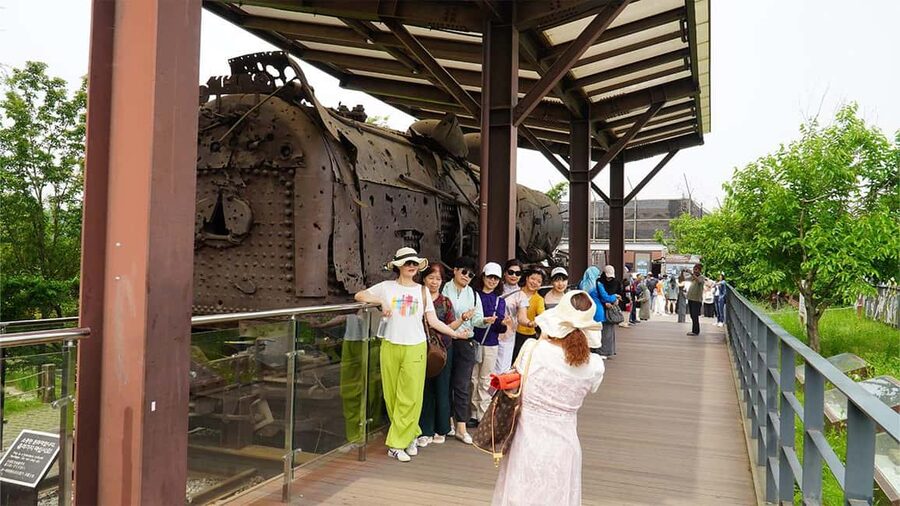
Freedom Bridge is one of the most recognizable places on the route. The bridge carries strong symbolism because it was connected with the return of prisoners of war after the Korean War.
Your guide gives the bridge its proper setting in the story of the conflict. Without that explanation, it is easy to see only a scenic or historic structure. With the background, the bridge becomes a reminder of movement, captivity, return, and the many people who never made it home.
This is mainly a guided viewing and photo stop. It is not the sort of place where you spend hours wandering. I like that it follows Imjingak, since the two stops work together: Imjingak focuses on divided families and memory, while Freedom Bridge points to the war and its aftermath.
Same country, a completely different kind of day:
- Seoul: DMZ Tour with Optional Suspension Bridge
★ 4.8 · 5,277 reviews - Signature DMZ Tour: Exclusive Defector Talk & Suspension Bridge
★ 5.0 · 4,459 reviews - Thrilling Korean DMZ 3rd Tunnel Tour from Seoul + Red Bridge Rush
★ 5.0 · 3,097 reviews - DMZ Past and Present: Korean Demilitarized Zone Tour from Seoul
★ 5.0 · 2,481 reviews
The Third Tunnel of Aggression
The Third Tunnel is one of the day’s most memorable stops, but it is also the one that requires the most physical care. The tour allows about an hour here, with guided commentary about the tunnel and its role in the tense relationship between North and South Korea.
You may find the route demanding if you have back problems, heart problems, limited mobility, or difficulty walking. The activity is not suitable for wheelchair users, pregnant women, children under 10, or people over 70 according to the stated restrictions. Participants under 14 must travel with a guardian.
The tunnel is valuable because it turns border tension into something physical. Rather than only viewing the DMZ from above, you encounter a place linked to military planning and the fear of a sudden attack. The guide’s explanation is important, since the significance is historical and political, not just visual.
Wear sensible shoes. The schedule is busy, and you will have less enjoyment if you are distracted by uncomfortable footwear or trying to manage a bag in tight spaces.
Dora Observatory and the weather question
Dora Observatory is the stop most affected by weather. From here, the tour looks toward North Korea, and on a clear day the view can help you understand the scale and proximity of the border.
Rain, haze, or poor visibility can reduce the experience. One useful tip is to choose the clearest day available if your schedule allows. Even then, conditions can change, so do not book this tour expecting a guaranteed close view.
The observatory works best after the guide has explained the geography and political setting. A distant view can seem vague without context. With commentary, you can better understand what you are looking at and why the viewpoint matters.
This is also a good place to keep expectations realistic. You are not getting a free-roaming visit to North Korea or a casual look across an open frontier. This is a controlled border area, and access can change with on-site conditions.
Additional stops and changing schedules
The supplied route also lists Gamaksan Suspension Bridge, Aegibong Peace Eco Park, and Gyeongbokgung. These are substantial additions, with roughly one hour at Gamaksan, two hours at Aegibong, and two hours at Gyeongbokgung.
Because the overall experience lasts 8 to 9 hours, and because DMZ access depends on security and local conditions, the final order and combination of stops may change. The tour information specifically warns that pickup times and the itinerary can shift. Think of the listed places as part of the possible day rather than a promise that every stop will receive the same amount of time on every departure.
Gamaksan Suspension Bridge provides a change of mood after the heavier military and memorial sites. It is listed as a guided photo stop and visit, so you can expect scenery and a chance to take pictures rather than another long history lecture.
Aegibong Peace Eco Park adds another viewpoint connected with peace and the border. Its two-hour allocation suggests a longer visit than a quick photo stop, but the exact experience can depend on current access and the day’s schedule.
Gyeongbokgung is a major Seoul landmark and gives the day a broader historical frame. If it is included on your departure, you will move from modern division and the Korean War to Korea’s royal past. That contrast can be rewarding, though it also makes the day feel quite full.
The return vehicle ride takes about an hour, with the tour finishing in Myeong-dong. Traffic can affect the final arrival time, so avoid booking a tightly timed evening reservation.
Guides, group size, and the feel of the day
The English-speaking guide is not just there to point out buildings. The best value comes from the explanations between stops. Han, Katie, Sophia, Yoon, and KC have each been praised for different combinations of historical detail, patience, punctuality, and personal care.
Katie has been especially appreciated for explaining the Korean conflict beyond the basic tour script. Sophia has been noted for helping with photographs and keeping people comfortable. Han’s explanation of the Korean War and DMZ is useful if you want a clear foundation rather than a string of dates.
At up to 30 participants, you should expect a group-tour rhythm. You may need to stay close to the guide, return to the vehicle on time, and accept that the guide cannot give everyone a long personal conversation at every stop.
The guide assists before and after the separate activity sessions but does not participate during the session itself. That detail matters if parts of the day involve a structured experience rather than a standard walking visit.
Is $40 good value?
At $40 per person, this is a strong price for a full-day DMZ outing if the advertised transport, guide, exhibition, and historic landmarks are all part of your departure. You are paying for the convenience of moving between scattered sites, the English commentary, and access to the North Korea Experience Hall.
A cheaper independent visit might look attractive, but the DMZ is not an ordinary sightseeing district. Passport checks, controlled access, changing conditions, and the distance from Seoul make organized transport useful.
The price does not include meals or drinks. Plan to carry water and money for food, and do not treat the tour as an all-inclusive day. The value is strongest for someone who wants historical interpretation and a broad route, not for someone seeking a slow lunch and free time.
Free cancellation up to 24 hours before departure and reserve-now, pay-later booking make it easier to fit the tour into a changing Seoul schedule. Still, keep your day open. Traffic and security conditions can affect timing.
What to bring and who should skip it
Bring your valid passport. You cannot enter the DMZ without it, and a photograph or copy should not be treated as a substitute unless the operator confirms otherwise.
Also bring:
- Comfortable walking shoes
- Water and a snack
- Weather-appropriate clothing
- A phone or camera for the permitted photo stops
- Patience for security checks and schedule changes
Smoking is not allowed in the vehicle or indoors. Alcohol and drugs are prohibited.
This tour suits adults and older children who want Korean War history, border politics, and a personal account of life in North Korea. It is a good match for history lovers, first-time Seoul visitors, and anyone who wants more substance than a quick observatory visit.
It is not suitable for children under 10, pregnant women, wheelchair users, people with mobility limitations, or those with back or heart problems. The stated guidance also excludes people over 70, so check directly before booking if that applies to you.
Should you book this DMZ tour?
Book it if you want a well-organized, information-heavy day that combines the main DMZ landmarks with a rare chance to hear from a North Korean defector. The Experience Hall is the reason to choose this version over a basic border tour. It gives you household objects, school settings, documentary material, and a live human perspective.
Choose another option if you want an unhurried schedule, guaranteed weather, a small private group, or a simple half-day outing. The route is long, the conditions can change, and the tunnel and walking portions require reasonable fitness.
For most first-time visitors with one open day in Seoul, $40 is fair value. Pick the clearest forecast you can, bring your passport, eat before or during the day when possible, and listen closely to the guide. That preparation will help you get much more from a place that can otherwise feel like a distant line on a map.
FAQ
How long does the DMZ and North Korea Experience Hall tour last?
The tour lasts approximately 8 to 9 hours, including transport from Seoul and the return journey.
What is included in the price?
The tour includes transport, an English-speaking guide, the North Korea Exhibition Hall, the DMZ, and historic landmarks listed for the experience.
Are meals and drinks included?
No. Meals and drinks, including lunch, are not included.
Do I need my passport?
Yes. You must bring a valid passport to enter the DMZ zone.
Where can I meet the tour?
Pickup is available at Myeongdong Station Exit 10, City Hall Station, and Hongik University Station Exit 3.
Is hotel pickup available?
Yes, hotel pickup is available for an additional KRW 15,000 when your hotel is in Jongno-gu, Jung-gu, Yongsan-gu, Mapo-gu, Seodaemun-gu, or Dongdaemun-gu.
Is the tour conducted in English?
Yes. The activity includes a live English-speaking guide.
Can the itinerary change?
Yes. Pickup times and stops may change because of on-site conditions. Traffic during peak seasons can also cause delays.
Is the tour suitable for children and people with mobility concerns?
The tour is not suitable for children under 10, pregnant women, people with back or heart problems, people with mobility impairments, wheelchair users, or people over 70. Children under 14 must be accompanied by a guardian.
Just added around Seoul
- Gyeongbokgung palace,seoul with gigibebe hanbok rental★ 4.5 · 12 reviews
- Private tour guide service in Seoul, Korea★ 5.0 · 6 reviews
- Alpaca, Nami, Petite Fr, Italian Village, Garden of Morning Calm★ 3.5 · 5 reviews
- Private tour Lotte World,Tower,Aquarium(All Tickets are included)★ 5.0 · 12 reviews
- Gyeongju UNESCO Sites Tour by KTX train; The Museum Without walls★ 4.5 · 11 reviews
- Private day trip to Korean Folk Village & Dae Jang Geum Park★ 5.0 · 7 reviews
- Full Day Private Seoul Tour for foodies★ 5.0 · 3 reviews
- Seoul Private Custom Walking Tour with A Guide (Private Tour)★ 4.5 · 28 reviews
DMZ Tours, compared.
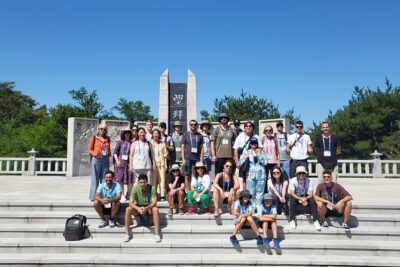
Best DMZ Tour Korea from Seoul (Red Suspension Bridge Optional)
Read our review →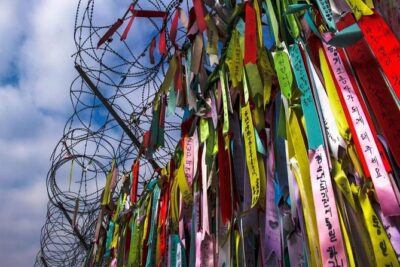
DMZ Tour: 3rd Tunnel, Option(Suspension Bridge, Boat) from Seoul
Read our review →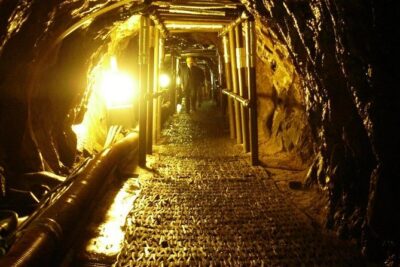
DMZ tour south Korea from Seoul (NK experience hall, defector)
Read our review →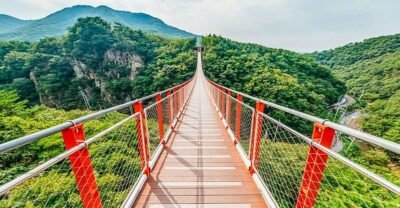
DMZ Insider Tour: 3rd Tunnel, NK Defector Meet & Red Bridge
Read our review →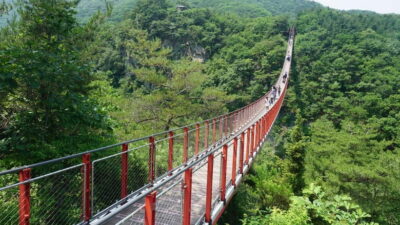
Thrilling Korean DMZ 3rd Tunnel Tour from Seoul + Red Bridge Rush
Read our review →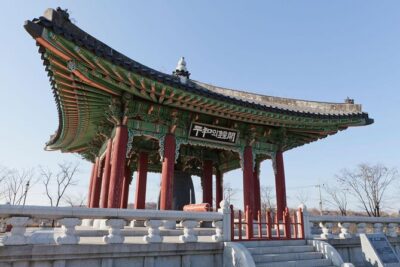
DMZ Past and Present: Korean Demilitarized Zone Tour from Seoul
Read our review →
Ultimate Korea DMZ Tour from Seoul (Gondola & Suspension Bridge)
Read our review →Browse the lists this tour appears in