
Reviewed · DMZ TOURS
Half Day Korea DMZ Tour/ opt: suspension bridge
The most striking part of this tour is not a grand monument. It is the odd, sobering feeling of looking across a heavily guarded border at an ordinary-looking village in North Korea. Dora Observatory gives you that glimpse, while the 3rd Infiltration Tunnel puts the division beneath your feet, quite literally.
I like the tour for two clear reasons: you get a strong history lesson from guides such as AJ, Grace, Sadie, Katie, and Lisa, and the half-day format leaves room for more of Seoul afterward. The coach ride also saves you the trouble of arranging transport to a restricted military area.
The main drawback is that this is a tightly controlled excursion. Military conditions can change the route without a refund, and the tunnel requires walking through a steep, narrow passage. Pickup details also need careful checking, since the advertised information refers both to hotel pickup and to meeting at City Hall.
Key points to know before you book
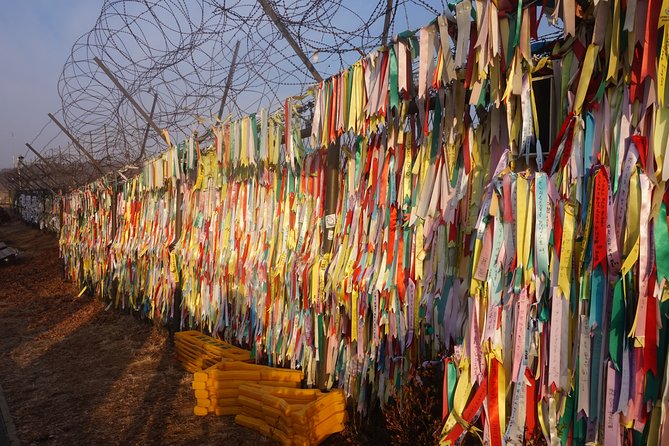
- The 3rd Infiltration Tunnel is the physical highlight: Expect a steep, narrow walk and a moderate workout.
- Dora Observatory depends on visibility: Binoculars provide a look toward Kijongdong in North Korea, but weather can limit the view.
- Your guide shapes the experience: AJ, Grace, Sadie, Katie, Lisa, Erica, Laura, and others are named by the operator as guides associated with highly praised tours.
- The tour lasts about six hours: It is long enough for the main DMZ sights but short enough to fit around a Seoul sightseeing plan.
- The route is subject to military conditions: A stop may be canceled for security or local reasons, with no refund.
- Bring your passport and wear proper shoes: A current passport is required, and comfortable clothes are strongly advised.
Why the DMZ is worth half a day from Seoul
The Korean Demilitarized Zone is not simply a photo stop at a border sign. It is the physical result of the Korean War and the continuing division of the peninsula. A good guide helps you connect the military sites with the people, families, and politics shaped by that division.
That context matters because the sights themselves can look surprisingly quiet. You may see hills, fields, a river, and a distant village rather than a dramatic battlefield. The tension comes from knowing what the fences, watchpoints, tunnel, and empty stretches of land represent.
This tour is a practical way to visit the area from Seoul. You ride an air-conditioned coach, hear explanations on the way, and arrive with the basic story already in place. The group can contain up to 40 people, so this is not a private or intimate outing, but a larger group also keeps the cost down.
At $35 per person, the price is appealing for a six-hour excursion that includes a guide and coach transport. Admission is included for the listed stops. The value is strongest if you want the major DMZ sights without spending a full day or arranging complicated transport yourself.
More DMZ Tours in Seoul:
- Best DMZ Tour Korea from Seoul (Red Suspension Bridge Optional)
★ 5.0 · 41,422 reviews - DMZ Tour: 3rd Tunnel, Option(Suspension Bridge, Boat) from Seoul
★ 5.0 · 21,373 reviews - DMZ tour south Korea from Seoul (NK experience hall, defector)
★ 5.0 · 20,599 reviews
Imjingak Park and the meaning of Freedom Bridge
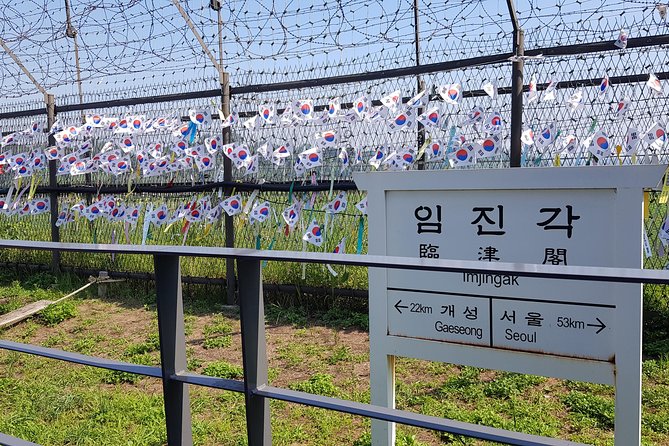
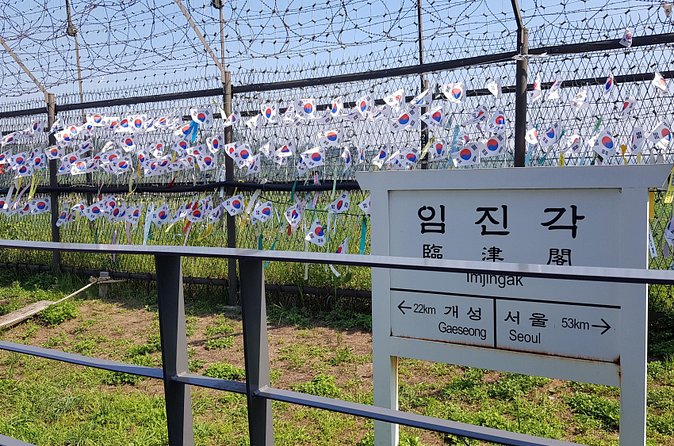
The first substantial stop is Imjingak Pyeonghoa-Nuri Park, near the Imjin River. You have about 30 minutes to look around, which is enough for the main displays but not enough for a slow visit.
The park contains artillery and other war artifacts connected with the Korean conflict. These objects give the history a physical edge. Instead of hearing only dates and political explanations, you see the machinery of war and the public memorials built around it.
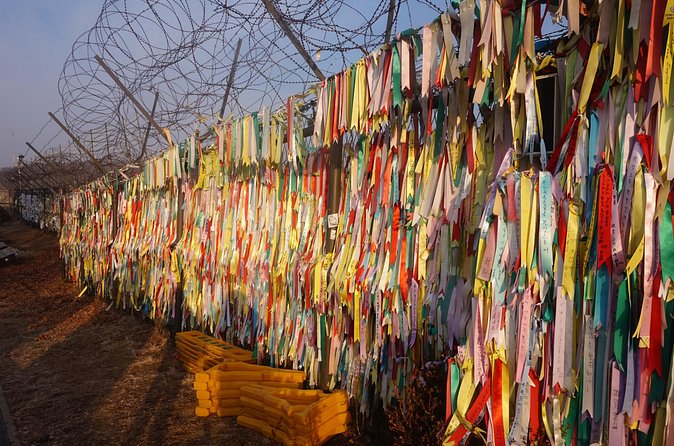
Freedom Bridge is the emotional focus here. Nearly 13,000 Korean prisoners of war crossed it on their way back home. That number is easy to read and quickly forget, but standing near the crossing helps make the postwar exchange more concrete.
You should expect this stop to feel more like an introduction than a full museum visit. The short time works well for a half-day tour, though anyone wanting extended time with photographs, memorials, and war exhibits may find it brisk.
Pay attention to the guide’s explanation of the bridge. The physical structure is modest, yet its importance comes from the people who crossed it and the families separated by the border. This is one place where a clear guide adds far more than a map or audio recording.
Walking into the 3rd Infiltration Tunnel
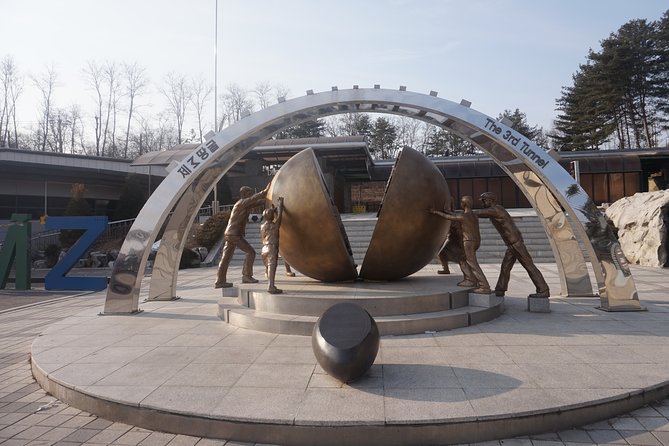
The tour then continues to the 3rd Infiltration Tunnel, built beneath the border area. This is the stop that requires the most effort and often leaves the strongest impression.
You walk through a steep, narrow passage where South Korea has blocked access to the Military Demarcation Line with concrete. The route involves a moderate amount of walking, and the tunnel can feel demanding because of the incline and confined space.
Wear shoes with a firm grip and avoid treating this as a casual stroll. Comfortable clothing will help, especially if you are visiting in warm weather or carrying a daypack. The operator specifically warns about the steep, narrow conditions, so take that seriously if you have mobility concerns.
The tunnel is valuable because it changes the scale of the conflict. At an observatory, the border is distant and visual. Here, the division feels close and engineered into the ground. You are not just hearing that the two Koreas remain separated. You are seeing the barriers that make the separation real.
The scheduled visit lasts about an hour. That time includes the walk and the surrounding explanation, so the exact amount of time underground may vary. Follow the guide’s instructions closely, and do not wander ahead of the group.
Dora Observatory and the view toward North Korea
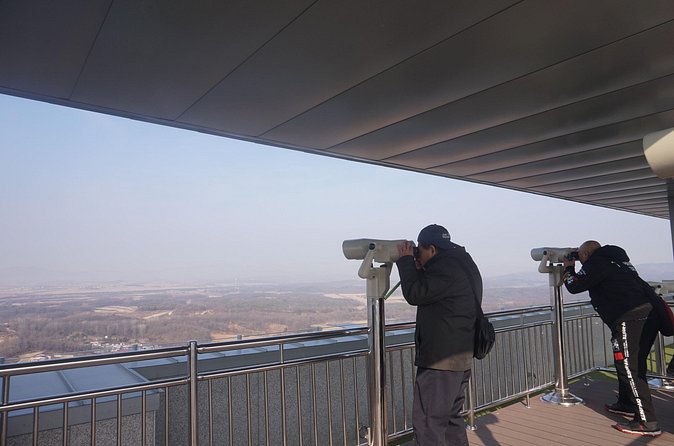
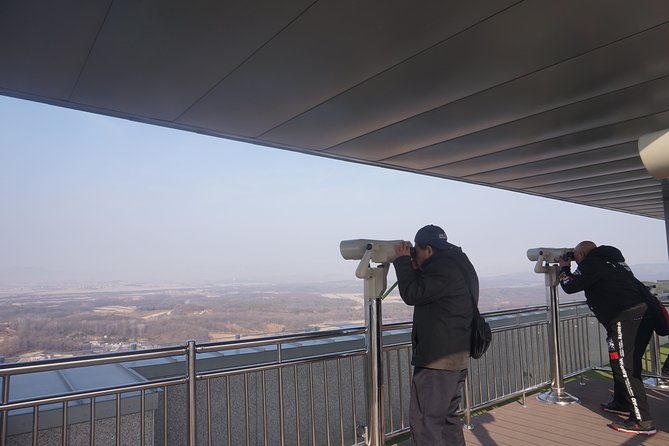
At Dora Observatory, binoculars let you look toward North Korea. The guide explains the village of Kijongdong across the border and discusses daily life in the area.
This is a controlled viewing experience, not a free-form lookout. Your guide will tell you where photography is allowed and when cameras must be put away. Take those directions seriously. The DMZ is an active security zone, not an ordinary scenic viewpoint.
The quality of the view depends on the weather. On a clear day, the distant village and surrounding area can be visible through the binoculars. Rain, haze, or gloomy conditions may reduce the experience, though the historical explanation still gives the stop value.
I would keep expectations realistic. You are not guaranteed a sharp, close view of North Korea, and the distant scene may look quiet or indistinct. The point is less about collecting a perfect photograph and more about grasping how close the two countries are geographically, despite the political distance between them.
The stop lasts about 30 minutes. That is enough to use the binoculars, listen to the explanation, and take permitted photographs. It is not enough for a leisurely observation session, but the timetable helps keep the half-day tour moving.
More Korea Suspension Bridge Tours in Seoul:
- Seoul: DMZ Tour with Optional Suspension Bridge
★ 4.8 · 5,277 reviews - Signature DMZ Tour: Exclusive Defector Talk & Suspension Bridge
★ 5.0 · 4,459 reviews - Ultimate Korea DMZ Tour from Seoul (Gondola & Suspension Bridge)
★ 5.0 · 2,396 reviews - DMZ; NK Defector, 3rd Tunnel, Suspension Bridge,Hotel pickup
★ 4.9 · 2,055 reviews
The guide can make or break the history lesson
The strongest praise for this experience centers on the guides. AJ is singled out for combining a firm grasp of Korean history with humor. Grace is repeatedly described as warm, energetic, and clear in her explanations. Sadie receives praise for communication, timing, and her ability to explain the DMZ’s background.
Katie is noted for keeping the group moving while remaining friendly and enthusiastic. Lisa is praised for making the material interesting and informative, while Erica is described as giving information on the coach and at each stop before allowing independent looking around.
Other named guides include Miel, Felicity, Chloe, Laura, Yeoni, Dora, and Erika. The exact guide is not guaranteed, so book this tour for the format and route rather than for one particular person.
Guide quality matters here more than on a simple sightseeing bus. The DMZ has few conventional attractions, and much of its meaning comes from explanation. A guide who speaks clearly, answers questions, and manages time well can turn a quiet border view into a useful lesson.
There has been at least one complaint about a guide being difficult to understand because of soft speech and limited English clarity. That appears to be an exception among the supplied feedback, but it is a fair reminder that communication can vary. If the history is your main reason for booking, pay attention to the guide’s announcements and ask questions when appropriate.
Transport, timing, and the City Hall meeting point
The tour takes about six hours and ends at City Hall. The supplied details are inconsistent about the beginning of the trip: the overview mentions hotel pickup, while the itinerary and meeting-point information say the tour starts and ends at City Hall. The additional information also says hotel pickup and drop-off are not included.
Do not assume a hotel pickup. Get the exact meeting location and departure time from Seoul City Tour before the day of departure. This is especially important because a missed bus caused by confusion over the date or meeting point is not refundable.
The coach is air-conditioned, a welcome feature for the ride out of central Seoul and back. The bus also gives your guide time to explain the Korean War and the border before you arrive. That preparation makes the stops easier to understand.
The group may reach 40 people. You should expect a shared coach, set departure times, and a group pace. The upside is a low price and simple transport. The downside is less flexibility if you want to linger at a memorial or spend extra time at the observatory.
The tour may be offered in a morning or afternoon version. A minimum of two adults is required to book the afternoon tour. Confirm the actual departure time, meeting place, and route before you make plans around it.
The optional suspension bridge
The title refers to an optional suspension bridge, but the supplied route details do not specify its name, location, price, duration, or whether it is included in every departure. Treat it as a possible add-on rather than a guaranteed part of the basic tour.
If the bridge option matters to you, ask the operator four questions before booking: Is it running on your date, how much extra does it cost, does it replace a listed stop, and how much additional walking is involved?
The core value of this excursion comes from Imjingak, the tunnel, and Dora Observatory. You should not book it solely for the bridge unless the operator confirms the details in writing.
How the price compares with the experience
At $35, this is inexpensive for a guided six-hour trip from Seoul to a restricted border area. You receive an expert guide and air-conditioned coach transport, with admission included for the listed sites.
The low price does come with limits. This is a group tour rather than a private outing, and the schedule leaves little room for personal exploration. The route can also change because of military conditions, with no refund if part of the itinerary is canceled for unexpected security or local reasons.
For many visitors, that trade-off makes sense. You get the essential sights, a history lesson, and a practical way to reach the DMZ. The cost is particularly reasonable if you have only a few days in Seoul and do not want to devote an entire day to the visit.
Who should book this DMZ tour?
I would recommend it to first-time visitors who want a clear introduction to the Korean War and the divided peninsula. It also suits people who prefer a structured excursion, need coach transport, or want to combine the DMZ with other Seoul plans.
History-minded visitors will get the most from the explanations at Freedom Bridge and the tunnel. The tour also works for anyone curious about modern Korea, even if military history is not usually a priority, because the border remains tied to present-day life.
You should think twice if you dislike fixed schedules, group transport, or strict photography rules. The tunnel is not suitable for everyone, and anyone who needs step-free access should confirm whether the route works for them before booking.
Bring your current passport. You do not need to send a copy in advance, but you must have the original on the day. Follow all guide instructions about photography and movement.
Free cancellation is available up to 24 hours before the start time for a full refund. Cancellations or changes made inside that period are not refunded or accepted.
Should you book it?
Book this tour if you want a low-cost, half-day introduction to the DMZ with the main sights covered and a guide to explain what you are seeing. The 3rd Infiltration Tunnel provides the strongest physical experience, while Dora Observatory offers the memorable chance to look toward North Korea.
Before paying, confirm the meeting point, pickup arrangement, departure time, and whether the suspension bridge is actually part of your departure. If those details are clear and you are comfortable with the walking, this is a sensible and worthwhile use of six hours in Seoul.
FAQ
How long does the DMZ tour last?
The tour lasts approximately six hours, including coach travel from Seoul, the scheduled stops, and the return to City Hall.
Where does the tour start and end?
The stated meeting point and end point are both City Hall in Seoul. Because the information also refers to hotel pickup, confirm the exact arrangement with Seoul City Tour before departure.
Is hotel pickup included?
The supplied details conflict. The overview mentions hotel pickup, but the additional information says hotel pickup and drop-off are not included. Confirm directly with the operator.
Do I need a passport?
Yes. You must bring a current valid passport on the day of travel. You do not need to send a copy before the tour.
Is the 3rd Infiltration Tunnel difficult to walk through?
A moderate amount of walking through a steep and narrow tunnel is involved. Comfortable clothes and shoes are recommended.
Can I take photographs at the DMZ?
You can take photographs only when and where the guide permits them. Follow the guide’s instructions throughout the visit.
What happens if military conditions cancel part of the route?
If a part of the itinerary is canceled because of unexpected military conditions or local circumstances, there is no refund.
Just added around Seoul
- Gyeongbokgung palace,seoul with gigibebe hanbok rental★ 4.5 · 12 reviews
- Private tour guide service in Seoul, Korea★ 5.0 · 6 reviews
- Alpaca, Nami, Petite Fr, Italian Village, Garden of Morning Calm★ 3.5 · 5 reviews
- Gyeongju UNESCO Sites Tour by KTX train; The Museum Without walls★ 4.5 · 11 reviews
- Private day trip to Korean Folk Village & Dae Jang Geum Park★ 5.0 · 7 reviews
- Private tour Lotte World,Tower,Aquarium(All Tickets are included)★ 5.0 · 12 reviews
- Full Day Private Seoul Tour for foodies★ 5.0 · 3 reviews
- Seoul Private Custom Walking Tour with A Guide (Private Tour)★ 4.5 · 28 reviews
DMZ Tours, compared.
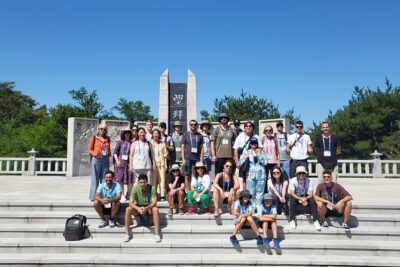
Best DMZ Tour Korea from Seoul (Red Suspension Bridge Optional)
Read our review →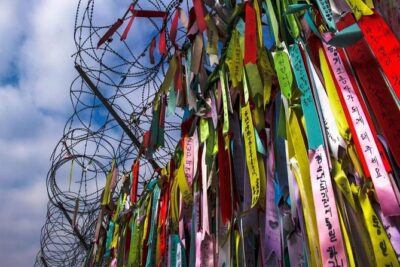
DMZ Tour: 3rd Tunnel, Option(Suspension Bridge, Boat) from Seoul
Read our review →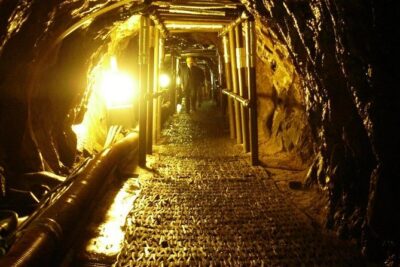
DMZ tour south Korea from Seoul (NK experience hall, defector)
Read our review →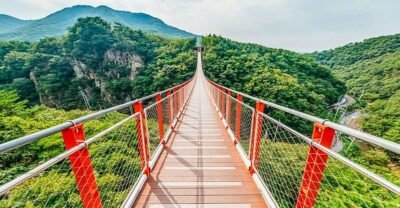
DMZ Insider Tour: 3rd Tunnel, NK Defector Meet & Red Bridge
Read our review →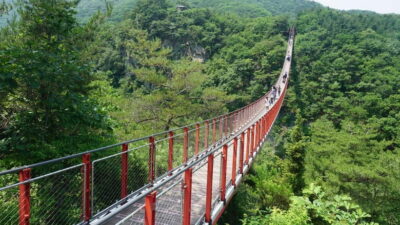
Thrilling Korean DMZ 3rd Tunnel Tour from Seoul + Red Bridge Rush
Read our review →
DMZ Past and Present: Korean Demilitarized Zone Tour from Seoul
Read our review →
Ultimate Korea DMZ Tour from Seoul (Gondola & Suspension Bridge)
Read our review →Browse the lists this tour appears in