
Reviewed · DMZ TOURS
Half-Day South Korea DMZ Small-Group Tour from Seoul
The most striking part of this half-day outing is the chance to walk inside the 3rd Tunnel, a passage dug beneath the border for a possible North Korean military advance. You also reach Dora Observatory, where the view extends toward North Korea and places such as Gaeseong and Songaksan.
I like the efficient route, which combines war memorials, Freedom Bridge, the tunnel, and the observatory in about six and a half hours. I also like the small-group format, English commentary, and included transportation, especially with guide Henry Park, who is praised for clear explanations, good timing, and helpful food advice. The main drawback is that DMZ access is controlled day by day, so your exact schedule or entry may change, and the tour is non-refundable once booked.
Key points to know before you book
- The original passport is mandatory: A copy, scan, or passport photo will not get you into the DMZ.
- The 3rd Tunnel is the physical highlight: You walk below ground through a narrow passage discovered in 1978.
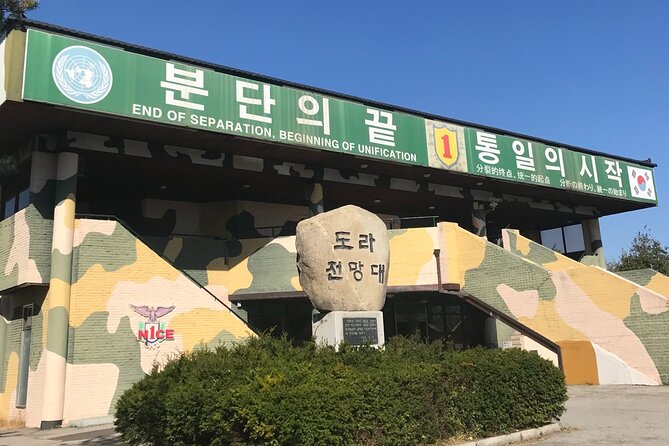
- Dora Observatory faces North Korea: You may see Gaeseong, Songaksan, and other sites across the border.
- Tickets are limited: DMZ admission is first come, first served, so booking about one month ahead is sensible.
- The $500 rate is per group: Up to four people are covered, making the cost about $125 each for a full group.
- The day includes shopping stops: A ginseng museum and duty-free shop are added after the main DMZ visits.
Why the DMZ makes a strong half-day trip from Seoul
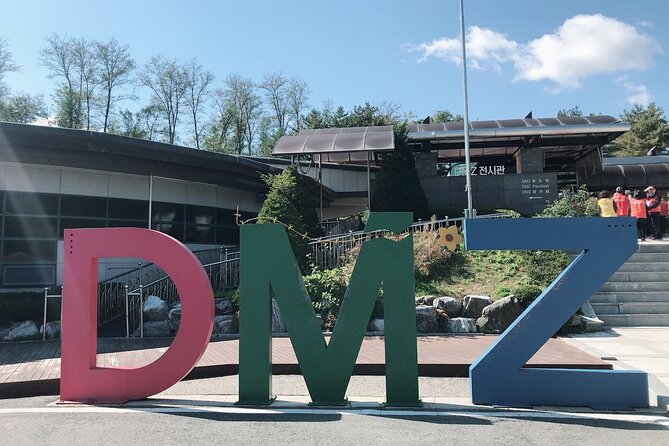
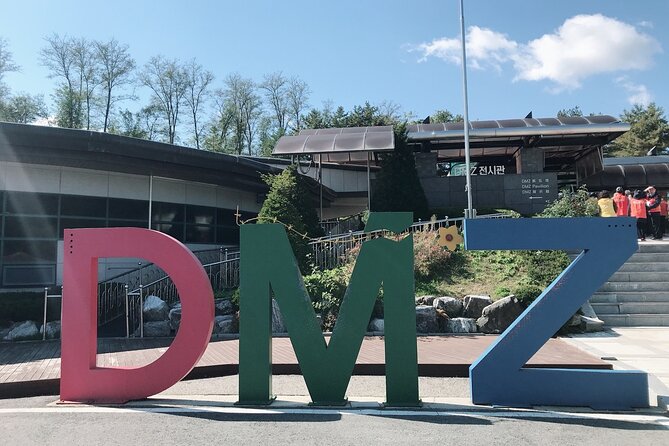
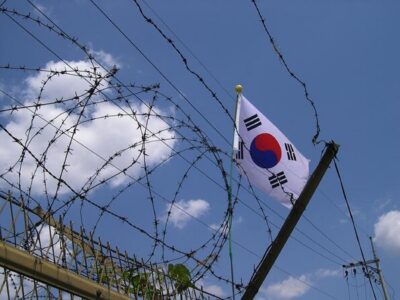
The Korean Demilitarized Zone is not simply another sightseeing stop. It is a living border shaped by the Korean War and the continuing separation of North and South Korea. The tour gives you several ways to understand that divide: memorials at Imjingak, a former return route at Freedom Bridge, a military tunnel below ground, and a lookout facing North Korea.
I like this mix because no single stop has to carry the whole experience. The memorial park gives you emotional context. The tunnel makes the military threat feel physical. The observatory places the division in front of your eyes rather than on a museum label.
The outing begins at 8:00 a.m. in Seoul and lasts about six hours and thirty minutes. Transport and all listed fees are included, so you do not have to arrange a separate vehicle or navigate the border area on your own. The tour returns to Seoul City Hall, at 110 Sejong-daero near Subway Line 1.
The group can be as large as 10 people, while the advertised price is $500 per group of up to four. For four people, that works out to about $125 each. That is not a budget bus trip, but it can be fair value if you want door-to-door transport, an English-speaking guide, and a focused route without piecing together several trains, buses, and admission arrangements yourself.
More DMZ Tours in Seoul:
- Best DMZ Tour Korea from Seoul (Red Suspension Bridge Optional)
★ 5.0 · 41,422 reviews - DMZ Tour: 3rd Tunnel, Option(Suspension Bridge, Boat) from Seoul
★ 5.0 · 21,373 reviews - DMZ tour south Korea from Seoul (NK experience hall, defector)
★ 5.0 · 20,599 reviews
Imjingak Pyeonghoa-Nuri Park and the first look at separation
Your first stop is Imjingak Pyeonghoa-Nuri Park, about 7 kilometers from the Military Demarcation Line. You have 45 minutes here, with admission included.
The park contains statues and monuments linked to the Korean War. Its purpose is not only to remember the conflict but also to express hope for future unification. That gives the morning a useful starting point. Before you reach the tunnel or look toward North Korea, you are reminded that the border affects families, memory, and national identity.
I would use this time to listen closely to the guide rather than rush from monument to monument. Henry Park is the guide named in the available tour feedback, and his strengths are described as strong timing, clear cultural explanations, and a friendly, professional manner. A guide who can connect the memorials to modern Korean life adds real value here.
The stop is still fairly brief. You will not have hours to study every monument, and the park may feel more like an introduction than a complete museum visit. That is a reasonable tradeoff on a half-day schedule, but visitors wanting a long, quiet memorial visit may find the pace quick.
Freedom Bridge and the meaning of a plain structure
The next stop is Freedom Bridge in Paju, with about 20 minutes and no separate admission charge. Architecturally, the bridge is not grand. Its meaning comes from what happened there, not from its design.
The bridge was used by South Koreans returning from the North after the Korean War. That detail gives the site a strong human connection. It was a route for people coming home, and it now serves as a reminder of the families and communities divided by the border.
You should expect a short visit rather than a long walk or a major attraction. Twenty minutes is enough to take in the setting and hear the explanation, but not enough for a slow, detailed exploration. This is one of those places where the guide’s commentary matters more than the physical structure.
I like that the tour includes Freedom Bridge instead of treating the DMZ as a collection of military viewpoints. It brings the story back to ordinary people. If your interest is mainly scenery or dramatic engineering, this will be a modest stop. If you want the human side of the division, it earns its place.
Walking the 3rd Tunnel beneath the border
The 3rd Tunnel is likely to be the most memorable part of the day. South Korean forces discovered it in 1978. The tunnel runs about 1,635 meters, measures roughly 2 meters wide and 2 meters high, and is located about 52 kilometers from Seoul.
The passage was built beneath the border and is estimated to have been capable of moving about 30,000 soldiers in a short period. Those numbers help explain why the tunnel matters. You are not only looking at an old military site. You are walking through evidence of the planning and tension that shaped the DMZ.
The scheduled visit lasts 45 minutes. The tunnel is narrow and low, so you should be ready for a physically active portion of the tour. The provided details do not specify an accessibility arrangement, so anyone with mobility concerns should confirm suitability before booking.
There is no separate admission charge listed for the tunnel, but that does not mean the stop is casual or unrestricted. DMZ entry rules apply, and you must carry your original passport. A passport copy or photo is specifically not accepted.
I like the tunnel because it changes the scale of the story. At Imjingak, you think about war and separation in broad terms. Inside the tunnel, the setting becomes close, dark, and practical. You can picture how difficult it would have been to discover and secure such a passage.
The tunnel will not suit everyone. The low ceiling and confined space may be uncomfortable, and anyone expecting a polished tourist attraction may find the visit stark. That is part of its value, but it is worth knowing before you commit to the outing.
A few more Seoul trips to weigh up
- Seoul: Half-Day DMZ Tour Led by a Retired Military Officer
★ 4.9 · 1,399 reviews - Busan Half-Day Customizable Private Tour in English
★ 5.0 · 34 reviews - Jeju Private Half-Day Tour for Cruise Customers
★ 5.0 · 9 reviews - Jeju Private Half-Day Tour – UNESCO SITE Seongsan illchulbong
★ 5.0 · 3 reviews
Dora Observatory and the view toward North Korea
Dora Observatory is located near the 3rd Tunnel and allows you to look into North Korea. You have about 45 minutes here, with admission included.
From the observatory, the view can include Gaeseong, Songaksan, and the Kim Il-Sung statue area, along with other locations across the border. The exact quality of what you see will depend on conditions and the operating rules in effect that day. The significance is less about a perfect photograph and more about recognizing that an active national border is directly in front of you.
This is the point where the tour can feel most immediate. North Korea is not presented as an abstract country on a map. You are looking across the divide from a South Korean observation point, with the guide explaining what you are seeing and why the location matters.
You should keep your expectations measured. Political and military conditions can restrict access or limit what is available. One piece of tour feedback noted that the actual situation meant not everything expected could be seen, but that the guide’s experience helped keep the day worthwhile. That is useful advice: book this for the broader DMZ experience, not for one guaranteed view.
I would also listen for the guide’s explanations rather than focus only on binoculars or photographs. The observatory has value because it connects geography, politics, and family separation in one place. It is a quiet stop, but not an empty one.
The ginseng museum and duty-free shop
After the principal DMZ stops, the route includes a 30-minute visit to a ginseng museum and duty-free shop in Seoul.
At the ginseng museum, you can learn about the plant’s history, different types, and claimed positive effects. It is a short educational stop and may appeal if you want to understand one of Korea’s best-known traditional products. It can also feel less essential than the border sites, particularly if your main goal is military history.
The duty-free stop offers boutiques and luxury high-fashion brands. This gives you a chance to browse or shop, but it is also the clearest sign that the tour is not a pure DMZ history program. Some people will appreciate the chance to buy gifts or browse familiar labels. Others may prefer every available minute at the border.
Because the tour is advertised as a half-day DMZ visit, these stops help fill out the return route but may not be the reason you book. If you have limited time in Seoul and no interest in shopping, treat them as brief add-ons rather than major attractions.
What the guide and transport add to the day
All transportation is included, along with an English-speaking guide who provides commentary. That matters because the DMZ is not an area where independent wandering is always simple. Entry is limited, the rules can shift, and several stops have meaning that is easy to miss without context.
Henry Park receives repeated praise for being friendly, organized, professional, and generous with practical help. His driving and time management are also singled out, and his food recommendations have been useful to people continuing their Seoul visit. The feedback also describes him guiding broader Seoul sightseeing, including Gyeongbokgung, Bukchon, and Insadong, but this booking is specifically the DMZ outing.
You should not assume Henry will lead every departure. Guide assignment can vary, so confirm that point if his involvement is important to you. Regardless of the guide, the included transport is a major part of the price because it keeps the route together and returns you to central Seoul.
The maximum group size is 10. That is small enough for guide interaction to be possible, though the $500 price is stated for a group of up to four. If you are booking with fewer than four people, ask how the group rate and group composition will work before paying.
Passport rules, tickets, and the booking decision
The original passport requirement is the most important practical detail. You must bring the physical passport used for the booking. A photocopy, digital image, or photograph will not be accepted for DMZ entry.
Tickets are limited each day and sold on a first come, first served basis. Booking about one month before the preferred date is suggested. Last-minute reservations may be possible, but only on random schedules, so they are a poor choice if your Seoul plans are tight.
Confirmation is sent within 48 hours of booking, subject to availability. The activity is non-refundable and cannot be changed for personal reasons, so check your dates carefully before committing. If poor weather causes the operator to cancel, you will be offered another date or a full refund.
The tour includes all listed fees and transportation, but not lunch, accommodation, or personal expenses. Plan to eat before or after the outing, since no meal is included in the six-and-a-half-hour schedule.
Who will get the most from this DMZ tour
I would recommend this experience to you if you want a clear introduction to the Korean War and the continuing division of the peninsula without arranging the transport yourself. It works well for first-time visitors, couples, families, and small groups who value a guide’s explanations and a fixed route.
It is also a good match if you want more than a viewpoint. The combination of memorials, a return bridge, a tunnel, and an observatory gives you several angles on the subject.
I would hesitate if you dislike confined spaces, cannot manage the tunnel walk, want a relaxed shopping-free morning, or need a fully flexible cancellation policy. I would also hesitate if your top priority is a guaranteed, close view of North Korea. Border access and visibility are not fully within the operator’s control.
Should you book the South Korea DMZ Small-Group Tour?
Book it if the original passport rule works for you, you can reserve well ahead, and you want a guided look at one of Korea’s most important modern sites. The strongest reasons are the 3rd Tunnel, the human story at Freedom Bridge, and the chance to face North Korea from Dora Observatory.
The $500 group price makes the most sense for four people sharing the booking. You are paying for transport, admission arrangements, English commentary, and a tightly planned route rather than just entry to one attraction.
Go in with realistic expectations. The DMZ is a controlled military area, not a standard sightseeing district. Schedules and views can change, but the memorials, tunnel, and border setting still make this a worthwhile half-day from Seoul.
FAQ
Where does the tour begin?
The tour begins in Seoul at 8:00 a.m. The listed end point is Seoul City Hall, 110 Sejong-daero, Jung District, near City Hall Subway Station on Line 1.
How long does the DMZ tour last?
The experience lasts approximately six hours and thirty minutes.
How many people can join the tour?
The activity has a maximum of 10 travelers. The advertised price is $500 per group for up to four people.
Is an original passport required?
Yes. You must bring your original passport to enter the DMZ. A copy or photograph of the passport is not accepted.
What should I expect at Imjingak Pyeonghoa-Nuri Park?
You have 45 minutes at the park, where you can see statues and monuments connected with the Korean War and hopes for future unification. Admission is included.
Can I walk through the 3rd Tunnel?
Yes. The itinerary includes about 45 minutes at the 3rd Tunnel, which was discovered in 1978. It is approximately 1,635 meters long, 2 meters wide, and 2 meters high.
Can I see North Korea on the tour?
Dora Observatory provides views toward North Korea, including locations such as Gaeseong and Songaksan. What is visible or accessible can depend on the conditions and rules on the day.
Is lunch included?
No. Lunch is not included. Accommodation and personal expenses are also excluded.
What happens if bad weather cancels the tour?
If the operator cancels because of poor weather, you can choose another date or receive a full refund. Personal cancellations or requested changes are non-refundable.
Just added around Seoul
- Private tour guide service in Seoul, Korea★ 5.0 · 6 reviews
- Alpaca, Nami, Petite Fr, Italian Village, Garden of Morning Calm★ 3.5 · 5 reviews
- Gyeongbokgung palace,seoul with gigibebe hanbok rental★ 4.5 · 12 reviews
- Gyeongju UNESCO Sites Tour by KTX train; The Museum Without walls★ 4.5 · 11 reviews
- Private day trip to Korean Folk Village & Dae Jang Geum Park★ 5.0 · 7 reviews
- Private tour Lotte World,Tower,Aquarium(All Tickets are included)★ 5.0 · 12 reviews
- Full Day Private Seoul Tour for foodies★ 5.0 · 3 reviews
- Seoul Private Custom Walking Tour with A Guide (Private Tour)★ 4.5 · 28 reviews
DMZ Tours, compared.
Best DMZ Tour Korea from Seoul (Red Suspension Bridge Optional)
Read our review →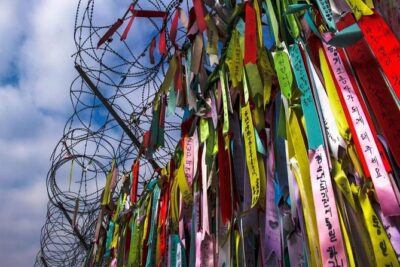
DMZ Tour: 3rd Tunnel, Option(Suspension Bridge, Boat) from Seoul
Read our review →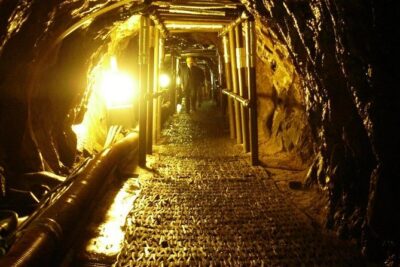
DMZ tour south Korea from Seoul (NK experience hall, defector)
Read our review →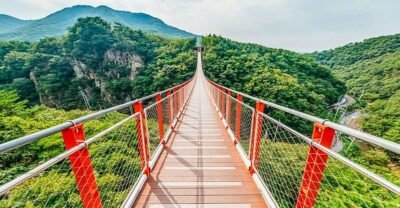
DMZ Insider Tour: 3rd Tunnel, NK Defector Meet & Red Bridge
Read our review →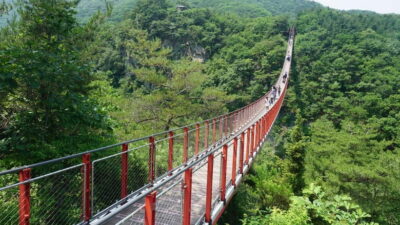
Thrilling Korean DMZ 3rd Tunnel Tour from Seoul + Red Bridge Rush
Read our review →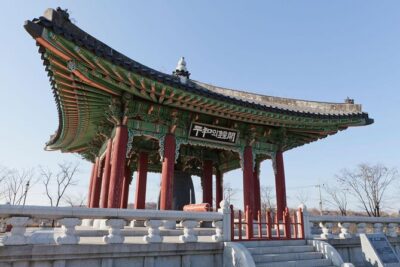
DMZ Past and Present: Korean Demilitarized Zone Tour from Seoul
Read our review →
Ultimate Korea DMZ Tour from Seoul (Gondola & Suspension Bridge)
Read our review →Browse the lists this tour appears in