
Reviewed · HISTORICAL TOURS
Incheon Port History Tour by 19th Century Electric Car, KTourTOP10
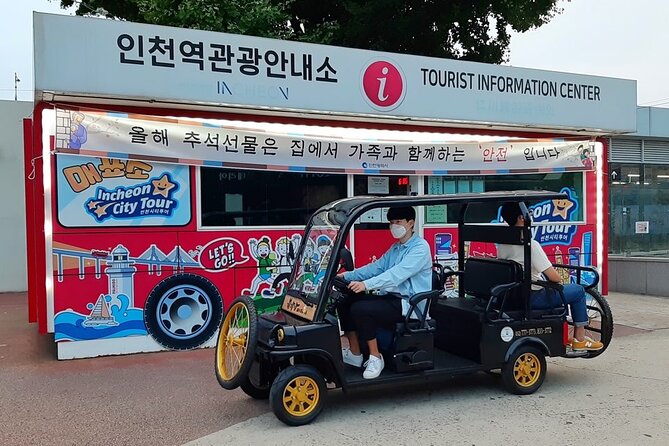
Incheon’s old port district is easiest to understand from a slow-moving electric car, and this tour gives you a quick look at the streets where Chinese, Japanese, and Western communities once lived and worked. I like the unusual vehicle and the way it links several scattered sights in only 50 minutes. I also like the stop at Jemulpo Club, one of the area’s most distinctive historic buildings.
The main drawback is that the experience may feel more like a moving introduction than a full historical tour. One driver spoke no English and relied on recorded commentary, while another guide, Soonie, gave a much more personal and useful explanation. Confirm the language arrangements before you go, especially if you are booking this during a short airport layover.
Key points to know before booking
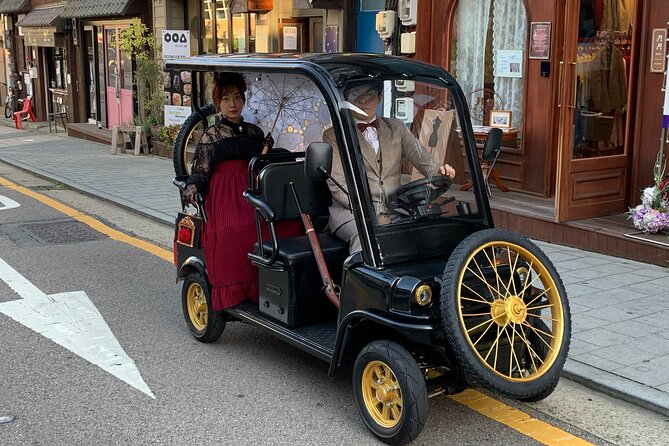
- A 50-minute electric-car circuit: You cover several parts of Incheon’s open-port district without walking every hill and stairway.
- A practical introduction to old Incheon: The route connects Chinatown, former foreign settlements, murals, churches, museums, and port-era buildings.
- The guide makes a real difference: Soonie received special praise for patiently explaining the area and adjusting a tour time when needed.
- English service may vary: Some departures may use prerecorded commentary rather than live English explanations.
- Good value for up to three people: The $45 group price works out to $15 per person when three people share it.
- A short tour with a clear limit: Expect an overview, not extended visits inside every attraction.
Why this electric car is a smart way to see Incheon
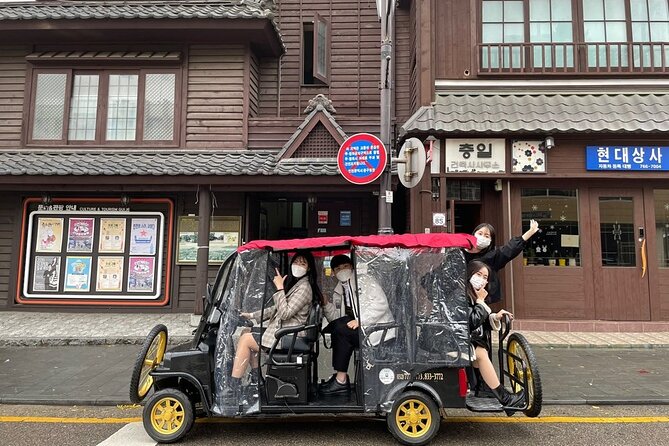
Incheon’s open-port district packs a lot into a small area, but the sights do not all feel connected at first. One street has Chinese religious buildings, another has Japanese and foreign-settlement history, and nearby stairways climb toward Jayu Park. The electric car gives you a simple thread through it all.
The vehicle is designed in a 19th-century style, though it is electric rather than a genuine historic automobile. That is part of the fun. You get the look and atmosphere of an old-fashioned city ride without the noise and fumes of a conventional vehicle. It also saves your legs for the places you want to explore afterward.
This is not a private car for only one booking. The activity can include up to 20 people, so the exact feel depends on the departure. The price is $45 per group of up to three, which makes the outing particularly reasonable for a family or small party. For one person, the price is less impressive, but you are paying for the vehicle, driver, and a compact route through several sites.
The tour lasts about 50 minutes. That timing works well if you have a short break in Incheon, want a first look before exploring on foot, or need an easy sightseeing option for people who do not want a long walk. It may disappoint you if you expect a full afternoon of museum visits and detailed history.
A few more Incheon trips to weigh up
- From Busan: Gyeongju UNESCO World Heritage Guided Day Tour
★ 4.8 · 1,250 reviews - Gyeongju UNESCO World Heritage Guided Day Tour from Busan
★ 5.0 · 660 reviews - Seoul: Evening Dark History, Folklore & Ghost Story Walking Tour
★ 5.0 · 593 reviews
Starting at Incheon Art Platform
The meeting point is at 266 Jemullyang-ro in Jung-gu, and the route begins near Incheon Art Platform. The red-brick complex is an appropriate starting place because it connects the modern arts scene with the port’s earlier period.
The buildings preserve the feel of the open-port era, while the site now hosts exhibitions and performances involving art, music, literature, and film. From the car, you mainly use it as an orientation point rather than a long gallery visit. If you want to see an exhibition, allow separate time before or after the ride.
I like this opening because it keeps the tour from treating Incheon as only a food stop or a set of colorful streets. The port district has been reused, not simply frozen in place. You get an early sense that old buildings here serve present-day purposes too.
The foreign settlement stairway and Jayu Park connection
The Cheongiljogyeji Stairway area helps explain how the open port was divided. The Chinese and Japanese sections sit around the stairs, and the term Jogye refers to a designated area for foreign residents or trade.
The route also connects this part of town with Jayu Park. From the area, you can see toward the Incheon Sea, giving the port story a useful physical setting. This is more meaningful than simply hearing that Incheon was important. You can see how the elevated streets relate to the harbor below.
Do not expect a long stop here. The car can point out the stairway and surrounding district, but you may not have time to climb, take extensive photographs, or study every building. If the commentary is prerecorded, you may receive only a short explanation of why the boundary mattered.
For me, this is one of the places where a good live guide adds value. A guide can explain the division in plain language and help you notice the contrast between the Chinese and Japanese sides. Without that help, the stairway can look like an attractive photo stop with a story that is easy to miss.
Haean Catholic Church and the Chinese community
Haean Catholic Church adds a different layer to the route. Built in the 1960s, it served Catholics among the overseas Chinese community in Incheon. Its importance is both religious and social, since it reflects the lives of people who had settled in the city rather than passing through the port briefly.
This stop also keeps the tour from focusing only on the late 19th century. Incheon’s port story continued into the 20th century, and the church points to the Chinese community’s lasting presence.
You will probably see the church from outside or receive a brief explanation while passing. The 50-minute format does not allow a detailed architectural visit. Still, it is a useful reminder that Chinatown is not just a themed commercial area. It has religious institutions and community roots.
Same country, a completely different kind of day:
- Private Airport Transfer: Incheon Airport to Seoul City (1-5 pax)
★ 5.0 · 92 reviews - Private Layover Tour from Incheon Airport to Seoul
★ 5.0 · 78 reviews - Seoul Layover Private Tour from Incheon Airport
★ 5.0 · 65 reviews - (P/Transfer) Incheon Airport ↔ Seoul (Up to 5 Pax)
★ 5.0 · 61 reviews
Chinatown and the Jjajangmyeon Museum
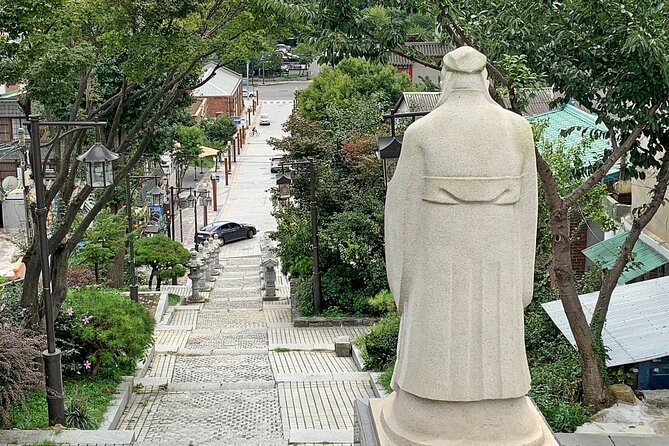
Chinatown is the route’s most recognizable section, with Chinese-style architecture, food shops, shrines, and painted streets. The electric car lets you take in the area without committing your whole visit to walking through every lane.
The Jjajangmyeon Museum is one of the most specific stops. It occupies the site of Gonghwachun, described as the first original jjajangmyeon restaurant. Inside, displays cover the dish, the restaurant, and related objects. This gives you a direct link between migration, port life, and one of Korea’s best-known noodle dishes.
The museum is a highlight if you like food history. It shows how a familiar dish can carry a story about Chinese residents and changing Korean tastes. You should keep your expectations measured, though. This tour includes the museum as a stop on the route, but it does not include admission or promise a long indoor visit.
Meals and snacks are not included. That is not a serious problem in this district, where you can arrange food separately, but do not assume the 50-minute ride includes a tasting. The tour is about seeing and hearing, not eating your way through Chinatown.
Euiseon-dang, a place for comfort and belief
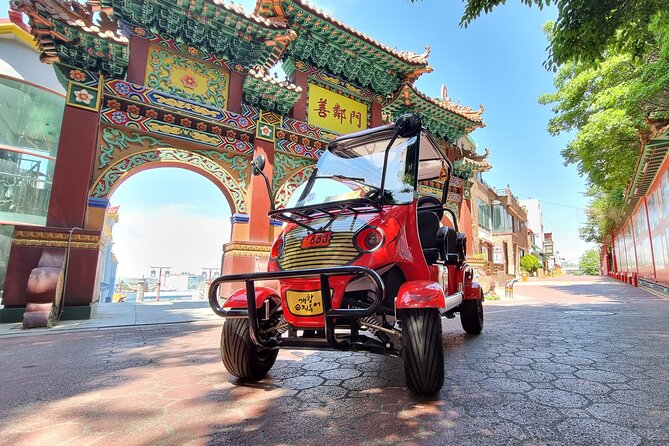
Inside Chinatown, Euiseon-dang is a Chinese-style shrine built by Chinese immigrants. It was created as a place of comfort for people who had left their homeland and faced the loneliness and difficulty of settlement in a new country.
That detail gives the shrine emotional weight without requiring a long lecture. Ports are often described through trade figures and foreign concessions, but Euiseon-dang brings the focus back to ordinary people and their need for community.
The stop may be brief, and the shrine is part of a wider Chinatown route rather than a separate extended visit. I would pay close attention here if your guide is speaking live. The basic shape of the building may be easy to see, but its purpose is the part that makes the stop worthwhile.
Donghwa Village and the fairytale streets
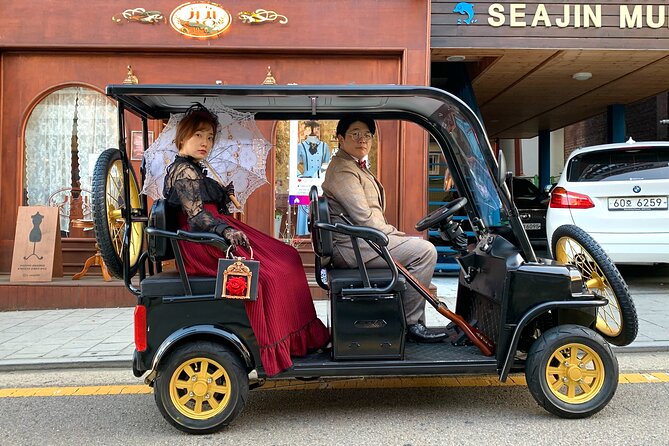
Songwol-dong was once home to foreign residents after Incheon Port opened in 1883. As younger residents moved away decades later, older people remained, and the area was later remade as Donghwa Village.
This is the tour’s most playful section. The fairytale-style streets and painted features are colorful and deliberately cheerful, but they can also feel a little manufactured. One piece of feedback described the sights as somewhat cheesy while still calling the tour a fun way to spend an hour. That is a fair assessment.
You should come here for atmosphere and photographs, not for untouched old-town character. The value lies in seeing how Incheon has tried to give a declining neighborhood a new role. The electric car is useful because it lets you see the transformation quickly, without pretending the area is something it is not.
If you have children, this may be one of the easiest parts of the route to enjoy. If you prefer quiet historic streets with little commercial styling, it may be your least favorite stop.
Chohanji and Three Kingdoms Mural Street
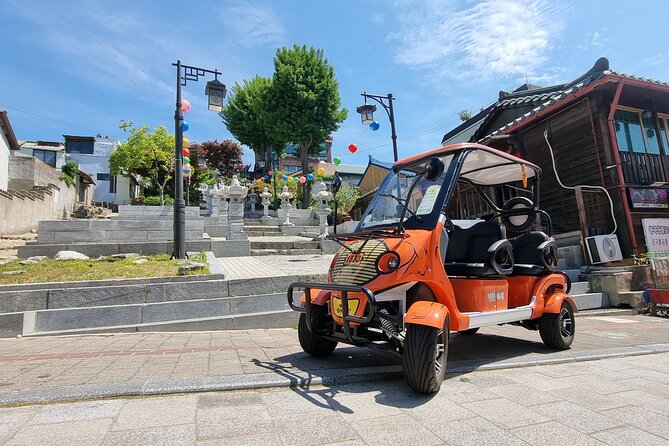
The mural streets bring Chinese literary and historical themes into the open-port route. Chohanji and the Three Kingdoms refer to well-known Chinese stories, and the painted scenes illustrate characters and events from those works.
The murals are accessible and easy to photograph from the car, though the short duration limits how closely you can study them. Their value is visual as much as historical. Even if you do not know the stories, the images help explain the cultural identity Chinatown wants to present.
This is another place where expectations matter. The murals are public art in a visitor district, not an archaeological site. I would treat them as a colorful chapter in the neighborhood’s modern presentation rather than as evidence of an unchanged historic quarter.
Jemulpo Club, the strongest historic stop
Jemulpo Club is the named stop with the clearest connection to the foreign community that developed around Incheon Port. It began in 1901 as a social club for foreigners living in Incheon, with a social room, billiard room, reading room, and outdoor tennis court.
The building later changed use during the Japanese colonial period in 1914. That later history matters because the same structure reflects several stages of Incheon’s modern past. You are not just seeing an attractive old building. You are seeing a place designed for the foreign residents who gathered in the port city.
The stop is listed as about five minutes, with admission included at no extra charge. That is enough for an exterior look and a short explanation, but not enough for a leisurely interior visit. If Jemulpo Club interests you most, plan to return independently if your schedule allows.
I especially like this stop because it gives the tour a firm historical anchor. Chinatown and the painted streets are lively and easy to enjoy, but Jemulpo Club explains how the port functioned as an international meeting point.
Live guiding, recorded commentary, and language concerns
Your experience can change sharply depending on who operates the vehicle and how the commentary is delivered. One driver was described as pleasant but spoke no English, leaving recorded commentary as the main source of information. Important sights were sometimes only pointed out.
That does not make the ride useless. You still see the route, and a prerecorded explanation can cover the basic facts. But if you want to ask why a building matters, clarify a date, or connect one stop to the next, limited English is a real disadvantage.
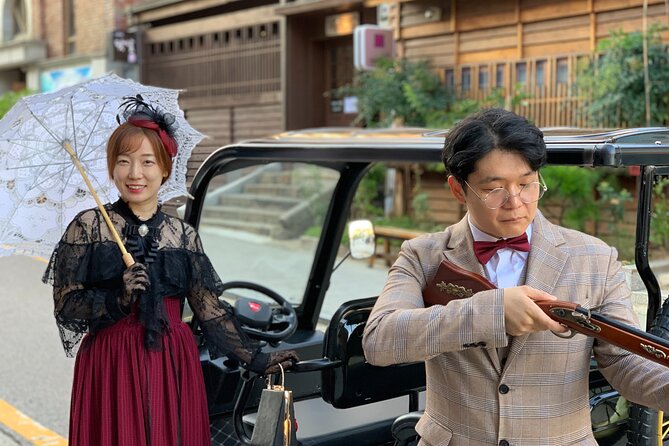
Another guide named Soonie made a much stronger impression. She patiently explained the historical parts of old Incheon and even accommodated a request to move the booking to a later time. That flexibility and personal explanation are exactly what make a short tour feel worthwhile.
I recommend confirming the expected language support before arrival. Do not assume every departure offers the same live English guiding. This is especially important if the ride is your main chance to see Incheon during a long layover.
Timing, comfort, and value at $45 per group
At $45 per group of up to three, the arithmetic is simple. Three people pay about $15 each, which is fair for a guided 50-minute circuit in a distinctive vehicle. Two people pay $22.50 each, and one person pays the full group price.
The value is strongest when you see the ride as an orientation. It saves time, covers a broad set of sights, and gives you a map of what deserves a second look. The value drops if you want every stop explained in detail or expect a long trip. One person felt the ride was short for the price, despite liking the guide and vehicle.
Several departure times are offered, which helps if you are fitting this around flights or other plans. The activity begins and ends at the same meeting point. It is near public transportation, and most people can participate. Service animals are allowed.
Book with some care around weather. The tour requires good conditions, and a cancellation for poor weather leads to either a different date or a full refund. You can cancel for a full refund up to 24 hours before the start time, but changes or cancellations inside that window are not accepted. Confirmation is provided when you book.
Who should book this Incheon tour?
I would choose this for a first look at old Incheon, a family outing, or a short layover when walking through the whole district is not practical. It also suits anyone who wants a gentle ride with visual variety rather than a formal museum lecture.
It is a good match for you if you enjoy:
- Short guided outings with several different stops
- Food culture, Chinatown, and immigrant history
- Colorful streets and easy photography
- Historic buildings viewed in context
- A small-party price that works well for up to three people
I would think twice if you need guaranteed live English, want extensive time inside museums, or dislike modern decorative attractions such as fairytale streets and murals. The route mixes genuine historic sites with newer visitor-oriented presentation.
Should you book the old-port electric car ride?
Book it if you want a quick, comfortable introduction to Incheon’s open port and can accept that the tour lasts only 50 minutes. The vehicle is memorable, the route covers more ground than a casual stroll, and Jemulpo Club, Chinatown, the Jjajangmyeon Museum, and Euiseon-dang give the outing real substance.
Before paying, confirm the departure and language support. That single step may determine whether you receive a personal history lesson like the one Soonie provided or a pleasant ride with recorded information. For three people, the $45 price is sensible. For one person, book only if the convenience and unusual vehicle matter more to you than a longer tour.
FAQ
How long does the Incheon Port History Tour last?
The tour lasts approximately 50 minutes.
What type of vehicle is used?
You ride in an eco-friendly electric vehicle designed in a 19th-century style.
How much does the tour cost?
The price is $45 per group, for up to three people.
Where does the tour begin?
The meeting point is 266 Jemullyang-ro, Jung-gu, Incheon, South Korea.
Where does the tour end?
The activity ends back at the meeting point.
What sights are included on the route?
The route includes Incheon Art Platform, the Cheongiljogyeji Stairway area, Haean Catholic Church, the Jjajangmyeon Museum, Euiseon-dang, Donghwa Village, Chohanji and Three Kingdoms Mural Street, and Jemulpo Club.
Is admission to Jemulpo Club included?
Admission to Jemulpo Club is listed as free and included during the stop.
Are food and snacks included?
No. Meals and snacks are not included.
Is the tour conducted in English?
English support can vary. At least one driver used prerecorded commentary and did not speak English, while another guide, Soonie, provided personal historical explanations. Confirm the language arrangements before booking.
Can I cancel for a full refund?
Yes. You can cancel at least 24 hours before the local start time for a full refund. Cancellations or changes made less than 24 hours in advance are not accepted for a refund.
Just added around Incheon
- Seoul Layover Private Incheon Cultural Odyssey from Airport★ 5.0 · 33 reviews
- 24/7 Private Airport Transfer: Incheon/Gimpo ↔ Seoul (Up To 10)★ 5.0 · 3 reviews
- Incheon Airport Transfer Service private transport to/from Seoul★ 5.0 · 40 reviews
- Private Arrival Transfer: Incheon International Airport to Hotel★ 4.5 · 42 reviews
- Private DMZSPYTOUR from Incheon Airport★ 5.0 · 14 reviews
- Layover & Stopover in Seoul/private Tour★ 4.5 · 20 reviews
- Private Airport Transfer: Incheon Airport to Seoul City 1-12 pax★ 5.0 · 15 reviews
- Private Airport Transfer from/to Incheon Airport to/from Seoul★ 5.0 · 13 reviews
Historical Tours, compared.
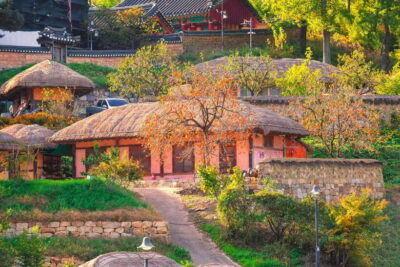
Gyeongju UNESCO World Heritage Guided Day Tour
Read our review →
Gyeongju UNESCO World Heritage Guided Day Tour from Busan
Read our review →
Evening Dark History, Folklore & Ghost Story Walking Tour
Read our review →
Old Korea Thousand History Tour of Gyeongju from Busan
Read our review →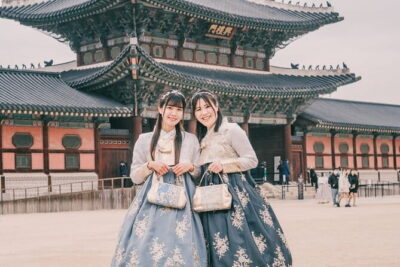
Hanbok Photoshoot and History Tour at Gyeongbokgung Palace
Read our review →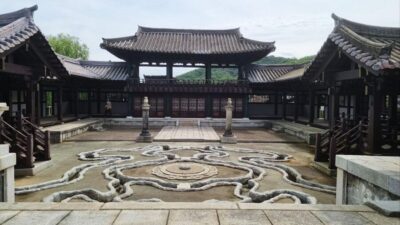
UNESCO Heritage Tour Including Bulguksa Temple
Read our review →
Gyeongju UNESCO World Heritage Sites and History Full-Day Tour with Lunch
Read our review →Browse the lists this tour appears in