
Reviewed · BUSAN TOURS
Jinju Namgang Yudeung Festival Bus tour from Busan
The Jinju Namgang Yudeung Festival turns the Namgang River into a long ribbon of floating light. From Busan, this small-group bus tour takes you to Jinjuseong Fortress and the riverfront after dark, when lantern displays, performances, and possible fireworks give Jinju its special glow.
I especially like two things here: guide Suyang’s personal help with night photos, including portable lighting, and the small maximum group of 14. The included traditional lantern, Korean snack, apple, and tote bag are modest extras, but they make the outing feel thoughtfully prepared.
The main drawback is the timing. You leave Dongnae Station at 3:30 pm and may return late, with the full outing lasting about eight to nine hours. Dinner is not included, and the festival can be muddy in rain or crowded on major nights.
Key points to know before you book
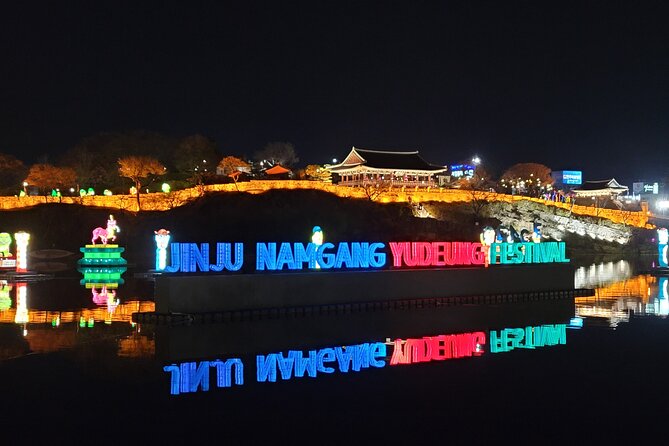
- Floating lanterns on the Namgang River: The festival’s central sight is a glowing river display tied to Jinju’s wartime past.
- Suyang handles the evening details: He speaks English and Mandarin, provides photo lighting, and may coordinate a later finish when the festival schedule allows.
- Small group, maximum 14 people: You get more room to ask questions than on a large coach excursion.
- Jinjuseong Fortress is included: The historic fortress gives the lantern festival a stronger sense of place.
- Dinner is your responsibility: Bring money or a plan for eating during the evening.
- Return stops help with Busan connections: The bus is scheduled to stop at Sasang Terminal, Seomyeon Station, and Busan Station.
Why the Namgang River lanterns matter
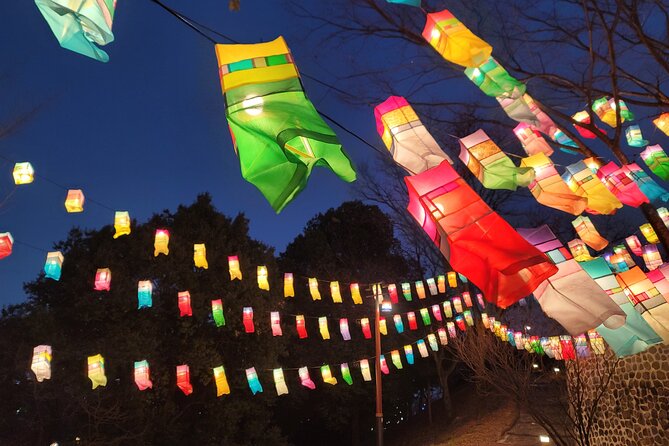
The Jinju festival is not simply a night market with pretty lights. Its story reaches back to the Jinjuseong Fortress Battle during the Imjin War, fought from 1592 to 1598.
Floating lanterns were used on the Namgang River as a military tactic. They helped prevent Japanese troops from crossing the water and also carried messages across the river. The present festival turns that old wartime use of light into a large public celebration.
That background gives the displays more weight. When you look down the river, you are not seeing decoration in isolation. You are seeing a modern festival built around a local story of defense, communication, and community memory.
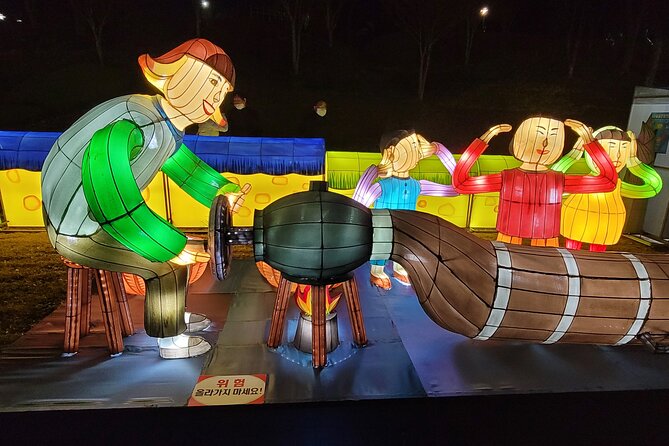
The event also includes lanterns made by local students. I like this detail because it keeps the festival tied to Jinju residents rather than making it feel like a show designed only for outside visitors. You may see polished large-scale displays, but you also get a sense of local participation.
Other Busan days worth booking alongside this:
- Busan: Gyeongju Guided Day Trip to Three Kingdoms Capital
★ 4.8 · 1,925 reviews - Small Group Full Day Busan Tour (Max 6 Pax)
★ 5.0 · 1,464 reviews - From Busan: Gyeongju UNESCO World Heritage Guided Day Tour
★ 4.8 · 1,250 reviews
From Dongnae Station to Jinjuseong Fortress
The meeting point is Dongnae Station Exit 1, with departure at 3:30 pm. That late afternoon start is useful. It gives you a chance to reach Jinju before the main night scenes begin, rather than arriving after dark and missing the setting around the fortress.
Transport is by air-conditioned vehicle, with a maximum group size of 14. That is a practical middle ground. You avoid the burden of arranging an intercity journey yourself, while the group remains small enough for Suyang to communicate directly with everyone.
The exact drive time is not provided, so you should treat the eight-hour itinerary as an evening outing rather than a tightly timed transfer. Traffic, festival crowds, and the day’s program can affect the pace.
Wear shoes you can walk in for several hours. One rainy festival night made the riverside muddy, so comfortable footwear with a good grip is sensible. You should also carry a light rain layer when the forecast looks uncertain, since the activity depends on suitable weather.
Entering Jinjuseong and following the river lights
The named stop is Jinjuseong, the fortress at the center of Jinju’s festival story. From here, the experience connects the old defensive site with the river below.
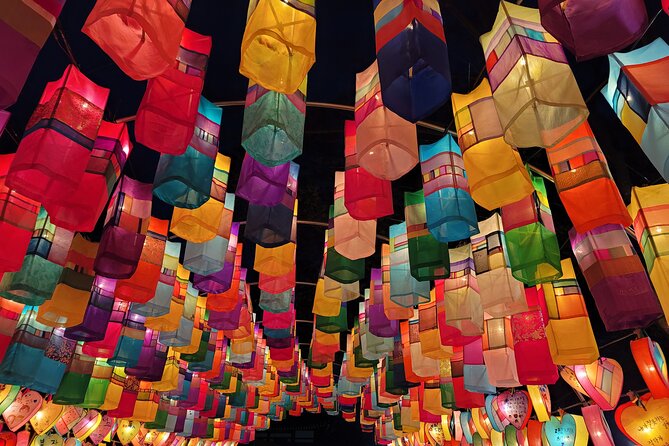
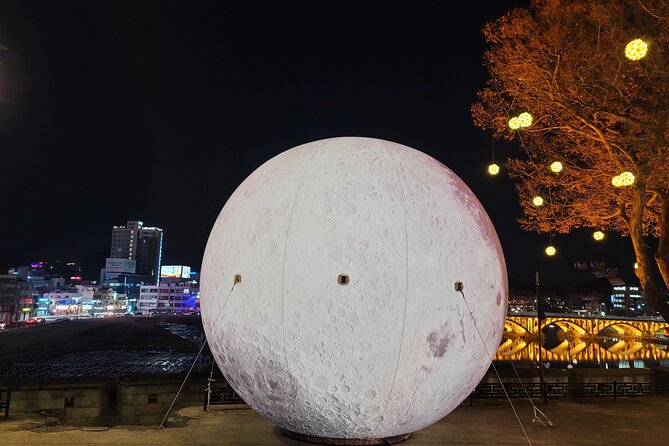
The main attraction is the line of floating lanterns along the Namgang. Their reflections make the riverfront especially rewarding for photographs, but the best viewing areas can become crowded. Suyang’s route planning is valuable here because he can guide the group through the festival areas instead of leaving you to work out the layout alone.
The program can include several types of entertainment:
- Floating lantern displays along the river
- A lantern parade created by local students
- Fireworks
- A water lighting show
- Cultural performances
The exact order and availability of these events can vary. Do not treat every listed feature as a guaranteed timed performance during your visit. The festival atmosphere itself is the constant, while fireworks and shows depend on the day’s program and conditions.
I would give yourself permission to slow down. The river is the reason to come, but Jinju is best appreciated in pieces: fortress walls, river reflections, lantern designs, crowds moving between displays, and short pauses for photos.
The guide’s photo service is more useful than it sounds
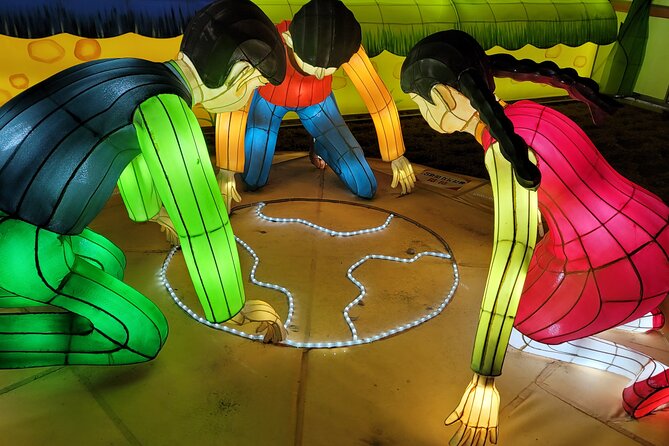
Night photography is often harder than it looks. Lanterns may be bright, while faces become dark. A phone can capture the glowing river but leave the people in front of it as silhouettes.
Suyang brings lighting to help with this problem. That is one of the most praised parts of the experience, and it is a practical benefit rather than a decorative extra. You can enjoy the festival without spending the whole night trying to find a workable angle or asking strangers to take pictures.
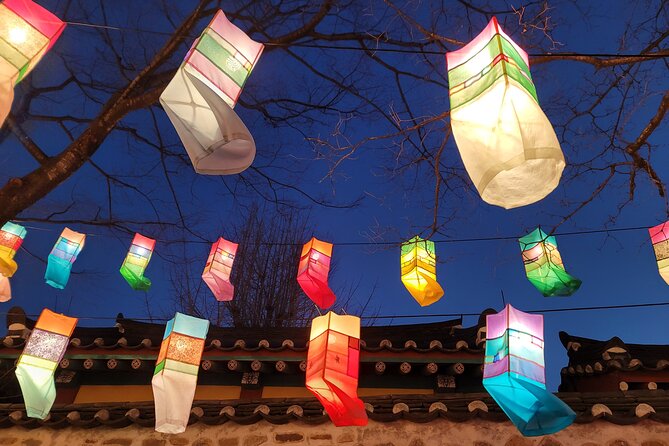
The included Korean traditional lantern adds another small visual touch. Carrying it through the evening can make your photos feel more connected to the event than standard smartphone shots in front of a display.
The photo help also suits solo visitors and couples. If you are traveling alone, you are less dependent on finding someone to take a picture. If you are with family or a partner, you can get more complete group photos without giving up the background.
Do keep expectations sensible. This is guided photo assistance, not a dedicated professional photography session with a formal edited gallery. The value is that Suyang brings useful lighting and helps you make better memories during a busy night.
Same country, a completely different kind of day:
- Busan Private Tour with licensed tour guide + private vehicle
★ 5.0 · 1,143 reviews - Busan: Coastal Treasures Beach Train, Culture Village & More
★ 4.7 · 832 reviews - Busan’s Cultural Wonders with Beach Train & Gamcheon Village etc
★ 4.5 · 663 reviews - Gyeongju UNESCO World Heritage Guided Day Tour from Busan
★ 5.0 · 660 reviews
A small group makes the festival easier to manage
A maximum of 14 people is a strong feature for this type of outing. Lantern festivals can be confusing, especially after dark, and large groups often spend too much time waiting for people to regroup.
Here, Suyang can answer questions about Korea and the site as you move through the evening. The small size also gives the outing a more personal feel. You are not just being delivered to a drop-off point and told to return later.
That said, a small group does not remove every festival challenge. Crowds may still slow the pace, especially on the first day or during popular evening events. One particularly busy opening night required cooperation from the small group to keep the schedule moving.
You should be ready to walk with the group and follow agreed meeting arrangements. The atmosphere is more relaxed than a large coach tour, but it is still a shared outing. If you want several hours completely alone, a private visit would give you more freedom.
What is included, and what the $125 price buys you
The price is $125 per person. That is not the cheapest way to see a festival, but the comparison is not simply bus fare versus ticket price.
Your fee includes:
- Air-conditioned transportation
- Admission and listed taxes
- A Korean traditional lantern
- A Korean traditional snack and one apple
- A souvenir tote bag
- Guide service
- Photo lighting assistance
The strongest value comes from saving the effort of reaching Jinju from Busan and then finding your way around at night. You also get a guide who stays involved at the festival rather than treating transport as the entire service.
The snack and apple will not replace dinner. Think of them as a welcome bite during a long evening. Since dinner is excluded, plan to eat before departure, carry money for food, or use an opportunity during the festival if the schedule permits.
The tote bag is a useful little extra for carrying the lantern and personal items. It does not change the price calculation much, but it is more practical than a disposable souvenir.
I would consider the tour good value if you are staying in Busan, have only one festival evening available, and prefer a guided plan. It is less compelling if you already have easy transport to Jinju, want to choose your own return time, or are trying to keep costs very low.
The late return deserves careful planning
The tour lasts approximately eight to nine hours. Since departure is at 3:30 pm, you should expect to spend the night in Jinju and return to Busan late.
The return plan is designed to help different parts of Busan. The vehicle is scheduled to stop at Busan Seobu Sasang Terminal, Seomyeon Station, and Busan Station. That is helpful if your accommodation is near one of those transport hubs.
The actual finishing time may depend on the festival schedule and the group. Suyang has contacted participants before departure to discuss staying until midnight, giving people more time to see the festival. Another outing ended with a return to Busan around 10 pm. Treat the published duration as approximate, and avoid booking a nonrefundable late-night connection immediately after the tour.
This flexibility can be a benefit if you want to see more of the riverfront. It can also be inconvenient if you have an early morning departure or a strict evening reservation. Check your accommodation’s late-entry arrangements before booking.
Rain, crowds, and the best type of festival evening
Good weather is required for this activity. If poor weather forces cancellation, you are offered another date or a full refund, but the experience itself is nonrefundable if you cancel or request a change for another reason.
Rain does not automatically destroy the evening, but it changes the ground and your comfort. The riverside may become muddy, and photography becomes harder when you are holding an umbrella or protecting your phone. Bring suitable shoes and a waterproof layer if the forecast is unsettled.
Crowds are another factor. The first festival day can be especially busy, and popular events may compress walking space. If you dislike crowds, you may prefer to focus on quieter sections of the route rather than trying to see every display.
If you love evening photography, local festivals, and seasonal events, these inconveniences are likely worth accepting. If you prefer a calm sightseeing day with guaranteed seating and fixed meal times, this outing may feel demanding.
Who will enjoy this Busan to Jinju tour
I would recommend this experience for:
- First-time visitors based in Busan
- Solo visitors who want help with photos and navigation
- Couples looking for an atmospheric evening outing
- Small families who can manage a long night
- People interested in Korean festivals and local history
- Anyone who prefers an organized trip over arranging transport alone
The tour is also a good fit if you want to ask questions during the visit. Suyang’s English and Mandarin communication makes the experience more accessible for those languages, and the small group allows more direct conversation.
You should think twice if you need a firm return time, dislike walking in possible rain, or want a full meal included. The festival is the focus, not a leisurely dinner tour.
Most people can participate, and the meeting point is near public transportation. Still, the long duration, outdoor setting, crowds, and potentially muddy riverside mean you should judge the outing against your own walking comfort.
Practical details to settle before departure
Confirmation is sent within 48 hours of booking, subject to availability. Since the tour is often booked about 33 days ahead, reserving early is sensible during the festival period.
Bring a charged phone. You will likely want it for photos, meeting communication, and checking your return arrangements. A portable charger is a practical addition for an eight- to nine-hour outing, though it is not included.
Wear comfortable walking shoes and dress for the evening temperature. The riverfront can feel cooler after sunset than Busan did earlier in the day.
The experience uses a mobile ticket, so keep your booking accessible on your phone. Since the tour ends at a different location from the start, make sure you know which of the three Busan drop-off points is most useful for you.
Should you book the Jinju lantern festival bus tour?
Book it if you want the full night atmosphere of Jinju without arranging the journey from Busan yourself. The floating lanterns, fortress setting, student parade, and possible fireworks make this much more than a simple evening photo stop.
The strongest reason to choose this tour is Suyang’s hands-on approach. His lighting for photos, direct communication, and willingness to discuss a later finish add help where a self-guided visit can become awkward.
Skip it if the $125 price strains your budget, you need dinner and a guaranteed return time, or you prefer complete independence. For everyone else, this is a well-focused seasonal outing with a sensible small-group format and a genuinely memorable riverfront setting.
FAQ
Where does the tour start?
The tour starts at Dongnae Station Exit 1 in Busan.
What time does the tour depart?
The scheduled start time is 3:30 pm.
How long does the experience last?
The tour lasts approximately eight to nine hours. The listed itinerary describes an eight-hour visit, but the end time may vary with the festival schedule.
Where does the tour end?
The return route is planned to stop at Busan Seobu Sasang Terminal, Seomyeon Station, and Busan Station.
What is the price?
The price is $125 per person.
Is dinner included?
No. Dinner is not included, so you need to make your own meal plans.
What is included in the tour?
The price includes an air-conditioned vehicle, all listed fees and taxes, a Korean traditional lantern, a Korean traditional snack, one apple, and a souvenir tote bag.
How large is the group?
The activity has a maximum of 14 participants.
What happens if bad weather cancels the tour?
If the tour is canceled because of poor weather, you will be offered a different date or a full refund. The experience is otherwise nonrefundable and cannot be changed after booking.
Just added around Busan
- Real Busan Walking Experience★ 5.0 · 27 reviews
- 7 Highlights Gyeongju City One Day Small Group Tour from Busan★ 5.0 · 24 reviews
- Full Day Private car tour to UNESCO Gyeongju&Yangdong village★ 5.0 · 5 reviews
- Suncheon and Yeosu Daily Private Tour with Pickup Service★ 5.0 · 3 reviews
- Visit Busan night market and enjoy the night view of Busan harbor★ 5.0 · 6 reviews
- Busan Highlights Shore Tour – Cruise Return Assured★ 4.5 · 34 reviews
- Suncheon one day tour from Seoul, Busan or Suncheon★ 5.0 · 3 reviews
- Busan Beomeosa Temple & Hongbeopsa Temple with temple lunch★ 5.0 · 11 reviews
Busan Tours, compared.
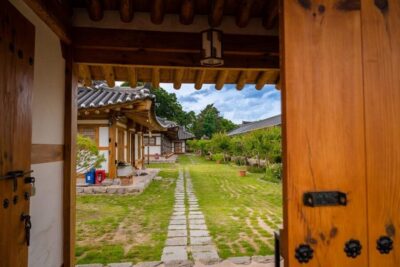
Gyeongju Guided Day Trip to Three Kingdoms Capital
Read our review →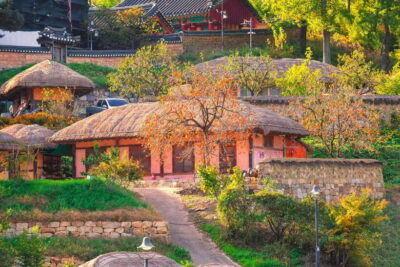
Gyeongju UNESCO World Heritage Guided Day Tour
Read our review →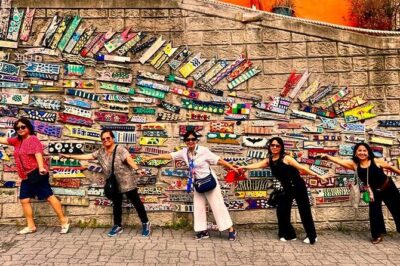
Busan Private Tour with licensed tour guide + private vehicle
Read our review →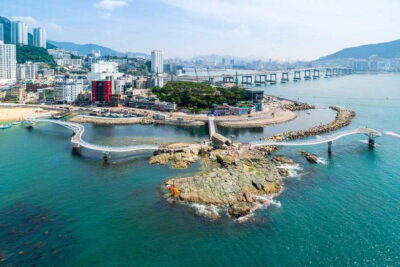
Coastal Treasures Beach Train, Culture Village & More
Read our review →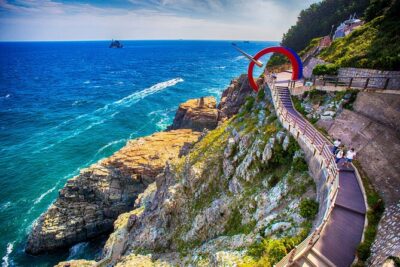
Busan’s Cultural Wonders with Beach Train & Gamcheon Village etc
Read our review →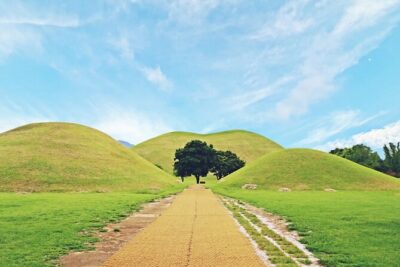
Gyeongju UNESCO World Heritage Guided Day Tour from Busan
Read our review →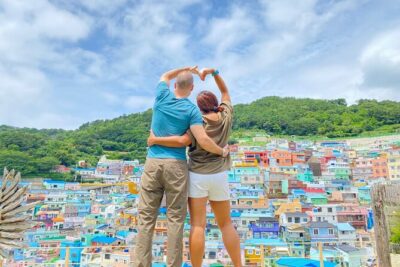
Private Busan Tour -Explore Cultural Landmarks with a Local Guide
Read our review →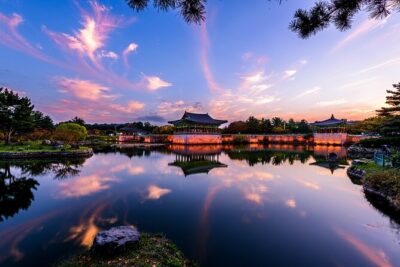
Old Korea Thousand History Tour of Gyeongju from Busan
Read our review →Browse the lists this tour appears in