
Reviewed · DMZ TOURS
Private DMZ the 3rd Tunnel Tour from Seoul (optional Red Bridge)
The most striking part of this 8-hour private DMZ tour is the shift from Seoul’s busy streets to a heavily guarded border where the Korean War is still part of daily life. You’ll walk through the Third Tunnel, look toward North Korea from Dora Observatory, and see memorials shaped by families separated for decades. I like the private vehicle and guide, and I like that the day includes both major sights and quieter places such as Mangbaedan Memorial Altar. The main drawback is that the schedule can change suddenly because of military orders, weather, or security conditions, with no refund for those changes.
I also like the practical setup: hotel pickup and drop-off in downtown Seoul, a group limit of six, and a guide who can focus on your questions. Guides named in the feedback include Ray, Alice, Lina, Sua, and Diane, with drivers such as Andy also praised for making the day run smoothly. You’ll need your passport, and a small private group may still transfer to a larger shuttle bus inside the DMZ.
Key points at a glance
- The Third Tunnel puts you below the border: Walk into a tunnel built by North Korea and discovered in 1978, 52 kilometers from Seoul.
- Dora Observatory offers a direct view north: Binoculars may reveal Kijong-dong and parts of Kaesong City, depending on conditions and access.
- Imjingak Park gives the tour emotional weight: The Bridge of Freedom, Mangbaedan Altar, war-damaged locomotive, and Peace Bell are all close together.
- Private transport matters on an eight-hour day: Your guide and driver collect you in downtown Seoul, with a subway pickup option if needed.
- The Red Bridge is an optional add-on: Gamaksan Chulleong Bridge is a 150-meter suspension bridge, about 30 meters above the valley.
- Military access is never guaranteed: Start times and stops can change, and the operator says refunds are not available for schedule changes caused by conditions on the ground.
Leaving Seoul for the Korean DMZ
Your day begins with pickup at a downtown Seoul hotel, or at a nearby subway station if that works better. You ride in a private vehicle with a driver and guide, which is a useful arrangement for a long day outside the city. You can ask questions as you go instead of trying to follow a crowded coach commentary.
The DMZ is a four-kilometer-wide buffer created by the 1953 armistice that stopped the Korean War. It is not a normal tourist district. Military rules affect access, timing, and the route, so you should think of this as a controlled border visit rather than a standard sightseeing loop.
The private format is best for families and small groups who want a quieter pace. The price is $500 per group of up to six, not $500 per person. Six people sharing the cost pay about $83 each before any optional charges, while two people pay about $250 each. That makes the tour much easier to justify for a full group, especially when you value hotel pickup, a dedicated guide, and private transport.
More DMZ Tours in Seoul:
- Best DMZ Tour Korea from Seoul (Red Suspension Bridge Optional)
★ 5.0 · 41,422 reviews - DMZ Tour: 3rd Tunnel, Option(Suspension Bridge, Boat) from Seoul
★ 5.0 · 21,373 reviews - DMZ tour south Korea from Seoul (NK experience hall, defector)
★ 5.0 · 20,599 reviews
Imjingak Park and the first look at divided Korea
Imjingak Pyeonghwa-Nuri Park is an appropriate opening stop. Opened in 2005 near the DMZ, it was designed as a place connected with peace and reunification. You have about 30 minutes here, enough to see the main memorial features without spending the entire morning in one park.
The park can feel broad and open, with several symbolic attractions gathered around it. I would use this time to ask your guide for the basic timeline of the Korean War and the armistice. The rest of the day makes more sense once you understand that the fighting stopped without a formal peace treaty.
The Bridge of Freedom is one of the most affecting sights nearby. The temporary wooden bridge was used in 1953 by 12,773 prisoners of war returning to South Korea. You do not simply see an old crossing; you see a physical route tied to people coming home after years of conflict.
Mangbaedan Memorial Altar takes a quieter approach. Families with relatives in North Korea gather here during holidays such as Chuseok. A short 10-minute stop may seem brief, but the altar helps explain the human cost of division better than military hardware alone.
Bridges, railways, and reminders of war
The Imjin River Dokgae Bridge is viewed from a nearby vantage point during a 15-minute stop. The steel bridge was rebuilt after destruction during the Korean War, and its damaged history gives the river a different feel from the calm water you see today.
At Jangdan Station, a steam locomotive from the Gyeongui Line has been preserved as a war relic. Bombing derailed it in 1950, and the locomotive was kept from 1953 onward. Its frame carries more than 1,000 bullet marks, a detail that makes the war’s violence visible without requiring a long museum visit.
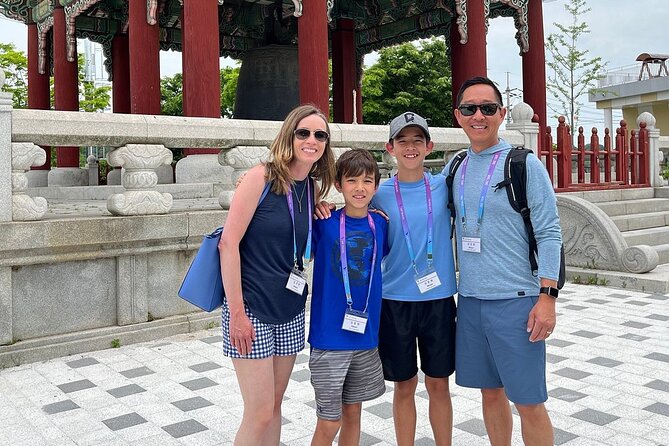
Pyeonghwauijong, the Peace Bell, is a 21-ton bronze bell cast in 2000. It represents hope for reunification. You spend about 10 minutes here, so treat it as a symbolic pause rather than a full attraction with a long program.
The Unification Bridge brings you closer to the controlled zone. Opened in 1998, it links the area toward the DMZ and is crossed with military checkpoints nearby. The presence of those checkpoints is part of the experience. This is not a decorative bridge with a slogan attached. It is infrastructure serving a sensitive border.
A short bus ride along the Imjin River connects these stops. From the vehicle, you’ll see peaceful water beside a place defined by guards, fences, and restrictions. That contrast is one of the strongest features of the day.
Walking through the Third Tunnel
The Third Tunnel of Aggression is the tour’s most physical stop. North Korea built the 1,635-meter passage, which was discovered in 1978. The tunnel is about two meters high and two meters wide, so the walk can feel tight, especially as you move below ground.
You have about 30 minutes at the site. The tunnel is often more memorable than a display case because you are moving through the actual passage made for military infiltration. The name refers to the fact that it was the third such tunnel found by South Korea.
This is a place where sensible footwear helps. The provided information does not list a special dress code, but a level of comfort matters more than appearance. You should also be ready for a change in temperature and a walk that may feel more demanding than the short time allocation suggests.
The tunnel is not a polished attraction. That is part of its value. You get a direct sense of the engineering effort and the fear it created, rather than only hearing an explanation from a guide.
A few more Seoul trips to weigh up
- Private DMZ Tour (No Shopping): 3rd Tunnel & Suspension Bridge
★ 5.0 · 607 reviews - Seoul City Private Full-Day Tour Including Lunch
★ 5.0 · 469 reviews - Seoul Highlights & Hidden Gems Tours by Locals: Private + Custom
★ 5.0 · 359 reviews - Premium Private DMZ Tour & (Suspension Bridge or N-Tower) include lunch
★ 5.0 · 348 reviews
Looking across the border at Dora Observatory
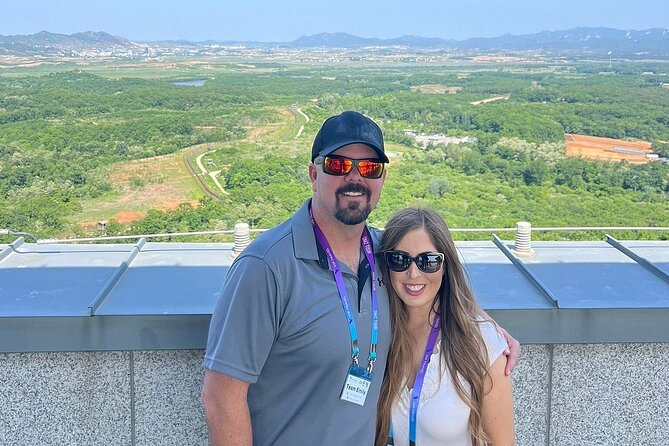
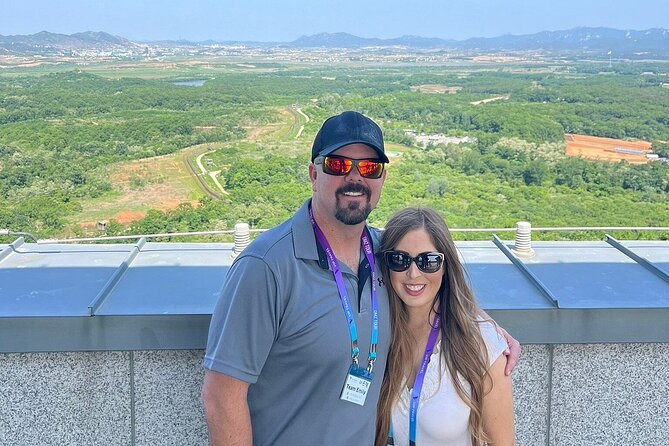
Dora Observatory sits on Dorasan and gives you one of South Korea’s closest official viewing points toward North Korea. The observatory was established in 1986 and renovated in 2018. Your guide can help explain what you are looking at, but visibility depends on weather and the rules in force that day.
With binoculars, you may spot Kijong-dong, often described as a propaganda village, and parts of Kaesong City. Do not expect a dramatic skyline or guaranteed close-up view. The appeal is the act of looking across a closed border and seeing a place that is geographically near but politically difficult to reach.
The viewing time is listed as about 30 minutes. Keep your passport handy and follow photography instructions. Border facilities can restrict where you stand or what you photograph, and your guide will be the best source of current directions.
The observatory works especially well after the tunnel. First you see the underground threat, then you look toward the country connected with it. The sequence gives the day a clear shape instead of making the DMZ feel like a collection of unrelated monuments.
Tongilchon village and the optional Red Bridge
Tongilchon-gil takes you through a quieter area beyond the Civilian Control Line. The village is known for fertile farmland and Jangdan soybeans. You have about 30 minutes, which gives you a glimpse of life and agriculture near a restricted military zone.
This stop may appeal to you if you want more than memorials and lookout points. It also depends heavily on the day’s access rules. A border tour can never promise that every planned stop will operate exactly as printed.
The optional Gamaksan Chulleong Bridge adds about an hour. Built in 2018, the red suspension bridge stretches 150 meters and hangs about 30 meters above the valley. It was built to honor Korean War heroes, so the visit combines a scenic walk with another reminder of the conflict.
The Red Bridge is a good choice if you want a change of pace after the serious memorial sites and tunnel. It is less essential than the Third Tunnel or Dora Observatory, though, especially if you prefer a tighter focus on the DMZ itself. Admission, parking, and toll charges connected with optional additions are not included, so confirm the added cost before committing.
What the private format really changes

A private tour does not mean you will have every restricted site to yourself. If your party has fewer than 30 people, you may need to transfer to a group shuttle bus once inside the DMZ. That is an important detail for anyone choosing this tour specifically to avoid all shared transport.
The private part still has real value. You have a personal guide from Seoul to the border, private transport for the main journey, and a driver handling the route. A good guide can adjust explanations to your group, answer repeated questions, and help with photographs. Feedback names Alice, Ray, Lina, Sua, and Diane as guides who provided strong explanations and attentive coordination, while Andy is named as a helpful driver.
The guide is especially important here because the sights need context. A rusted locomotive, a bridge, or a line of fences can look ordinary without an explanation of what happened there. Reports of guides answering many questions, explaining the war clearly, and helping with photographs suggest that the human part of this tour is one of its main strengths.
The eight-hour duration also gives you a more relaxed framework than a rushed half-day visit. Hotel pickup saves you an early transfer across Seoul, though downtown pickup locations and the exact start time should be confirmed when you book.
Cost, meals, and what to bring
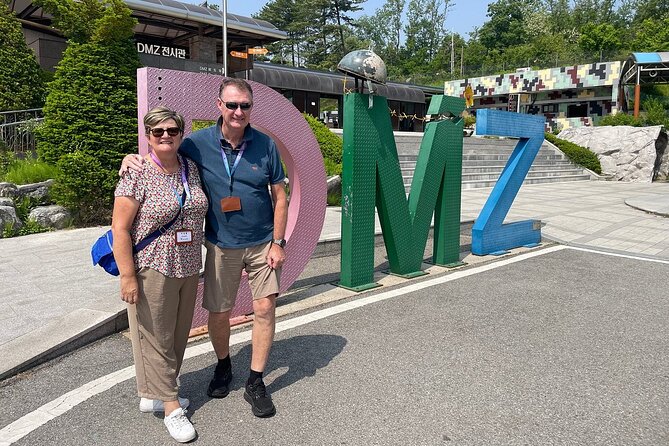
At $500 per group, the value depends almost entirely on group size. For six people, the cost is reasonable for a full private day with a guide and driver. For one or two people, a shared DMZ tour may be cheaper, although it will not offer the same private attention.
Lunch is not included. Plan for that when comparing the total cost, and ask the operator how the meal break fits with the military schedule. The supplied details do not specify a restaurant or fixed lunch stop, so do not assume a particular menu or dining venue.
Bring your passport. It is required on the tour day, and access to the DMZ is controlled. Wear comfortable clothes and shoes for the tunnel and bridge walks. There is no special dress code, but practical clothing is the sensible choice.
Your start time may change because of military guidelines. Weather and other security issues can also alter the schedule. The operator says such changes do not qualify for a refund, so keep this in mind before placing the DMZ on the same day as a fixed evening booking.
Free cancellation is available up to 24 hours before the start time. Within 24 hours, cancellation and changes are not accepted for a refund.
Who will get the most from this day
I would choose this tour for a family, group of friends, or small party that wants to discuss the sights as they go. It is also a strong option if you care about the Korean War, current North-South relations, or the personal stories behind national division.
Children can participate according to the supplied information, but the Third Tunnel may be tiring or uncomfortable for some. The day includes military sites, memorials, and a serious subject, so it is not designed as light entertainment.
The tour suits you less if you need a guaranteed timetable. Border access can change, the optional Red Bridge can add cost and time, and a shuttle transfer may still occur inside the DMZ. You should also consider a less expensive group tour if your party is small and you mainly want transport to the headline stops.
Should you book the private Seoul DMZ tour?
Book it if you have four to six people, want hotel pickup, and prefer a guide who can explain the war and answer questions throughout the day. The strongest parts are the Third Tunnel, Dora Observatory, and the cluster of memorial sites at Imjingak Park.
For two people, the $500 group price is harder to defend unless privacy and convenience matter more than saving money. Either way, bring your passport, leave room for schedule changes, and treat the optional Red Bridge as a bonus rather than the reason to book.
This tour gives you more than a distant photo of a border sign. It connects the DMZ’s military purpose with returning prisoners, separated families, a scarred locomotive, and the simple act of looking north. That balance makes it a worthwhile choice for a first visit to the Korean border.
FAQ
How long is the private DMZ tour from Seoul?
The tour lasts approximately eight hours, including transportation from Seoul and the scheduled stops in and around the DMZ.
How many people can join the private tour?
The private vehicle and booking are for a group of up to six people.
Is hotel pickup available?
Yes. Free hotel pickup and drop-off are available in downtown Seoul. You may also meet the guide and driver at a nearby subway station.
Do I need to bring my passport?
Yes. Your passport is required on the tour day because the DMZ is a controlled military area.
Is lunch included?
No. Lunch is not included in the tour price.
Is the Gamaksan Red Bridge included?
The Gamaksan Chulleong Bridge is an optional stop. Admission, parking, and toll fees connected with optional additions are not included.
Will I use shared transportation inside the DMZ?
If your group has fewer than 30 people, you may need to transfer to a group shuttle bus once inside the DMZ.
Can the tour schedule change?
Yes. The start time and itinerary may change because of military guidelines, weather, or other conditions. The operator says refunds are not available for changes caused by those circumstances.
Just added around Seoul
- Gyeongbokgung palace,seoul with gigibebe hanbok rental★ 4.5 · 12 reviews
- Private tour guide service in Seoul, Korea★ 5.0 · 6 reviews
- Alpaca, Nami, Petite Fr, Italian Village, Garden of Morning Calm★ 3.5 · 5 reviews
- Gyeongju UNESCO Sites Tour by KTX train; The Museum Without walls★ 4.5 · 11 reviews
- Private day trip to Korean Folk Village & Dae Jang Geum Park★ 5.0 · 7 reviews
- Private tour Lotte World,Tower,Aquarium(All Tickets are included)★ 5.0 · 12 reviews
- Full Day Private Seoul Tour for foodies★ 5.0 · 3 reviews
- Seoul Private Custom Walking Tour with A Guide (Private Tour)★ 4.5 · 28 reviews
DMZ Tours, compared.
Best DMZ Tour Korea from Seoul (Red Suspension Bridge Optional)
Read our review →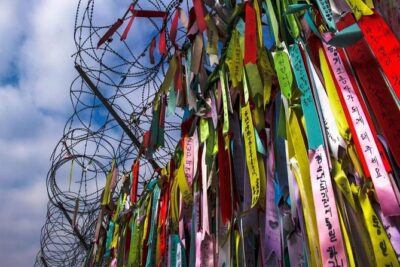
DMZ Tour: 3rd Tunnel, Option(Suspension Bridge, Boat) from Seoul
Read our review →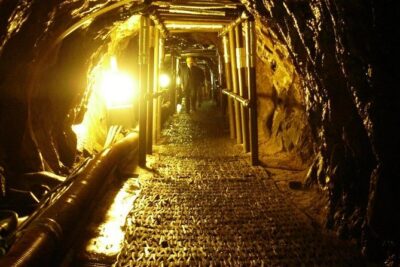
DMZ tour south Korea from Seoul (NK experience hall, defector)
Read our review →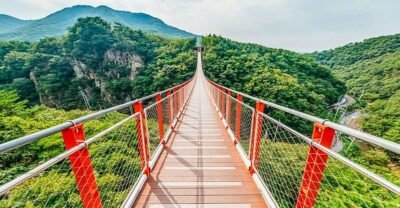
DMZ Insider Tour: 3rd Tunnel, NK Defector Meet & Red Bridge
Read our review →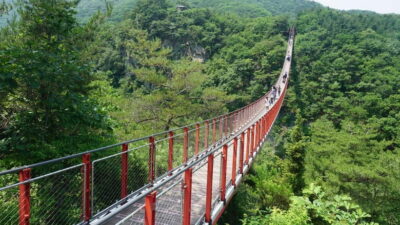
Thrilling Korean DMZ 3rd Tunnel Tour from Seoul + Red Bridge Rush
Read our review →
DMZ Past and Present: Korean Demilitarized Zone Tour from Seoul
Read our review →
Ultimate Korea DMZ Tour from Seoul (Gondola & Suspension Bridge)
Read our review →Browse the lists this tour appears in