
Reviewed · DMZ TOURS
Seoul: DMZ Guided Tour with Suspension Bridge and Gondola
The most striking part of this day is the sudden shift from Seoul’s city energy to a guarded border where North Korea is visible across the valley. At Dora Observatory, binoculars help you study the distant villages, fields, and military zone. The 3rd Tunnel adds a more physical reminder of the conflict: a steep passage built for a possible invasion.
I like the mix of serious history and varied stops. The 3rd Tunnel and Dora Observatory give the tour its real weight, while the gondola or Gamaksan Suspension Bridge keeps the day from becoming a string of museums and explanations. I also like that guides such as Roy, Patrick, Sean Kim, Ki, April, and Andrew are known for keeping the group moving while still making time for questions and photos.
The main drawback is the pace. This is a full 7 to 9 hours, with long drives, strict entry rules, and several stops packed into one day. The tunnel requires an uphill walk and does not suit people with low fitness, serious heart problems, or claustrophobia. Political or weather conditions can also change the route.
Key points at a glance
- The 3rd Tunnel is the physical heart of the day: Expect a steep walk into a narrow passage that could have moved up to 30,000 soldiers per hour.
- Dora Observatory gives you a rare view north: Clear weather matters, and the observatory may close for security or other official reasons.
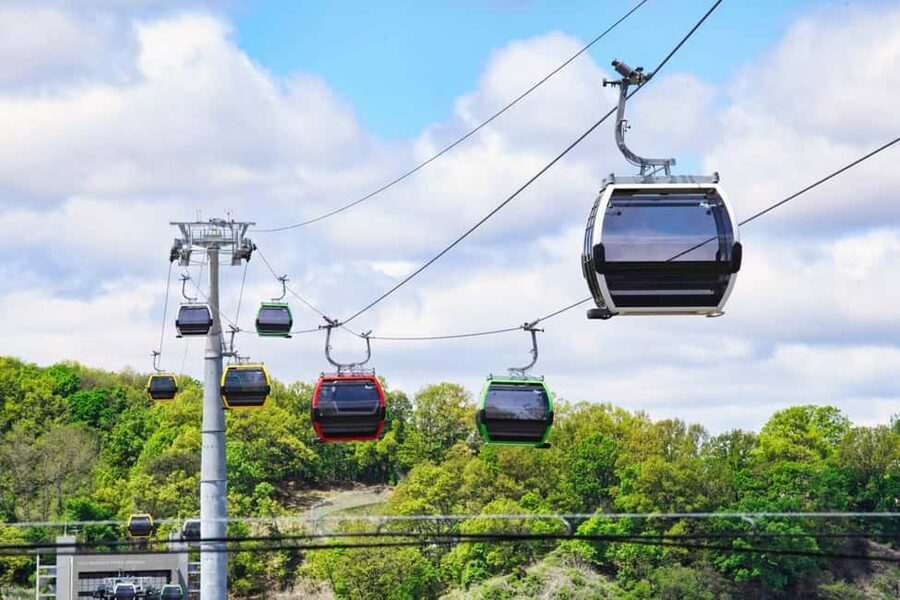
- The gondola adds a different angle: You cross the Imjingang River and get a closer look toward North Korea.
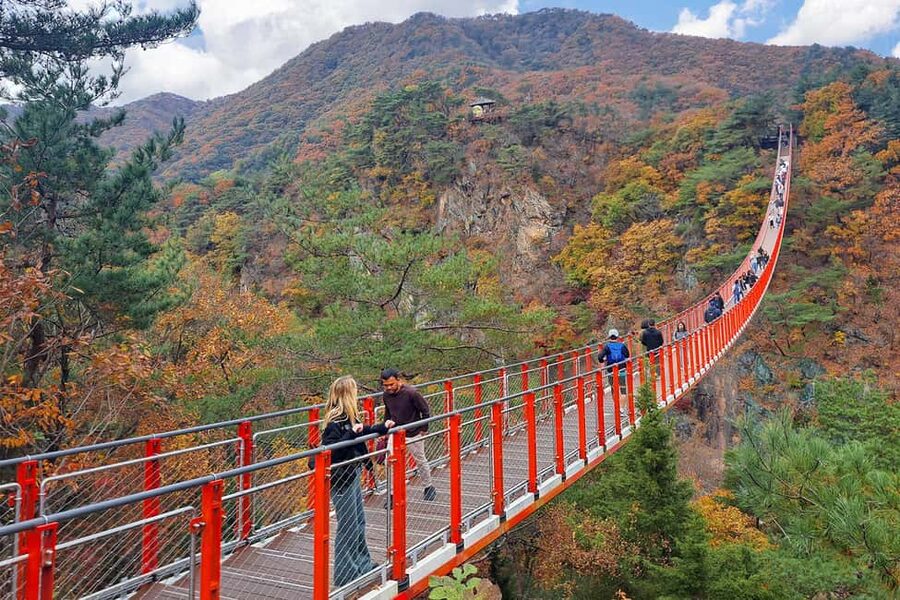
- Gamaksan Suspension Bridge brings mountain scenery: The 150-meter swinging bridge is an optional opening stop with a more relaxed feel.
- Guides make a major difference: Roy, Patrick, Sean Kim, Ki, April, and others are praised for clear English, humor, and practical help.
- Monday follows a different plan: The route includes the 2nd Tunnel, Peace Observatory, and the northernmost train station in the DMZ area.
Why this DMZ day trip feels different from a normal Seoul excursion
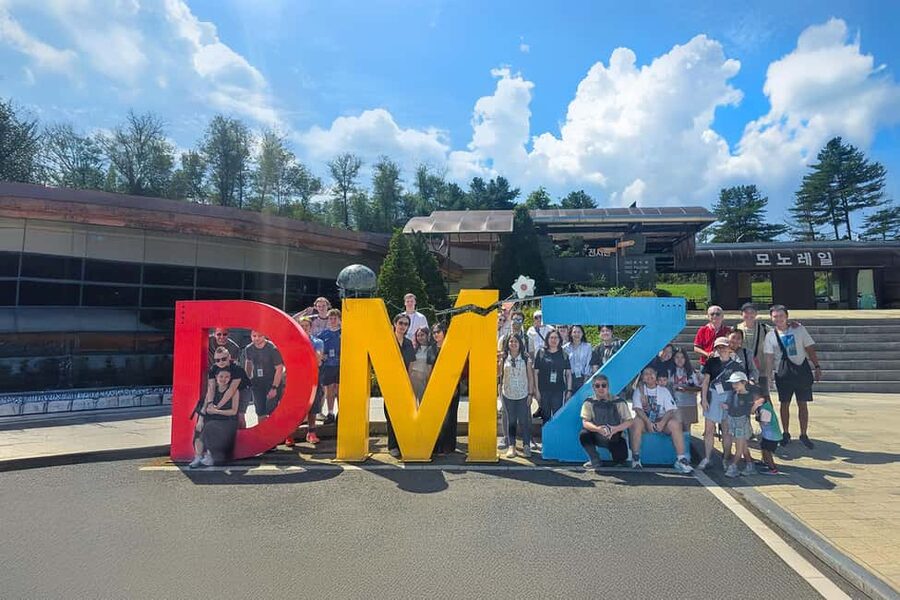
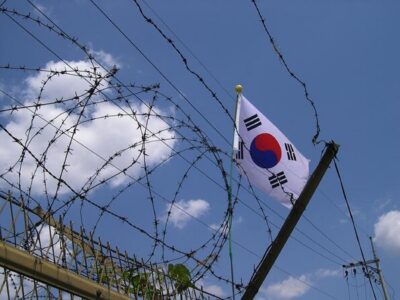
The DMZ is not simply a tourist attraction. It is a 248-kilometer buffer zone between North and South Korea, managed under United Nations rules and shaped by military restrictions. You are visiting a place where access, timing, and even the view can change with little warning.
That uncertainty is part of the experience, but it also explains why a guided tour makes sense. You need your passport, you must follow instructions closely, and the group has to move on time. A good guide gives you the political and military background without turning the day into a lecture.
This tour begins from a Seoul meeting point, with options connected to Myeongdong or Hongdae. A private version can include hotel pickup and drop-off. Shared groups are usually the better value, while a private or small-group booking makes sense if you want more personal attention or need hotel transfers.
The price is about $48 per person before optional extras. For a 7 to 9-hour outing that includes Seoul transport, a guide, and DMZ entry tickets, I consider that a fair price. You still need to buy your own food and drinks, and the gondola or suspension bridge costs extra when selected, but the basic package covers the main border sights.
More DMZ Tours in Seoul:
- Best DMZ Tour Korea from Seoul (Red Suspension Bridge Optional)
★ 5.0 · 41,422 reviews - DMZ Tour: 3rd Tunnel, Option(Suspension Bridge, Boat) from Seoul
★ 5.0 · 21,373 reviews - DMZ tour south Korea from Seoul (NK experience hall, defector)
★ 5.0 · 20,599 reviews
The ride out from Seoul sets the rhythm
The first drive takes about an hour. That may sound long, but it gives your guide time to explain the division of Korea, the Korean War, and the rules that shape the day.
Do not treat the drive as dead time. This is when guides such as Patrick, Roy, and Sean Kim have been especially useful, using stories and humor to make difficult subjects easier to follow. Roy is often praised for his energy and safe driving, while Patrick is noted for clear explanations and careful attention to the group.
The schedule is tight. You should arrive early at the pickup point or hotel lobby. Drivers wait only a short time, and late arrivals or no-shows are not refunded. The practical rule is simple: arrive before the stated time, not at the stated time.
Gamaksan Suspension Bridge adds scenery before the border
If you choose the suspension bridge option, the first major stop is Gamaksan Suspension Bridge, with about 30 minutes to visit. The bridge stretches 150 meters and swings above a mountain setting.
This stop gives the day a useful change of tone. The DMZ can feel solemn and controlled, so a short walk through mountain scenery helps you settle in before the more intense border sites. It is also a good photo stop, though the time is limited and you should not expect a long hike.
You need proper shoes here and for the tunnel later. The bridge option is not the main reason to book the tour, but it is a nice extra if you like outdoor views and want more than military history.
Imjingak explains the human cost of division
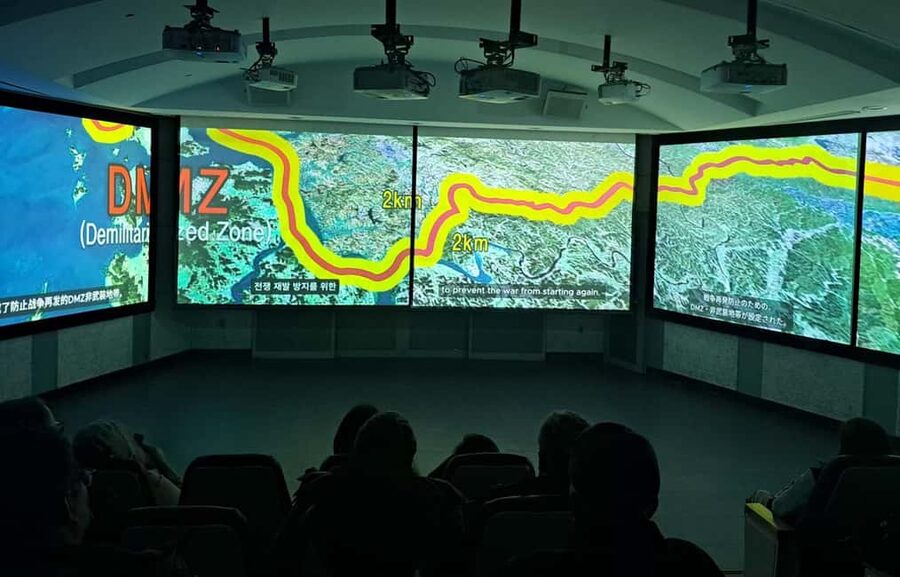
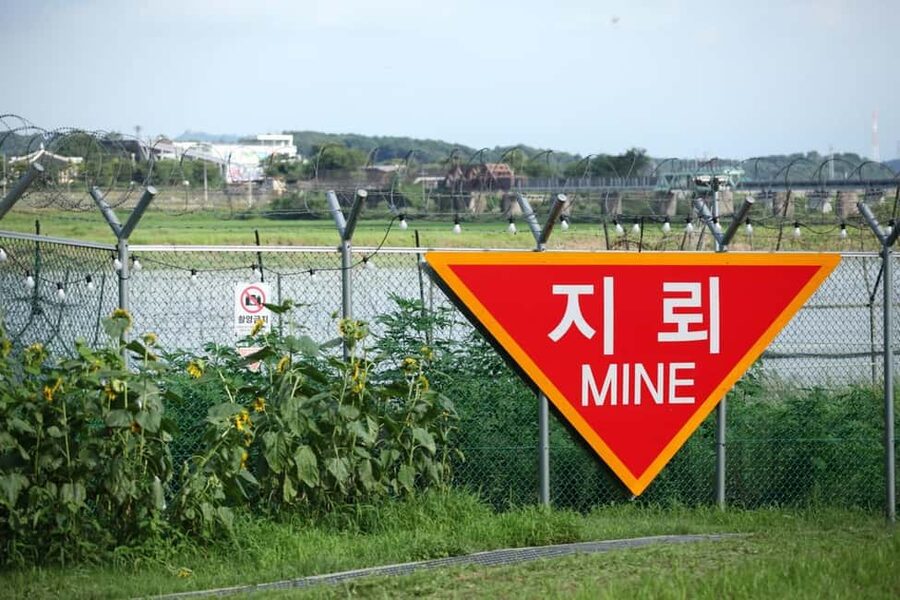
Imjingak is usually given about an hour. It is one of the most important visitor areas near the DMZ, with memorials, viewpoints, and reminders of families separated by the border.
The value of Imjingak is emotional as much as historical. The border is often discussed through soldiers, treaties, and maps. Here, the focus shifts toward ordinary people who could not return home or see relatives after Korea was divided.
You also get time for photos, food, and practical breaks around this part of the day. Several stops have places to eat, but food and drinks are not included, so carry money and plan to buy lunch or snacks during the route.
More Korea Suspension Bridge Tours in Seoul:
- Seoul: DMZ Tour with Optional Suspension Bridge
★ 4.8 · 5,277 reviews - Signature DMZ Tour: Exclusive Defector Talk & Suspension Bridge
★ 5.0 · 4,459 reviews - Ultimate Korea DMZ Tour from Seoul (Gondola & Suspension Bridge)
★ 5.0 · 2,396 reviews - DMZ; NK Defector, 3rd Tunnel, Suspension Bridge,Hotel pickup
★ 4.9 · 2,055 reviews
The Peace Gondola crosses the Imjingang River
The optional Peace Gondola is one of the most distinctive additions. You spend about an hour in the Paju area, crossing the Imjingang River and looking toward the northern side of the border zone.
The ride gives you a wider sense of the geography. From inside the tunnel or from a formal observatory, you are focused on one point. From the gondola, you can look across the river and understand how close the two sides are, even though the political distance remains enormous.
The gondola is not available on Mondays. You also cannot combine it with the North Korean defector session, so you need to choose between those two options when booking. If seeing the border from above appeals to you, choose the gondola. If you prefer a personal account of life in North Korea, the defector session may be the better use of your optional time.
A visitor center and gallery stop add context
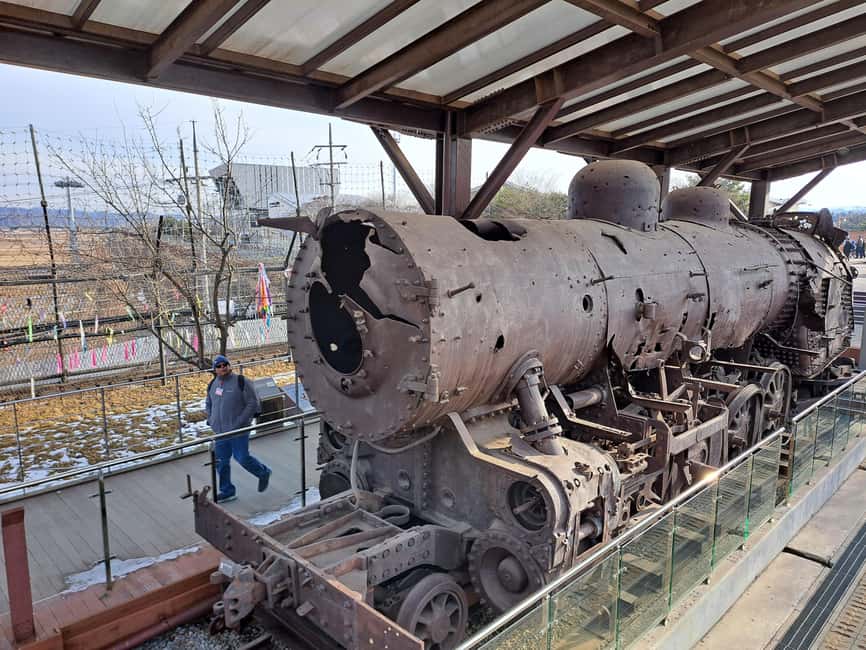
A visitor center stop lasts about 30 minutes. Depending on the current route, the day may also include Gallery Greaves or another nearby site connected with the military history of the area.
These shorter stops work best as supporting pieces rather than main attractions. They give you background before the 3rd Tunnel and help explain why a seemingly quiet rural area is so heavily controlled.
Your guide matters here. Sean Kim is praised for giving clear instructions and keeping the group informed about the next stop. April is noted for making explanations engaging and helping people with different needs. The best guides do not just recite dates. They help you understand what you are looking at and why access rules are so strict.
The 3rd Tunnel demands proper shoes and steady legs
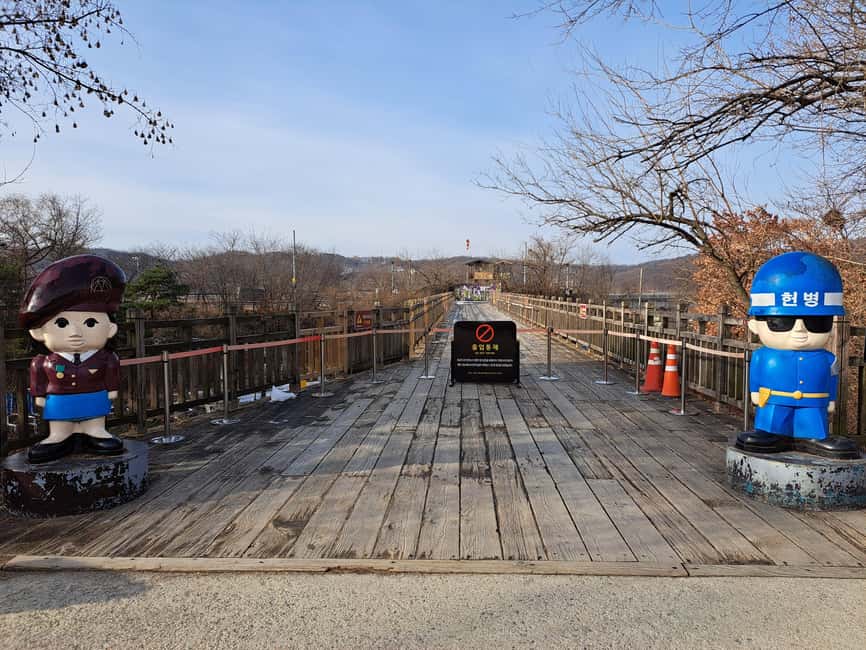
The 3rd Tunnel of Aggression is the most physical part of the tour. The passage is about 1,635 meters long, two meters wide, and two meters high. It was discovered in 1978 and was capable of moving an estimated 30,000 soldiers per hour.
You walk down an incline toward the tunnel, then return up the same route. The passage is narrow and low, and parts of the walk require you to bend or watch your head. Comfortable footwear is essential. Summer heat, humidity, and the uphill return can make this harder than the numbers suggest.
The tunnel is not suitable for people with serious heart conditions, low fitness, or strong claustrophobia. If you decide not to enter, you can remain outside, but you will miss the most direct physical encounter with the DMZ’s military planning.
Do not let online images make the tunnel seem worse than it is, but take the warning seriously. One participant with claustrophobia found the walk easier than expected after encouragement from guide Ki. That is useful reassurance, not a guarantee. Your own comfort should decide.
Access can also be limited by crowd control. On one particularly busy day, guide Roy worked hard to get his group into the tunnel when only a limited number of buses were being admitted. This is why staying close to your guide and returning on time matters.
Dora Observatory is the moment you look north
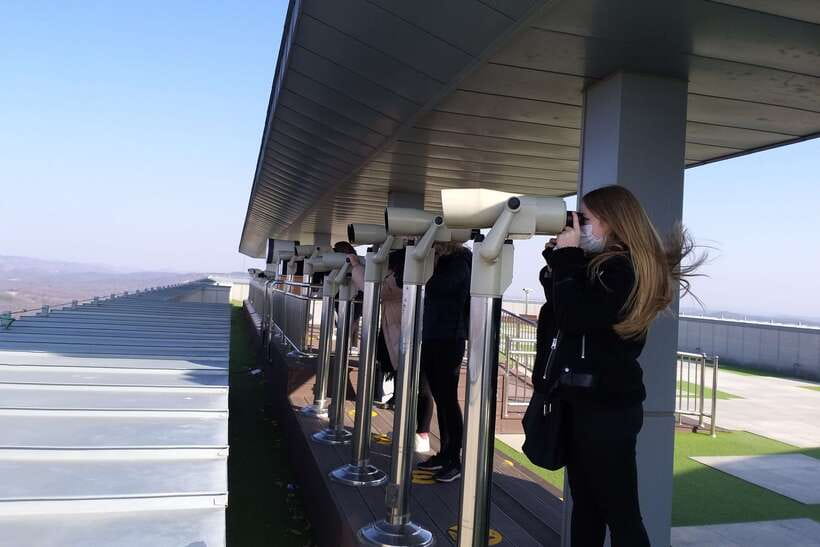
At Dora Observatory, you get about 50 minutes with a guide. On a clear day, you can look across the border into North Korea. Binoculars are especially helpful, and some guides carry or arrange them for the group.
This is the stop that many people picture when they imagine a DMZ tour. The view may include distant settlement areas, fields, and military installations, but the details depend heavily on weather and official restrictions. Fog, rain, or haze can reduce the view to a few vague shapes.
The emotional effect comes from the contrast between distance and proximity. North Korea is not an abstract place on a map here. You can look toward it, yet you remain separated by fences, minefields, soldiers, and political agreements.
Dora Observatory can close due to official decisions. If that happens, the operator replaces it with another location. You should book this tour for the wider experience, not for a guaranteed photograph of North Korea.
Dorasan Station points toward a future that has not arrived
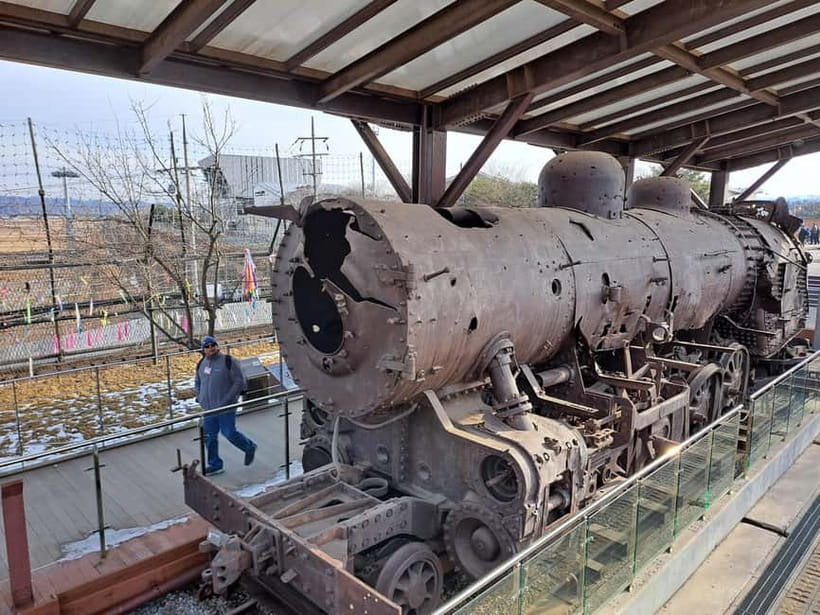
Dorasan Station is described as the last station in South Korea, with Pyongyang Station 205 kilometers away. The station is currently closed, but its signs and railway symbolism point toward the possibility of future connection.
This is a quieter stop than the tunnel or observatory. I find its value lies in the question it raises: what would this railway mean if the border opened? The station was built with reunification in mind, yet the trains are not currently carrying people north.
That gap between hope and present reality gives the tour much of its character. The DMZ is not only about past fighting. It is also about a future that remains uncertain.
Unification Village offers a final local perspective
The route usually allows about 40 minutes at Unification Village, including time for shopping. This is a chance to buy local products and take a break after the more serious border sites.
Shopping is not the main reason to take the tour, and you should not confuse it with an independent market visit. Still, it adds a small connection to daily life in the area and gives you time to process what you have seen.
Guides can be useful here. Anita praised Patrick for offering practical advice about what was worth buying, while other guides helped with food choices and photographs. Solo visitors may appreciate that personal assistance, especially on a long day when the group is moving quickly.
Monday uses a different DMZ route
The standard plan applies on days other than Monday. On Mondays, the tour visits the 2nd Tunnel, Peace Observatory, and the northernmost train station in the DMZ area instead.
The gondola and North Korean defector session are both unavailable on Monday. If one of those is a priority, avoid booking that day. If you are more interested in seeing a different tunnel and observatory, Monday may still suit you well.
The route can change for weather, traffic, or political reasons. Since the DMZ is a United Nations-managed region, official decisions can override the published plan. The operator says it will offer free rescheduling or a refund if major last-minute changes prevent the tour from running as planned.
Guides keep a complicated day manageable
The strongest part of this experience is the guiding. Roy is repeatedly praised for humor, energy, safe driving, and extra effort at crowded sites. Patrick receives similar praise for clear English, patience, and strong organization.
Sean Kim is a good fit if you like a lively guide who explains the schedule clearly and helps with photos. Ki is described as kind, reassuring, and well informed about the DMZ. April brings warmth, humor, and careful attention to different needs. Other guides, including Lizzy, Andrew, SP, and KI, have also been singled out for keeping groups on track.
Guide quality can vary from one departure to another, so do not book solely in hopes of getting one particular person. Still, the consistent pattern is encouraging: the guide is not just there to point at buildings. The guide handles timing, access rules, questions, and the practical problems that arise on a controlled border visit.
Group size also matters. Small groups feel easier at the tunnel and observatory, while a merged group can become much larger. One group of eight found the pace especially comfortable, while another group handled a much larger crowd successfully because the guide kept everyone organized.
Is the $48 price good value?
For the basic shared tour, yes, provided you want a full day rather than a relaxed half-day outing. Transport from Seoul, a professional English-speaking guide, and DMZ entry are included. You avoid the trouble of arranging access, finding the correct border sites, and dealing with changing restrictions yourself.
The price becomes less simple once you add the gondola or suspension bridge. These extras are useful if you want variety, but the central value remains the 3rd Tunnel, Dora Observatory, Imjingak, and the guide’s explanation of the border.
A private tour costs more, but hotel pickup and drop-off can save time and remove the stress of reaching a meeting point. For families, older groups, or anyone who values flexibility, that extra cost may be worthwhile.
Who should book this tour?
You should book it if you want a serious look at the Korean border, prefer clear historical explanation, and can manage a long day with walking and strict timing. It suits first-time visitors to Seoul who want to see something far removed from palaces, shopping streets, and food markets.
It is also a good choice for solo visitors. Guides have helped solo participants with photos, food choices, and timing, and the shared format gives you company without the cost of a private vehicle.
Think twice if you dislike organized schedules, cannot walk uphill, or feel uncomfortable in enclosed spaces. The tour is not designed for lingering. It moves from one controlled site to another, and weather or security decisions may alter the plan.
Should you book the Seoul DMZ tour?
I would book this tour if the DMZ is high on your Seoul list and you want the practical ease of transport and an English-speaking guide. The 3rd Tunnel gives the day substance, Dora Observatory provides the defining view, and Imjingak and Dorasan Station add the human and hopeful sides of the story.
Choose the gondola for broader views and a river crossing, or the defector session for a personal account. Choose the suspension bridge if mountain scenery appeals to you. Bring your passport, wear sturdy shoes, carry water in warm weather, and accept that the border may change the plan.
At about $48, this is a strong value for a demanding but memorable day. It is not casual sightseeing, but if you are ready for an early start, a full schedule, and a subject that deserves attention, it is one of the most meaningful day trips you can make from Seoul.
FAQ
How long does the DMZ tour take?
The tour lasts about 7 to 9 hours, including transportation from Seoul and visits to the main sites.
Where does the tour start?
The starting point depends on the option you book. Shared tours can use meeting points in Myeongdong or Hongdae, while the private option can include Seoul hotel pickup.
Is hotel pickup included?
Hotel pickup and drop-off are included only when you select the private option.
What identification do I need?
You must bring the passport of every person joining the tour, including infants. Passports must have at least six months of validity.
Is the 3rd Tunnel difficult to walk through?
The tunnel requires an intermediate level of hiking, including an incline and a return uphill walk. Comfortable footwear is required.
Can people with claustrophobia enter the tunnel?
The tour is not suitable for people with claustrophobia. If you do not enter the tunnel, you can stay outside.
Is the gondola available every day?
The Peace Gondola is unavailable on Mondays. It is also an optional add-on.
Can I choose both the gondola and the North Korean defector session?
No. You can choose only one of these two options. The defector session is also unavailable on Mondays.
What happens on Mondays?
The Monday route visits the 2nd Tunnel, Peace Observatory, and the northernmost train station in the DMZ area instead of following the standard itinerary.
Can the itinerary change?
Yes. Weather, traffic, political conditions, and official DMZ rules can change the route. If major changes prevent the planned tour from running, free rescheduling or a refund may be offered.
Just added around Seoul
- Gyeongbokgung palace,seoul with gigibebe hanbok rental★ 4.5 · 12 reviews
- Private tour guide service in Seoul, Korea★ 5.0 · 6 reviews
- Alpaca, Nami, Petite Fr, Italian Village, Garden of Morning Calm★ 3.5 · 5 reviews
- Gyeongju UNESCO Sites Tour by KTX train; The Museum Without walls★ 4.5 · 11 reviews
- Private day trip to Korean Folk Village & Dae Jang Geum Park★ 5.0 · 7 reviews
- Private tour Lotte World,Tower,Aquarium(All Tickets are included)★ 5.0 · 12 reviews
- Full Day Private Seoul Tour for foodies★ 5.0 · 3 reviews
- Seoul Private Custom Walking Tour with A Guide (Private Tour)★ 4.5 · 28 reviews
DMZ Tours, compared.
Best DMZ Tour Korea from Seoul (Red Suspension Bridge Optional)
Read our review →
DMZ Tour: 3rd Tunnel, Option(Suspension Bridge, Boat) from Seoul
Read our review →
DMZ tour south Korea from Seoul (NK experience hall, defector)
Read our review →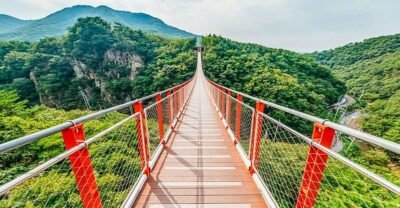
DMZ Insider Tour: 3rd Tunnel, NK Defector Meet & Red Bridge
Read our review →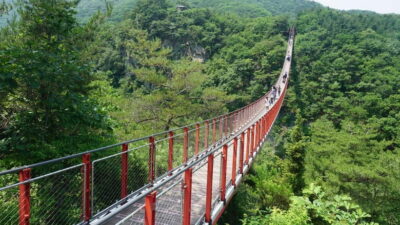
Thrilling Korean DMZ 3rd Tunnel Tour from Seoul + Red Bridge Rush
Read our review →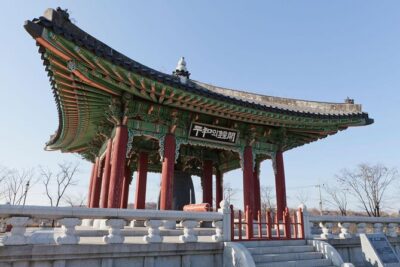
DMZ Past and Present: Korean Demilitarized Zone Tour from Seoul
Read our review →
Ultimate Korea DMZ Tour from Seoul (Gondola & Suspension Bridge)
Read our review →Browse the lists this tour appears in