
Reviewed · DMZ TOURS
Seoul: DMZ, Gyeongbokgung Palace & City Tour
The most striking part of this day is the sharp change in mood. You move from Seoul’s royal Gyeongbokgung Palace to the heavily guarded DMZ, where the division of Korea is not just a chapter in a book. It is visible across the border, in military rules, lookout points, and the tense quiet of the Third Tunnel. The DMZ visit gives you a direct look at the Korean conflict, while the palace explains the older royal system that shaped the country before modern Korea.
I like the way this tour joins two very different parts of Korean history in one long day. I also like having a professional security guide, transport, and DMZ entry arranged together, since access to this area is controlled and timing matters. Guides including Molly, Ron Han, and SP have been praised for clear explanations, warm manners, photo help, and answering questions beyond the basic schedule.
The drawback is the pace. Ten hours is a long day, and the DMZ rules are strict: you must carry your passport, use the authorized bus, follow photo instructions, and wear proper shoes. Lunch is not included in the stated package, so plan for that expense, even though one recent group received a traditional lunch during its outing.
Key points to know before booking
- The Third Tunnel requires proper shoes: Sandals and slippers are not allowed, and the tunnel visit involves walking.
- You can look into North Korea: The observatory provides a view toward North Korean residents and territory, though visibility and access can depend on conditions.
- Gyeongbokgung adds royal history: Learn how the palace functioned with employees and advisers, rather than as a private royal home alone.
- Your passport is essential: A current valid passport is required on the day of the tour.
- The schedule can change for military reasons: Training or an official event may replace the DMZ route with other sites, including Odusan Unification Tower and the War Memorial of Korea.
- A strong guide matters here: Molly, Ron Han, and SP have been singled out for lively explanations, photography help, and careful attention to questions.
From Seoul’s royal court to the Korean border
This tour works because it gives you two lenses on Korea. Gyeongbokgung Palace shows a Korea ruled through dynasties, ceremony, staff, and advisers. The DMZ shows the country split by war and still managed through military controls. Put together, the day feels less like a collection of sights and more like a broad lesson in how Korea became the country you see today.
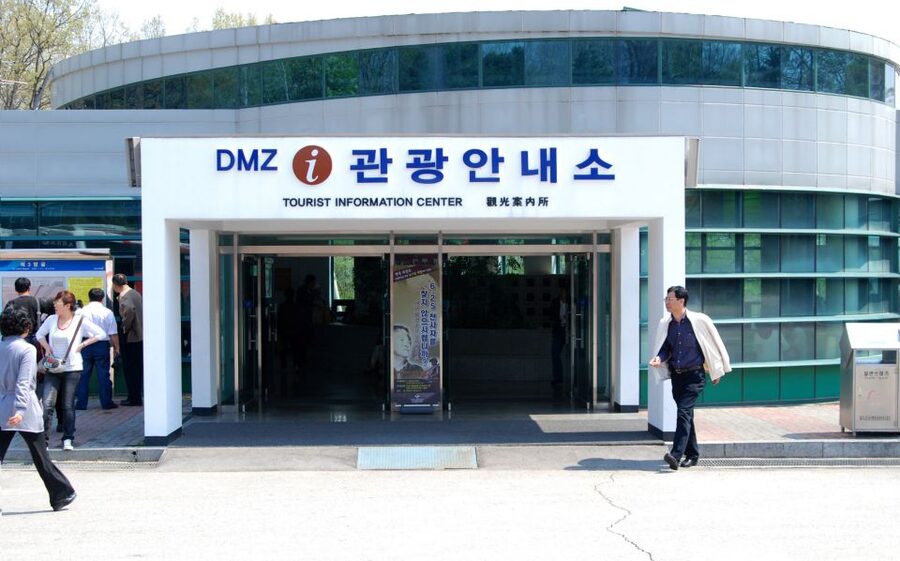
The meeting point is Exit 7 of City Hall Station at 7:30 in the morning. Hotel pickup in Seoul is also available as an option, which can make an early start easier if you are carrying luggage, staying far from City Hall, or simply do not want to navigate the subway before sunrise.
Expect to spend much of the day in a coach or authorized shuttle vehicle. That is a real benefit here. The DMZ is not a place where you can casually wander between sights by yourself, and the tour handles the transport between controlled areas. You can rest during the longer drives rather than trying to solve each transfer on your own.
The full duration is about ten hours. That sounds long, but the distance, security checks, several DMZ stops, and palace visit all take time. You should treat this as your main activity for the day, not something to squeeze between dinner reservations or another major attraction.
More DMZ Tours in Seoul:
- Best DMZ Tour Korea from Seoul (Red Suspension Bridge Optional)
★ 5.0 · 41,422 reviews - DMZ Tour: 3rd Tunnel, Option(Suspension Bridge, Boat) from Seoul
★ 5.0 · 21,373 reviews - DMZ tour south Korea from Seoul (NK experience hall, defector)
★ 5.0 · 20,599 reviews
Entering the DMZ with a professional guide
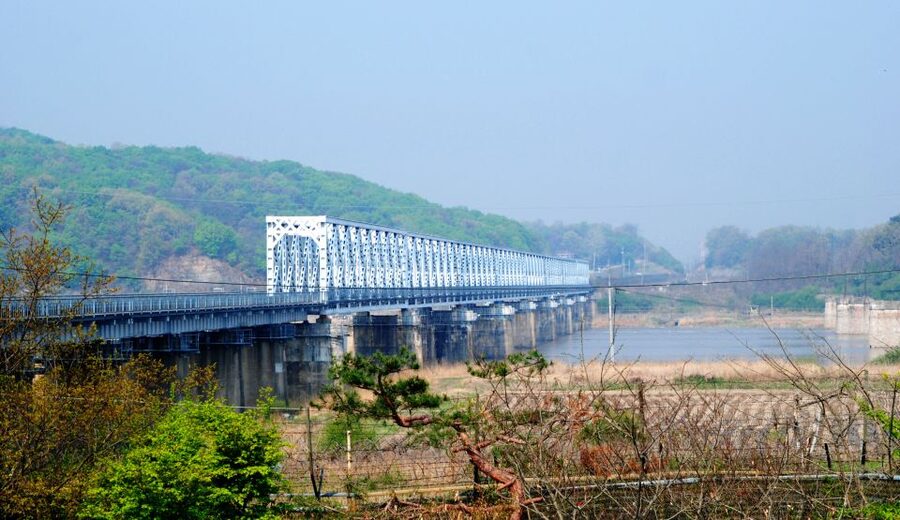
The Demilitarized Zone is one of the few places where the division between North and South Korea can be seen in a physical, immediate way. Since the Korean War began in 1950, the peninsula has followed two very different political and economic paths. The tour’s security specialists explain that split while you visit places tied to the war and the current border.
The guide’s role matters more here than it would on an ordinary sightseeing trip. Rules can change, photo locations are controlled, and every tourist must travel on the authorized bus. A good guide helps you understand not only what you are seeing, but why access is limited and why the schedule may shift.
English and Korean guiding are available. The strongest personal feedback has focused on the individual guides. Molly was praised for explaining Korean dynasties, the war, and everyday stories in a friendly way, as well as taking excellent photos. Ron Han, known during one outing as Han Solo, was described as kind and informative. SP also handled a small palace group, answering wide-ranging questions and turning that portion into an almost private lesson.
That kind of attention can change the feel of the day. The DMZ is visually spare, and many details are easy to miss without explanation. Your guide gives the area a human and political frame instead of leaving you with only fences, hills, and distant buildings.
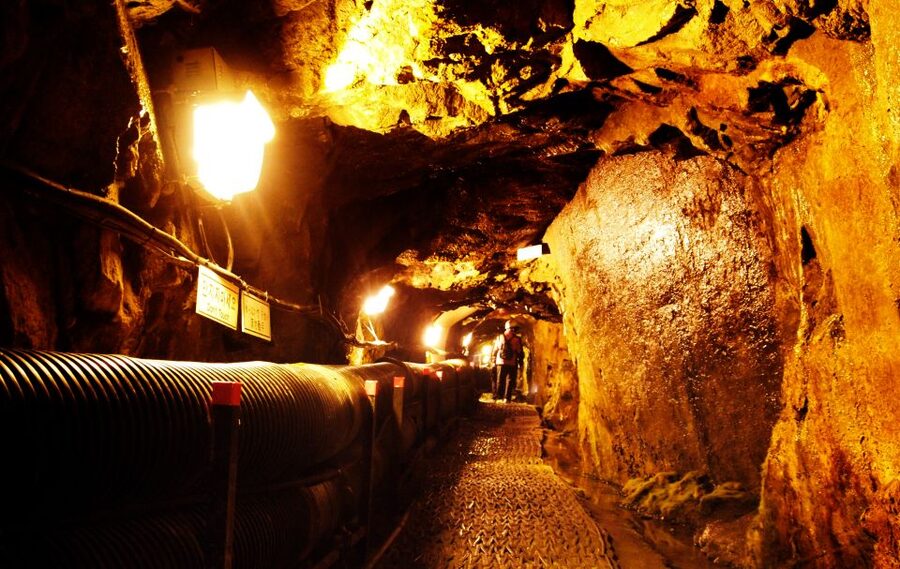
Walking through the Third Tunnel
The Third Tunnel is one of the tour’s most memorable stops. It was built as an attempted invasion route from North Korea into the South, with enough space for military movement. The tour description specifically notes its design for tanks, which makes the tunnel more than a simple underground passage. It is a physical reminder of how active the threat once was.
You should wear sneakers or other sturdy walking shoes. Sandals and slippers are not permitted, and the tunnel portion is not suited to anyone who needs wheelchair access. Even if you are comfortable walking, the enclosed setting and required route make proper footwear a smart choice.
The tunnel is also a place where the guide’s explanation adds weight. On its own, an underground corridor may not mean much. With the story of how it was built and why it mattered, the stop becomes one of the clearest links between military planning and the division you see above ground.
Do not expect a leisurely stroll with unlimited time for photos. DMZ visits run on official schedules, and you must follow the time and photo regulations. If you enjoy unstructured sightseeing, this may feel controlled. If you prefer having the complicated arrangements handled for you, those same rules can be reassuring.
Looking toward North Korea from the observatory
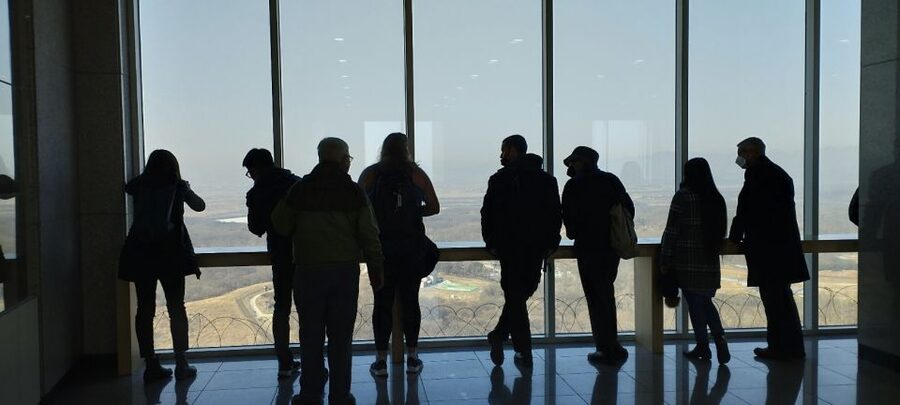
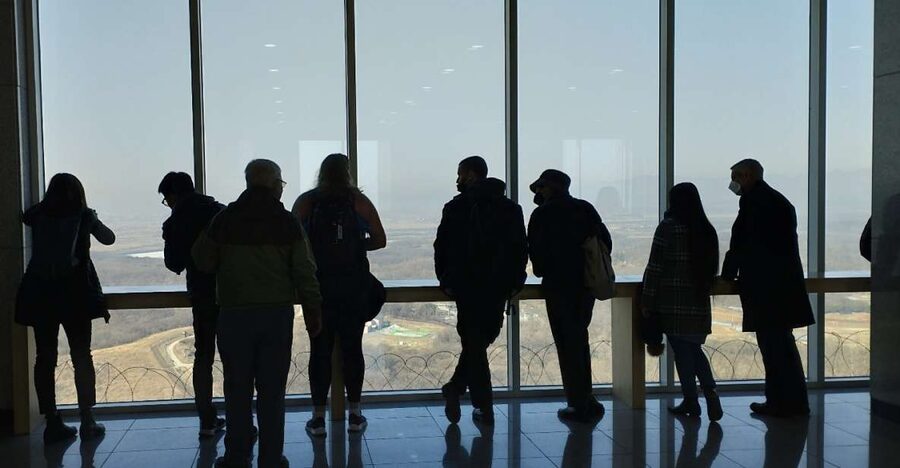
At the observatory, you can look toward North Korea and, when conditions allow, see North Korean residents and the surrounding area. This is the moment when the political division often becomes most concrete. You are not viewing a museum model or a historical map. You are looking across a real border.
Keep your expectations realistic. The view is not fully under your control, and weather, distance, and official instructions can affect what you see and how long you can use viewing areas. The tour promises the chance to view North Korean residents, but it cannot promise a perfectly clear or close view on every departure.
Your guide helps you read the scene. From a distance, it can be hard to know which areas are villages, observation posts, or restricted zones. Explanations about North and South Korean relations make the observatory more meaningful than a quick photo stop.
Photography is also regulated. The rule is simple: follow your guide and the local instructions rather than assuming that every direction is open for pictures. This is one reason the experience differs from a normal city tour. The border is not a backdrop arranged for sightseeing.
More Gyeongbokgung Palace Tours in Seoul:
- Seoul: Gyeongbok Palace, Bukchon Village, and Gwangjang Tour
★ 4.9 · 2,321 reviews - Best Seoul City Tour (Gyeongbokgung Palace,Insadong,Namsan Tower)
★ 5.0 · 1,647 reviews - Seoul City Sightseeing Tour Including Gyeongbokgung Palace, N Seoul Tower, and Namsangol Hanok Village
★ 5.0 · 1,423 reviews - Seoul: Gyeongbok Palace, Bukchon Village, and Gwangjang Tour
★ 5.0 · 1,044 reviews
Imjingak and the War History Pavilion
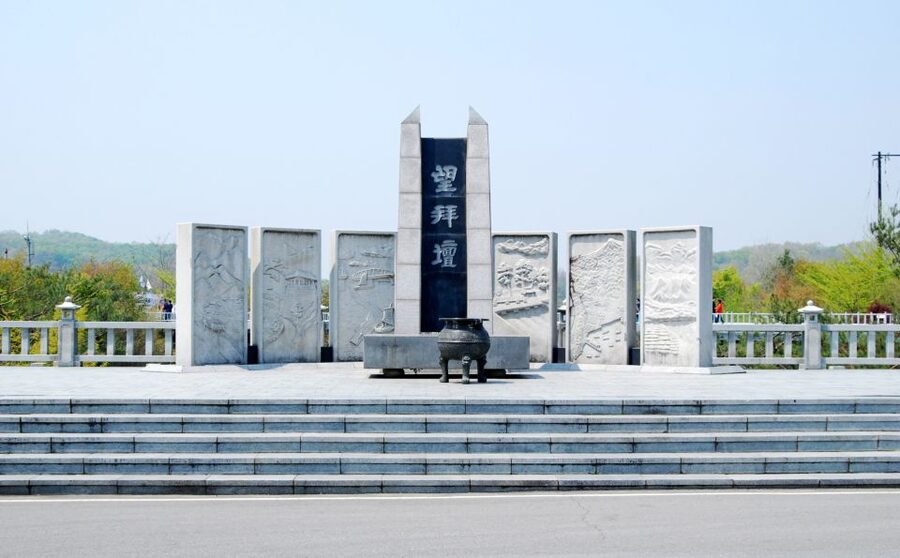
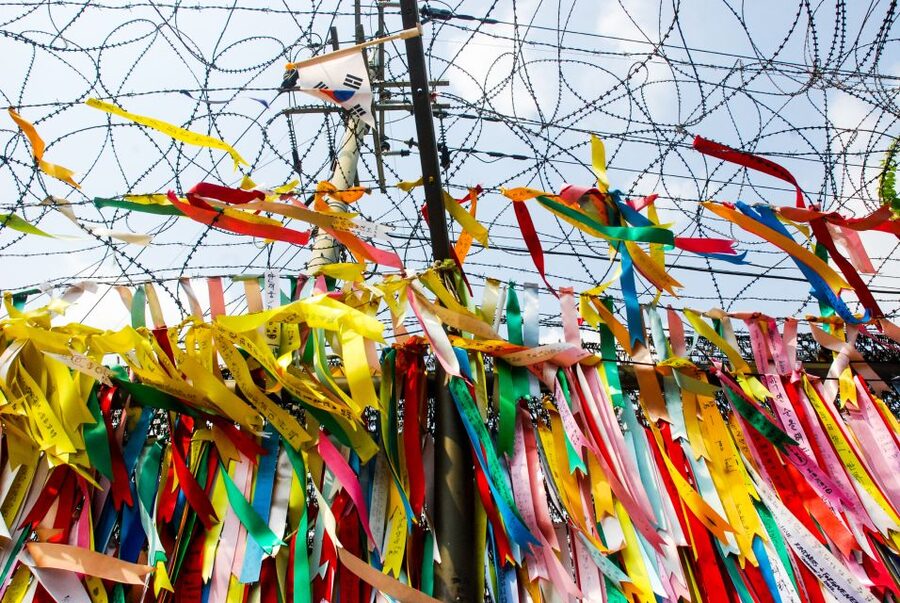
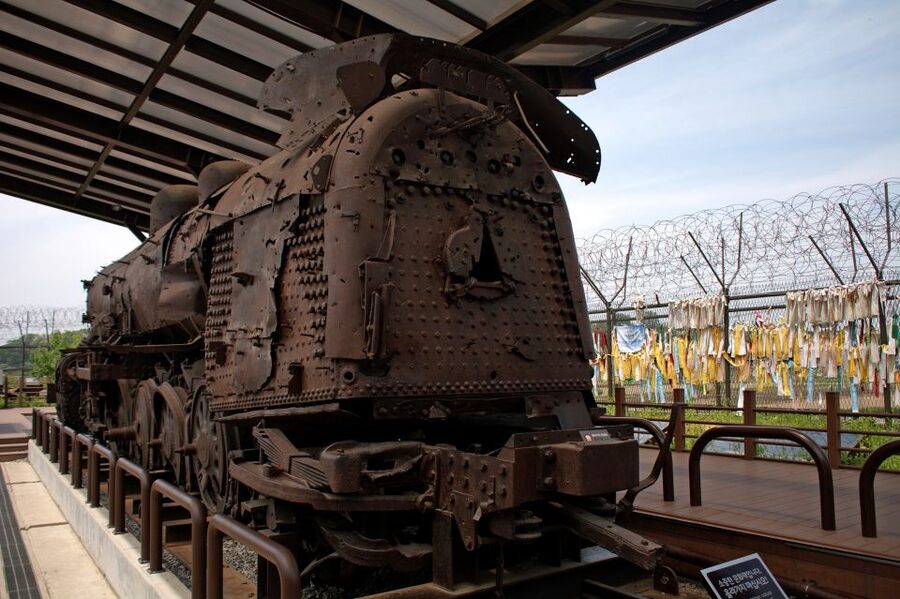
Imjingak adds another layer to the DMZ visit. The area is tied to the division of Korea and the families, soldiers, and civilians affected by it. It gives you a place to consider the human cost of separation rather than viewing the border only through military equipment and security posts.
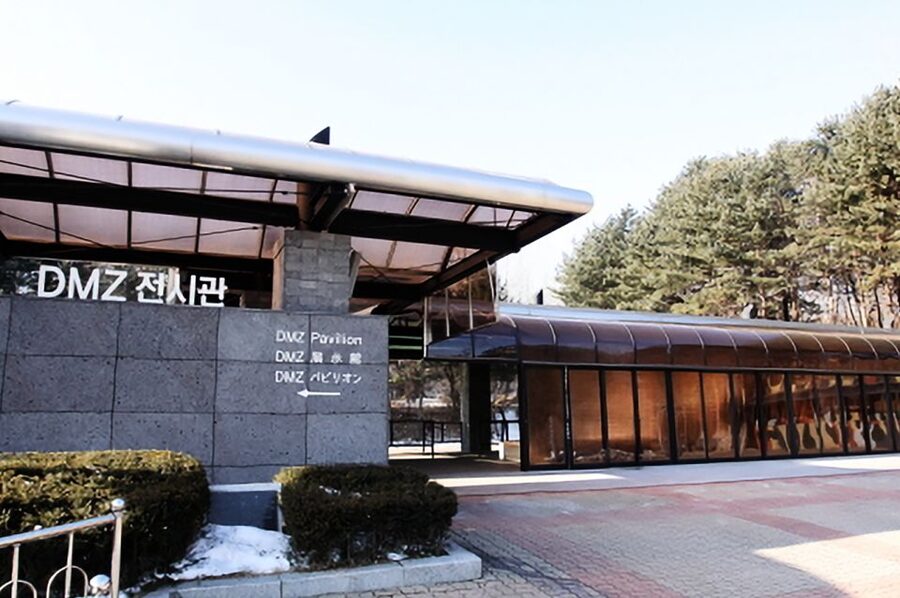
The War History Pavilion helps place the conflict in a wider setting. You can learn how the war shaped the peninsula and why the relationship between North and South remains sensitive. The tour also includes entry to a venue that explains the history of the war, so these stops are not simply outdoor viewpoints.
This part of the day suits you if you want background before forming opinions. The subject can be politically charged, and a guide who explains events carefully is useful. The stated role of the guides is not just to move the group between sights, but to help you understand the security and history surrounding the DMZ.
An exhibition center also presents Korea’s past, present, and future. That wider view keeps the day from becoming a single-topic war visit. You can connect the old dynastic state, the destruction and division of the twentieth century, and South Korea’s current identity as a democracy and leading economy.
Gyeongbokgung Palace and the business of royal rule
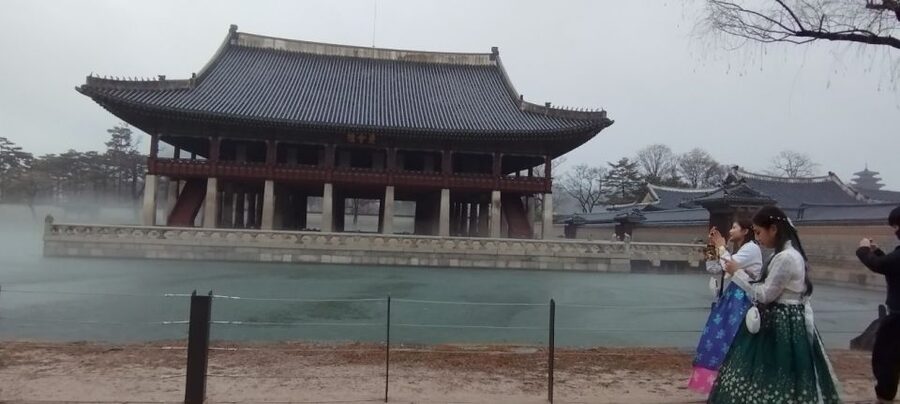
Gyeongbokgung Palace provides a strong contrast after the DMZ. It was home to the king, his family, and about 2,000 other people who helped run the court. The palace is easy to picture as a private royal compound, but the tour explains that it operated more like a large modern organization, with employees, advisers, and systems of administration.
That detail makes the palace more interesting than a sequence of grand gates and painted buildings. You begin to see the complex as a workplace, government center, residence, and ceremonial stage all at once. The palace tells you how power was organized before Korea’s modern political divisions.
The palace visit may be especially rewarding if your guide enjoys questions. SP, for example, was able to give a small group an almost private palace tour and explain not only the site itself but also broader questions about Korea. Group size can make a difference here. A larger party may offer less personal conversation, while a private group option gives you more control and direct access to the guide.
Gyeongbokgung is closed on Tuesdays. When that happens, the tour replaces it with Deoksu Palace. That substitution keeps the day’s royal-history section intact, but you should know that you may not see the palace most associated with the Joseon court.
What the $110 price really covers
At $110 per person, this is not a cheap half-day outing. It is a full ten-hour program that includes transportation, a professional English guide, hotel pickup and drop-off service, and entry to the DMZ. Those inclusions matter because the DMZ is not a simple independent day trip. Authorized vehicles, access rules, and security procedures create hurdles that are easy to underestimate when planning from Seoul.
The price also buys structure. You do not have to work out how to connect the tunnel, observatory, Imjingak, war exhibits, and palace in one day. You can sit in the coach while the guide and driver manage the route.
Lunch is not included in the listed package. Bring money for food and personal expenses, and do not assume a meal is part of the standard price. One recent group received a traditional lunch, but that should be treated as an occasional inclusion rather than a guaranteed feature.
The tour is a good value for you if the DMZ is a high priority and you want substantial explanation. It is less appealing if you prefer to spend a full day at Seoul’s palaces, museums, and neighborhoods, or if you dislike fixed schedules and military controls.
Practical details that can make or break the day
Bring your current valid passport. This is not optional, and you need it on the day of travel. Keep it accessible rather than buried in a suitcase.
Wear sneakers or another closed, comfortable shoe. No sandals or slippers are allowed, and the Third Tunnel makes footwear especially important. The tour is not wheelchair accessible, and it is not suitable for wheelchair users.
Children must be accompanied by an adult, and unaccompanied minors are not allowed. A private group is available if you want a more personal setting or have a party with specific needs.
The DMZ can close or change its schedule for an unannounced military training exercise or official event. If that happens, the replacement program may include Tomorrow’s Whistle, Bunker Beat 131, Odusan Unification Tower, and the War Memorial of Korea. These are not random substitutes. They continue the focus on the division, security, and war history, but they will not give you the same tunnel or border-view experience.
The cancellation policy is useful for a tightly planned Seoul visit: you can cancel up to 24 hours before departure for a full refund. You can also reserve now and pay later, which helps if your route is still changing.
Who will get the most from this experience?
I would choose this tour if you have one day for the DMZ and want the main sights explained without arranging several separate bookings. It suits first-time visitors who want a clear account of Korea’s division, as well as anyone who likes connecting political history with older royal traditions.
It is also a good match for you if personal guiding matters. The warm, attentive style reported from guides such as Molly, Ron Han, and SP is a real plus. Photo help can be useful at formal palace areas and lookout points, especially when the day is moving quickly.
Think twice if you need a relaxed pace. The tour lasts ten hours, begins early, and follows official timing. You will not be able to linger wherever you like, and the border rules may limit photography or change the plan.
The day is also a poor fit if you cannot walk comfortably or need wheelchair access. The Third Tunnel and the general movement between controlled sites require a level of mobility, and the operator specifically says the experience is not wheelchair accessible.
Should you book the Seoul DMZ and palace tour?
Book it if the DMZ is one of your main reasons for visiting Seoul and you want to see the Third Tunnel, look toward North Korea, visit Imjingak, and learn the war’s context from a guide. Adding Gyeongbokgung Palace gives the day a useful second half, showing how Korea was governed before the modern division.
The $110 cost is reasonable for a long, tightly organized day with transport, guide service, and DMZ admission, though you should budget separately for lunch and personal spending. Bring your passport, wear sneakers, and accept that military rules can change the itinerary.
If you want flexibility, quiet palace time, or a slow city day, choose separate Seoul sightseeing instead. If you want a serious look at Korea’s past and present in one demanding but efficient outing, this tour is a strong choice.
FAQ
Where does the tour meet?
The standard meeting point is Exit 7 of City Hall Station at 7:30 AM. Optional hotel pickup in Seoul is also available.
How long does the tour last?
The experience lasts about 10 hours, including the DMZ visit, transport, and Gyeongbokgung Palace or its replacement attraction.
Is hotel pickup and drop-off available?
Yes. Hotel pickup and drop-off service are included, with pickup listed as optional when booking.
Do I need to bring my passport?
Yes. Every participant must bring a current valid passport on the day of travel.
What happens if the DMZ closes for military training or an official event?
The DMZ program may be replaced with a visit to Tomorrow’s Whistle, Bunker Beat 131, Odusan Unification Tower, and the War Memorial of Korea.
Is lunch included?
Lunch is not included in the stated package. Personal expenses are also excluded, so you should bring money for food.
Just added around Seoul
- Gyeongbokgung palace,seoul with gigibebe hanbok rental★ 4.5 · 12 reviews
- Private tour guide service in Seoul, Korea★ 5.0 · 6 reviews
- Alpaca, Nami, Petite Fr, Italian Village, Garden of Morning Calm★ 3.5 · 5 reviews
- Gyeongju UNESCO Sites Tour by KTX train; The Museum Without walls★ 4.5 · 11 reviews
- Private day trip to Korean Folk Village & Dae Jang Geum Park★ 5.0 · 7 reviews
- Private tour Lotte World,Tower,Aquarium(All Tickets are included)★ 5.0 · 12 reviews
- Full Day Private Seoul Tour for foodies★ 5.0 · 3 reviews
- Seoul Private Custom Walking Tour with A Guide (Private Tour)★ 4.5 · 28 reviews
DMZ Tours, compared.
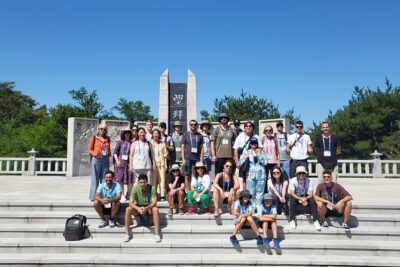
Best DMZ Tour Korea from Seoul (Red Suspension Bridge Optional)
Read our review →
DMZ Tour: 3rd Tunnel, Option(Suspension Bridge, Boat) from Seoul
Read our review →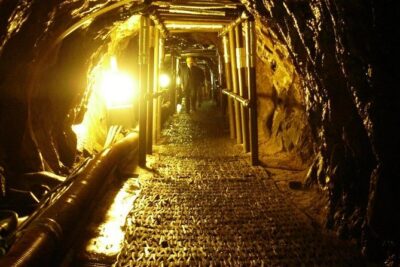
DMZ tour south Korea from Seoul (NK experience hall, defector)
Read our review →
DMZ Insider Tour: 3rd Tunnel, NK Defector Meet & Red Bridge
Read our review →
Thrilling Korean DMZ 3rd Tunnel Tour from Seoul + Red Bridge Rush
Read our review →
DMZ Past and Present: Korean Demilitarized Zone Tour from Seoul
Read our review →
Ultimate Korea DMZ Tour from Seoul (Gondola & Suspension Bridge)
Read our review →Browse the lists this tour appears in