
Reviewed · HISTORICAL TOURS
Korean History & Heritage Tour
Gyeongbokgung Palace, a Buddhist temple, an old neighborhood, and a famous food market all fit into this private seven-hour tour of Seoul. It gives you a useful first look at how royal life, religion, crafts, daily customs, and street food connect across the city.
I like the door-to-door transport, especially in a city where several historic sights are spread across busy streets. I also like the range of stops: the National Folk Museum explains Korean life from birth through death, while Kwangjang Market brings you into the present with comfort food and local commerce.
The main caution is that this is a fast-moving day. Palace time is listed at 45 minutes, and each stop has a set visit length, so you will get a broad introduction rather than a slow, detailed visit to every site. One poor experience also raised a concern about the vehicle being left far from a stop, so it is sensible to confirm the driving plan with your guide at the start.
Key points at a glance
- Seven traditional Seoul stops: Move from Gyeongbokgung Palace and the National Folk Museum to Bukchon, Insadong, Jogyesa Temple, Cheonggyecheon Stream, and Kwangjang Market.
- A private group of up to six: You get your own guide and do not share the activity with another group.
- Hotel pickup across Seoul: Pickup and drop-off are included for hotels anywhere in Seoul.
- A useful mix of past and present: Palace ritual, Buddhist practice, traditional homes, royal arts, restored urban space, and street food all appear in one day.
- Named guides with different styles: Michael is associated with a particularly personal day that included ginseng black chicken, while Judy is described as patient and friendly.
- Plan for extra costs: Lunch is not included, and Gyeongbokgung Palace admission is separate.
Why this seven-hour route works for a first day
Gangbuk, north of the Han River, is the part of Seoul where many of the city’s best-known traditional sights sit close together. This tour makes a sensible arc through that area instead of asking you to piece together several separate subway and walking journeys.
You start at 9:00 a.m., which gives the day a clear shape. The stops add up to about four hours of sightseeing time, with the rest used for driving, transitions, and the practical pauses that come with a full day out. You should expect a full schedule, not seven hours of uninterrupted guided talk.
The private format matters here. Your group can ask about palace design, family customs, Buddhism, food, or modern Seoul without waiting for a large party to catch up. With space for up to six people, the $475 group price is easiest to justify when shared among several guests. For six, it works out to about $79 per person before palace admission and lunch. For one or two people, the same flat rate becomes a much bigger expense.
The air-conditioned vehicle is another reason to consider the tour. Seoul’s traditional sights involve walking, standing, and moving between busy areas. The car gives you a break between stops and removes some route planning from your day. Still, the tour provider describes the vehicle as included rather than promising a particular model, and one very unhappy account said the car was parked far away after the first stop. I would confirm that the vehicle will be used for transfers between the listed locations.
A few more Seoul trips to weigh up
- Seoul: Evening Dark History, Folklore & Ghost Story Walking Tour
★ 5.0 · 593 reviews - Hanbok Photoshoot and History Tour at Gyeongbokgung Palace
★ 5.0 · 276 reviews - From Seoul: Dae Jang Geum Park Historic K-Drama Set Tour
★ 4.9 · 143 reviews
Gyeongbokgung Palace and the royal morning
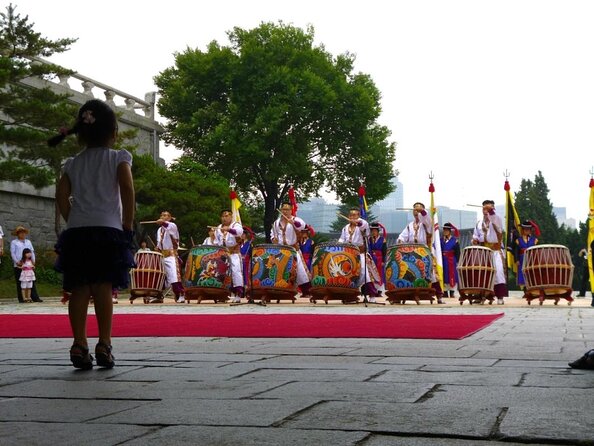
The first stop is Gyeongbokgung Palace, the grand royal setting that anchors the day. The plan includes the changing of the guards and time to go farther into the palace grounds, where your guide can explain the architecture and the king’s way of life.
Forty-five minutes is enough to see the main character of the complex and get a useful explanation of its royal role. It is not enough for an unhurried examination of every courtyard, hall, and gate. If palace architecture is your main reason for visiting Seoul, you may want a separate return visit.
The guard ceremony gives the morning a clear opening event. Since the exact ceremony schedule is not provided here, ask your guide to confirm the timing when you meet. Palace admission is not included, so keep that extra charge in mind when comparing the total cost with other private tours.
I like beginning here because the palace gives context to several later stops. Insadong’s craft traditions, the folk museum’s account of household life, and Bukchon’s traditional homes make more sense after you have seen the setting of Korea’s royal court.
Korean life at the National Folk Museum
The National Folk Museum of Korea follows the palace with a shorter, 30-minute visit. Its focus is not simply on royal objects. The planned discussion runs through the stages of a Korean life, from birth and family customs to death and ideas about the afterlife.
That approach gives the day some needed balance. Gyeongbokgung shows power from the top down, while the museum turns your attention to ordinary routines and beliefs. You get a chance to think about how people lived, marked important events, and understood the world beyond everyday life.
Admission to the museum is free. The 30-minute stop is compact, so you should treat it as a guided introduction rather than a complete museum visit. If you want time to read displays closely, you may feel rushed.
The museum also helps keep the day from becoming a string of pretty buildings. Your guide can connect what you see there with the village, temple, and market that follow. That human focus is one of the stronger features of the route.
Bukchon Hanok Village and living heritage
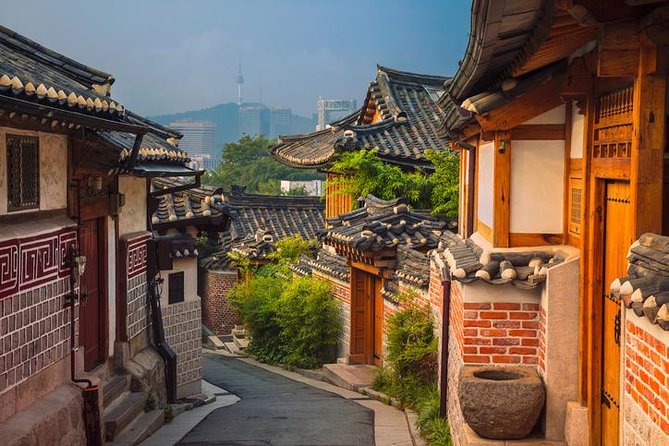
Bukchon Hanok Village brings you into an area where traditional Korean houses are still used as homes. The 40-minute visit is a chance to see the tiled roofs, woodwork, and narrow lanes of a traditional residential district rather than a palace built only for display.
That distinction matters. You are not walking through an empty historical set. People still live here, so quiet and respectful behavior is important. Keep your voice down near homes, avoid blocking lanes, and follow any posted requests about photography.
The short visit should give you a feel for the area, but it cannot cover every lane or viewpoint. Bukchon is best understood as a living neighborhood, not a single attraction with one entrance and one exit. Your guide’s local direction can help you see its character without spending the whole day searching for the right streets.
There is also a practical point for anyone with mobility concerns. The itinerary includes walking through several historic districts, and Bukchon’s lanes may not be flat or effortless. The tour notes that most people can participate, but it does not promise a step-free route.
Same country, a completely different kind of day:
- Best DMZ Tour Korea from Seoul (Red Suspension Bridge Optional)
★ 5.0 · 41,422 reviews - DMZ Tour: 3rd Tunnel, Option(Suspension Bridge, Boat) from Seoul
★ 5.0 · 21,373 reviews - DMZ tour south Korea from Seoul (NK experience hall, defector)
★ 5.0 · 20,599 reviews - Seoul: DMZ Tour with Optional Suspension Bridge
★ 4.8 · 5,277 reviews
Insadong, where royal patronage meets souvenirs
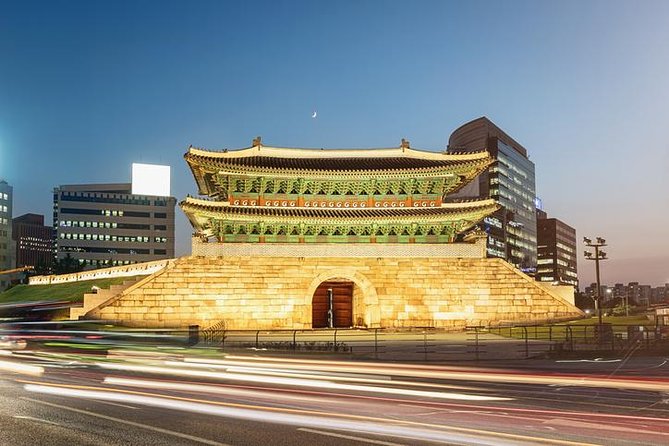
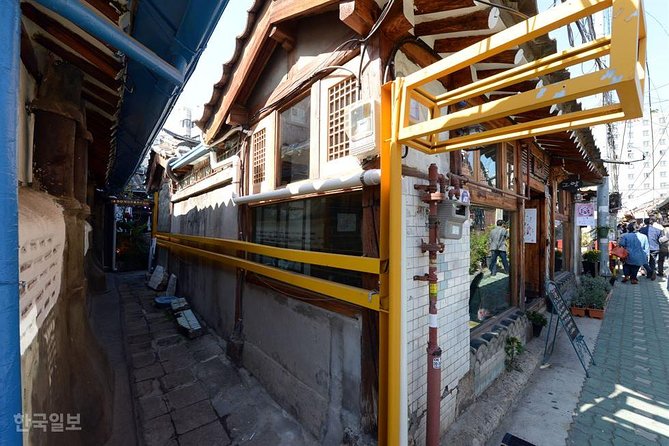
The stop in Insadong lasts about 45 minutes. Your guide presents it as the former guild area where the king commissioned artists and designers, now known for antique shops and Korean souvenirs.
This is the place to look for a small object that connects to your visit. You may find traditional-style art, crafts, or other goods, but the data provided does not specify particular shops or prices. I would enjoy the walk first and buy only after checking quality and cost.
Insadong also serves as a bridge between the old court and modern Seoul. It is not a preserved Joseon street in the same way a palace is. Instead, it is a commercial district shaped by traditional arts and present-day shopping. That makes it useful for understanding how heritage is displayed and sold today.
Forty-five minutes gives you time to browse, but not to shop at length. If you are looking for serious antiques or handmade work, ask the guide where to focus. If you simply want souvenirs, this is likely the most convenient planned stop for it.
Jogyesa Temple and Korea’s Buddhist tradition
At Jogyesa Temple, the tour turns to Buddhism, a religion that once served as the country’s national faith. The visit lasts 20 minutes, making it one of the briefest stops.
The temple adds a different mood to the day. After the formal palace and the commercial energy of Insadong, you get a place connected to worship and reflection. Your guide can explain the temple’s role and place it within Korea’s religious past.
Twenty minutes is enough for a look and a short explanation, but not for a detailed study of Buddhist practice or temple design. Visitors should also remember that this is a functioning religious site. Keep your voice low and behave respectfully during the visit.
I appreciate its position in the schedule. The tour does not treat Korean heritage as only royal architecture. It includes household customs, living homes, artistic work, and religious life, even if some of those subjects receive only a short visit.
Cheonggyecheon Stream and Seoul’s changing city
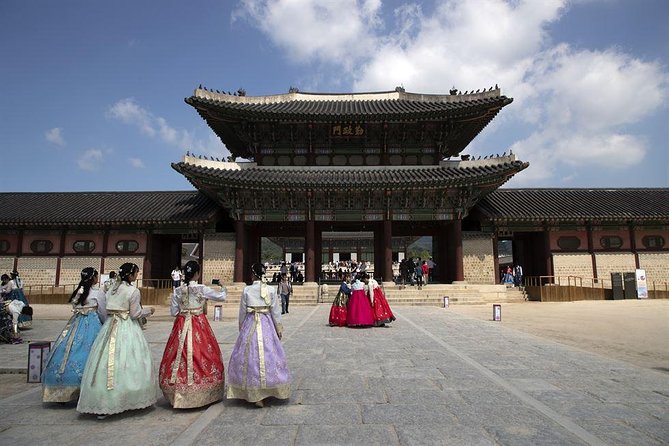
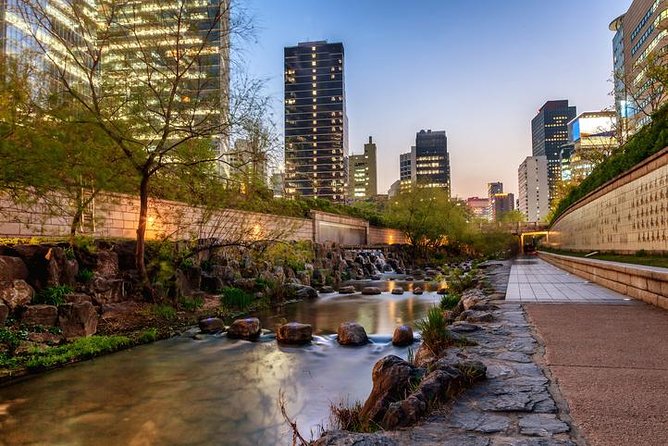
The 30-minute walk along Cheonggyecheon Stream shifts the focus from old buildings to the modern city. The guide is expected to explain the stories behind the stream while you walk beside the water.
This stop gives your legs a change from palace courtyards and shop-lined streets. It also helps you see Seoul as a city that keeps reshaping itself while retaining links to older parts of its identity.
The supplied details do not specify which stories your guide will tell, so this is a good moment to ask questions about the stream’s past and present. The planned walk is short and should not be treated as a long riverside outing.
Because this is an urban walk, the experience depends partly on the day’s pace and conditions. The air-conditioned vehicle is useful before and after the walk, but you should still wear comfortable shoes for the full route.
Kwangjang Market and a real taste of Seoul
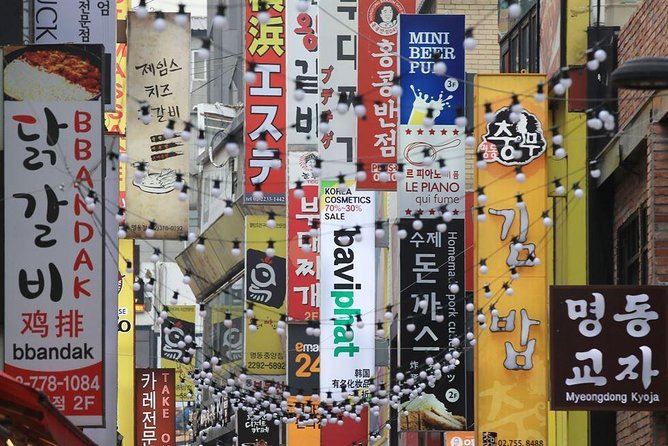
The final stop is Kwangjang Market, described as about 600 years old. It began with linens for special occasions and later became a go-to place for Korean comfort food served from market stalls.
The 30-minute visit is short, but it can be one of the most memorable parts of the day. Here, heritage is not locked behind glass. It appears in food, trade, familiar snacks, and the way a traditional market has changed over time.
Lunch is not included, which is both a cost and an opportunity. You can buy food at the market if you want to eat there, though the tour details do not promise a meal arrangement or a particular vendor. Bring enough time and money for any food you choose, and ask your guide for help if you are unsure what to order.
One highly praised day with Michael included a stop for ginseng black chicken at a favorite restaurant. That was not listed as a guaranteed part of the itinerary, so do not book expecting that exact meal. It does show how a private guide may add a personal food recommendation when time and group interest allow.
Kwangjang works well as the final stop because it ends the day with daily life rather than ceremony. You have seen the royal court, the family cycle, a living neighborhood, a craft district, and a temple. The market shows how tradition continues through ordinary food and commerce.
The guides and the private format
The guide can shape this experience more than any single monument. Michael received especially warm praise for explaining Korean life and history in a personal way, with food advice folded into the day. Judy was described as patient, friendly, and kind, with a comfortable car ride and a pace suited to walking.
Those details suggest the best match for this tour is someone who wants conversation rather than a recorded audio script. You can ask why a roof is shaped a certain way, how a market changed, or how religious customs fit into family life. The private setting gives those questions room.
There is also a warning. One account described guide YT Kim as unprofessional and said the car tour became mostly a walking tour, with the vehicle parked far from the first stop. That is a serious concern because transport is part of the value you are paying for. At pickup, confirm the day’s route, when the vehicle will be used, and where you will meet after each walking segment.
The overall rating is 4.8 from 51 ratings, with 96 percent recommending the experience. That points to a generally strong product, but the poor account shows why clear communication matters, particularly if you have limited walking ability or are booking the tour mainly for private transport.
Price, pace, and who gets the best value
At $475 per group of up to six, this is not the cheapest way to see Seoul. Its value improves sharply with a full group. Six people sharing the cost pay about $79 each, while two people pay about $238 each before palace admission and food.
You are paying for a private guide, an air-conditioned vehicle, hotel pickup and drop-off anywhere in Seoul, and a carefully linked route through seven locations. You are not paying for lunch, and Gyeongbokgung admission is extra. Pickup outside Seoul but within Gyeonggi Province adds a $50 surcharge.
I would choose this tour if you want a broad cultural orientation without managing public transport between every stop. It is also useful for families or small groups with different interests, since one person can ask about food while another asks about architecture or religion.
I would skip it if you prefer to spend half a day inside one palace or museum. The schedule favors range over depth, and several stops are brief. Independent visitors who enjoy setting their own pace can cover many of these areas by public transportation, though they will need to arrange the route and guiding themselves.
Hotel pickup and drop-off make the tour especially practical on a first visit. The activity is near public transportation, and service animals are allowed. Confirmation is provided when you book, and free cancellation is available until 24 hours before the 9:00 a.m. start time. Changes or cancellations inside that period are not accepted.
Should you book this Seoul heritage day?
Book it if you want Seoul explained as a connected story rather than a list of attractions. The strongest feature is the range: palace ceremony, ordinary Korean life, a living hanok neighborhood, traditional arts, Buddhism, a city stream, and market food all appear in one private day.
Before paying, decide how much you value the car. If convenience and a guide are central, the group price can be fair, especially for four to six people. If you are a couple on a tight budget, compare the cost with using Seoul’s excellent public transport and hiring a guide for only one major site.
I would also confirm two things in advance: the exact palace admission cost and how the vehicle will be used between stops. With those details clear, this is a well-shaped introduction to Seoul’s traditional north side, best for curious first-time visitors who want context, variety, and a personal guide more than long museum hours.
FAQ
How long does the Korean History & Heritage Tour last?
The tour lasts about seven hours.
What time does the tour begin?
The listed start time is 9:00 a.m.
Is the tour private?
Yes. Only your group participates, with up to six people per group.
Is hotel pickup included?
Yes. Free pickup and drop-off are provided from anywhere in Seoul.
Is transportation included?
An air-conditioned vehicle is included.
Are meals included?
No. Lunch is not included.
Is admission to Gyeongbokgung Palace included?
No. Admission to Gyeongbokgung Palace is not included.
Are the National Folk Museum, Bukchon Hanok Village, Insadong, Jogyesa Temple, Cheonggyecheon Stream, and Kwangjang Market included in the route?
Yes. The planned route includes all six of those stops, along with Gyeongbokgung Palace.
What is the cancellation policy?
You can cancel at least 24 hours before the local start time for a full refund. Cancellations or changes made less than 24 hours before the start are not accepted and are not refunded.
Just added around Seoul
- Gyeongbokgung palace,seoul with gigibebe hanbok rental★ 4.5 · 12 reviews
- Private tour guide service in Seoul, Korea★ 5.0 · 6 reviews
- Alpaca, Nami, Petite Fr, Italian Village, Garden of Morning Calm★ 3.5 · 5 reviews
- Gyeongju UNESCO Sites Tour by KTX train; The Museum Without walls★ 4.5 · 11 reviews
- Private day trip to Korean Folk Village & Dae Jang Geum Park★ 5.0 · 7 reviews
- Private tour Lotte World,Tower,Aquarium(All Tickets are included)★ 5.0 · 12 reviews
- Full Day Private Seoul Tour for foodies★ 5.0 · 3 reviews
- Seoul Private Custom Walking Tour with A Guide (Private Tour)★ 4.5 · 28 reviews
Historical Tours, compared.
Gyeongju UNESCO World Heritage Guided Day Tour
Read our review →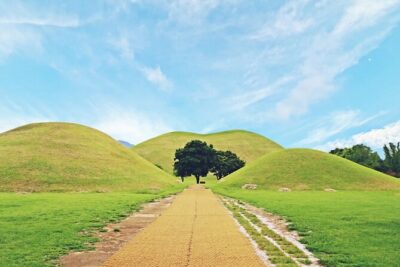
Gyeongju UNESCO World Heritage Guided Day Tour from Busan
Read our review →
Evening Dark History, Folklore & Ghost Story Walking Tour
Read our review →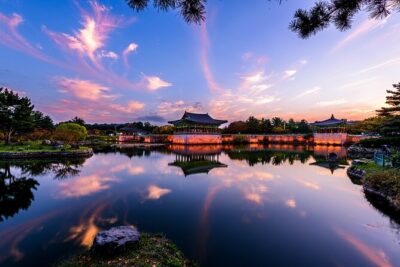
Old Korea Thousand History Tour of Gyeongju from Busan
Read our review →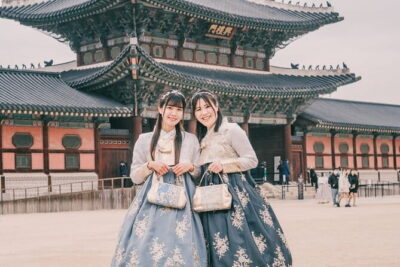
Hanbok Photoshoot and History Tour at Gyeongbokgung Palace
Read our review →
UNESCO Heritage Tour Including Bulguksa Temple
Read our review →
Gyeongju UNESCO World Heritage Sites and History Full-Day Tour with Lunch
Read our review →Browse the lists this tour appears in