
Reviewed · HISTORICAL TOURS
Seoul’s Hidden Dark History Guided Tour of Seodaemun Prison
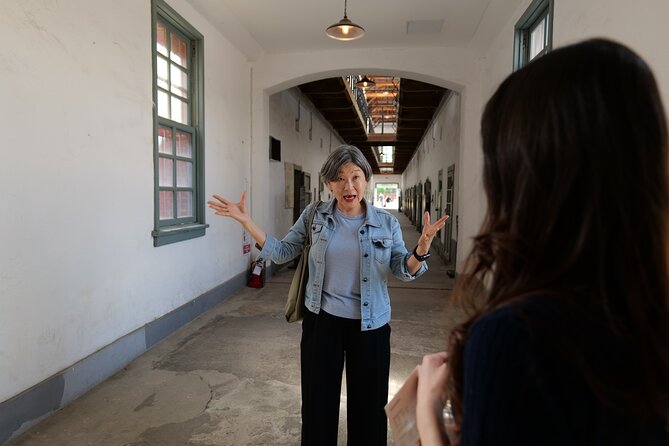
Seodaemun Prison is not a sightseeing stop you simply check off. It is a place where Seoul’s past feels close at hand, especially when you enter the original cells and underground interrogation rooms. I like that this tour connects the prison to Dongnimmun Gate and the wider fight for Korean independence, rather than treating the site as an isolated museum.
I also like the small maximum of 10 people and the guide’s more than 10 years of experience with Korean history. You should be ready for a serious visit, though: the subject is painful, and the prison’s execution grounds and interrogation spaces may feel heavy for some visitors.
Key points to know before booking
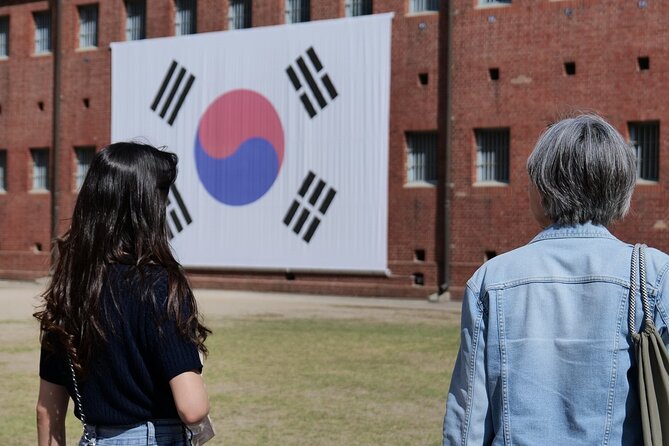
- Original prison spaces: Walk through cells, interrogation rooms, and the execution yard at Seodaemun Prison History Hall.
- A clear historical thread: Begin at Dongnimmun Gate, then follow Korea’s struggle for independence into the prison complex.
- Yu Gwan-sun’s story: Learn how a 17-year-old student became a national symbol after her role in the March 1st Movement.
- Small group format: The tour accepts a maximum of 10 people, allowing a more focused walk.
- Two-hour schedule: Meet at 2:00 pm, spend about 20 minutes at the gate, and about 1 hour 40 minutes at the prison.
- Useful value: The $31.54 price includes admission to the main prison site and a professional history guide.
Why Seodaemun Prison belongs on a different Seoul itinerary
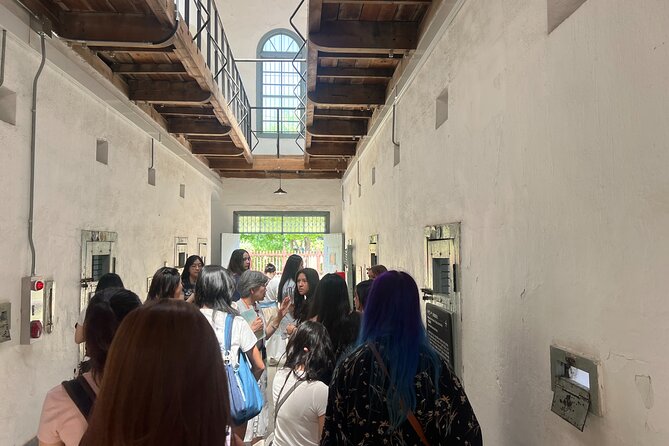
Seoul offers palaces, markets, shopping streets, and polished modern districts. Seodaemun Prison gives you another way to understand the city. The site focuses on Korea under Japanese colonial rule and the people who resisted that rule, including independence activists who were detained, interrogated, and executed there.
That setting matters. You are not only hearing a lecture in a gallery. You are walking through actual prison spaces associated with imprisonment and punishment. Cells, interrogation chambers, and the execution grounds give the history a physical scale that books and classroom timelines cannot easily provide.
I would choose this tour if you want your Seoul visit to include more than beautiful architecture and food. It asks for attention and respect, but it gives you a sharper sense of the sacrifices behind modern Korea.
The experience lasts about two hours, which is a useful length. It is long enough to build a proper story without taking up your entire afternoon. Since the meeting time is 2:00 pm, you can spend the morning elsewhere and still fit in a substantial cultural stop.
A few more Seoul trips to weigh up
- Seoul: Evening Dark History, Folklore & Ghost Story Walking Tour
★ 5.0 · 593 reviews - Hanbok Photoshoot and History Tour at Gyeongbokgung Palace
★ 5.0 · 276 reviews - From Seoul: Dae Jang Geum Park Historic K-Drama Set Tour
★ 4.9 · 143 reviews
Starting at Dongnimmun Gate
The tour begins at 102-6 Hyeonjeo-dong in Seodaemun-gu, near Dongnimmun Gate. The gate stop lasts about 20 minutes and has no admission charge.
Dongnimmun Gate provides the opening chapter. The tour introduces the independence gate built by Korea in 1890, giving you a point of reference before you enter the prison site. This is a smart way to begin because it sets up the idea of national independence before the tour turns to incarceration and colonial repression.
I would not expect a long standalone visit here. Twenty minutes is enough for an explanation and a look at the gate, but the prison is where most of the time and emotional weight lie. Still, the first stop prevents the experience from becoming only a tour of prison buildings. It links the site to a larger national story.
Pay attention to the transition between the two stops. The guide is expected to connect the independence movement with the people later held at Seodaemun Prison. That connection is one of the tour’s strongest features, since it helps you understand why this particular place carries such importance in Korea.
Entering Seodaemun Prison History Hall
The main stop lasts about 1 hour 40 minutes, and admission is included in the tour price. This is where you enter the cells, interrogation spaces, and execution grounds connected to the prison’s history.
The prison was constructed in 1908 during Japanese colonial rule. It was used to detain and execute people involved in Korea’s independence movement. Today, the preserved site works as a memorial and historical museum, but the buildings retain a stark quality that a modern exhibit alone could not recreate.
The original cells are likely to be the clearest part of the visit for many people. A cell is a simple space, yet seeing its size and layout can help you grasp the loss of privacy and freedom faced by prisoners. Your guide can add the human detail that architecture cannot provide on its own.
The underground interrogation rooms form a darker part of the tour. This section may be difficult, particularly if you are sensitive to accounts of imprisonment or abuse. You should not book this as a light afternoon attraction. The subject is direct, and the setting is designed to make you think about what happened there.
The execution grounds add another layer. You are told about the activists who were killed and the sacrifices made in the independence movement. The experience does not rely only on grand political events. It brings attention to people who paid a personal price for resistance.
The story of Yu Gwan-sun
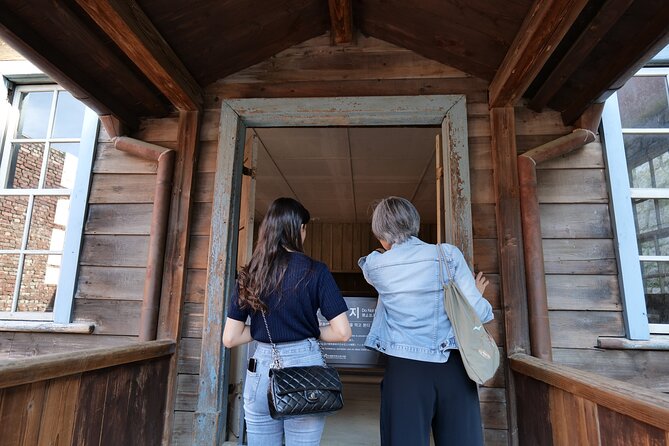
The account of Yu Gwan-sun gives the tour a human focus. She was a 17-year-old student whose courage during the March 1st Movement made her a national symbol.
That detail is important because it keeps the history from becoming a list of dates, institutions, and military events. You are asked to think about a young person making a brave choice under dangerous conditions. Her story can help younger visitors, students, and anyone unfamiliar with Korean history find a personal entry into the subject.
A guide with more than 10 years of experience in Korean history should be able to place Yu Gwan-sun’s story within the broader independence movement. The value of the guide is not just in reciting her biography. It is in explaining why her actions remain important and how an individual story fits into Korea’s national memory.
The available information does not provide the guide’s name, so you should not book expecting a particular named historian. You can expect a professional guide with a long background in Korean history, and the small group limit should make it easier to stay engaged with the explanation.
Same country, a completely different kind of day:
- Best DMZ Tour Korea from Seoul (Red Suspension Bridge Optional)
★ 5.0 · 41,422 reviews - DMZ Tour: 3rd Tunnel, Option(Suspension Bridge, Boat) from Seoul
★ 5.0 · 21,373 reviews - DMZ tour south Korea from Seoul (NK experience hall, defector)
★ 5.0 · 20,599 reviews - Seoul: DMZ Tour with Optional Suspension Bridge
★ 4.8 · 5,277 reviews
What makes the guided format worthwhile
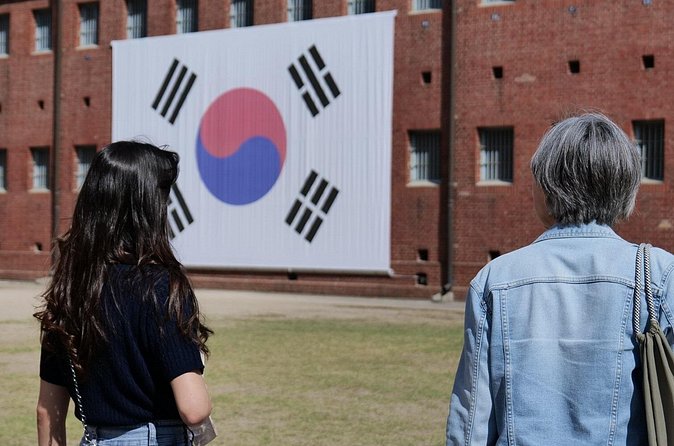
You can visit a historical site without a guide, but Seodaemun Prison is a place where context matters. The buildings show you where things happened, yet the meaning of each space is not always obvious from the room itself.
A guide can help you understand the order of the story. First comes the idea of Korean independence at Dongnimmun Gate. Then comes the prison’s role under Japanese colonial rule. Finally, the tour brings those themes down to individual activists and their sacrifices.
I like that this experience promises a detailed explanation of both the independence movement and the prison’s use. That combination is more useful than a quick walk through the grounds with only a few signs. You will have a better chance of remembering the people and events after you leave.
The group size also matters. With no more than 10 participants, the tour should feel more manageable than a large coach group. You may be able to hear the guide clearly and ask a question without interrupting a crowd. The information does not promise a private tour, so expect a shared experience rather than a one-on-one lesson.
Is the $31.54 price good value?
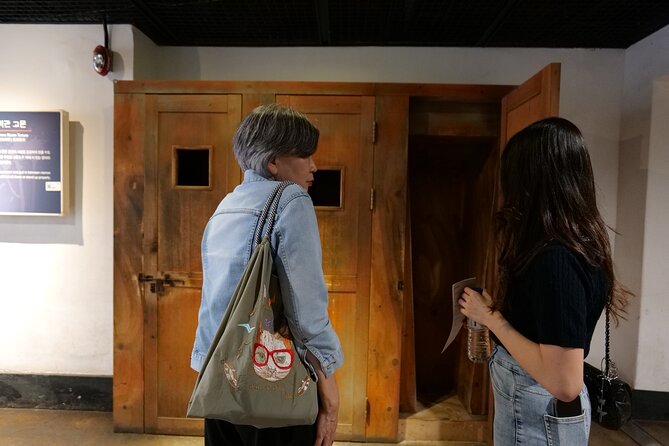
At $31.54 per person, this is not the cheapest way to spend two hours in Seoul. The price becomes easier to justify because admission to Seodaemun Prison History Hall is included, and you receive a guided explanation from someone with more than a decade of experience in Korean history.
The real value depends on how much help you want interpreting the site. If you already know the history of Japanese colonial rule, the March 1st Movement, and figures such as Yu Gwan-sun, you may find that the tour adds less than it would for a first-time learner. Even then, walking through the original spaces with a focused guide can give familiar material a stronger sense of place.
If you know little about Korea’s independence movement, the price is more persuasive. You get a structured visit, a small group, admission, and a guide who can explain why the prison matters. That is a better use of money than wandering through a serious memorial without knowing what you are seeing.
The tour is also a good choice if you want a compact experience. Two hours is enough for a meaningful visit without requiring a full day. You can still make evening plans afterward.
Practical timing and meeting details
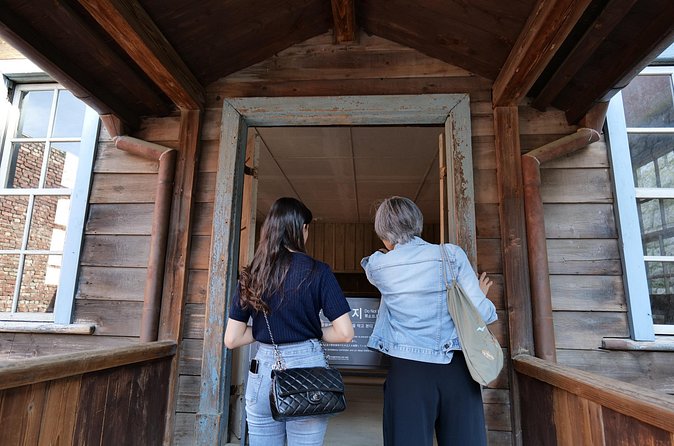
The tour starts at 2:00 pm and finishes at Seodaemun Prison History Hall, located at 251 Tongil-ro in Seodaemun-gu. The starting point and ending point are connected to the same historical area, which keeps the route focused.
The site is near public transportation, making it practical to reach without arranging a private vehicle. The supplied details do not identify a specific subway exit, bus route, or walking time, so you should check the exact meeting point on a map before leaving.
The walk requires a moderate level of physical fitness. That does not give a precise distance or step count, but you should be comfortable walking between the gate and prison site and moving through the complex for most of the two-hour visit. Wear sensible shoes, especially since the experience involves original buildings and a walking route rather than a seated talk.
Arrive with enough time to find 102-6 Hyeonjeo-dong. The meeting point is not the same as the final address at Seodaemun Prison History Hall, so do not head directly to the museum entrance unless you have confirmed the route.
Who will appreciate this tour most?
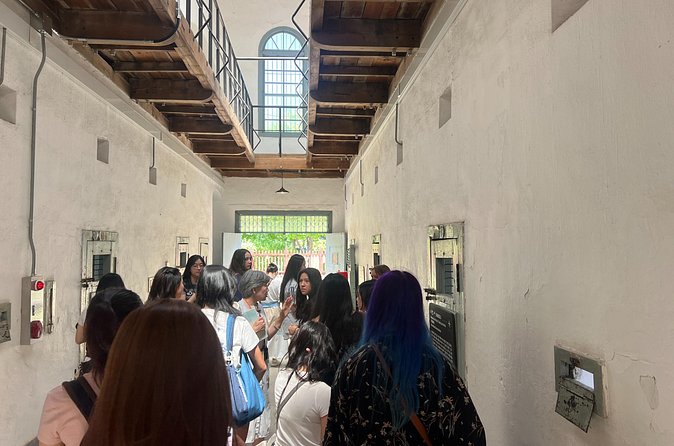
This tour suits adults and older children who want to understand Korea beyond popular attractions. It is especially useful for anyone interested in colonial history, independence movements, memorial sites, or the political story behind modern Seoul.
Students may find the visit helpful because it connects a national movement to real buildings and a specific young figure. History-minded visitors will appreciate the prison’s original spaces and the chance to ask questions during a small-group walk.
I would also recommend it to repeat visitors who have already seen Seoul’s main palaces and shopping districts. The experience offers a different side of the city and can change how you view Korea’s modern identity.
You should think twice if you want a cheerful or relaxed outing. The material concerns detention, interrogation, executions, and sacrifice. The prison setting may be emotionally demanding, and the tour is best approached with quiet attention rather than a casual sightseeing mood.
How to fit it into your Seoul plans
The afternoon start gives you several options. You can schedule a morning at a palace, market, or neighborhood and then travel to Seodaemun-gu for the 2:00 pm meeting. Because the tour takes roughly two hours, it leaves the evening open.
Do not pack the afternoon too tightly. A late arrival would be especially unfortunate at a site where the guide’s explanation provides much of the value. Give yourself time to reach the area, find the meeting point, and prepare for a walking tour.
You should also allow for a change in mood. Moving from shopping or lunch directly into a prison memorial can feel abrupt. If possible, plan a quiet break before the tour so you can give the history proper attention.
The experience ends at Seodaemun Prison History Hall, not necessarily back at the original meeting point. That is helpful if you want to continue exploring the area, but you should remember that your return route may begin from the museum rather than Dongnimmun Gate.
A serious visit with a clear purpose
The strongest part of this experience is its focus. It does not try to cover every chapter of Korean history or every major sight in Seoul. It gives you one site, one period, and a set of human stories that explain why the site remains important.
I especially like the combination of place and explanation. The cells and interrogation rooms provide the physical evidence, while the guide supplies the historical links. The story of Yu Gwan-sun provides an emotional center without replacing the wider account of the independence movement.
The main limitation is the tone. This is not an easygoing cultural walk, and you should not expect entertainment in the usual sightseeing sense. Some parts may feel stark or upsetting. That is part of the point, but it also means the tour will not suit everyone in your group.
The small group limit helps keep the visit personal, though the experience remains a shared tour. If you want a completely private discussion or a highly customized route, the maximum of 10 people may not provide that. For most visitors, however, it offers a good middle ground between a solo museum visit and a large guided group.
Should you book the Seodaemun Prison tour?
Book it if you want to understand the sacrifices behind Korea’s independence and prefer real places to a simple city highlights tour. The included admission, two-hour schedule, small group, and experienced history guide make $31.54 a fair price for a focused visit.
I would make this a priority for first-time visitors who want historical context, repeat visitors looking for a different side of Seoul, and anyone drawn to memorial sites. Skip it if your group wants only light entertainment or if the subject of imprisonment and execution would make the afternoon too difficult.
Free cancellation is available when you cancel at least 24 hours before the 2:00 pm start time. That gives you some flexibility, but changes or cancellations made inside that window are not accepted for a refund.
FAQ
How long does the Seodaemun Prison tour last?
The experience lasts approximately two hours. About 20 minutes are scheduled at Dongnimmun Gate, followed by about 1 hour and 40 minutes at Seodaemun Prison History Hall.
What time does the tour start?
The tour starts at 2:00 pm local time.
Where does the tour begin?
The meeting point is 102-6 Hyeonjeo-dong, Seodaemun-gu, Seoul, South Korea.
Where does the tour end?
The tour ends at Seodaemun Prison History Hall, 251 Tongil-ro, Seodaemun-gu, Seoul, South Korea.
Is admission to Seodaemun Prison History Hall included?
Yes. Admission to Seodaemun Prison History Hall is included in the tour price.
How much does the tour cost?
The listed price is $31.54 per person.
How many people can join the tour?
The activity has a maximum of 10 participants.
Is the tour close to public transportation?
Yes. The meeting area is near public transportation.
What happens if I need to cancel?
You can receive a full refund if you cancel at least 24 hours before the experience start time. Cancellations or changes made less than 24 hours before the start are not accepted for a refund.
Just added around Seoul
- Seoul: Korean & English Language Exchange Global Party★ 5.0 · 28 reviews
- From Seoul: Yongpyong Ski Day Tour with Transportation★ 4.9 · 40 reviews
- You’re Invited to Our Home in Seoul: The Only Cooking Class!★ 5.0 · 8 reviews
- Your Personal Seoul Photographer!★ 4.1 · 15 reviews
- Unique Native Experience : Han River Picnic, Board game, BBQ★ 5.0 · 3 reviews
- From Seoul: Hwacheon Ice Fishing and Lighting Festival Tour★ 4.5 · 4 reviews
- Seoul: Gangneung BTS K-Pop & K-Drama Filming Locations Tour★ 4.6 · 14 reviews
- Seoul Private RV tour, explore real Korea from Past to Future★ 5.0 · 5 reviews
Historical Tours, compared.
Gyeongju UNESCO World Heritage Guided Day Tour
Read our review →
Gyeongju UNESCO World Heritage Guided Day Tour from Busan
Read our review →
Evening Dark History, Folklore & Ghost Story Walking Tour
Read our review →
Old Korea Thousand History Tour of Gyeongju from Busan
Read our review →
Hanbok Photoshoot and History Tour at Gyeongbokgung Palace
Read our review →
UNESCO Heritage Tour Including Bulguksa Temple
Read our review →
Gyeongju UNESCO World Heritage Sites and History Full-Day Tour with Lunch
Read our review →Browse the lists this tour appears in