
Reviewed · COOKING CLASSES
Busan Local Food Cooking Class with Market Tour
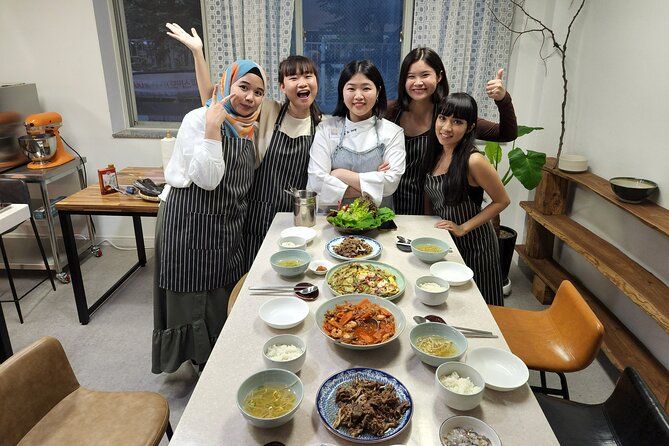
Busan’s food culture makes the most sense when you stop eating passively and start cooking. This four-hour class with chef Heeyoung puts you in the kitchen, teaches useful Korean techniques, and ends with a guided walk through Bupyeong Kkangtong Market, a traditional market more than 100 years old. I like the hands-on cooking and the market translation help. I also like that recipes go home with you, so the meal does not end when you leave Busan.
The class is capped at 10 people, which should keep the instruction personal without making the activity feel too private. The one drawback is timing: it begins at 10 a.m., and the market visit comes after the meal, so this is not a quick market snack tour or a flexible drop-in class.
Key points to know before booking
- Fresh Busan seafood: Prepare several local Korean dishes under the guidance of an English-speaking professional chef.
- Chef Heeyoung leads the class: She explains the cooking steps, food customs, history, and cultural details in fluent English.
- Cooking plus eating: You make the food, sit down to enjoy it, and pair the meal with local rice wine.
- Korean tea ceremony: The class closes with an introduction to tea ceremony customs, adding a quiet cultural element after lunch.
- Bupyeong Kkangtong Market: Walk through a historic Busan market with help understanding ingredients, local specialties, and food customs.
- Small-group setting: The maximum group size is 10, with some dates possibly operating as a private class.
Why this Busan class is more than a cooking lesson
Many food activities give you a taste and a quick explanation. This one asks you to work with the food first. That matters in Korea, where ingredients, preparation, and shared meals are closely linked.
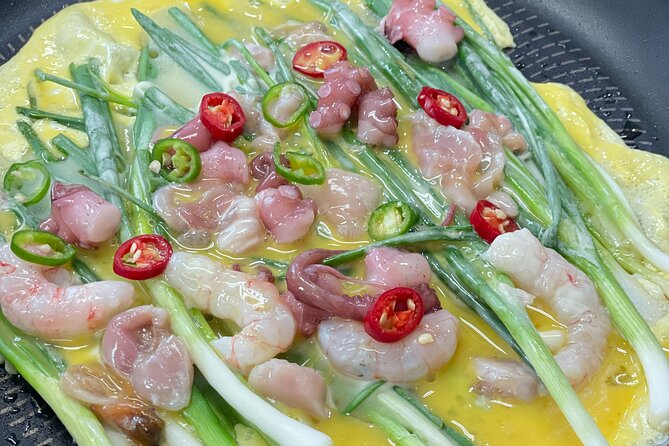
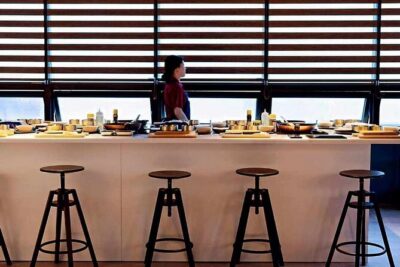
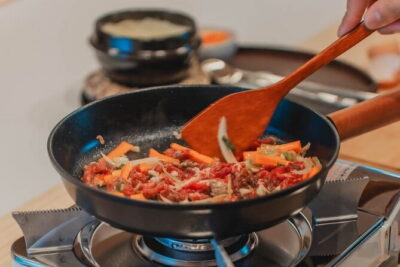
You will make several typical Korean dishes in a cooking studio, using fresh seafood from Busan. The exact dishes are not specified in the tour details, so I would not book this expecting one particular recipe. The useful promise is broader: you will learn Korean cooking methods, prepare local food, and receive recipes afterward.
I like that the lesson is not limited to chopping and stirring. The class includes a Korean food culture lecture, so you get context for the ingredients and customs around the table. That can change how you order meals for the rest of your stay. One of the best times to schedule it is early in your Busan visit, since the cooking and market advice may help you make better choices at later meals.
The class is taught in English by Heeyoung, a professional Korean food chef who graduated from Korea’s most prestigious Korean cuisine culinary school, according to the supplied information. Her role is central to the experience. You are not simply following a recipe card while a staff member checks the clock. The class is built around her explanations and guidance.
A few more Busan trips to weigh up
- Korean cooking class in Haeundae, Busan
★ 5.0 · 92 reviews - Busan Tailored Korean cooking class (Vegan OK)with market tour
★ 5.0 · 66 reviews - Busan: Small-Group Traditional Korean Food Cooking Class
★ 4.9 · 58 reviews
Starting at 10 a.m. in Seo-gu
The meeting point is Busan Cooking Class2f, at 15 Gudeok-ro 186beon-gil, Seo-gu, Busan. The activity begins at 10 a.m. and ends back at the same meeting point.
The location is near public transportation, which makes the start practical, but you should still allow enough time to find the building and reach the correct floor. Mobile tickets are accepted, and confirmation is sent within 48 hours of booking, subject to availability.
The four-hour length is well judged for the plan. You have enough time for instruction, preparation, eating, tea, and the market walk without turning the day into an all-day commitment. Still, this is a scheduled morning activity, not something to squeeze between a late breakfast and a noon appointment.
Working with fresh seafood and local Korean methods
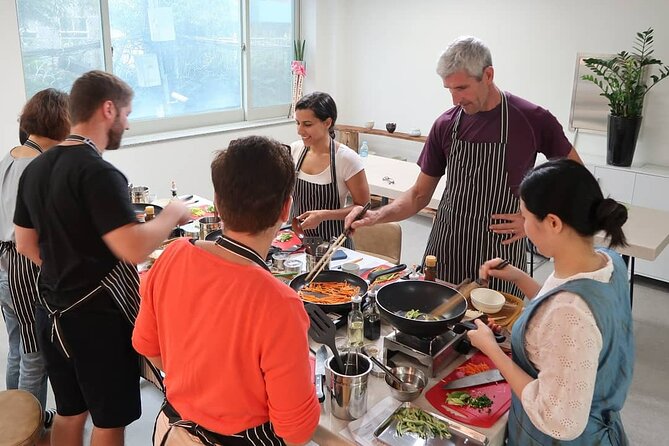
The cooking portion is the heart of the class. You will put on an apron, use the provided tableware and ingredients, and follow Heeyoung’s instructions as you prepare several Korean dishes.
I would expect this to be participatory rather than a demonstration where you watch the chef do all the work. The description promises hands-on preparation, and the class is designed around making and eating your own food. That makes it a good pick if you want practical skills rather than a polished show.
The focus on Busan local food is important. Busan is a major port city, and seafood is a natural part of its food identity. Here, the ingredients are not treated as an abstract lesson about Korea. You work with seafood connected to the city and learn how it fits into local cooking.
The details you are most likely to value are the small techniques. Heeyoung can explain how ingredients are handled, how Korean flavors are built, and how dishes fit into a meal. The supplied information does not name the dishes or list specific cooking methods, so you should see this as a broad introduction to Busan cuisine rather than a class built around one famous specialty.
A small group helps here. With a maximum of 10 people, you should have a reasonable chance to see the preparation clearly and ask questions. On one reported booking, the class was private because only the people in that booking attended. That is not guaranteed, but it shows that the size can sometimes feel especially personal.
Sitting down to eat what you made
After the cooking, you eat the dishes you prepared. This is a simple idea, but it gives the lesson a useful payoff. You can taste the result while the steps are still fresh in your mind and ask about anything that turned out differently from what you expected.
The meal is accompanied by local rice wine. That adds a distinctly Korean touch, though you should keep the alcohol element in mind if you do not drink. The provided details do not say whether a nonalcoholic substitute is available, so ask the provider in advance if that matters to you.
The shared meal also gives the class a social rhythm. You begin by learning, then work together, and finish by eating at the same table. People who enjoy food but do not want a formal restaurant tasting may find this format more satisfying.
There is no claim that the class caters to every dietary need, and no dietary information is provided. If you have allergies, food restrictions, or concerns about seafood, contact 부산쿠킹클래스 before booking. Do not assume that ingredients can be changed on the day.
Same country, a completely different kind of day:
- Busan: Gyeongju Guided Day Trip to Three Kingdoms Capital
★ 4.8 · 1,925 reviews - Small Group Full Day Busan Tour (Max 6 Pax)
★ 5.0 · 1,464 reviews - From Busan: Gyeongju UNESCO World Heritage Guided Day Tour
★ 4.8 · 1,250 reviews - Busan Private Tour with licensed tour guide + private vehicle
★ 5.0 · 1,143 reviews
The Korean tea ceremony at the end
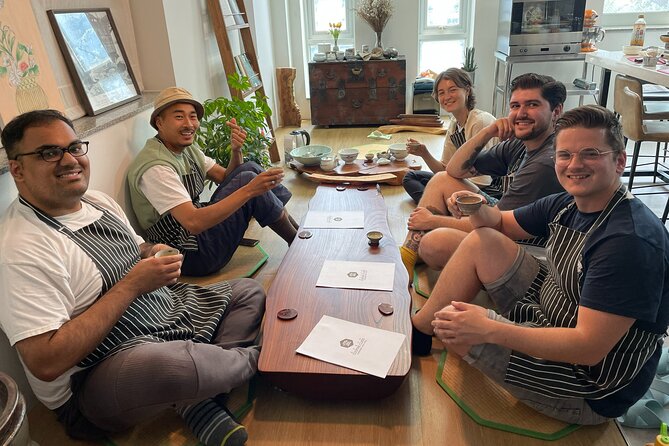
The meal closes with a Korean traditional tea ceremony. This is a welcome change of pace after the active cooking portion.
The tea ceremony introduces customs rather than simply handing you a warm drink. It gives Heeyoung room to explain etiquette and the place of tea in Korean culture. I like this part because it rounds out the class. You learn how food is prepared, how it is shared, and how a slower drink ritual fits into the wider culture.
It also means the class is not just for people who want to collect recipes. You get several different kinds of instruction in one morning: cooking skills, food culture, a shared meal, and tea customs.
The class promises a traditional tea ceremony, but the details do not specify the exact tea, duration, or sequence of rituals. Keep your expectations focused on a cultural introduction rather than a formal ceremony lasting several hours.
Bupyeong Kkangtong Market after lunch
The final stop is Bupyeong Kkangtong Market. The market is described as more than 100 years old and is known for traditional food and local delicacies. You visit with the chef, who can point out ingredients and help translate.
This is where the earlier cooking lesson gains extra value. In a market, you may recognize ingredients that would otherwise seem unfamiliar, and Heeyoung can explain how local people use them. She can also help you understand food customs and identify Busan specialties.
The tour does not include a shopping allowance, and personal expenses are not included. You can browse without buying, or purchase something for yourself, but bring money if you want to shop. The market visit is guided, not a standalone food crawl with a listed set of tastings, so do not assume that snacks or purchases are part of the price.
I would especially recommend saving this activity for the beginning or middle of your Busan stay. The market walk can give you useful reference points for later food stops. If you schedule it on your final morning, you will still enjoy the cultural lesson, but you will have less time to use what you learn.
What the $109.58 price includes
At $109.58 per person, this is not the cheapest way to eat in Busan. It is also not priced like a simple meal. You are paying for roughly four hours of guided time, a cooking studio, an English-language class, ingredients, an apron, tableware, a food culture lecture, the meal, local rice wine, a tea ceremony, recipes, food recommendations, and a guided market visit.
That combination makes the value fairly strong if you want an active food lesson. A restaurant meal might cost much less, but it would not teach you how to make the dishes or help you understand the market. A standard cooking class might offer hands-on instruction but not include a market walk and local food guidance.
The price is less appealing if your main goal is simply to sample as many foods as possible. The market tour is not described as a full tasting itinerary, and the class requires a four-hour commitment. You should book it for the instruction and cultural context, not only for the amount of food.
Recipes and the Busan food recommendation list are meaningful extras. They let you continue the experience at home and give you ideas for eating elsewhere in the city. The recipes may be the best long-term value for anyone who enjoys cooking.
Who will get the most from this class
I would recommend this class to you if you enjoy learning by doing. It suits solo visitors, couples, friends, and families with an interest in Korean food, provided everyone is comfortable with a scheduled group activity.
It is also a good choice if you want clear English explanations. Heeyoung’s fluent English and friendly teaching style are repeatedly emphasized in the supplied feedback. She is described as patient, engaging, and willing to explain the steps without rushing people.
You will probably like it if cultural background matters as much as the meal. The lecture, rice wine, tea ceremony, and market visit give the morning a wider purpose. This is food as a way to understand daily life, not just a recipe lesson.
The class may be less suitable if you want a very specific dish, a private booking guaranteed in advance, or a market tour focused mainly on eating. The named dishes are not provided, and the standard maximum is 10 people. Private attendance may happen, but it is not promised.
Practical planning details
The activity includes all cooking ingredients, an apron, and tableware. You do not need to bring kitchen equipment. Recipes and Busan food recommendations are also included.
Travel insurance and personal expenses are not included. The market portion may tempt you to buy food or ingredients, so budget separately for that.
The activity requires good weather and a minimum number of participants. If poor weather causes cancellation, you are offered another date or a full refund. If the minimum number is not reached, you are offered another date or experience, or a full refund.
You can cancel for a full refund up to 24 hours before the start time. Cancellations or changes made less than 24 hours before the 10 a.m. start are not refunded or accepted. The cut-off follows local Busan time.
The activity is booked an average of 52 days ahead, which suggests that advance planning is sensible. Confirmation arrives within 48 hours, subject to availability, so do not leave this until the last morning of your trip.
Should you book the Busan cooking class?
Book it if you want to understand Busan food from the inside out. The strongest parts are the hands-on seafood cooking, Heeyoung’s clear English instruction, the calm tea ceremony, and the market walk where translation makes unfamiliar ingredients easier to understand.
At $109.58, it is best viewed as a half-day cultural activity with food, not as a cheap lunch. You will get the most value if you cook at home, enjoy asking questions, and plan to eat around Busan afterward.
Skip it if you only want a fast market tasting, need a guaranteed private class, or have dietary needs that have not been confirmed with the provider. For everyone else, especially people new to Korean cuisine, this is a practical and personable way to make sense of Busan’s food scene.
FAQ
Where does the Busan cooking class begin?
It begins at Busan Cooking Class2f, 15 Gudeok-ro 186beon-gil, Seo-gu, Busan, South Korea.
What time does the activity start?
The class starts at 10:00 a.m.
How long does the activity last?
The cooking class and market visit take approximately four hours.
Where does the activity end?
It ends back at the meeting point where the class begins.
Is the cooking class taught in English?
Yes. The class is conducted in English, and chef Heeyoung speaks fluent English.
What food will I prepare?
You will make several typical Korean dishes and Busan local food using fresh seafood. The specific dishes are not listed in the available details.
Is the food included?
The ingredients, cooking session, and meal made during the class are included. Local rice wine is also included.
Is the market shopping included in the price?
No. Personal expenses are not included, so anything you choose to buy at Bupyeong Kkangtong Market costs extra.
What is the cancellation policy?
You can cancel at least 24 hours before the start time for a full refund. Cancellations or changes made less than 24 hours before the start time are not accepted or refunded.
More Markets in Busan
- Busan Seafood Tour : Jagalchi market Seafood Tour & Dinner
★ 5.0 · 74 reviews - Gamcheon Culture Village, Jagalchi fish market story telling Tour
★ 4.5 · 63 reviews - Busan: Food Crawl with Fish Market, Soju Tents & Local Snacks
★ 5.0 · 8 reviews - Busan: Jagalchi Market & Gamcheon village Walking Tour
★ 5.0 · 7 reviews
More Food in Busan
- Busan history and market food tour with local chef
★ 5.0 · 58 reviews - Busan Private Night Tour – City Lights & Food
★ 5.0 · 22 reviews - Busan Night Food Market with Night View points
★ 5.0 · 12 reviews - Busan Food Market Tour Seafoods and Street Foods
★ 5.0 · 8 reviews
Just added around Busan
- Real Busan Walking Experience★ 5.0 · 27 reviews
- 7 Highlights Gyeongju City One Day Small Group Tour from Busan★ 5.0 · 24 reviews
- Full Day Private car tour to UNESCO Gyeongju&Yangdong village★ 5.0 · 5 reviews
- Suncheon and Yeosu Daily Private Tour with Pickup Service★ 5.0 · 3 reviews
- Visit Busan night market and enjoy the night view of Busan harbor★ 5.0 · 6 reviews
- Busan Highlights Shore Tour – Cruise Return Assured★ 4.5 · 34 reviews
- Suncheon one day tour from Seoul, Busan or Suncheon★ 5.0 · 3 reviews
- 1 Day Private Busan Guided Tour★ 4.5 · 3 reviews
Cooking Classes, compared.
Local Home Korean Cooking Class & Market Adventure in Seoul
Read our review →
Master Korean traditional cooking with a Kimchi chef
Read our review →
Korean Cooking Class at a Local Home and Market Tour
Read our review →
Korean Cooking Class with Grocery Shopping at Seoul Local Market
Read our review →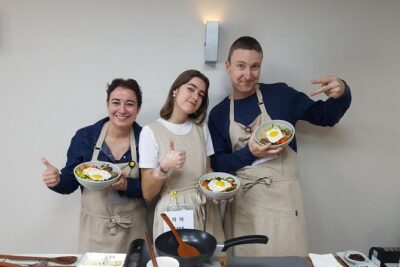
Royal Seoul Cooking Class in a 100-Year-Old Hanok
Read our review →Browse the lists this tour appears in