
Reviewed · COOKING CLASSES
Busan Tailored Korean cooking class (Vegan OK)with market tour
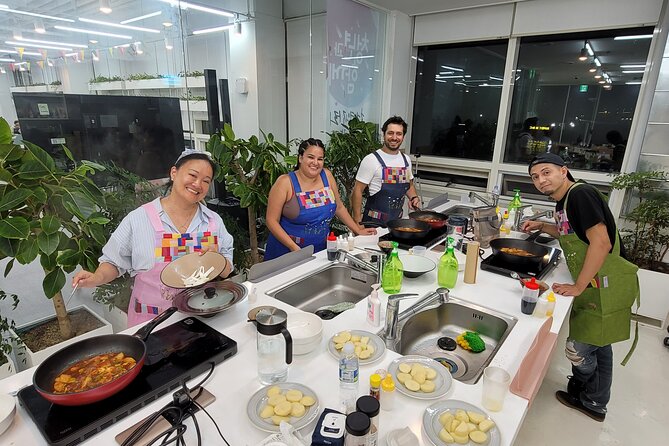
Bujeon Market is the real opening act here. With local host Suyang Chang, you shop for ingredients among fish, vegetables, dried goods, and everyday Korean foods, then carry your choices into a hands-on cooking class. You do not simply assemble pre-cooked ingredients: you chop, season, fry, simmer, and eat what you make.
I like two things most. First, you can shape the menu around your tastes, including vegetarian and vegan dishes. Second, Suyang focuses on Korean food beyond the usual bibimbap and barbecue, with options such as braised tofu, seasoned dried pollack, black beans, japchae, and seafood pancakes. The main consideration is that this is a long five-hour activity, and the non-refundable booking policy makes it wise to check your schedule before paying.
Key points at a glance
- Bujeon Market comes first: Shop for the day’s ingredients with a local guide rather than walking through the market alone.
- You choose three dishes: Pick two banchan, or side dishes, plus one stew or soup from a broad menu.
- Vegan cooking is possible: The menu can be adapted, and one class included vegan dishes with gluten-free soybean paste.
- Suyang Chang teaches from scratch: You take part in the cooking instead of merely watching a demonstration.
- The meal is included: You eat the food prepared during class, with bottled water and barley tea, corn tea, or instant coffee.
- The group limit is 15: Smaller groups may feel more personal, but the maximum is worth checking when you book.
Why this Busan cooking class feels different
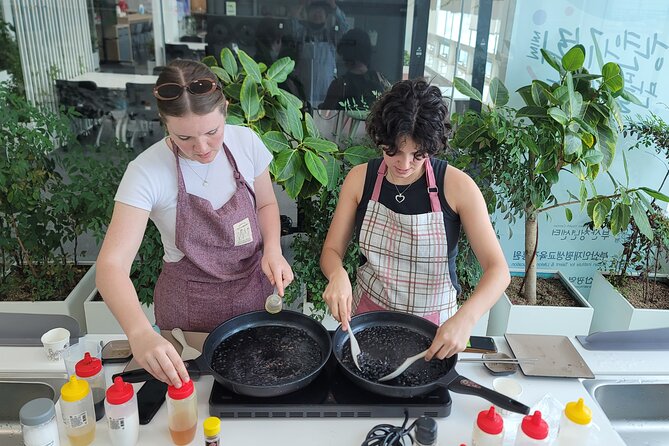
Many Korean cooking classes center on familiar dishes. This one takes a wider route. The menu can include stir-fried anchovies, seasoned eggplant, bracken salad, braised radish, cucumber kimchi, pan-fried shrimp and seaweed, or seasoned black beans. For a main pot or pan, you might choose kimchi stew with pork, soybean paste stew, seaweed soup, pollack soup, or chicken prepared with a spicy or soy-based sauce.
That choice matters. You are not locked into a set menu that may include something you cannot eat. If you prefer mild food, avoid seafood, eat no meat, or want plant-based dishes, tell Suyang before the class. The experience is designed around a selected menu, not around a single fixed recipe.
Suyang Chang is also known by the nickname Busan oppa. His teaching style, as reflected in the activity details, includes food, language, culture, and practical suggestions for eating around Busan. He has helped people choose restaurants and other things to do, so it is worth bringing a short list of questions about the city.
The class has earned a 4.9 rating from 66 ratings, with 100 percent recommending it. That does not mean every detail will suit every person, but it does point to a strong pattern: people value the market visit, the personal instruction, and the chance to make food they can repeat at home.
A few more Busan trips to weigh up
- Korean cooking class in Haeundae, Busan
★ 5.0 · 92 reviews - Busan: Small-Group Traditional Korean Food Cooking Class
★ 4.9 · 58 reviews - Busan Local Food Cooking Class with Market Tour
★ 5.0 · 53 reviews
Starting near Seomyeon and entering Bujeon Market
The stated meeting point is at KB Kookmin Bank Seomyeon Joongang2 on Saessak-ro in Busanjin District. It is near public transportation, which makes the start practical if you are staying around Seomyeon. The activity returns to the meeting point at the end.
Bujeon Market is not set up as a tourist show. It is a working food market, and that is the appeal. You walk with Suyang while buying the ingredients needed for your selected dishes. He can explain what you are seeing and help you make sense of unfamiliar vegetables, fish, dried seafood, sauces, and other staples.
This part gives the cooking more purpose. Instead of seeing a recipe in isolation, you connect the finished dish with the raw ingredients. A dried pollack dish, for example, makes more sense after you have seen the ingredient sold at the market. The same goes for Korean greens, tofu, seafood, and the pantry items used in stews.
The market stop also gives you a local food lesson that costs nothing extra. Suyang has taken people to small market food stalls for tteokbokki and fried fish cakes, both Busan favorites, though you should not assume these snacks are part of every scheduled class. The included meal is the food you make during the lesson.
Wear comfortable shoes. Five hours includes shopping, cooking, and eating, and market floors can be busy underfoot. Keep your group together and pay attention to the meeting instructions, especially if you are trying to arrive from a cruise terminal or another part of Busan.
Choosing two banchan and one soup or stew
After the market, you move to the kitchen and select three dishes from the available menu. The standard format is two banchan and one stew or soup. Banchan are the small side dishes that give a Korean meal its range of flavors, textures, and colors.
The list is long enough to reward some advance thought. Options include:
- Stir-fried anchovies
- Seasoned dried pollack with spicy sauce
- Black beans seasoned with soy sauce
- Egg seasoned with soy sauce
- Kimchi pancake or seafood pancake
- Beef pancake
- Bracken salad and bean sprout salad
- Braised radish or braised tofu
- Cucumber kimchi
- Seasoned eggplant
- Pan-fried shrimp and seaweed
For the stew or soup, choices include kimchi stew with pork, soybean paste stew, seaweed soup with clam or dried pollack, Alaska pollack soup, spicy or soy sauce chicken, braised pollack, and braised flat fish.
The best choices depend on what you want to take home from the class. Choose pancakes if you want to practice pan control. Choose braised tofu or black beans if you prefer dishes that store well and work as everyday side dishes. Choose japchae if it is offered as one of the available options and you want to learn how Korean glass noodles are handled.
Ask about the final menu before the class. If several groups are taking part, the first group to reserve gets the right to choose the menu. That is a small but important detail. A popular dish may not remain available if you book later.
One past class involved marinated abalone, a dish that appealed to people looking for something outside the standard Korean cooking lineup. It is not listed as a guaranteed choice for every booking, so treat it as an example of the class’s flexibility rather than a promise.
Cooking from scratch instead of watching
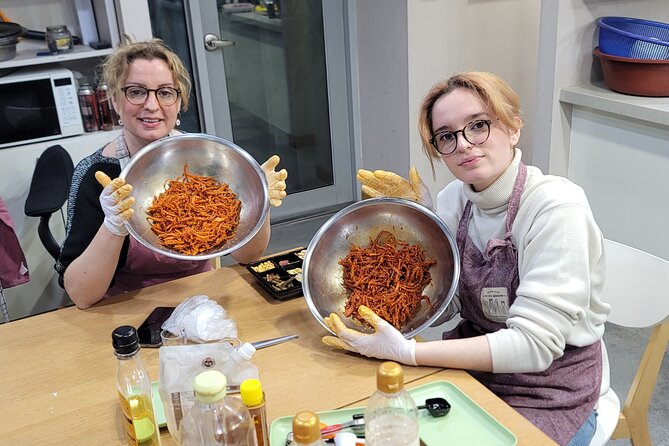
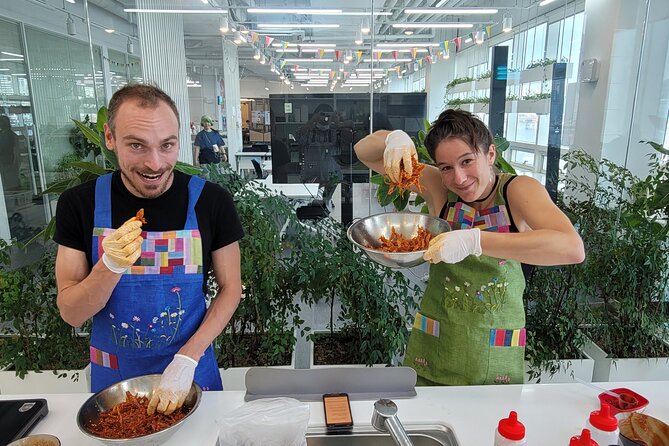
This is a working class. You prepare the food with Suyang’s guidance, then sit down to eat what you have made. That makes the lesson more useful than a demonstration where the instructor does the difficult steps and you only put the finished pieces together.
The pace appears relaxed rather than rushed. Suyang explains the steps, points out key techniques, and adapts the class to the group. The recipes are intended to be manageable outside Korea, which is important if you want to recreate the meal with ingredients from a supermarket at home.
You may learn several small techniques that do more for your Korean cooking than one flashy recipe. You will handle seasoning, prepare vegetables, work with tofu or seafood, and see how a soup or stew builds its flavor. The class also shows how individual side dishes fit into a larger Korean meal.
Portions can be generous. A class for two people has produced enough food for six, according to the experience details, so arrive ready for a substantial lunch or dinner. The included meal refers to food made by the participants. Alcohol is not included, and you should not count on buying it as part of the class.
Barley tea or corn tea, bottled water, and instant coffee are included. These simple drinks fit the meal and help keep the focus on the cooking rather than on add-ons.
Same country, a completely different kind of day:
- Busan: Gyeongju Guided Day Trip to Three Kingdoms Capital
★ 4.8 · 1,925 reviews - Small Group Full Day Busan Tour (Max 6 Pax)
★ 5.0 · 1,464 reviews - From Busan: Gyeongju UNESCO World Heritage Guided Day Tour
★ 4.8 · 1,250 reviews - Busan Private Tour with licensed tour guide + private vehicle
★ 5.0 · 1,143 reviews
Vegan, vegetarian, and gluten-conscious planning
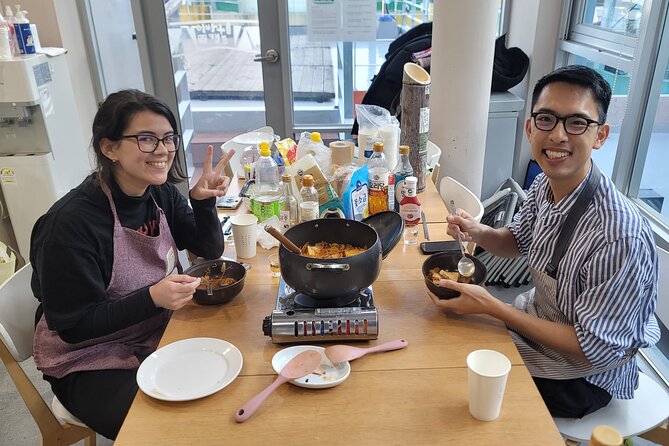
The title specifically allows vegan participation, and the menu can be tailored for vegetarians. This is a real advantage in Korea, where fish sauce, seafood, meat stock, and other animal products can appear in dishes that look vegetable-based.
Do not leave this request until the moment you arrive. State your needs when booking and confirm them with Suyang. One vegan class used gluten-free soybean paste and prepared spinach soybean paste soup, braised black beans, and spicy braised tofu. That example shows the kind of adjustment possible, but it does not mean every ingredient or dish will automatically be suitable for every dietary restriction.
If you are vegan, ask about shared utensils, soup bases, kimchi ingredients, and any sauces used in your selected dishes. The supplied information confirms that vegetarian menus are available, but it does not provide a complete allergen policy. You need to communicate clearly before the class.
This is also a good experience for mixed groups. One person can choose plant-based food while another selects meat or seafood, subject to the final menu and group arrangements. That flexibility is more useful than booking a fixed class and hoping substitutions will be easy.
What the five-hour schedule means for you
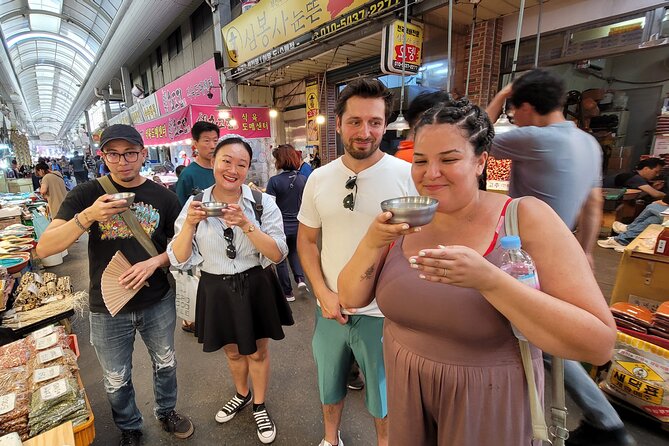
Five hours is enough time for a proper market visit and a full cooking session, but it is not a quick activity to squeeze between two tightly scheduled attractions. You need to allow space before and after it.
The length is a strength if you want conversation and practical instruction. Suyang has spent time explaining Korean culture and language, and the class can feel social as well as culinary. Families have used it as a shared activity, including a group of eight, while couples and small groups have also taken part.
It may be less suitable if you dislike group activities, have limited stamina, or want only a brief taste of Korean cooking. The maximum group size is 15, so the level of personal attention can change depending on how many people reserve the same time. The activity promises personalized attention, but a full group will naturally feel different from a class for two.
The meeting details also deserve care. The regular start and end point is near Seomyeon, while some arrangements described for cruise passengers involved meeting at the cruise terminal and going to a kitchen near Jagalchi Market. Do not assume that special transport or a terminal pickup is included in the standard booking. Confirm the meeting point for your date.
Is $95 a fair price?
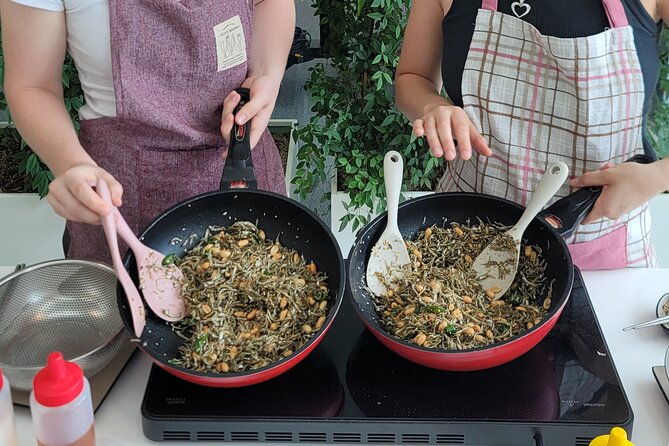
At $95 per person, this is not the cheapest way to eat Korean food. You can buy a fine market meal for far less. You are paying for several parts at once: a guided market visit, ingredient shopping, instruction, the kitchen session, a substantial meal, drinks, and recipes you can use later.
The value improves if you care about learning rather than simply dining. A restaurant gives you a finished dish. Here, you learn how to make several dishes and see the ingredients before they reach the pan. The recipes can also help you prepare Korean food after returning home, which gives the experience a longer life than a single meal.
It is particularly good value for a couple or family that wants one shared activity in Busan. Group discounts are available, though the exact reduction is not stated, so check the price for your party before booking. The maximum of 15 people means a larger group may benefit from the social side, while a small group may get more direct help.
The price does not include alcohol, personal expenses, travel insurance, or any optional food bought outside the class. The standard included food is what you prepare. Keep that distinction in mind if you are budgeting for market snacks or a separate restaurant stop.
Who should book this experience
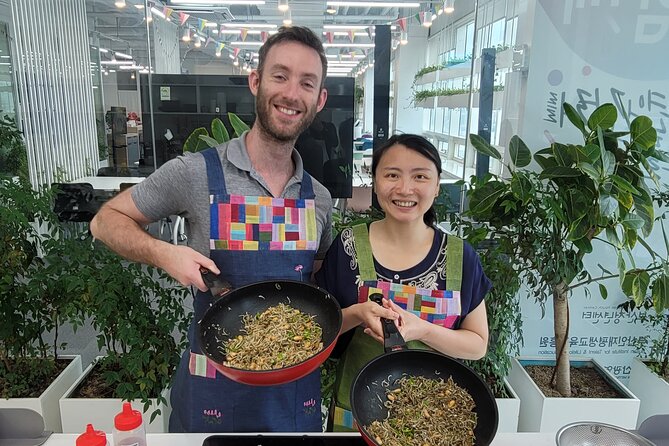
I would point this class toward you if you meet at least one of these descriptions:
- You want to understand Korean home-style food, not only eat restaurant specialties.
- You are curious about side dishes and soups that are less familiar outside Korea.
- You need a vegetarian or vegan menu and prefer to discuss it with the instructor.
- You are traveling with family or friends and want a hands-on activity.
- You enjoy markets but want help identifying what you see.
- You are a cruise passenger who can confirm the meeting and return arrangements.
- You want recipes that are practical to repeat at home.
I would hesitate if your schedule cannot spare five hours, if you need a guaranteed private class, or if you want a fixed dish such as marinated abalone without confirming availability. I would also avoid booking until your menu and dietary needs are clear, since the activity is non-refundable and cannot be changed after booking.
A few practical ways to get more from the class
Before you reserve, decide which Korean foods you most want to learn. You can then request dishes that fill a gap in your cooking rather than accepting the first available choices.
Ask for the expanded menu after reservation and confirm which three dishes apply to your date. If multiple groups are participating, early booking gives the first group priority in menu selection.
Bring questions about Korean ingredients, restaurants, and food customs. Suyang’s role goes beyond measuring ingredients, and the market is a useful place to ask about foods you may see again during your time in Busan.
Plan to eat a full meal. The class includes lunch or dinner made by the group, and portions may be generous. A heavy meal before arrival would take some fun out of the final tasting.
Finally, ask for the recipes and keep them somewhere easy to find. The cooking lesson is most valuable when you use it again at home.
Should you book the Busan tailored Korean cooking class?
Yes, if you want a personal food lesson built around your tastes. The market visit, the choice of two banchan and one stew or soup, and the from-scratch preparation make this more useful than a standard demonstration.
Book it with care. Confirm the menu, explain vegan or vegetarian needs, check the meeting point, and leave five hours free. If you do that, the $95 price buys more than a meal: it gives you a local market orientation, practical Korean cooking skills, and a way to carry Busan’s food culture into your own kitchen.
FAQ
Where does the cooking class meet?
The stated meeting point is KB Kookmin Bank Seomyeon Joongang2 on Saessak-ro in Busanjin District, Busan. The activity ends back at the meeting point.
How long does the experience last?
The experience lasts approximately five hours, including the Bujeon Market visit, ingredient shopping, cooking, and eating.
How many dishes do I cook?
You can choose three dishes from the available menu: two banchan, or side dishes, and one stew or soup.
Can I request vegan or vegetarian food?
Yes. Vegetarian menus are available, and the proposed menu can be tailored to your tastes. Vegan participants should state their requirements when booking.
Is food included?
Yes. The meal made by the participants is included, along with bottled water and barley tea, corn tea, or instant coffee.
Is alcohol included?
No. Alcoholic beverages are not included.
How large can the group be?
The activity has a maximum of 15 travelers.
Can I cancel or change my booking?
No. The experience is non-refundable and cannot be changed for any reason after booking.
More Markets in Busan
- Busan Seafood Tour : Jagalchi market Seafood Tour & Dinner
★ 5.0 · 74 reviews - Gamcheon Culture Village, Jagalchi fish market story telling Tour
★ 4.5 · 63 reviews - Busan: Food Crawl with Fish Market, Soju Tents & Local Snacks
★ 5.0 · 8 reviews - Busan: Jagalchi Market & Gamcheon village Walking Tour
★ 5.0 · 7 reviews
More Food in Busan
- Busan history and market food tour with local chef
★ 5.0 · 58 reviews - Busan Private Night Tour – City Lights & Food
★ 5.0 · 22 reviews - Busan Night Food Market with Night View points
★ 5.0 · 12 reviews - Busan Food Market Tour Seafoods and Street Foods
★ 5.0 · 8 reviews
Just added around Busan
- Real Busan Walking Experience★ 5.0 · 27 reviews
- 7 Highlights Gyeongju City One Day Small Group Tour from Busan★ 5.0 · 24 reviews
- Full Day Private car tour to UNESCO Gyeongju&Yangdong village★ 5.0 · 5 reviews
- Suncheon and Yeosu Daily Private Tour with Pickup Service★ 5.0 · 3 reviews
- Visit Busan night market and enjoy the night view of Busan harbor★ 5.0 · 6 reviews
- Suncheon one day tour from Seoul, Busan or Suncheon★ 5.0 · 3 reviews
- Busan Highlights Shore Tour – Cruise Return Assured★ 4.5 · 34 reviews
- Busan Beomeosa Temple & Hongbeopsa Temple with temple lunch★ 5.0 · 11 reviews
Cooking Classes, compared.
Local Home Korean Cooking Class & Market Adventure in Seoul
Read our review →
Master Korean traditional cooking with a Kimchi chef
Read our review →
Korean Cooking Class at a Local Home and Market Tour
Read our review →

Korean Cooking Class with Grocery Shopping at Seoul Local Market
Read our review →
Royal Seoul Cooking Class in a 100-Year-Old Hanok
Read our review →Browse the lists this tour appears in