
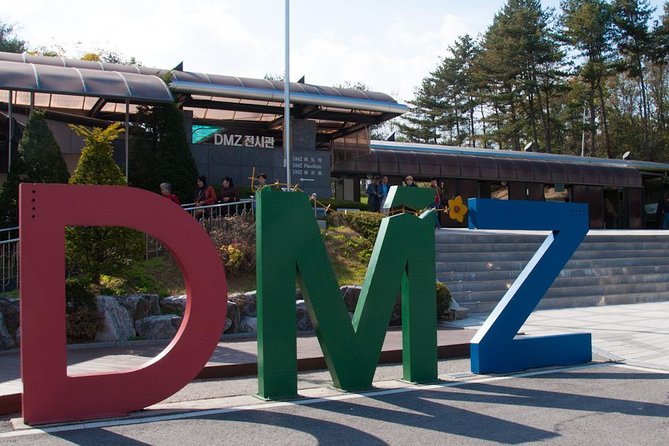
Reviewed · DMZ TOURS
Private DMZ Tour From Seoul
The most striking part of this DMZ tour from Seoul is the chance to look across one of the world’s most tense borders and see North Korea with your own eyes. You’ll also walk through a tunnel built beneath the border by North Korean forces, a physical reminder that this is not just a museum visit.
I like the door-to-door private transport, which saves you from arranging a long trip to Paju on your own. I also like having a guide such as Moonhak Song, JK, or Mr. Kim to explain the war, the division of Korea, and the meaning behind each stop. The main thing to understand is that the tour is not fully private once you enter the DMZ. You travel there in your own car, but certified buses handle the internal DMZ route.
Key points at a glance
- See North Korea from Dora Observatory: On a clear day, you can view North Korean buildings, guard posts, and people across the border.
- Walk the Third Tunnel: The route is physically demanding, with a steep walk underground and limited room in places.
- Start and finish at your hotel: Round-trip private transfers make this far easier than piecing together public transport.
- Freedom Bridge and the bullet-marked locomotive: These sites connect the modern border to the Korean War and the return of prisoners of war.
- Private guiding adds real value: You can ask questions freely and adjust the pace where conditions allow.
- Conditions can change: Fog, crowds, power outages, and DMZ closures can affect what you see and how long the day takes.
Why the DMZ feels different from a normal day tour
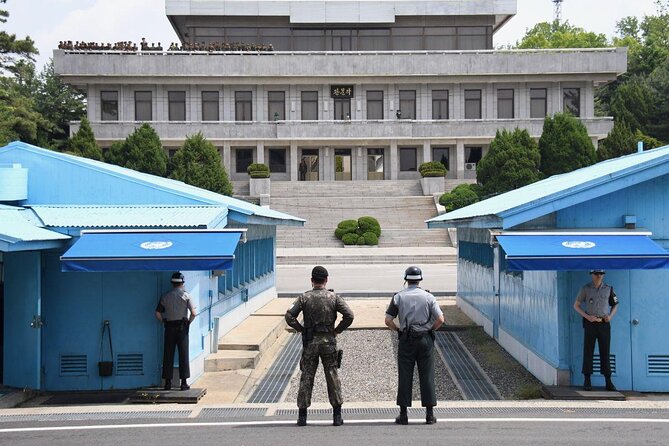
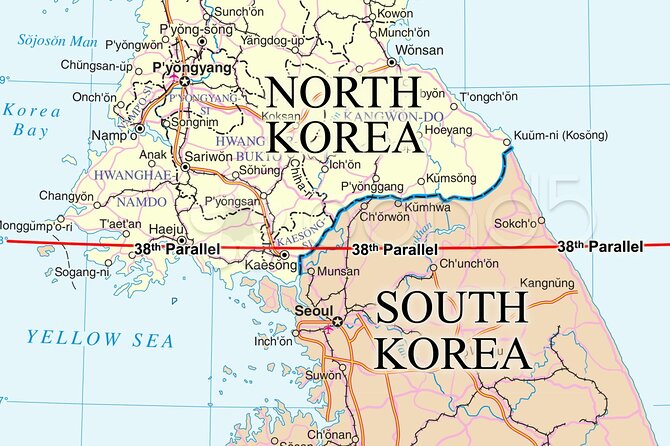
The DMZ is not a standard sightseeing stop. It is a live border zone shaped by war, military rules, and an unresolved political division. You may see North Korean territory from Dora Observatory, but the experience is less about dramatic spectacle than about understanding how ordinary life became divided by fences, watchtowers, and a narrow strip of land.
This private tour gives you a guide for the full day, rather than leaving you to absorb a complicated subject from signs alone. That matters here. The sights can look simple at first: a bridge, a train, an observation deck, a tunnel. The stories behind them give the places weight.
The tour lasts about six to seven hours, including the drive from Seoul. That is enough time for the major DMZ stops without turning the day into an exhausting full-day expedition. Still, the schedule depends on border access and crowd levels. One group faced a two-hour wait before entering the DMZ, while another reached the area on an alternative schedule after plans changed.
More DMZ Tours in Seoul:
- Best DMZ Tour Korea from Seoul (Red Suspension Bridge Optional)
★ 5.0 · 41,422 reviews - DMZ Tour: 3rd Tunnel, Option(Suspension Bridge, Boat) from Seoul
★ 5.0 · 21,373 reviews - DMZ tour south Korea from Seoul (NK experience hall, defector)
★ 5.0 · 20,599 reviews
Hotel pickup makes the long morning easier
Your guide provides complimentary round-trip transfer from your hotel or accommodation in Seoul. The private car is one of the strongest reasons to pay more for this format. You do not need to figure out the route to Paju, find the right entrance, or worry about returning after a long day.
The driving quality also matters. Reports describe clean, comfortable vehicles and calm, careful driving, including an electric car on one outing. Families with children may appreciate this part of the service more than they expect. You can settle into the car while your guide begins explaining the day and the background to the Korean War.
The private vehicle does not mean that every minute is private. Once you reach the DMZ, entry is controlled, and internal transport uses certified buses. You may share that portion with a larger group. Think of the tour as private transportation and private guiding from Seoul, followed by a regulated group component inside the military area.
That distinction is important. If you expect your own car to carry you through every DMZ checkpoint, this may disappoint you. If you want personal attention before and after the official DMZ segment, the arrangement works well.
Imjingak and the Freedom Bridge
The first major stop is Imjingak Pyeonghoa-Nuri Park, where you spend about 90 minutes. This area introduces the human cost of the division before you reach the more restricted border sites.
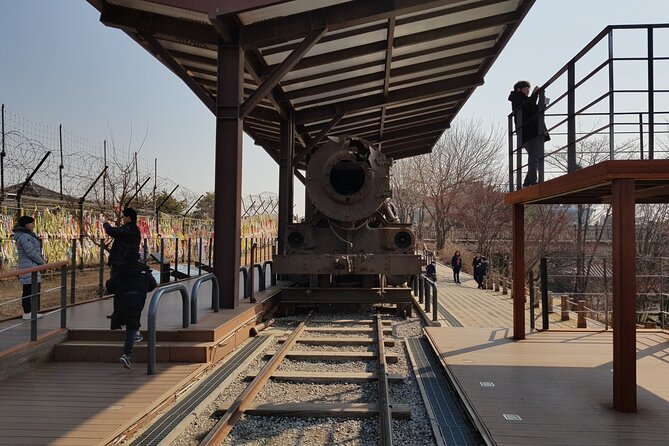
At Freedom Bridge, you learn about the prisoners of war who crossed back from North Korea after the Korean War. The bridge is not simply a photo stop. It represents separation, return, and the many families who never received that kind of reunion.
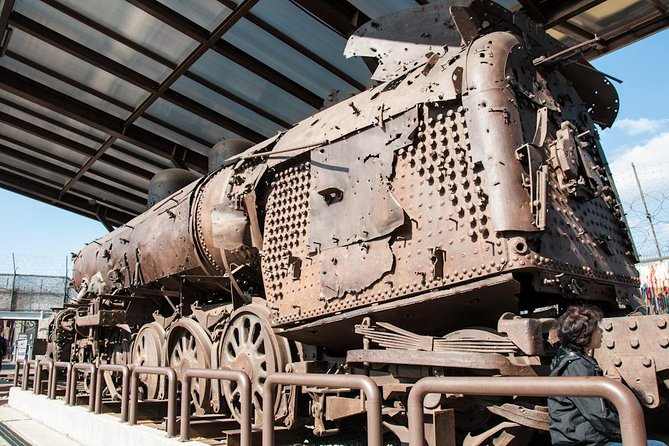
You also see a locomotive marked by thousands of bullet holes. The train is a striking piece of physical evidence from the war. Unlike a written explanation, the damaged metal makes the violence immediate. Give yourself a little time here rather than racing through for a quick photograph.
Imjingak also gives you room to collect your thoughts before the official DMZ entry. The park is easier to explore than the Third Tunnel, so it is a useful early stop for anyone concerned about the physical demands later in the day.
Lunch is not included. After returning to Imjingak, you can eat there or return directly to your hotel. The tour does not promise a set restaurant or meal, so plan to ask your guide about the day’s timing if lunch matters to you.
Dora Observatory and the view into North Korea
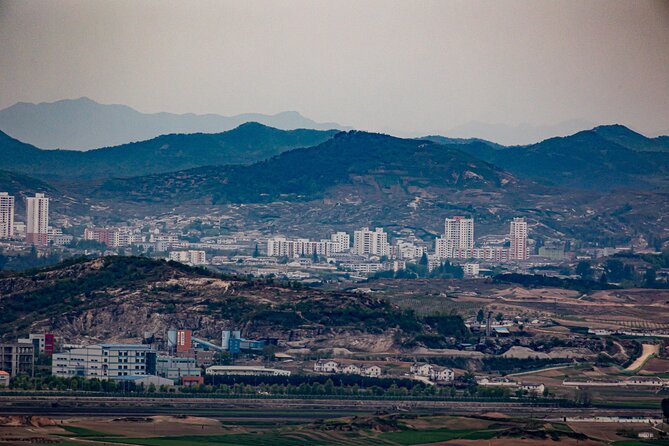
Inside the DMZ portion, you stop at Dora Observatory for about 40 minutes. This is the place where you may look across the border toward North Korean territory, including a city, guard posts, and signs of life on the other side.
Visibility controls the experience. On a sunny day, you may see people and buildings across the border. Fog can erase the view entirely. One outing had thick fog, but the rest of the tour remained worthwhile because the site still offered context about the border and the rules governing it.
That uncertainty is part of the deal. You are not booking a guaranteed panorama. You are booking access to a place where weather and military conditions decide what the camera gets. If you do see people on the other side, the moment can be surprisingly powerful. It turns an abstract country on a map into a nearby, visible presence.
Your guide can make this stop more useful by explaining what you are looking at and answering questions. Because this is a private format before the group bus portion, you have more freedom to ask about the border, the war, and the current division than you would on a tightly scripted coach tour.
A few more Seoul trips to weigh up
- Private DMZ Tour (No Shopping): 3rd Tunnel & Suspension Bridge
★ 5.0 · 607 reviews - Seoul City Private Full-Day Tour Including Lunch
★ 5.0 · 469 reviews - Private DMZ the 3rd Tunnel Tour from Seoul (optional Red Bridge)
★ 5.0 · 429 reviews - Seoul Highlights & Hidden Gems Tours by Locals: Private + Custom
★ 5.0 · 359 reviews
The Third Tunnel requires steady legs
The Third Tunnel of Aggression is the most physical part of the outing. You spend about an hour at the site and walk down into a tunnel dug beneath the border by North Korean forces during the Cold War.
The tunnel makes the border feel real in a way that an observation deck cannot. You are not merely viewing a military zone from a distance. You are walking through a passage created for infiltration, underground and close to the dividing line.
The walk can be strenuous. The route descends into the tunnel, and the return climb is the harder part for many people. The passage can also feel confined, especially when there are many people moving through it. The tour operator asks for a moderate level of physical fitness, and that advice deserves attention.
Wear shoes suited to walking and take the tunnel at a manageable pace. If you have trouble with steep walks or enclosed spaces, this is the stop to consider carefully. It is possible to find the experience fascinating and tiring at the same time.
Power problems can also affect the visit. One group had its tour cut short by a rare outage at the Third Tunnel entrance facility. The guide worked to find information and manage the disruption, but this is a reminder that the DMZ does not run like a normal attraction with guaranteed access every minute.
Dorasan Station and Unification Village
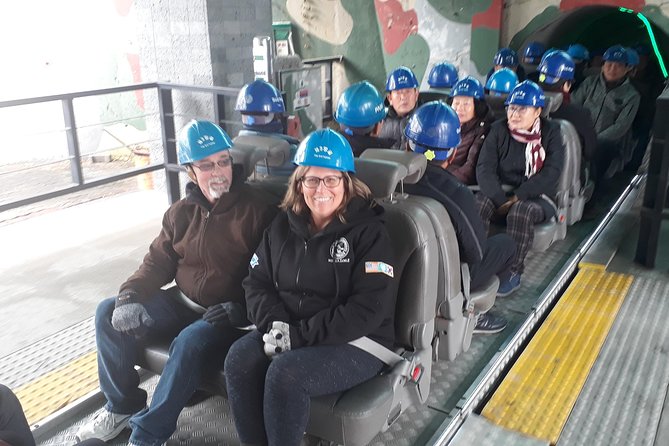
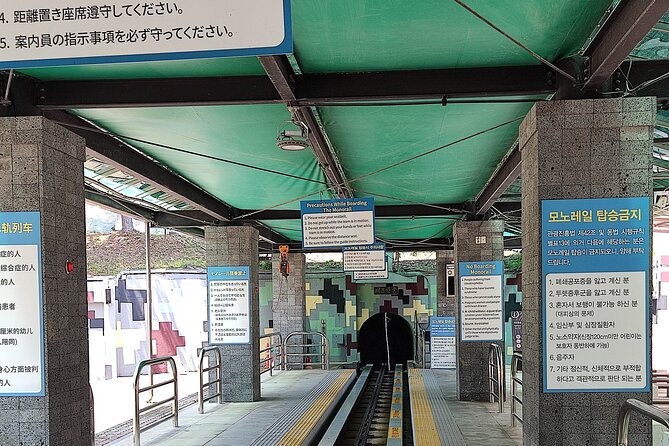
The itinerary also includes Dorasan Station and Unification Village. Dorasan Station is a symbolic railway stop linked to the hope of future connection between North and South Korea. Its meaning comes less from a long list of exhibits than from the idea of a railway that could one day link a divided peninsula.
Unification Village offers another view of life near the border. It helps connect military history with the people and communities living in the area. Exact time at these stops can vary because the DMZ schedule is controlled and can change with queues or closures.
Some tours add a visit to a museum about people abducted from South Korea. That extra stop is not guaranteed as part of every outing, but it shows how a good guide may use available time to explain a less familiar part of the division.
Do not expect every listed site to receive the same amount of time. Dora Observatory and the Third Tunnel are the core DMZ stops, while other locations may depend on the day’s access, traffic, and official schedule.
The value of a private guide
The strongest feature of this tour is the guide-led interpretation. The best guides reported for this experience include Moonhak Song, Mr. Kim, and JK. Song is repeatedly described as an excellent English speaker with a strong grasp of Korean history and current affairs. JK is praised for working hard to secure DMZ tickets during a busy period. Mr. Kim is described as kind, professional, and quick to suggest alternatives when parts of the route were unavailable.
Guide quality can vary, and one outing was made harder by an English pronunciation that was difficult to follow. That is a fair concern for a history-heavy tour. If you have a strong interest in the Korean War or modern Korean politics, clear communication will shape the value of the day.
The private setting gives you a useful advantage. You can ask why the border exists, how the war shaped the peninsula, or what you are seeing through the observatory. You can also tell the guide if your family needs a slower pace, more photo time, or a direct return after lunch. Flexibility is not unlimited inside the DMZ, but it is helpful during the road portions.
The guides also provide more than dates and military terms. The best moments can include conversations about Korean culture, geography, society, and philosophy. That broader discussion helps you understand why the division still matters in daily life.
Is $220 per person a fair price?
At $220 per person, this is expensive compared with a large group bus tour. The price becomes easier to defend if you value hotel pickup, a private car, a small personal party, and a guide who can answer your questions throughout the drive.
You are paying for convenience as much as for admission. The day begins at your accommodation, continues in a comfortable vehicle, and ends with a return transfer. For a family, a couple, or a small group splitting the vehicle cost, the extra charge may feel reasonable.
You are not paying for a completely private DMZ interior experience. The certified bus requirement means the core restricted section is shared. That is not a flaw unique to this tour, but it is a point you should understand before booking.
The package includes admission fees and the guide. Lunch and gratuity are not included. A gratuity of zero to ten percent is listed, so you can decide based on the service you receive. The tour has a 4.9 rating from 31 reviews and a 97 percent recommendation rate, but the practical value still depends on your guide, the weather, and border access on your date.
Timing, closures, and changes to the plan
Allow the full six to seven hours and avoid placing an important appointment immediately afterward. The drive, security procedures, queues, and internal bus arrangements can all affect the final return time.
A tight schedule is risky. One group still enjoyed the day after the DMZ access plan changed, but the duration depended on the alternative schedule. Another group waited two hours to enter. These delays are not necessarily poor tour management. They reflect the controlled nature of the zone.
The DMZ can also close because of circumstances outside the operator’s control. When that happened for one booking, the guide arranged an alternative Seoul outing that the group enjoyed. You should still book this for the DMZ itself, not for a guaranteed replacement itinerary. But it is reassuring that the operator has shown some ability to adapt.
You need to provide your nationality, gender, given name, surname, and date of birth for the DMZ ticket reservation. Bring your current valid passport on the day. Confirmation is issued at booking, and free cancellation is available up to 24 hours before the start time. Changes or cancellations inside that 24-hour window are not accepted.
Who should book this private DMZ tour?
I would choose this tour if you want the border explained in person, prefer hotel pickup, or are traveling with family and want a calmer vehicle ride. It also suits anyone with a short Seoul visit who wants one substantial day outside the city without handling the transport alone.
The tour is a good fit for people who ask questions. If you want to understand the Korean War, the division of families, North Korean infiltration tunnels, and the meaning of sites such as Freedom Bridge, a private guide adds real value.
I would hesitate if you need a guaranteed view of North Korea, dislike waiting, or have difficulty with a steep underground walk. I would also compare prices with group tours if your main goal is simply to reach the border at the lowest cost.
Should you book it?
Book this private DMZ tour if convenience and personal explanation matter more to you than the lowest price. The strongest combination is door-to-door transport, admission included, and a guide who can turn a complicated day into a clear one.
Before booking, confirm that you understand the shared certified bus inside the DMZ, the physical demands of the Third Tunnel, and the possibility of fog, delays, closures, or schedule changes. If Moonhak Song, JK, or Mr. Kim is available, requesting a preferred guide may be worthwhile, though availability is not guaranteed.
For a first visit to the Korean border, this is a thoughtful and practical choice. It gives you the major sites, leaves room for questions, and treats the DMZ as a place shaped by real people and unresolved history, not just a dramatic photo stop.
FAQ
How long does the private DMZ tour take?
The experience lasts approximately six to seven hours, including transportation from Seoul and the return journey.
Is hotel pickup included?
Yes. Complimentary round-trip transfer is provided from your hotel or accommodation in Seoul.
Is the entire tour private?
The vehicle and guiding from Seoul are private for your group. Inside the DMZ, certified buses are used, so that section may be shared with other participants.
Do I need my passport?
Yes. A current valid passport is required on the day of the tour.
What personal information is needed for the DMZ reservation?
The operator requires each participant’s nationality, gender, given name, surname, and date of birth.
Is lunch included?
No. Lunch is not included. After returning to Imjingak Peace Park, you may eat lunch or return directly to your hotel.
What sights are included?
The route includes Imjingak Pyeonghoa-Nuri Park, Freedom Bridge, the bullet-marked locomotive, Dora Observatory, the Third Tunnel, Dorasan Station, and Unification Village, subject to access and schedule conditions.
Is the Third Tunnel physically difficult?
The tour requires a moderate level of physical fitness. The Third Tunnel involves walking down into an underground passage and climbing back out.
Can I cancel for a full refund?
Yes, if you cancel at least 24 hours before the experience start time. Cancellations or changes made less than 24 hours before the start time are not accepted for a refund.
Just added around Seoul
- Alpaca, Nami, Petite Fr, Italian Village, Garden of Morning Calm★ 3.5 · 5 reviews
- Gyeongbokgung palace,seoul with gigibebe hanbok rental★ 4.5 · 12 reviews
- Private tour guide service in Seoul, Korea★ 5.0 · 6 reviews
- Gyeongju UNESCO Sites Tour by KTX train; The Museum Without walls★ 4.5 · 11 reviews
- Private day trip to Korean Folk Village & Dae Jang Geum Park★ 5.0 · 7 reviews
- Private tour Lotte World,Tower,Aquarium(All Tickets are included)★ 5.0 · 12 reviews
- Full Day Private Seoul Tour for foodies★ 5.0 · 3 reviews
- Seoul Private Custom Walking Tour with A Guide (Private Tour)★ 4.5 · 28 reviews
DMZ Tours, compared.
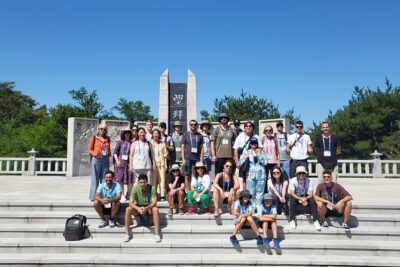
Best DMZ Tour Korea from Seoul (Red Suspension Bridge Optional)
Read our review →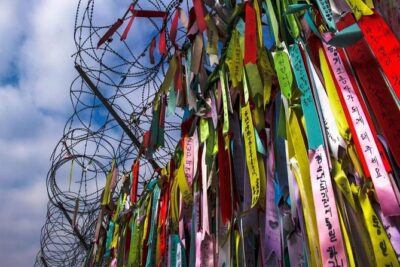
DMZ Tour: 3rd Tunnel, Option(Suspension Bridge, Boat) from Seoul
Read our review →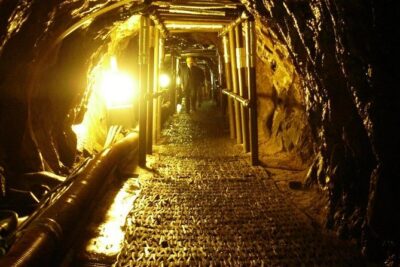
DMZ tour south Korea from Seoul (NK experience hall, defector)
Read our review →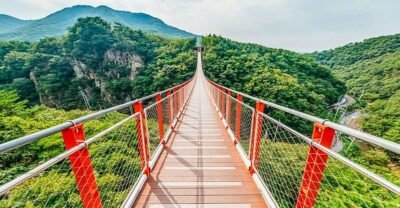
DMZ Insider Tour: 3rd Tunnel, NK Defector Meet & Red Bridge
Read our review →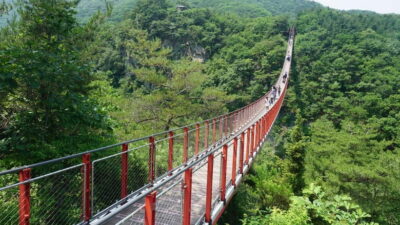
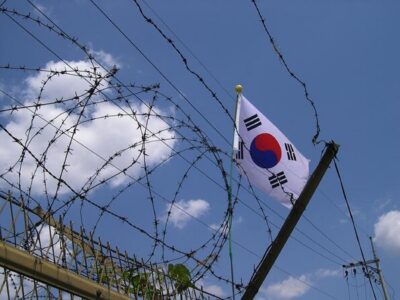
Thrilling Korean DMZ 3rd Tunnel Tour from Seoul + Red Bridge Rush
Read our review →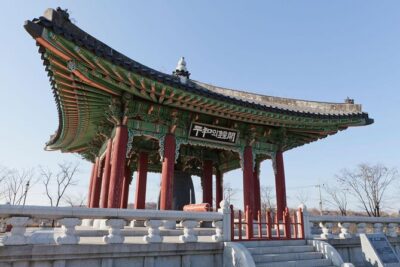
DMZ Past and Present: Korean Demilitarized Zone Tour from Seoul
Read our review →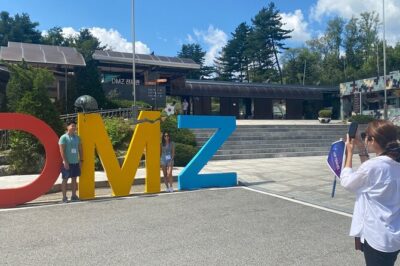
Ultimate Korea DMZ Tour from Seoul (Gondola & Suspension Bridge)
Read our review →Browse the lists this tour appears in