
Reviewed · DMZ TOURS
Seoul: DMZ Tour with Japanese-Speaking Guide
The most striking part of this day is the sharp change from Seoul’s busy streets to the quiet, heavily controlled border zone between North and South Korea. At Dora Observatory, you may look across the 4-kilometer DMZ toward North Korea, while the Third Infiltration Tunnel puts the division of Korea under your feet in a very literal way.
I like the way this tour combines major sights with a Japanese-speaking guide who explains what you are seeing as you travel. Guides such as Hong Yu-seon, Park, and Yoon have been praised for clear, lively explanations. I also like the low $50 price, which covers transport, entrance fees, and the guide. The main drawback is the military control: the route can change or the DMZ visit can be canceled without prior notice, with no refund offered for that change.
Key points to know before you book
- The Third Tunnel requires a steep 30 to 40-minute walk: You can wait at the entrance if the slope is too difficult, but this stop is not suitable for wheelchair users or people with heart problems.
- Dora Observatory offers a rare view into North Korea: On a clear day, you may see across the border without using the telescope.
- Japanese is used throughout the tour: Guides including Hong Yu-seon, Park, and Yoon are noted for clear, engaging explanations.
- The $50 price includes the essentials: Shared round-trip transport, entrance fees, an air-conditioned vehicle, and a licensed guide are included.
- Bring your passport and watch for military changes: The DMZ operates under military and government rules, so the schedule may change at short notice.
- This is a full day from Seoul: Allow 7 to 8 hours, with roughly one hour by vehicle each way, plus time for transfers and site visits.
Why the DMZ makes a powerful day trip from Seoul
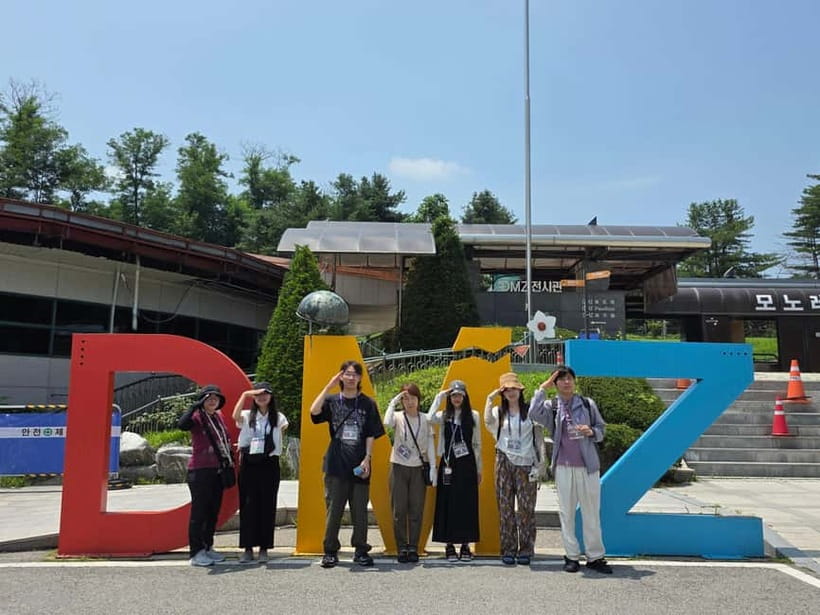
The DMZ is not a theme park border attraction. It is a controlled area that has divided Korea since 1953, and the visit carries a serious historical weight. The tour helps you move beyond a simple photo stop by connecting several places that explain the division from different angles.
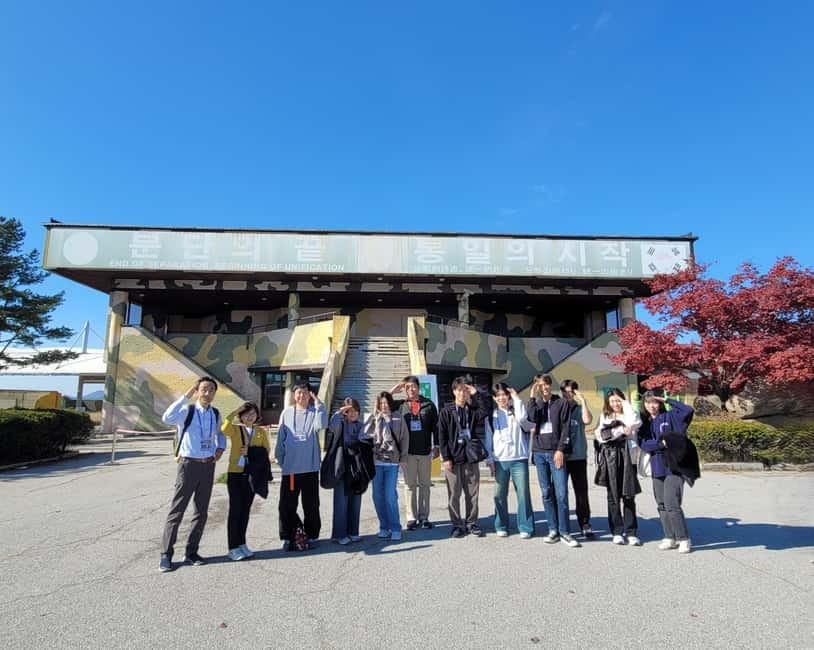
At one point, you are looking at a bridge linked with prisoners of war. Later, you are walking through an incomplete tunnel built by North Korea beneath the border. Then you are standing at a high viewpoint, looking across the narrow strip of land separating two countries with a shared past.
That mix gives the day its value. You do not simply see a fence or a distant flag. You hear the background, walk through a physical reminder of the conflict, and see how peace and reconciliation are presented in South Korea today.
The Japanese-speaking format is especially useful if you want more than a quick English-language overview or a self-guided visit. The bus ride becomes part of the tour, with time for the guide to explain the history and background before you arrive. Hong Yu-seon has been praised for making the information clear and interesting, while Park is known for an entertaining style. Yoon has also received praise for careful explanations and a warm approach.
More DMZ Tours in Seoul:
- Best DMZ Tour Korea from Seoul (Red Suspension Bridge Optional)
★ 5.0 · 41,422 reviews - DMZ Tour: 3rd Tunnel, Option(Suspension Bridge, Boat) from Seoul
★ 5.0 · 21,373 reviews - DMZ tour south Korea from Seoul (NK experience hall, defector)
★ 5.0 · 20,599 reviews
The ride from Seoul and the meeting point
The day begins at one of several designated meeting points, with one listed location near Myeongdong Station Exit 10 at 159-1, 20-16. Your exact meeting point depends on the option you book, so check the booking information and the email sent the day before. Pickup times can change.
The ride toward Gyeonggi Province takes about an hour by air-conditioned bus or minivan. Hotel pickup and drop-off are not included, so you need to reach the departure point yourself. This is a shared tour, and vehicle size can vary.
The drive gives the guide useful time to set the scene. That matters here because the stops can feel confusing without context. Names such as Imjingak, Freedom Bridge, Dora Observatory, and the Third Tunnel mean more once you understand how they connect.
A government rule may require a transfer to a separate DMZ shuttle bus if fewer than 30 people are in the vehicle. That transfer can add a bit of waiting or make the day feel less direct, but it is part of how access is managed.
Imjingak Park, where the border feels close
The first major stop is Imjingak Park, where you have about an hour for a guided visit. This is one of the places where the human side of Korea’s division comes through most clearly.
The park is built around the theme of separation, memory, and hopes for reunification. You can expect a mix of memorial spaces, viewing areas, and objects connected with the divided peninsula. It is a good opening stop because it gives you room to understand the meaning of the day before entering more restricted areas.
Do not rush this part. The DMZ itself can feel distant at first, while Imjingak helps make the story personal and visible. Your guide can point out details that are easy to miss if you arrive alone.
The stop also gives you time to get used to the pace of the tour. You will be moving as a group, and military-controlled sites do not always allow the freedom of an ordinary city attraction.
Freedom Bridge and the story of repatriation
Freedom Bridge receives about 30 minutes of guided attention. It was used by prisoners of war who were repatriated from the North, making it one of the most meaningful sights on the route.
The bridge is not simply an old crossing. Its importance comes from the people who passed over it and the uncertainty attached to those journeys. Your guide’s explanation helps connect the structure to the larger story of separated families, wartime movement, and the continuing division of Korea.
This is a short stop, but it is not filler. The bridge gives the day a human scale before you move on to the more dramatic underground and viewing sites.
You may find the time enough for a careful look and photographs, but do not expect a long, unhurried visit. Keep close to the group and follow the guide’s timing.
A few more Seoul trips to weigh up
- Seoul: Night Market Food Tour with Local Guide
★ 4.9 · 943 reviews - DMZ Guided Tour with Suspension Bridge / Gondola from Seoul
★ 5.0 · 876 reviews - Downtown Seoul Guided Food & Market Tour with 8+ Local Tastings
★ 5.0 · 580 reviews - Seoul: DMZ Guided Tour with Suspension Bridge and Gondola
★ 4.9 · 553 reviews
Walking into the Third Infiltration Tunnel
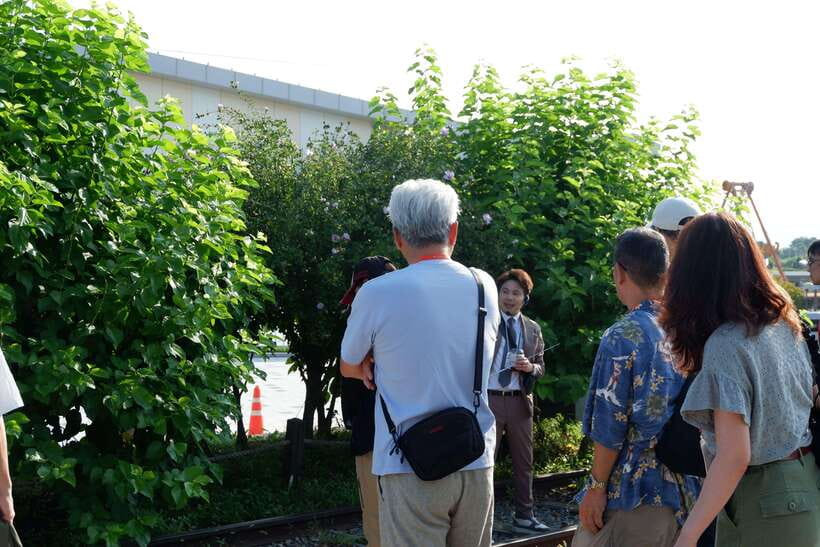
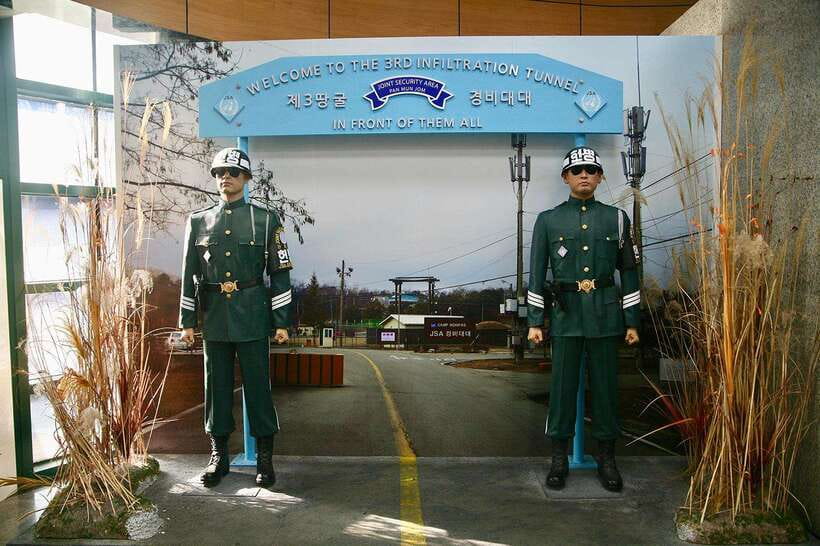
The Third Infiltration Tunnel is the most physical part of the tour. The tunnel is an incomplete passage built by North Korea that runs beneath the DMZ. You go inside on foot, with the round trip taking about 30 to 40 minutes.
The tunnel is steep, and the return climb can be tiring. This is the point where practical footwear matters most. Flip-flops, slippers, and high-heeled shoes are strongly discouraged. Wear shoes that stay firmly on your feet and handle a steep walk.
The underground section can be cooler than the August heat outside, but that does not make the climb effortless. One Japanese-language tour participant noted that the tunnel felt pleasantly cool in mid-August, yet the physical demands remain the same in any season.
Children and older adults may find the slope difficult. You can wait in front of the tunnel rather than go inside, which is an important option for anyone unsure about the walk. The tour is not suitable for wheelchair users or people with heart problems.
I consider this stop the clearest physical reminder of the tension around the border. At the observatory, the political division is far away. In the tunnel, it is close, enclosed, and physical.
Dora Observatory and the view toward North Korea
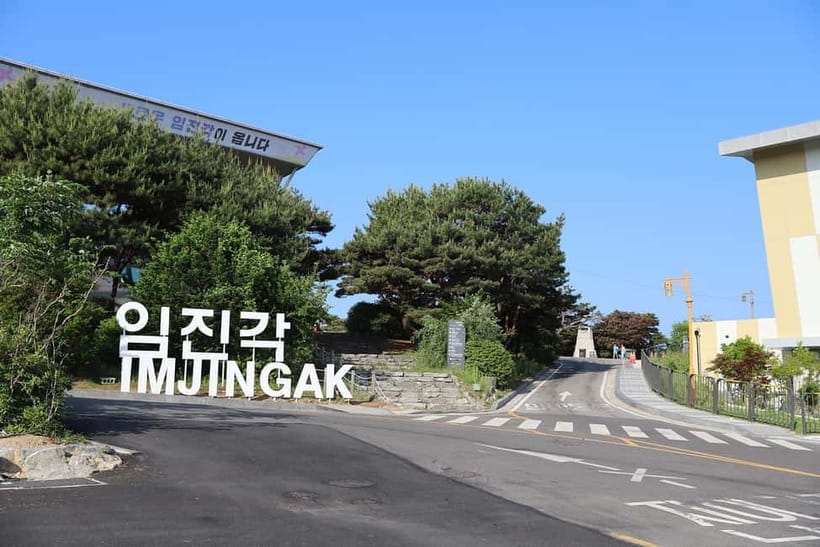
After returning to the surface, the group travels up the slopes of Mount Dora to Dora Observatory. Plan on about an hour here, including the guided explanation and time to look outward.
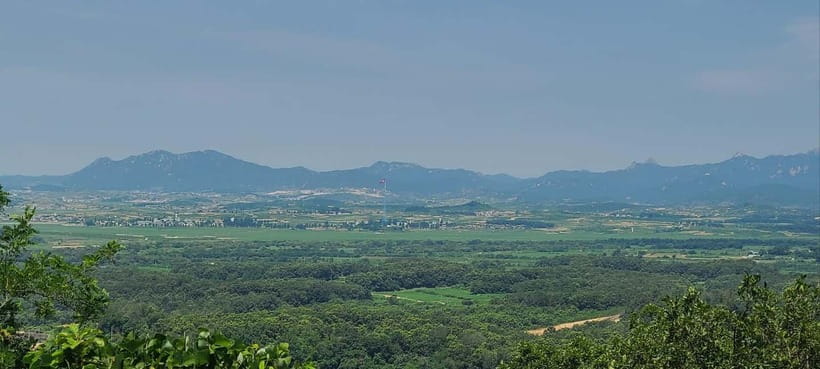
The big attraction is the view across the DMZ toward North Korea. In good weather, you may see all the way across without using the observatory’s telescope. Visibility depends on weather and conditions, so keep your expectations sensible. A hazy day can limit the view, but the location remains important even when the distant details are unclear.
You are looking across the 4-kilometer-wide strip that has divided Korea since 1953. That narrow distance can make the division feel both near and strangely unreachable.
This is also where the tour’s quiet mood becomes strongest. There is no need to force the moment into a dramatic photo. Take time to listen to the guide, look at the border area, and notice how much of the experience depends on weather and military rules.
Unification Village and peace-themed souvenirs
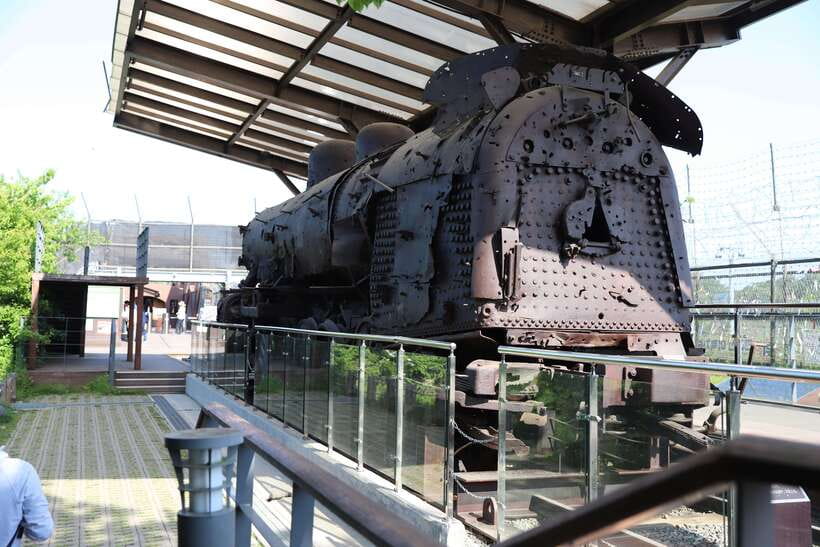
The final listed stop is Unification Village, with around 30 minutes for a guided visit and shopping. This community is located near the DMZ in South Korea, and the stop shifts the focus from military history to peace and reconciliation.
You can browse souvenirs and snacks connected with the theme of reunification. Some shops also carry goods from North Korea. That makes this a different kind of stop from the memorials and observation areas, and it gives you a chance to take home something more specific than a standard Seoul souvenir.
The shopping time is brief, so do not expect a long market visit. It works best as a final pause before the return ride. You can use it to pick up snacks or a small keepsake after a day filled with heavy subject matter.
A $50 day trip and what the price really covers
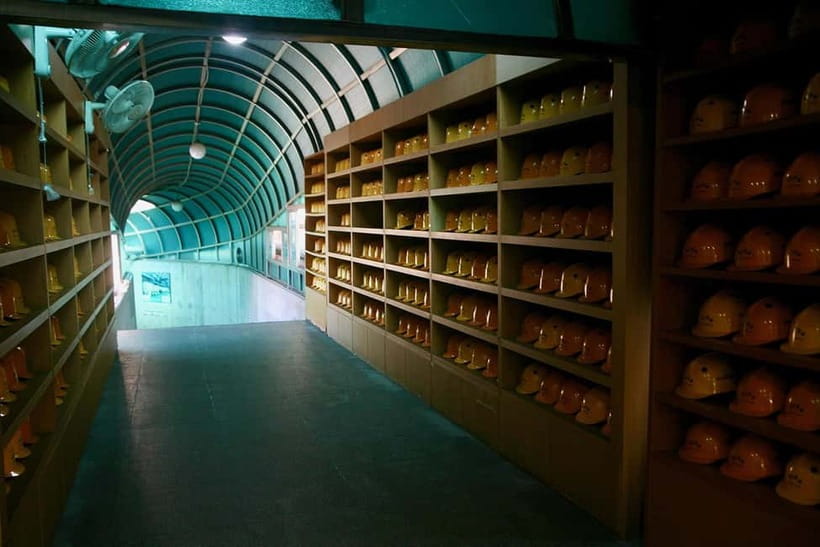
At $50 per person, this tour offers solid value if you want a simple way to reach the DMZ from central Seoul. The price includes round-trip shared transport, entrance fees, an air-conditioned bus or minivan, and a licensed professional guide who speaks Japanese.
Those inclusions matter because the DMZ is not an ordinary sightseeing district. Access involves military rules, controlled transport, and several sites spread across Gyeonggi Province. A guided shared tour removes much of the planning burden.
Food and drinks are not included, and you do not receive hotel pickup or drop-off. Plan to eat before departure or bring suitable refreshments if permitted. Smoking is not allowed in the vehicle, and alcohol or drugs are forbidden. Anyone who arrives intoxicated will not be admitted and will not receive a refund.
The tour does not include the Joint Security Area, also called Panmunjom. If visiting the JSA is your main goal, this is not the right product. This route focuses instead on Imjingak, the Third Tunnel, Dora Observatory, and nearby sites.
Military rules can change your day
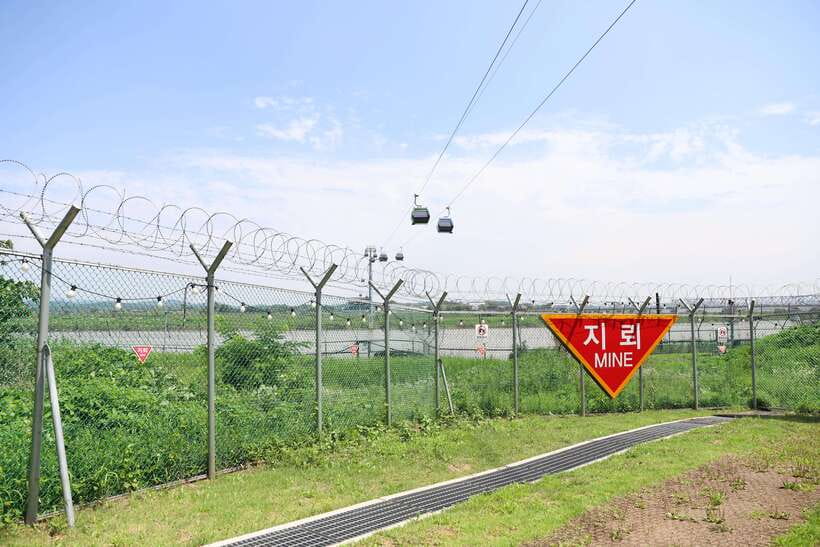
The most important warning is that the DMZ is operated by the military. Weather, military decisions, and government regulations can alter the route or cancel the DMZ portion without advance notice.
If that happens, the replacement route may include Imjingak, Art Space BEAT 131, Odusan Unification Observatory, the War Memorial of Korea, City Hall, or Myeongdong. The information provided for the tour says no refund will be offered when the itinerary changes for these reasons.
That policy may feel strict, but it reflects the unusual nature of the destination. You are entering an area where access is not controlled only by a tour company. Book this day with a flexible attitude, and do not place an unmovable evening flight or important reservation immediately afterward.
Traffic can also change your arrival time in Seoul. The return ride is expected to take about an hour, but the full day lasts 7 to 8 hours depending on traffic, group size, transfers, and site conditions.
Who will enjoy this Japanese-language tour?
I would choose this experience if you want the DMZ explained in Japanese and prefer a guided day rather than arranging each stop yourself. It suits visitors who care about Korean history, political geography, and places that carry real meaning beyond their photographic appeal.
It is also a good fit for anyone who wants an unusual day outside Seoul without paying for a private vehicle. The combination of transport, admission, and a live guide keeps the $50 price practical.
The tour is less suitable if you dislike fixed schedules, shared transport, or uncertainty. You cannot treat the DMZ like a normal museum where you arrive and wander at your own pace. Military checks, shuttle transfers, weather, and traffic all affect the day.
Think carefully about mobility, too. The Third Tunnel has a steep slope, and the walk can be challenging. You can wait outside that section, but the rest of the tour still involves getting on and off a vehicle and moving between sites. People with heart problems and wheelchair users should not book this activity.
What to bring and how to prepare
Bring your passport. It is required for the tour.
Wear sturdy, comfortable shoes. Avoid flip-flops, slippers, and shoes with heels, especially because of the Third Tunnel. Dress for changing conditions, since the day includes outdoor viewpoints and an underground passage.
Use your American English name when booking, as requested for the tour. Check your email the day before departure for any change to the pickup time or meeting instructions.
Infants under 24 months can join free of charge, but no seat is provided for them. Unaccompanied minors are not allowed.
Free cancellation is available up to 24 hours before the tour for a full refund, and reserve-now, pay-later booking is offered. These policies are useful if your Seoul schedule is still shifting, but they do not protect you from a military-ordered itinerary change on the day.
Should you book this DMZ tour?
Book it if you want an affordable, Japanese-speaking introduction to one of Korea’s most unusual destinations. The strongest reasons are the clear guide commentary, the chance to see toward North Korea from Dora Observatory, and the chance to walk through the Third Tunnel rather than simply view the border from a distance.
Choose another option if you need a private schedule, hotel pickup, a guaranteed DMZ itinerary, or a visit to the JSA. For everyone else, this is a well-packed day with enough historical explanation to make the sights meaningful, provided you arrive ready for a long day, a steep tunnel, and the possibility that military rules may rewrite the plan.
FAQ
How long does the DMZ tour take?
The tour lasts approximately 7 to 8 hours, including the journey from Seoul, visits to the DMZ sites, and the return trip.
Where does the tour start?
There are three possible starting location options, and the meeting point depends on the option booked. One listed location is near Myeongdong Station Exit 10 at 159-1, 20-16. Check your booking details for the exact location.
Where does the tour finish?
The tour finishes with drop-off at either Myeongdong or City Hall Station, depending on your preference and the option selected.
Is the guide Japanese-speaking?
Yes. The live tour guide language is Japanese. Guides named in the tour information include Hong Yu-seon, Park, and Yoon.
Do I need my passport?
Yes. You must bring your passport for the DMZ tour.
Is the Joint Security Area included?
No. The visit to the JSA, also known as Panmunjom, is not included.
Is the Third Tunnel difficult to walk through?
The Third Tunnel has a steep slope and takes about 30 to 40 minutes for a round trip on foot. It may be difficult for children and older adults, and you can wait at the entrance instead.
Can the DMZ itinerary be canceled or changed?
Yes. Military, weather, and government regulations can change the itinerary or cancel the DMZ visit without prior notice. Alternative stops may include Imjingak, Art Space BEAT 131, Odusan Unification Observatory, the War Memorial of Korea, City Hall, or Myeongdong.
Just added around Seoul
- Gyeongbokgung palace,seoul with gigibebe hanbok rental★ 4.5 · 12 reviews
- Private tour guide service in Seoul, Korea★ 5.0 · 6 reviews
- Alpaca, Nami, Petite Fr, Italian Village, Garden of Morning Calm★ 3.5 · 5 reviews
- Gyeongju UNESCO Sites Tour by KTX train; The Museum Without walls★ 4.5 · 11 reviews
- Private day trip to Korean Folk Village & Dae Jang Geum Park★ 5.0 · 7 reviews
- Private tour Lotte World,Tower,Aquarium(All Tickets are included)★ 5.0 · 12 reviews
- Full Day Private Seoul Tour for foodies★ 5.0 · 3 reviews
- Seoul Private Custom Walking Tour with A Guide (Private Tour)★ 4.5 · 28 reviews
DMZ Tours, compared.
Best DMZ Tour Korea from Seoul (Red Suspension Bridge Optional)
Read our review →
DMZ Tour: 3rd Tunnel, Option(Suspension Bridge, Boat) from Seoul
Read our review →
DMZ tour south Korea from Seoul (NK experience hall, defector)
Read our review →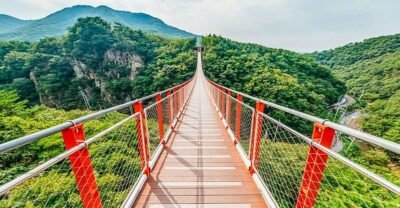
DMZ Insider Tour: 3rd Tunnel, NK Defector Meet & Red Bridge
Read our review →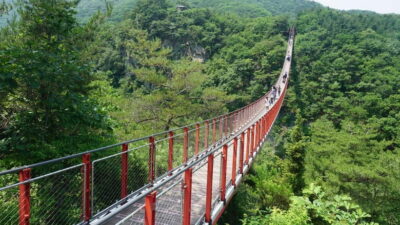
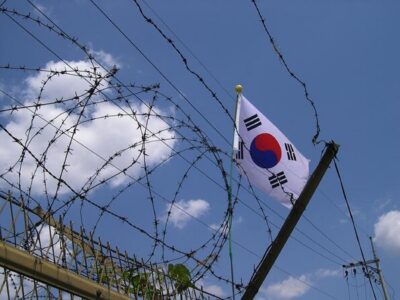
Thrilling Korean DMZ 3rd Tunnel Tour from Seoul + Red Bridge Rush
Read our review →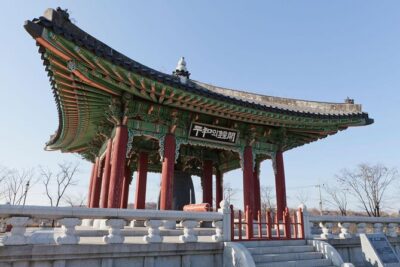
DMZ Past and Present: Korean Demilitarized Zone Tour from Seoul
Read our review →
Ultimate Korea DMZ Tour from Seoul (Gondola & Suspension Bridge)
Read our review →Browse the lists this tour appears in