
Reviewed · DMZ TOURS
Seoul: Paju DMZ Private Tour with Former US Military Base
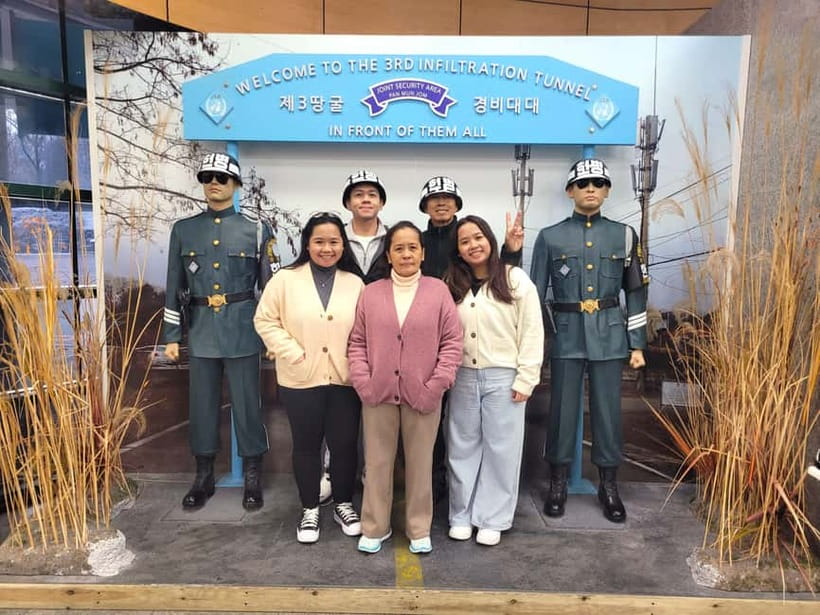
The most striking part of this day is the Third Infiltration Tunnel, where you put on a hard hat and walk through a cramped passage dug beneath the border. It is not a polished museum visit. It feels physical, awkward, and memorable in a way that makes the division of Korea easier to grasp.
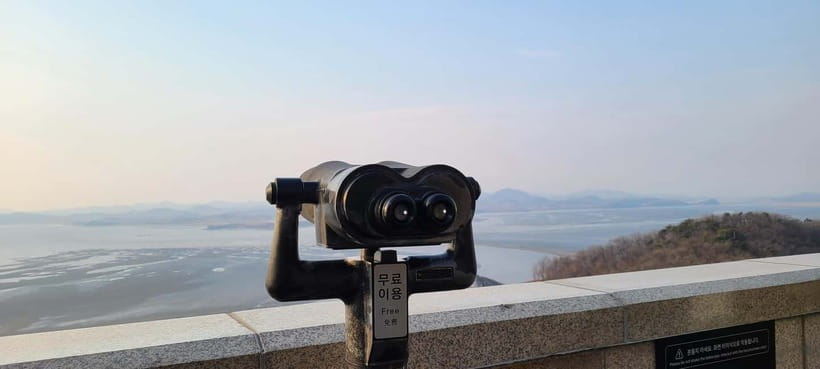
I like the mix of serious history and varied stops. Camp Greaves brings the Cold War into view through old barracks and military buildings, while Dora Observatory gives you a chance to look toward North Korea through telescopes. The main drawback is the price, $483 per person, and the long day, especially if traffic or security delays cut into your time at each site.
Key points to know before booking
- Walk through the Third Infiltration Tunnel: Expect a steep descent, a low ceiling, and a two-hour visit that includes walking and waiting.
- See a former American military base: Camp Greaves preserves barracks, military facilities, ammunition depots, and other Cold War-era remains.
- Look across the border at Dora Observatory: Telescopes may reveal North Korean towns such as Kaesong on a clear day.
- Use the optional Peace Gondola: The ride crosses the Imjin River, but its ticket costs extra.
- Rely on a guide for context: Guides including Julie, Jonathan, Joo Lee, Chuck Park, and Nammin have been praised for clear explanations and friendly help.
- Bring the correct passport: Every person, including children, needs valid identification with details that match the booking.
Why this DMZ day trip feels different
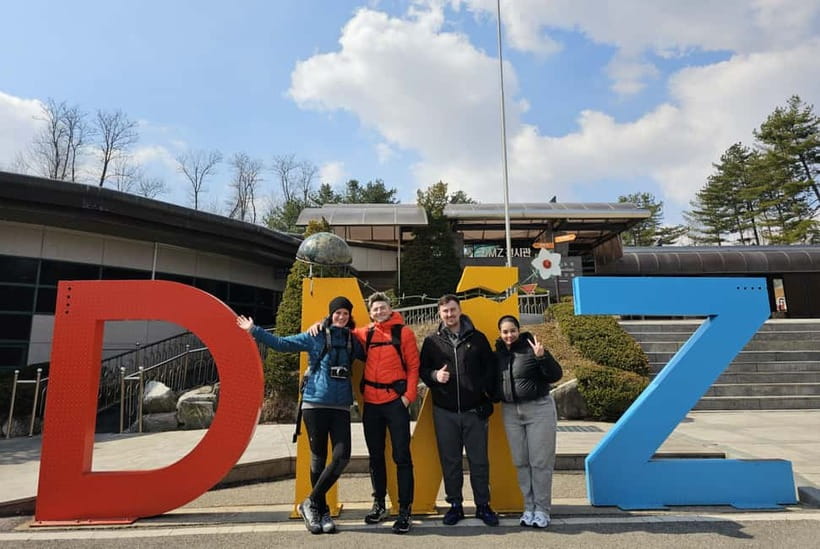
Many DMZ outings focus on a quick viewpoint and a standard military briefing. This one adds Camp Greaves, a former US base, to the usual Imjingak, tunnel, and observatory visits. That gives you more than a border photo. You get several ways to think about the Korean War and its long aftermath.
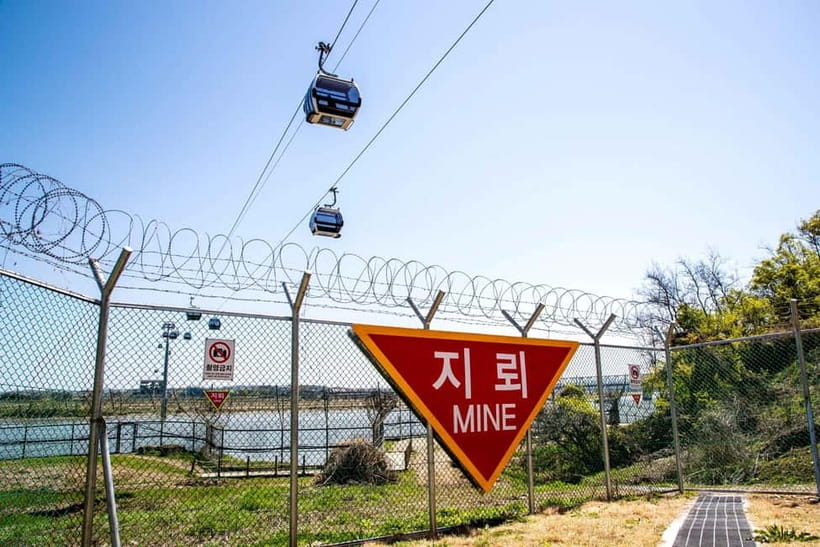
The DMZ is the buffer zone created after the 1953 cease-fire. The war did not end with a peace treaty, so the area remains one of the most tightly controlled borders in the world. Your guide helps connect what you see, old military structures, warning signs, observation posts, and divided roads, with the larger story.
The day runs about 10 hours and begins with hotel pickup in central Seoul. You travel by vehicle for roughly 50 minutes at the start, then return to Seoul after the final stop in a ride listed at about 1.5 hours. Traffic can stretch those times, so I would not schedule an evening reservation immediately afterward.
This is a private group experience, though the exact number of people depends on the booking. One small English-speaking group had only six people, which made it easier to ask questions and gave the outing a personal feel. That matters here, since the best part of the trip is often the explanation between stops rather than the view itself.
More DMZ Tours in Seoul:
- Best DMZ Tour Korea from Seoul (Red Suspension Bridge Optional)
★ 5.0 · 41,422 reviews - DMZ Tour: 3rd Tunnel, Option(Suspension Bridge, Boat) from Seoul
★ 5.0 · 21,373 reviews - DMZ tour south Korea from Seoul (NK experience hall, defector)
★ 5.0 · 20,599 reviews
Imjingak begins the day with memory
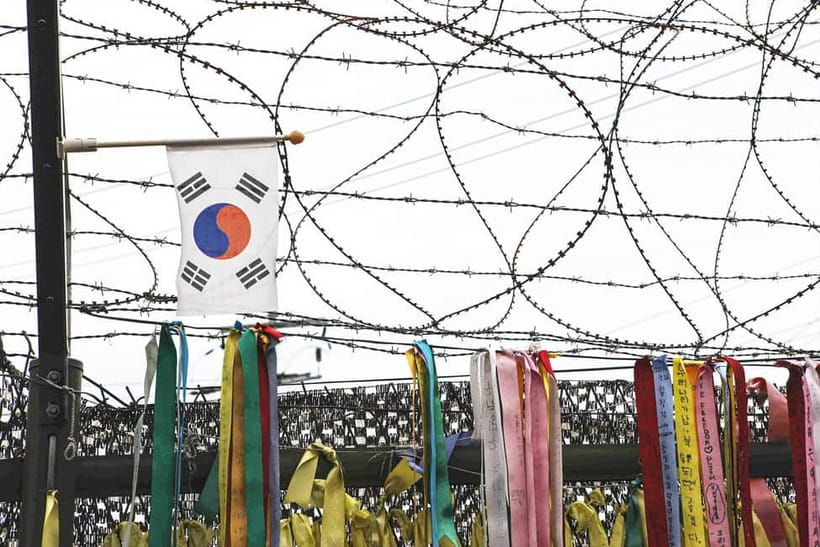
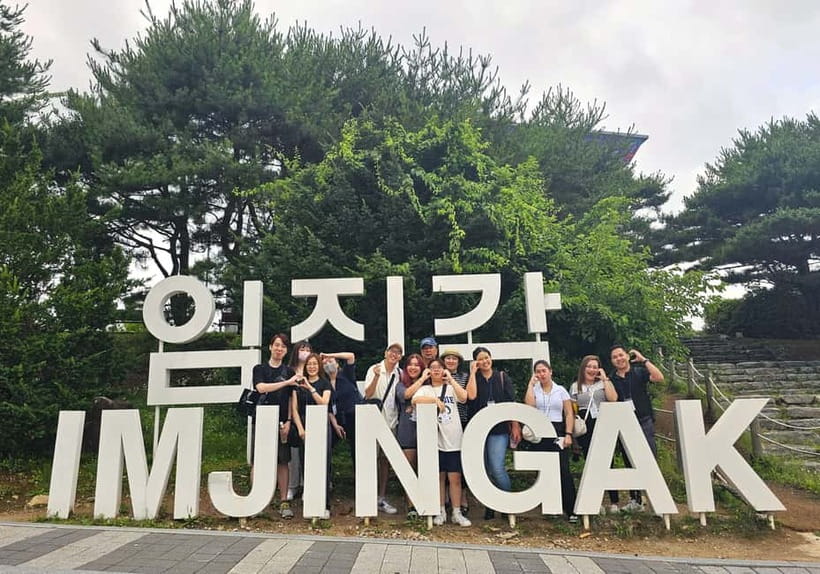
Imjingak Park is the opening stop, with about 40 minutes for sightseeing and free time. It is a place built around the Korean War, separated families, remembrance, and the hope of reunification.
From the park, you can look toward the Imjin River and the border area. The setting is open and reflective, but do not expect a long, unhurried museum visit. Forty minutes gives you time to get oriented, see the major memorial elements, and listen to your guide, but you will need to keep an eye on the meeting time.
You can also add a Peace Gondola ride across the Imjin River. The ride is scheduled for about 30 minutes and offers a different view of the river and nearby border area. The gondola ticket is not included in the tour price, so treat it as an optional extra rather than part of the standard package.
I like having this stop first because it provides an emotional frame for the rest of the day. The tunnel can feel like an unusual physical attraction if you arrive without context. Imjingak reminds you that every military structure you see is connected to real families, a cease-fire that never became a formal peace, and a country still divided.
Camp Greaves keeps the Cold War visible
Camp Greaves is the tour’s most distinctive addition. The former US military base was used during the Korean War and later became a peace and culture site. You see preserved barracks, military facilities, ammunition depots, and other reminders of its former purpose.
The visit lasts about 70 minutes, including sightseeing and photo time. The old buildings are not simply decoration. They show how an active military base functioned close to the border, and they help make the Cold War period feel less remote.
The site has also been used as a filming location for Korean dramas. That may appeal to fans of Korean television, but the stronger reason to visit is the combination of military remains and newer exhibitions or interactive programs. The result is more varied than a simple photo stop.
Expect the guide to do much of the explaining. The preserved structures may not tell you their full story on their own, so this is where a good guide makes a real difference. Julie has been praised for giving a thorough historical account, while Jonathan has been singled out for both clear information and a friendly manner.
Camp Greaves also adds balance to the day. At the tunnel, you focus on North Korean military activity. At the former base, you see the South Korean and American side of the border story. The two stops together give you a more complete view of the military tension that shaped the region.
Lunch in Paju gives you a needed pause
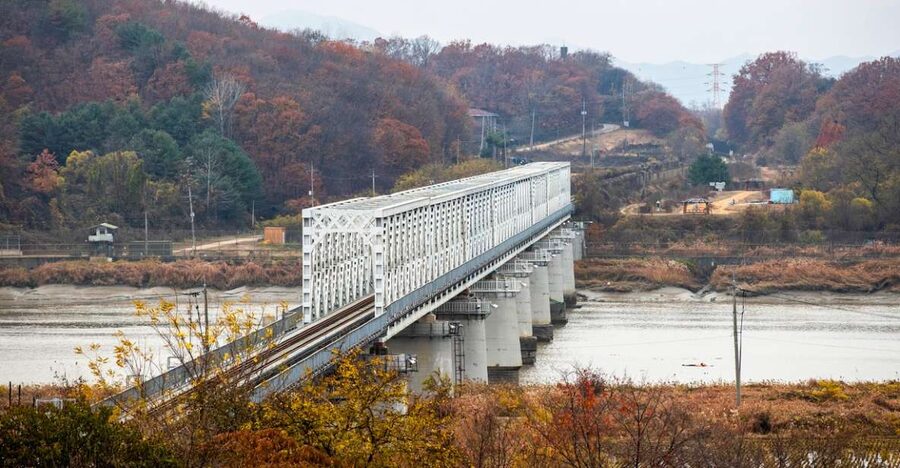
After Camp Greaves, the schedule allows about 1.5 hours in Paju for lunch, free time, and sightseeing. Meals are not included, so you should budget separately for food.
This break is useful after the morning’s steady movement between sites. It gives you time to eat and ask your guide follow-up questions before the more demanding tunnel visit. Since no fixed meal is included, the exact food choice and timing may depend on the group and the day’s conditions.
I would keep lunch practical rather than planning a long restaurant experience. The main purpose is to refuel and stay on schedule. Traffic, weather, and security procedures can affect the day, and a leisurely meal may not fit if the group is running late.
The flexible pause is also helpful for families and mixed-age groups, although the overall outing is not stroller or wheelchair accessible. Children are charged the adult rate, and the tunnel requires walking, a descent, and enough mobility to manage a restricted passage.
A few more Seoul trips to weigh up
- Private DMZ Tour (No Shopping): 3rd Tunnel & Suspension Bridge
★ 5.0 · 607 reviews - Seoul City Private Full-Day Tour Including Lunch
★ 5.0 · 469 reviews - Private DMZ the 3rd Tunnel Tour from Seoul (optional Red Bridge)
★ 5.0 · 429 reviews - Seoul Highlights & Hidden Gems Tours by Locals: Private + Custom
★ 5.0 · 359 reviews
The Third Infiltration Tunnel is the physical centerpiece
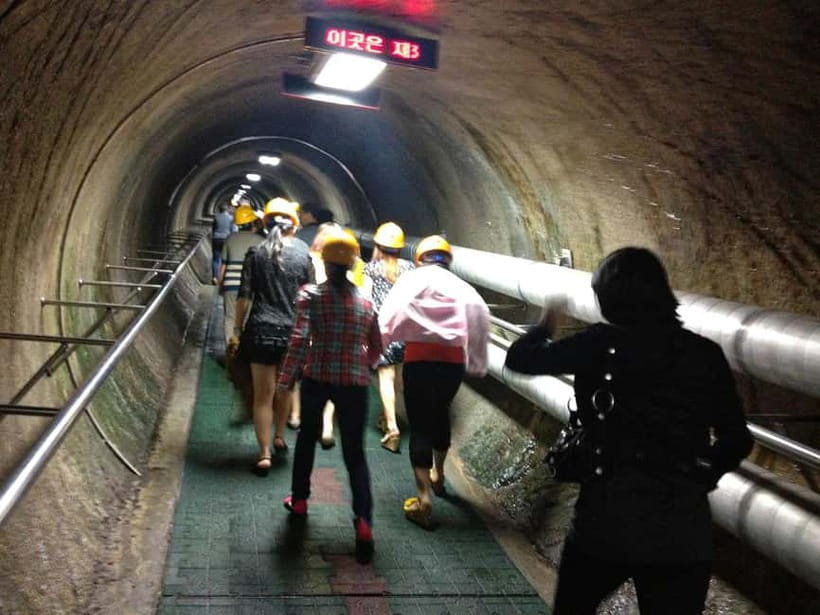
The Third Infiltration Tunnel is the most unusual stop on the route. North Korea dug the passage during the Cold War, and it was discovered in the 1970s. The tunnel extends for more than 1.6 kilometers, though the experience for visitors consists of walking through the accessible portion rather than exploring its entire length.
The stop takes about two hours and includes a walk. You wear a safety helmet and descend into a dim, narrow passage. The ceiling is low in places, and the confined space can feel uncomfortable, especially for anyone uneasy in tight surroundings.
That discomfort is part of the lesson. A map or documentary can explain the danger of infiltration, but walking beneath the ground gives the subject a physical scale. You feel the slope, watch your head, and move through a place designed for secrecy rather than comfort.
Wear sensible shoes and clothes that allow easy movement. The supplied information does not specify a dress code, but a tunnel walk is a poor match for delicate footwear or clothing you do not want to brush against walls. Take the guide’s instructions seriously, since this remains a controlled military area.
The tunnel visit is not only about the engineering. It also raises difficult questions about the cease-fire and the continuing security system along the border. Your guide can explain the discovery and the wider military setting, while the walk itself makes the subject more immediate.
One practical caution: the area uses organized transport between certain sites, and timing can be tight. A past outing had to skip some exhibits because the transfer schedule allowed too little time. A strong guide can help you use the available time well, but you should not expect to see every display at a leisurely pace.
Dora Observatory offers the clearest border view
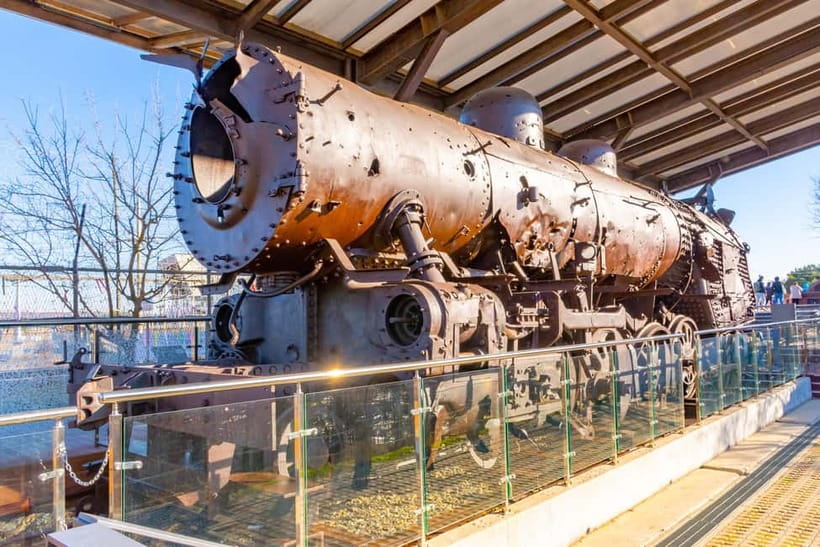
Dora Observatory sits at the highest point on the northern line of the DMZ. The visit lasts about an hour and gives you one of the few public chances to look into North Korea through telescopes.
On a clear day, you may see border towns including Kaesong, along with distant structures and statues associated with North Korea. Visibility is never guaranteed, so keep your expectations measured. Fog, haze, clouds, or distance can turn a dramatic view into a broad, indistinct horizon.
The telescopes are the main attraction, but the real value comes from knowing what you are looking at. Your guide can point out the direction of the border and explain the significance of the towns and facilities visible from the platform. Without that context, the view can be hard to interpret.
I recommend taking the observatory slowly. Look through the telescopes, then step back and consider how close the two countries appear despite the political distance between them. After the tunnel’s darkness and close walls, this wide view gives the day a different mood.
The observatory can also be busy. The schedule provides one hour, which is enough for the essential visit, but not necessarily for lingering at every viewing point. Stay aware of your return time, particularly if other groups are sharing the platform.
The guide can make or break the experience
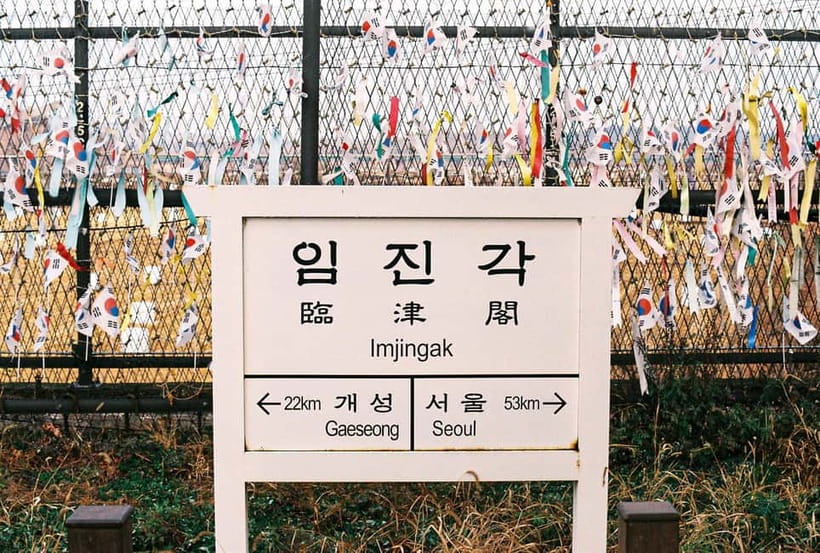
The route includes difficult subjects, and the guide’s role is more than pointing out entrances. You want someone who can explain the Korean War, the 1953 cease-fire, North Korean and South Korean perspectives, and daily life near the border in clear English or Chinese.
Several guides have received especially strong praise for the way they handle the day. Julie is described as thorough, kind, and willing to answer questions, even in hot weather. Jonathan is noted for friendly explanations, while Chuck Park is valued for answering questions about the area. Joo Lee took time with a small group and adjusted the pace when people needed rest.
Nammin has been praised for combining detailed explanations with humor, which can help during a long day with serious subject matter. Cecilia has also been appreciated for discussing both the DMZ and wider Korean life. You cannot necessarily request one particular guide, but these names give you an idea of the human side of the experience.
Because the tour is private, you have a better chance of asking questions than on a large coach outing. The language choices are English and Chinese. If you want a silent sightseeing day, this is not the right choice. The guide’s narration is central to understanding what you see.
Is $483 per person good value?
At $483 per person, this is an expensive day trip. The price makes the most sense for people who value private or small-group transport, hotel pickup and drop-off, an English or Chinese-speaking guide, DMZ admission, and the added Camp Greaves experience.
You are not paying only for a ride to a viewpoint. The day includes several controlled-access sites, round-trip transportation from Seoul, admission fees, and a guide who handles the route and border-area requirements. That convenience has real value because the DMZ is not an ordinary independent day-trip destination.
Still, the price will feel high if you mainly want to see the border from Dora Observatory. You also pay separately for lunch and the optional gondola. Compare the total cost with your priorities: the more you care about Camp Greaves, the tunnel, and detailed guiding, the easier it is to justify.
A private booking should also be checked carefully. The information describes the outing as a private group but also notes that some English groups have been small rather than strictly one household. Confirm the group arrangement and pickup details before paying if privacy is important to you.
Practical details that matter on the day
Hotel pickup and drop-off are available within central Seoul. You should be ready in the hotel lobby at least 10 minutes before the scheduled pickup. Return options include central Seoul locations such as Dongdaemun History and Culture Park Station Exit 10, Hongik University Station Exit 3, and Lotte Department Store Main Store.
Bring a valid passport or other required identification for every person on the booking, including children. The name and personal details must match the passport exactly, since incorrect information can result in denial of entry to the DMZ.
The route can be canceled for security reasons. Weather and traffic can also change the order or length of the stops. I would avoid treating the published schedule as a minute-by-minute promise, especially on a busy day.
The activity is not stroller or wheelchair accessible. Children aged zero and above are charged the adult rate. Insurance, meals, personal expenses, and the gondola ticket are not included.
The cancellation information contains two different deadlines: one section says cancellation up to 24 hours before departure receives a full refund, while another says the booking is fully refundable until 10 a.m. Korean Standard Time three days before travel. Since those terms do not match, confirm the applicable deadline before booking.
Who should book this DMZ tour?
I would choose this tour if you want the DMZ explained rather than simply photographed. It suits first-time visitors to Seoul who want Imjingak, Camp Greaves, the Third Infiltration Tunnel, and Dora Observatory in one organized day.
It is also a good match for people who enjoy military history, Korean War history, photography, and guided discussion. The mix of a former base, a tunnel, a river park, and a border viewpoint keeps the day from feeling repetitive.
I would think twice if you dislike tight spaces, long vehicle rides, fixed schedules, or uncertainty caused by security controls. The tunnel is not suitable for everyone, and the $483 price is difficult to defend if you want only a short excursion.
For most people who choose it, the strongest reason to book is the combination of Camp Greaves and the Third Infiltration Tunnel. Add the observatory, the guide’s explanations, and hotel transport, and you get a serious full-day look at Korea’s division rather than a quick border photo.
FAQ
How long does the DMZ tour last?
The experience lasts about 10 hours, including transport from Seoul and the return journey.
What sites are included?
The route includes Imjingak Park, Camp Greaves, the Third Infiltration Tunnel, and Dora Observatory. A Peace Gondola ride is available as an optional add-on.
Is the Peace Gondola included in the price?
No. The gondola ticket costs extra, even though the ride appears in the planned route.
Can I look into North Korea?
Yes. At Dora Observatory, you can use telescopes to look toward North Korea. On clear days, you may see places including Kaesong and distant statues associated with North Korea.
What should I bring?
Bring a valid passport or identification for every person on the tour, including children. The information must match the details provided at booking.
Is lunch included?
No. Meals are not included. The schedule allows about 1.5 hours in Paju for lunch, free time, and sightseeing.
Is the tour accessible with a wheelchair or stroller?
No. The activity is not stroller or wheelchair accessible, and the Third Infiltration Tunnel includes walking and a descent.
Is hotel pickup available?
Yes. Pickup and drop-off are available from hotels within central Seoul. You should wait in the lobby at least 10 minutes before the scheduled pickup time.
Just added around Seoul
- Alpaca, Nami, Petite Fr, Italian Village, Garden of Morning Calm★ 3.5 · 5 reviews
- Gyeongbokgung palace,seoul with gigibebe hanbok rental★ 4.5 · 12 reviews
- Private tour guide service in Seoul, Korea★ 5.0 · 6 reviews
- Gyeongju UNESCO Sites Tour by KTX train; The Museum Without walls★ 4.5 · 11 reviews
- Private day trip to Korean Folk Village & Dae Jang Geum Park★ 5.0 · 7 reviews
- Private tour Lotte World,Tower,Aquarium(All Tickets are included)★ 5.0 · 12 reviews
- Full Day Private Seoul Tour for foodies★ 5.0 · 3 reviews
- Seoul Private Custom Walking Tour with A Guide (Private Tour)★ 4.5 · 28 reviews
DMZ Tours, compared.
Best DMZ Tour Korea from Seoul (Red Suspension Bridge Optional)
Read our review →
DMZ Tour: 3rd Tunnel, Option(Suspension Bridge, Boat) from Seoul
Read our review →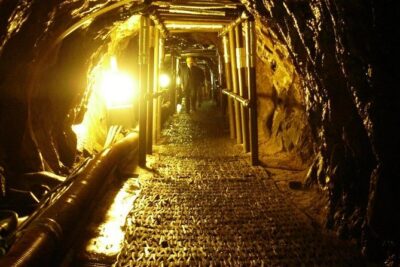
DMZ tour south Korea from Seoul (NK experience hall, defector)
Read our review →
DMZ Insider Tour: 3rd Tunnel, NK Defector Meet & Red Bridge
Read our review →
Thrilling Korean DMZ 3rd Tunnel Tour from Seoul + Red Bridge Rush
Read our review →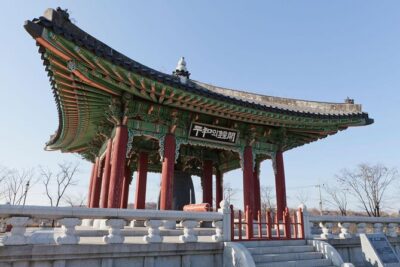
DMZ Past and Present: Korean Demilitarized Zone Tour from Seoul
Read our review →
Ultimate Korea DMZ Tour from Seoul (Gondola & Suspension Bridge)
Read our review →Browse the lists this tour appears in