
Reviewed · HISTORICAL TOURS
Gwangju May 18 History Tour (Small group Max.5)
Gwangju’s May 18 story is not tucked away in a museum. It is written across city squares, government buildings, military grounds, and a memorial cemetery. This small-group tour follows that story with a local guide, Veronica, and keeps the group to five people, a useful size for a serious subject that rewards questions and quiet reflection. The May Spirit refers to the resistance, sacrifice, sharing, and solidarity shown by citizens during the 1980 Democratic Uprising.
I like the way the tour combines major historical sites with local food, rather than treating Gwangju as only a place of memorials. I also like the use of private transportation, since the six stops are spread around the city and the day lasts about seven hours. The main consideration is that lunch is not included, and the subject matter is painful and sometimes difficult to absorb.
Key points at a glance
- A maximum of five people: The small group allows room for questions and a more personal discussion with guide Veronica.
- Six meaningful stops: You visit Democracy Square, the May 18 Archives, Jeonil Building 245, Dongmyeong-dong Cafe Street, the May 18 National Cemetery, and May 18 Liberty Park.
- Evidence you can see: Jeonil Building 245 preserves 245 bullet marks connected to scientific evidence of helicopter gunfire.
- Food is part of the day: You can choose from local dishes at Dongmyeong-dong Cafe Street and pay for your meal separately.
- Private transportation included: This makes it easier to cover sites across Gwangju without arranging several local connections.
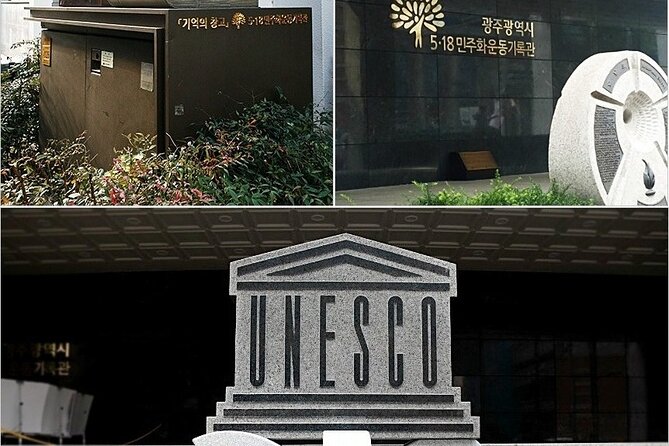
- A UNESCO-recognized story: The May 18 Democratic Uprising was added to the UNESCO Memory of the World Register in 2011.
Why Gwangju’s May 18 story matters
On May 18, 1980, citizens in Gwangju rose against military dictatorship and demanded democracy. The uprising lasted ten days. The people faced overwhelming military force, and many were killed or injured. Their actions later became a turning point in South Korea’s path toward democratic government.
That basic outline can sound dry on a page. In Gwangju, the events are tied to real streets and buildings. You can see where the final resistance took place, examine preserved records, and visit the resting place of those who died. The power of this tour comes from connecting those locations in one day.
The experience also gives you a better sense of why May 18 remains important in Gwangju. This is not presented as an old event with no connection to modern life. The May Spirit still shapes how the city remembers its past and how it understands civic courage.
The story was added to the UNESCO Memory of the World Register in 2011. That recognition reflects the importance of the documents and records connected with the uprising, but the tour’s real value is more immediate. You are not only hearing about a national political event. You are seeing the places where local people made difficult choices.
A few more South Korea trips to weigh up
- From Busan: Gyeongju UNESCO World Heritage Guided Day Tour
★ 4.8 · 1,250 reviews - Gyeongju UNESCO World Heritage Guided Day Tour from Busan
★ 5.0 · 660 reviews - Seoul: Evening Dark History, Folklore & Ghost Story Walking Tour
★ 5.0 · 593 reviews
Starting at 5.18 Democracy Square
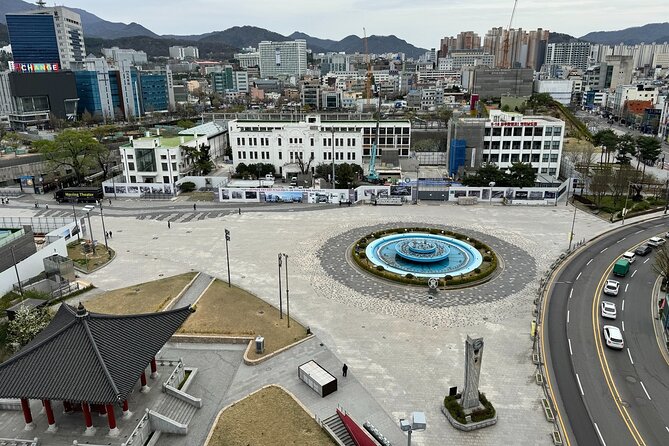
The tour begins at 10:00 am at 5.18 Democracy Square on Geumnam-ro in central Gwangju. The square includes the circular fountain and open plaza in front of the former South Jeolla Provincial Office.
This was the final stronghold for citizens during the uprising. That makes the first stop an effective starting point. Before visiting the archives and memorial grounds, you get a physical sense of the place where the movement reached its last stand.
You spend about 30 minutes here, with free admission. The short visit is useful because the square works best as an orientation point rather than a full museum stop. Pay attention to the former provincial office and the open space around it. Your guide can explain how the location functioned during those ten days.
This is also a practical meeting point in central Gwangju. Arrive ready to begin at 10:00 am, since the day has several stops and the schedule depends on moving between them.
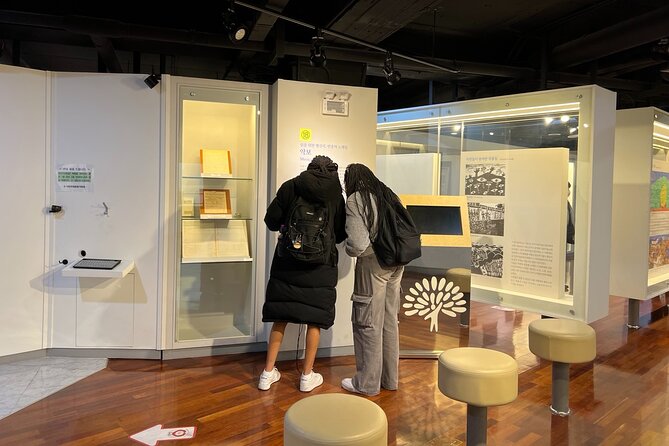
Reading the past at the 5.18 Archives
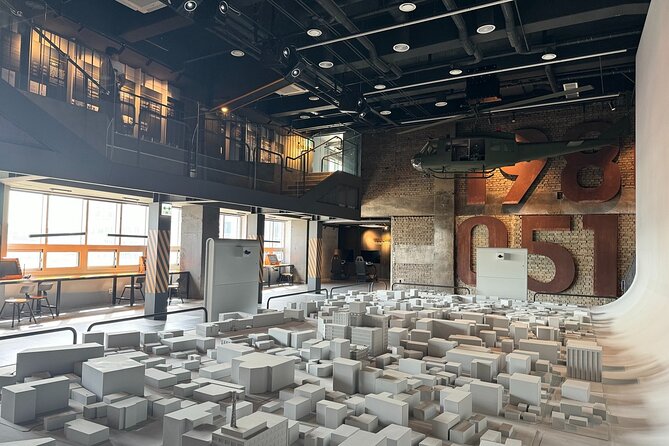
The May 18 Archives occupies the former Gwangju Catholic Center. Established in 2015, it collects, preserves, and shares records of the Democratic Uprising.
You spend about an hour here, again with free admission. This is the stop that gives structure to the day. The square shows you where events happened. The archives help explain what happened and how the record survived.
For me, the archive is especially valuable because political violence is often followed by confusion, denial, or incomplete accounts. Preserved records give the story a firmer foundation. The 2011 UNESCO listing also helps explain why these materials matter beyond Gwangju.
A local guide is useful here. Written displays can give you names and dates, but a guide can help connect the documents to the locations you have already seen and the places still ahead. Veronica’s role is important because she was born and raised in Gwangju. That local connection can bring a more personal frame to the city’s public memory.
You should expect a serious museum visit, not a quick photo stop. Give yourself time to read and ask questions. If you are interested in modern Korean politics, civil rights, or how societies preserve difficult memories, this may be the intellectual center of the tour.
Seeing the bullet marks at Jeonil Building 245
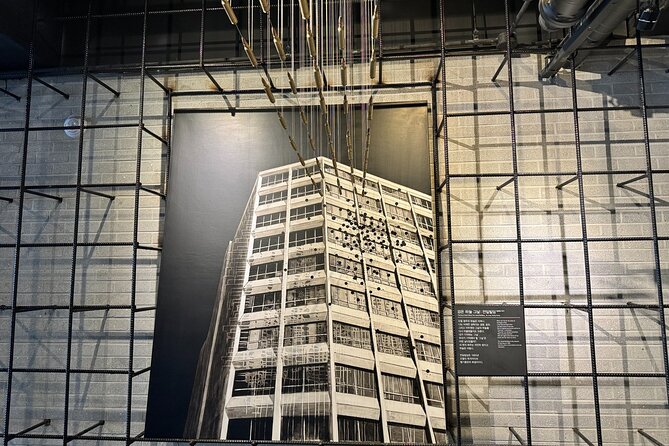
Jeonil Building 245 offers one of the day’s most direct pieces of physical evidence. The building still preserves 245 bullet marks on its exterior. The site is also connected to scientific evidence of helicopter gunfire during the uprising.
You spend about an hour here. The value of the visit is simple: you are looking at damage that remains visible on the building itself. That changes the tone of the history. Dates and political explanations can feel distant. Bullet marks on a wall are harder to treat as an abstraction.
This stop may be difficult for some people. The tour deals with military violence, civilian deaths, and the lasting effects of repression. You should book it because you are prepared to listen carefully, not because you want a light sightseeing morning.
Jeonil Building 245 also helps connect the history to ordinary city streets. It is not an isolated memorial far from daily life. The fact that such evidence remains part of the urban setting gives the stop a particular force.
Same country, a completely different kind of day:
- Best DMZ Tour Korea from Seoul (Red Suspension Bridge Optional)
★ 5.0 · 41,422 reviews - DMZ Tour: 3rd Tunnel, Option(Suspension Bridge, Boat) from Seoul
★ 5.0 · 21,373 reviews - DMZ tour south Korea from Seoul (NK experience hall, defector)
★ 5.0 · 20,599 reviews - DMZ Insider Tour: 3rd Tunnel, NK Defector Meet & Red Bridge
★ 4.9 · 15,214 reviews
A local-food pause on Dongmyeong-dong Cafe Street
After the first historical sites, the tour makes time for food in Dongmyeong-dong Cafe Street. Gwangju is known for generous portions and local cooking, and the guide has selected dishes popular with people in the city.
You get about an hour and 30 minutes here. Lunch is not included in the $95 tour price, so you choose your food and pay on the spot. That arrangement keeps the meal flexible, though you should budget extra money for it.
Yukjeon, thin slices of meat or other ingredients coated and pan-fried, is one of the listed local choices. The information provided for the experience does not give a full menu or fixed meal price, so ask Veronica what is available that day and how much your selection will cost.
I like this pause because it gives the day a human rhythm. Gwangju is not only a place of political memory. It is also a living city where people eat, meet, and carry on. Sharing food after difficult historical stops can help you process what you have seen without turning the day into a solemn march from one memorial to the next.
The drawback is that meal costs are separate, and you do not get a fixed lunch included in the tour price. That is not a major problem, but it matters when comparing this experience with a tour that includes food.
Paying respects at the May 18 National Cemetery
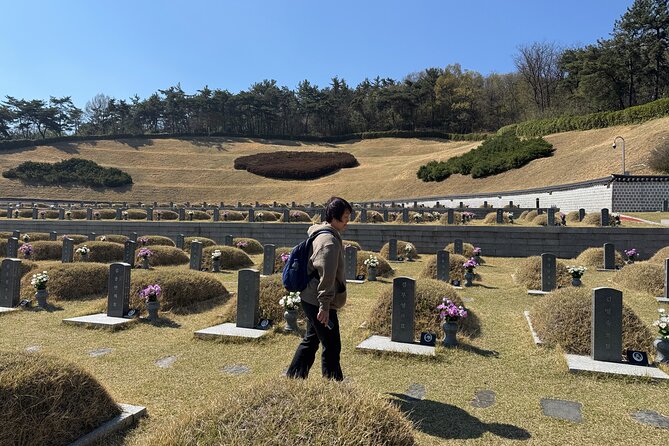
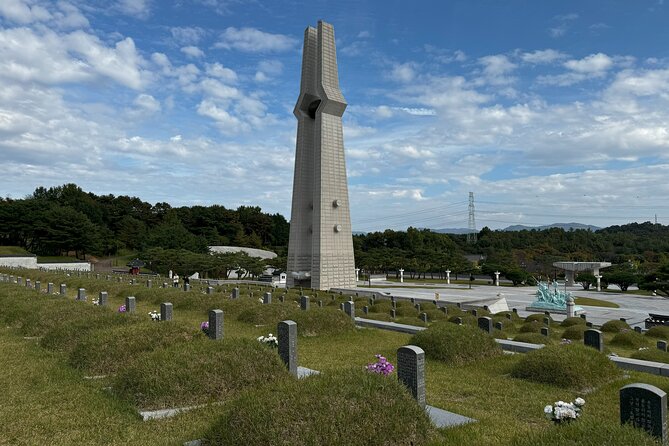
The May 18 National Cemetery is dedicated to those who died during the Democratic Uprising. It opened in May 1997 and became the final resting place for victims of the events.
The visit lasts about an hour and 30 minutes. This is the most solemn part of the day. After seeing a public square, archival material, and physical evidence on a building, you arrive at a place created specifically for remembrance.
Allow yourself to slow down here. The cemetery is not just another scheduled attraction. It gives names and dignity to people who might otherwise be reduced to a casualty count. The guide’s explanation can help you understand why this site matters to Gwangju and to South Korea.
The long visit is appropriate, but it also means the tour asks for stamina. By this point, you will have spent several hours on serious material. If you prefer quick sightseeing with constant movement, this experience may feel heavy. If you want a respectful account of May 18, the time here is necessary.
Admission is free. The tour price covers the guiding and transportation rather than entrance fees, since each listed stop has free admission.
Understanding the military site at May 18 Liberty Park
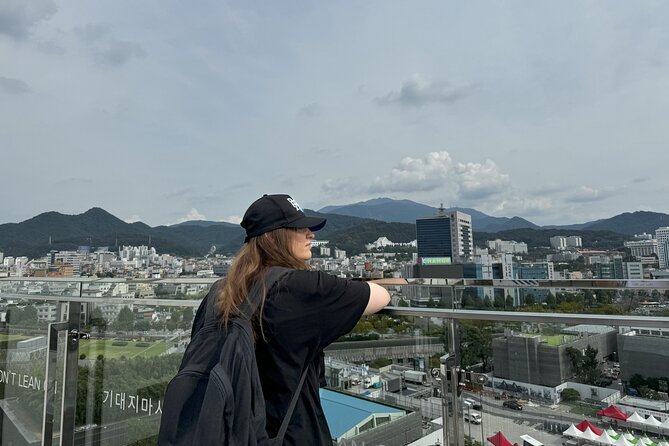
The final stop is May 18 Liberty Park, located on the former site of the Sangmudae military base. During the uprising, martial law troops held key meetings here. The site also relates to events during and after the uprising.
You spend around an hour and 30 minutes at Liberty Park. This stop adds the military side of the story to the citizen-focused locations earlier in the day. It helps you consider how decisions were made, where authority was concentrated, and how the base functioned during this period.
The location gives the tour a useful final chapter. You begin at the citizens’ final stronghold, examine records and bullet marks, pay respects at the cemetery, and then consider the military base connected with the repression. That order gives the day a clear arc.
The wording about events during and after the uprising means this is not merely a visit to an old base. It is part of the wider story of detention, command, and the consequences of the crackdown. Ask questions if you want to connect this stop with the evidence seen earlier.
The tour ends at Kimdaejung Convention Center Metro Station, specifically the north side of the station. That is helpful if you plan to continue around Gwangju or need a public transportation connection after the tour.
What the $95 price covers
The price is $95 per person. For a seven-hour experience with a maximum of five people, private transportation, a local guide, and coffee or tea, I consider the price reasonable for visitors who want a focused historical tour.
The value is not in admission savings. The sites listed have free entry. You are paying for the route, the explanations, the transportation between locations, and the ability to ask questions in a very small group.
A small group matters here. With no more than five people, the guide can better adjust the discussion to your interests. You are less likely to feel like a face in a large crowd, and the subject matter benefits from a quieter setting.
You should also add the cost of lunch and any other personal spending. Group discounts may be available, but the exact discount is not specified, so check the current price when booking.
For comparison, a casual city tour might cover more attractions in less time. This experience gives you fewer themes but treats one subject carefully. If May 18 is a major reason for visiting Gwangju, that focus makes the price easier to justify.
How Veronica’s local perspective shapes the day
Guide Veronica was born and raised in Gwangju. Her local background is one of the clearest reasons to choose this experience instead of exploring the sites alone.
The tour description presents her as personally honored to share this chapter of the city’s past. The available feedback also highlights her kind approach, detailed explanations, organization, and ability to point out less obvious corners and food spots.
I would not expect a lecture delivered from a fixed script. The small group and local guide setup should make it easier to ask about how Gwangju remembers May 18 today, how the sites fit together, and what details you might miss on your own.
Still, this is a history tour, not a general introduction to every part of Gwangju. If you want shopping, nightlife, or a broad city overview, you may need a separate experience. If you want local context around the Democratic Uprising, Veronica’s connection to the city is a strong reason to book.
Timing, transport, and who should book
The tour runs for approximately seven hours, beginning at 10:00 am. The itinerary includes about 30 minutes at Democracy Square, one hour at the Archives, one hour at Jeonil Building 245, 90 minutes for food, 90 minutes at the National Cemetery, and 90 minutes at Liberty Park.
Those stop times add up to about six and a half hours, leaving room for transportation and transitions. The private vehicle is especially useful because the sites are not all clustered in one compact area.
The experience is suitable for most people, and service animals are allowed. It is near public transportation, though the tour itself includes private transportation. The start and end points are different, so plan around that. You begin in central Gwangju and finish at Kimdaejung Convention Center Metro Station.
The tour requires good weather. If poor weather causes cancellation, you can receive a different date or a full refund. For your own plans, it is sensible to avoid placing an important same-day connection immediately after the tour, since the experience lasts approximately seven hours.
This tour suits you best if:
- You want to understand the May 18 Democratic Uprising through actual locations.
- You prefer a small group over a large coach tour.
- You value local food and conversation alongside formal historical sites.
- You are comfortable with serious material about military violence and civilian sacrifice.
- You want private transportation between several parts of Gwangju.
It may not suit you if you want a relaxed sightseeing day with little walking, little discussion, or no additional lunch cost. The experience is focused, emotional, and time-consuming by design.
Should you book the Gwangju May 18 History Tour?
Book this tour if May 18 is central to your interest in Gwangju and you want the sites explained in a connected way. The combination of Democracy Square, archival records, preserved bullet marks, the National Cemetery, and the former military base gives you a fuller picture than a quick visit to one memorial.
The best reasons to choose it are the five-person maximum, Veronica’s local connection, private transportation, and the food stop that keeps the day tied to present-day Gwangju. The main cautions are the serious subject matter, separate lunch costs, and the long seven-hour schedule.
If you have only one day in Gwangju, this is a strong choice for understanding the city’s role in Korea’s democratic struggle. Go with time, attention, and respect. You will leave with more than a list of dates. You will understand why May 18 remains part of Gwangju’s identity.
FAQ
How long does the Gwangju May 18 History Tour last?
The tour lasts approximately seven hours.
What time does the tour begin?
It begins at 10:00 am.
Where does the tour start?
The meeting point is 5.18 Democracy Square on Geumnam-ro, Geumnamno 1(il)-ga, Dong-gu, Gwangju.
Where does the tour end?
The tour ends at the north side of Kimdaejung Convention Center Metro Station in Gwangju.
How many people can join the tour?
The tour has a maximum of five travelers.
Is lunch included?
No. Lunch is not included. You choose your food at Dongmyeong-dong Cafe Street and pay for it separately.
What happens if bad weather cancels the tour?
If poor weather causes cancellation, you will be offered another date or a full refund. You can also cancel up to 24 hours before the start time for a full refund.
Just added around South Korea
- From Seoul: Yongpyong Ski Day Tour with Transportation★ 4.9 · 40 reviews
- You’re Invited to Our Home in Seoul: The Only Cooking Class!★ 5.0 · 8 reviews
- Seoul: Korean & English Language Exchange Global Party★ 5.0 · 28 reviews
- Yeosu: Private Taxi Car Private Charter Tour★ 4.7 · 3 reviews
- Your Personal Seoul Photographer!★ 4.1 · 15 reviews
- Unique Native Experience : Han River Picnic, Board game, BBQ★ 5.0 · 3 reviews
- From Seoul: Hwacheon Ice Fishing and Lighting Festival Tour★ 4.5 · 4 reviews
- Everland Theme Park: Admission Ticket | Korea★ 4.5 · 3 reviews
Historical Tours, compared.
Gyeongju UNESCO World Heritage Guided Day Tour
Read our review →
Gyeongju UNESCO World Heritage Guided Day Tour from Busan
Read our review →
Evening Dark History, Folklore & Ghost Story Walking Tour
Read our review →
Old Korea Thousand History Tour of Gyeongju from Busan
Read our review →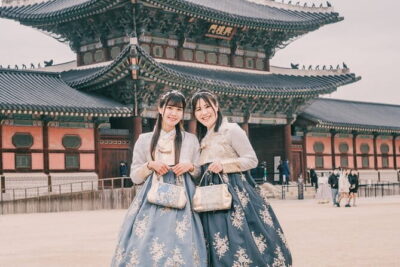
Hanbok Photoshoot and History Tour at Gyeongbokgung Palace
Read our review →
UNESCO Heritage Tour Including Bulguksa Temple
Read our review →
Gyeongju UNESCO World Heritage Sites and History Full-Day Tour with Lunch
Read our review →Browse the lists this tour appears in