
Reviewed · HISTORICAL TOURS
Echoes of Silla Gyeongju Historical Guided Day Tour from Busan
Gyeongju packs 1,500 years of Korean history into one long, well-planned day. This tour moves from Bulguksa Temple and royal tombs to hanok lanes, cafés, an ancient pond, and a glowing bridge, giving you a broad look at the old Silla capital without arranging several separate bus rides.
I like the strong mix of places and the guides. Lucy, Kelvin, Bobby Kim, Amy, Sophie, and Juna are praised for clear explanations, humor, and real enthusiasm for Korean history. I also like that the day ends at Donggung Palace and Wolji Pond, when the water and buildings take on a quieter, more beautiful mood.
The tradeoff is the schedule. Ten to eleven hours is a serious day, and travel between Busan and Gyeongju is included in that total. You will see a great deal, but this is not the tour for lingering over lunch or exploring every café on Hwangnidan-gil.
Key points at a glance
- Six very different stops: Buddhist architecture, a traditional village, royal tombs, modern hanok cafés, a palace pond, and a restored bridge.
- A full day from Busan: The 10 to 11-hour schedule includes transport between sites, so expect a busy outing.
- Strong guide-led storytelling: English and Chinese-speaking staff explain the Silla period and add context at each location.
- The best evening finish: Donggung Palace, Wolji Pond, and Woljeonggyo Bridge give the final part of the day a calmer, scenic feel.
- Good value at $64: Air-conditioned transport and Donggung and Wolji admission are included, while meals and other entry fees are not.
- Up to 43 people: The vehicle may hold a sizable group, so the guide’s organization matters.
Why Gyeongju makes a worthwhile day from Busan
Gyeongju was the capital of Silla, a powerful Korean kingdom that lasted roughly 1,500 years ago. The city still feels different from Busan. Instead of a modern port-city rhythm, you get temple grounds, grassy burial mounds, traditional homes, and old royal sites spread through a quieter provincial setting.
That distance is exactly why a guided day helps. Gyeongju’s sights are not all clustered around one single monument. You need transport, and the historical meaning of one place often makes more sense after you have seen another. A guide can connect the Buddhist art at Bulguksa with the royal tombs and the court life represented by Donggung Palace.
The $64 price is reasonable for a long day that includes an air-conditioned van or coach, staff, and admission to Donggung and Wolji. You still pay for lunch and personal purchases, and other attractions are listed as free admission. The value is less about luxury and more about covering a wide area without having to plan every transfer yourself.
A few more Busan trips to weigh up
- From Busan: Gyeongju UNESCO World Heritage Guided Day Tour
★ 4.8 · 1,250 reviews - Gyeongju UNESCO World Heritage Guided Day Tour from Busan
★ 5.0 · 660 reviews - Old Korea Thousand History Tour of Gyeongju from Busan
★ 5.0 · 518 reviews
Bulguksa Temple: Silla craftsmanship in stone
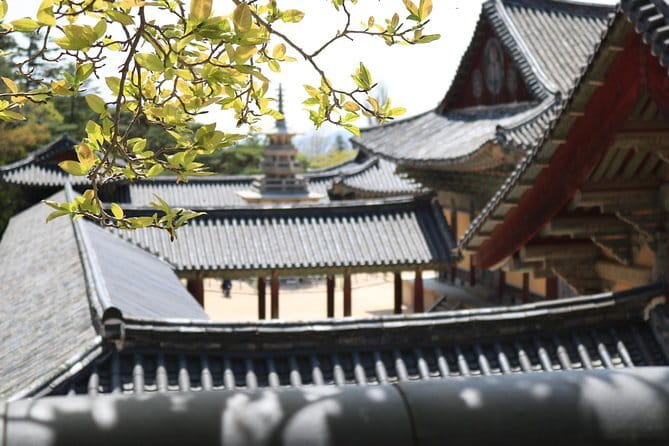
The first major stop is Bulguksa Temple, a UNESCO World Cultural Heritage site and one of Korea’s most important Buddhist temples. The complex was originally built in the eighth century, during the Silla period, and is known for its carefully built stone features and formal temple layout.
You have about 2 hours and 20 minutes here, which is generous compared with a quick photo stop. That gives you time to walk through the grounds, look at the architectural details, and listen to the guide’s explanation without rushing from one gate to the next.
I would pay special attention to the stone stairs, platforms, and balanced arrangement of the temple buildings. Bulguksa is valuable not only because it is old, but because it shows how Silla builders joined religious purpose with careful design. The setting also gives you an early change of pace from Busan’s busy streets.
Admission is listed as free, though the tour includes transport and guiding rather than a private temple program. Wear comfortable shoes. The day includes several walking stops, and starting with more than two hours at Bulguksa means you should conserve some energy for the evening.
Gyochon Traditional Village: homes, family, and daily life
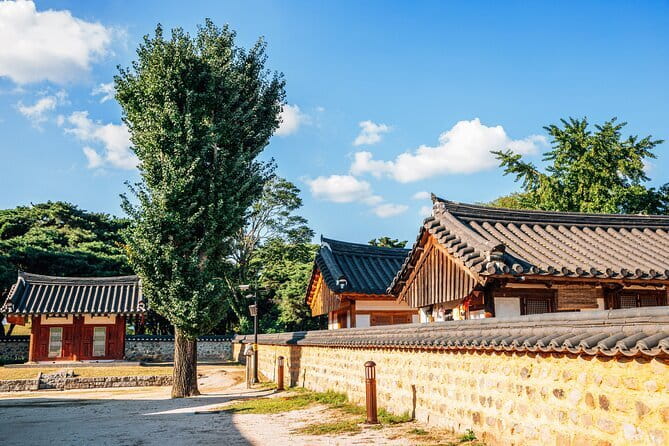
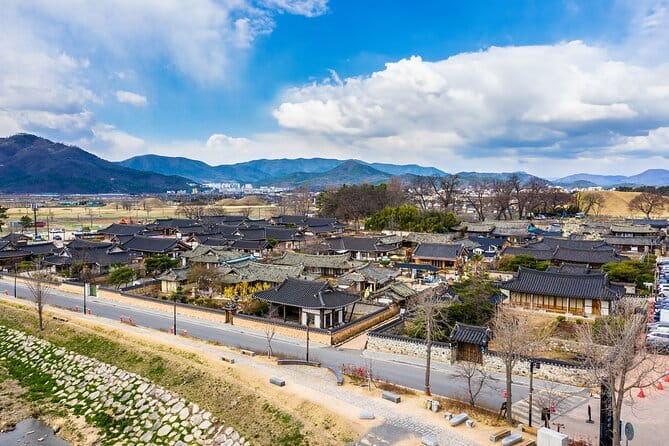
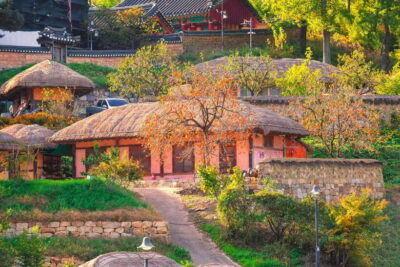
Gyeongju Gyochon Traditional Village shifts the focus from grand religious buildings to traditional homes and family life. The village centers on the Gyeongju Choi Clan, a family known for preserving its wealth over 12 generations and producing influential figures.
The tour allows about 1 hour and 40 minutes here. That is enough time to walk among hanok houses, see how the village is arranged, and explore the traditional crafts and lifestyle displays mentioned for the stop. The appeal is quieter and more personal than Bulguksa.
I like this part because it helps keep the day from becoming a parade of monuments. You are not only looking at royal and religious sites. You are also seeing the kind of traditional setting that gives Gyeongju its distinct character today.
The village may feel more open-ended than the temple. There is no single dramatic viewpoint that explains the whole stop at once, so listen closely when the guide explains the Choi Clan and the houses. That background turns an attractive walk into a useful history lesson.
Daereungwon Tomb Complex: walking among Silla royal mounds
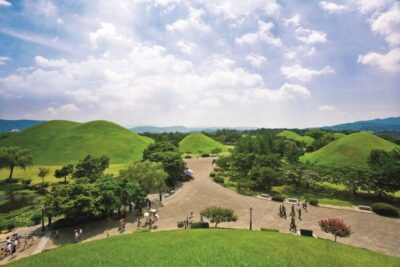
Daereungwon is also called the Park of Royal Tombs. The complex contains 23 tombs built during the Silla dynasty, with broad grassy mounds rising above the surrounding paths.
You get about 50 minutes here, enough for a focused walk and an explanation of why the tombs matter. The scale is striking, but the site is not a museum-packed stop. Its power comes from the shape and number of the burial mounds and from knowing that these were built for members of Silla’s ruling class.
Cheonmachong, one of the tombs, has particular historical value and is identified as a key point within the complex. The supplied details do not specify how much interior access is included on this tour, so treat the stop as a guided visit to the tomb area rather than assuming a long museum visit.
This is a good place to notice how Gyeongju handles ancient remains in an open city setting. You can walk through a green park and then soon be back near cafés and shops. That close connection between ordinary city life and royal burial grounds is one of Gyeongju’s most memorable features.
Same country, a completely different kind of day:
- Busan: Gyeongju Guided Day Trip to Three Kingdoms Capital
★ 4.8 · 1,925 reviews - Small Group Full Day Busan Tour (Max 6 Pax)
★ 5.0 · 1,464 reviews - Busan Private Tour with licensed tour guide + private vehicle
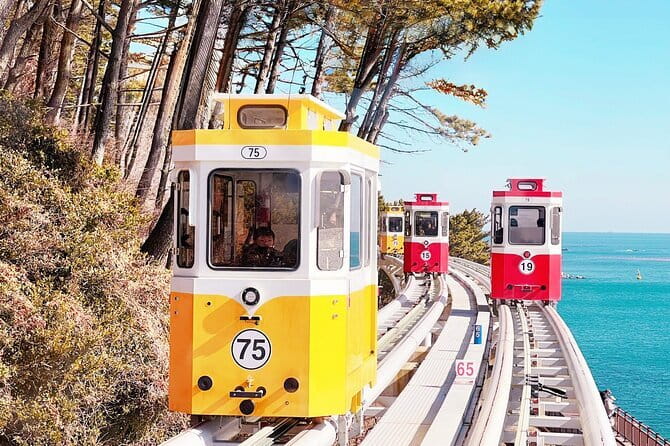
★ 5.0 · 1,143 reviews - Busan: Coastal Treasures Beach Train, Culture Village & More
★ 4.7 · 832 reviews
Hwangnidan-gil: modern Gyeongju beside ancient tombs
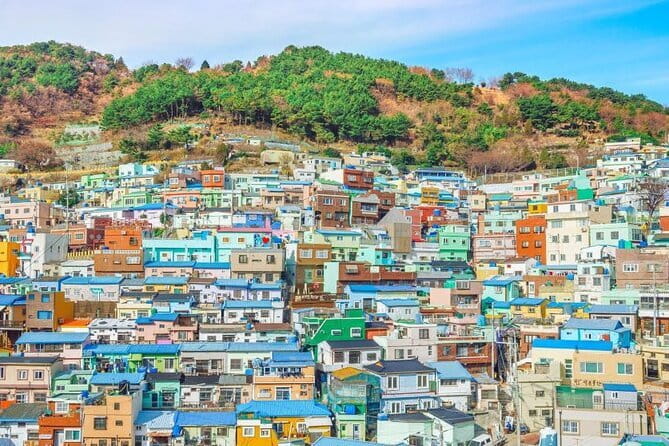
Next door to Daereungwon, Hwangnidan-gil brings a younger, more current side of the city into the day. The street blends old-style hanok buildings with specialty coffee shops, food stalls, restaurants, and small shops.
The scheduled hour gives you time to stroll and choose a snack or drink, but not enough for a leisurely food tour. Lunch is not included in the price, and the day’s information describes a relaxing lunch amid historic surroundings rather than a specific restaurant or set menu. Plan to use the available break sensibly and keep an eye on the meeting time.
This is also the easiest stop to make your own. You can look for local treats, sit briefly in a hanok café, or simply enjoy the contrast between the traditional rooflines and the newer businesses. If shopping and cafés are a major reason for visiting Gyeongju, you may wish the schedule allowed longer here.
Still, one hour is a fair compromise in a six-stop day. Hwangnidan-gil adds texture without letting modern leisure take over the historical focus.
Donggung Palace and Wolji Pond after dark
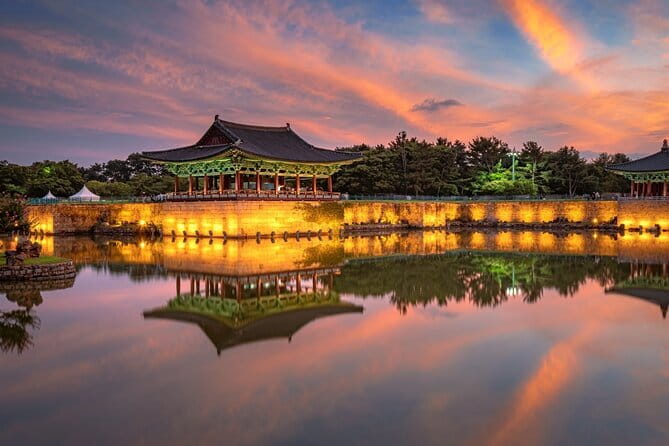
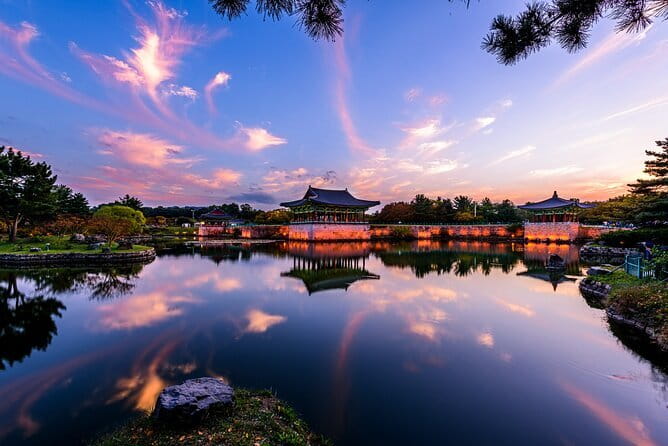
The final major historical stop is Donggung Palace and Wolji Pond. The pond was first constructed in 674 as an artificial pond in what is now Gyeongju National Park. It was temporarily drained in 1972, when thousands of Silla artifacts that had fallen into the water were found.
You have about 40 minutes here, and admission is included. The timing matters. The tour description places this stop as evening approaches, when the palace buildings and pond can be viewed in a more peaceful setting. The visit is short, so you will want to stay with the guide’s route and save photography for the key viewpoints.
Donggung and Wolji offers a different feeling from Bulguksa and Daereungwon. Those sites show stone temples and burial mounds. Here, water, court buildings, and reflections help you picture royal life and formal nighttime gatherings during the Silla era.
Forty minutes will not cover every corner, but it works well as part of a broader day. The included admission also improves the value, since you do not need to handle another ticket while the group is moving on a fixed evening schedule.
Woljeonggyo Bridge: a photogenic final walk
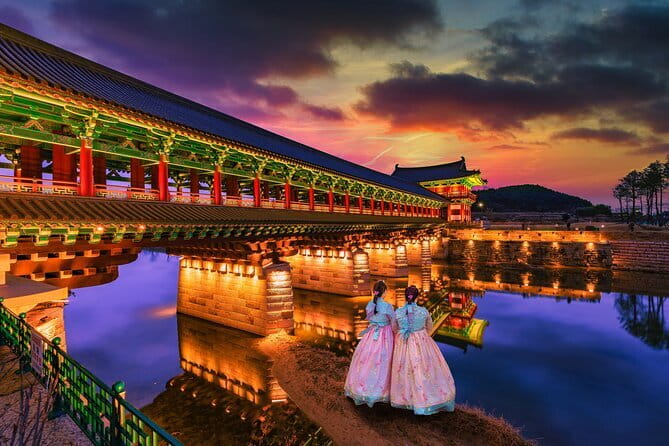
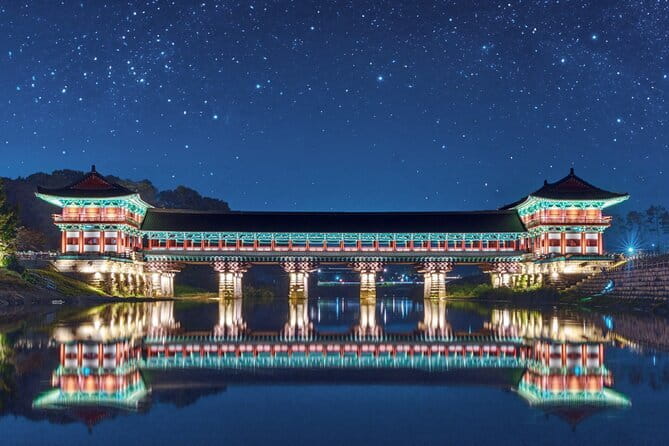
The last stop is Woljeonggyo Bridge, a historic crossing over Woljeongcheon Stream. Its stone arches reflect old engineering methods, and the bridge is especially suited to an evening visit when it is illuminated.
The scheduled time is only 20 minutes, so think of this as a compact photo walk rather than a long exploration. The short visit is enough to cross or view the bridge and take in its position over the stream, but you will not have much spare time if the group is moving together.
Ending here is smart. After a day of temples, tombs, and explanations, a brief walk across a lit bridge gives you a simple final image of Gyeongju. It is less about another long lecture and more about seeing the city’s old architecture in a calm nighttime setting.
Guides and group size: what shapes the day
The guide can make or break a history-heavy tour. The named guides associated with strong experiences include Lucy, Kelvin, Bobby Kim, Amy, Sophie, and Juna. Their reported strengths are consistent: clear English, lively storytelling, organization, humor, and obvious pride in Korea.
Bobby Kim is described as talkative and especially passionate when explaining the places on the route. Sophie is noted for strong English, friendliness, and keeping the group together. Lucy is praised for making the day interesting and witty, while Juna is credited with keeping history fun rather than dry.
The tour uses English or Chinese-speaking staff, depending on the group arrangement. Confirmation is provided when you book, and the experience is near public transportation. The maximum group size is 43, which means this may feel more like a coach outing than a private tour.
That size has two sides. You benefit from a lower price and a practical route, but you should expect group meeting points and a set pace. The itinerary can also change with traffic and weather. Since Busan to Gyeongju is a substantial outing, delays may reduce free time at later stops.
How tiring is the 10 to 11-hour schedule?
This is a full-day commitment, not a short regional excursion. Travel from stop to stop is part of the total duration, but you still have six stops and several walking sections.
The schedule gives the most time to Bulguksa and Gyochon Village, then shorter visits at the tombs, Hwangnidan-gil, Donggung and Wolji, and Woljeonggyo Bridge. The design moves from daytime sightseeing to evening views, which makes the day feel varied, but it leaves little room for wandering off-route.
I would book it early in your Busan stay if Gyeongju is important to you, giving yourself another day afterward for slower sightseeing. Bring comfortable footwear, water, and a little cash or a payment card for lunch and personal purchases. These are practical choices for any long walking day, especially one with fixed departure times.
Who should book this Gyeongju tour?
I would choose this tour if you want a broad introduction to Silla history and prefer having transport and explanations handled for you. It suits first-time Gyeongju visitors, history fans, couples who want a full day outside Busan, and anyone who would rather not connect several local journeys alone.
It is also a good choice if you want variety. Bulguksa gives you major Buddhist architecture. Gyochon offers traditional homes and family history. Daereungwon shows royal burial customs. Hwangnidan-gil adds food and café culture. Donggung and Wolji and Woljeonggyo Bridge finish with water, palace architecture, and evening light.
I would hesitate if you dislike fixed schedules, large groups, or long days. The 43-person maximum is worth noting, and the evening stops have short time allowances. Independent visitors who want to spend half a day at one temple or linger over cafés may prefer arranging Gyeongju on their own.
Booking value and practical limits
At $64 per person, the tour offers a strong amount of sightseeing for the price. Air-conditioned transport matters here because the route covers multiple parts of Gyeongju, and Donggung and Wolji admission is included.
Meals are not included, nor are personal expenses, insurance, or admission fees beyond Donggung and Wolji. The other listed stops have no admission charge, so your extra spending is mainly lunch, drinks, snacks, and shopping.
Free cancellation is available if you cancel at least 24 hours before the local start time. Changes or cancellations made within 24 hours are not accepted for a refund. That policy is fairly strict, so check your Busan plans before committing.
Final verdict: a strong first look at Silla Gyeongju
Book this tour if you want to see the main sides of Gyeongju in one day and value a guide who can connect temples, tombs, villages, and palace sites. The strongest reasons are the varied route, included transport, evening finish, and guides such as Lucy, Sophie, Bobby Kim, and Juna, whose storytelling adds much of the tour’s character.
Skip it if you want a slow, independent day or dislike spending ten to eleven hours on a group schedule. For most visitors based in Busan, though, $64 is a sensible way to reach Korea’s old Silla capital and come away with more than a collection of disconnected photographs.
FAQ
How long does the Gyeongju tour from Busan last?
The tour lasts approximately 10 to 11 hours. Travel between each stop is included in the total duration.
What language is the tour offered in?
English-speaking and Chinese-speaking staff are included. The specific guide and language arrangement is confirmed at booking.
What attractions are included in the route?
The tour visits Bulguksa Temple, Gyochon Traditional Village, Daereungwon Tomb Complex, Hwangnidan-gil Street, Donggung Palace and Wolji Pond, and Woljeonggyo Bridge.
Is admission included?
Admission to Donggung Palace and Wolji Pond is included. The other listed stops are shown with free admission. Personal expenses and other costs are not included.
Are meals included?
No. Meals are not included, so you must pay for lunch and any drinks or snacks yourself.
How many people can join the tour?
The maximum group size is 43 people. Transport is provided by air-conditioned van or coach.
Can I cancel for a full refund?
Yes, if you cancel at least 24 hours before the experience start time. Cancellations or changes made less than 24 hours before the start time are not accepted for a refund.
Just added around Busan
- Real Busan Walking Experience★ 5.0 · 27 reviews
- 7 Highlights Gyeongju City One Day Small Group Tour from Busan★ 5.0 · 24 reviews
- Full Day Private car tour to UNESCO Gyeongju&Yangdong village★ 5.0 · 5 reviews
- Suncheon and Yeosu Daily Private Tour with Pickup Service★ 5.0 · 3 reviews
- Visit Busan night market and enjoy the night view of Busan harbor★ 5.0 · 6 reviews
- Suncheon one day tour from Seoul, Busan or Suncheon★ 5.0 · 3 reviews
- Busan Highlights Shore Tour – Cruise Return Assured★ 4.5 · 34 reviews
- Busan Beomeosa Temple & Hongbeopsa Temple with temple lunch★ 5.0 · 11 reviews
Historical Tours, compared.
Gyeongju UNESCO World Heritage Guided Day Tour
Read our review →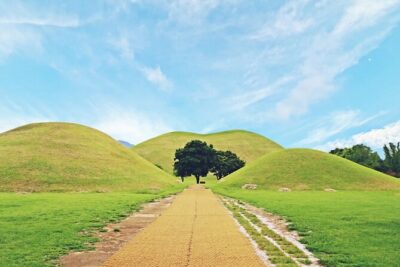
Gyeongju UNESCO World Heritage Guided Day Tour from Busan
Read our review →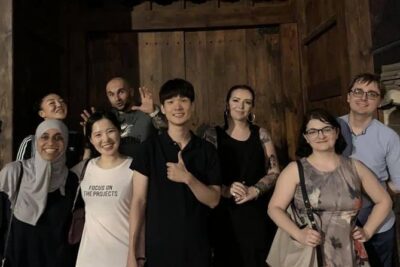
Evening Dark History, Folklore & Ghost Story Walking Tour
Read our review →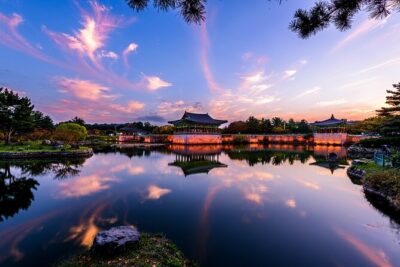
Old Korea Thousand History Tour of Gyeongju from Busan
Read our review →
Hanbok Photoshoot and History Tour at Gyeongbokgung Palace
Read our review →
UNESCO Heritage Tour Including Bulguksa Temple
Read our review →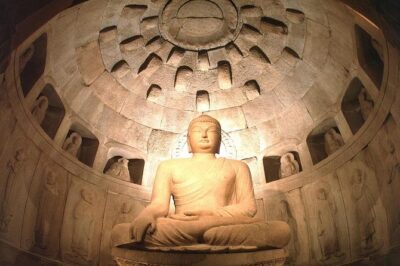
Gyeongju UNESCO World Heritage Sites and History Full-Day Tour with Lunch
Read our review →Browse the lists this tour appears in