
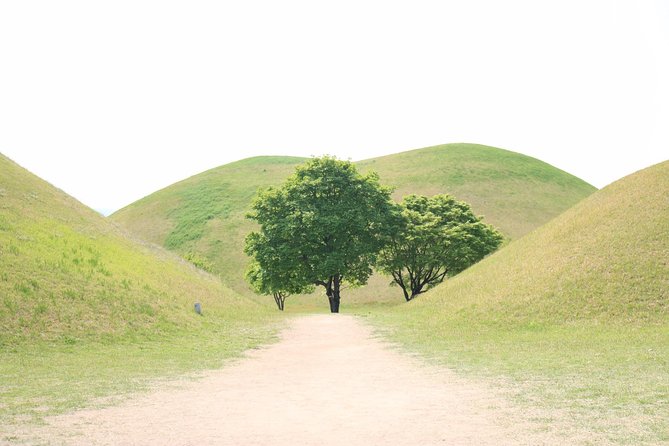
Reviewed · UNESCO WORLD HERITAGE TOURS
Korean UNESCO World Heritage Tour including Gyeongju, Andong and Daegu(2N3D)
Korea’s ancient treasures come into focus on this three-day route from Busan. You move from the Silla royal capital at Gyeongju to Andong’s traditional village life, then on to Haeinsa’s precious Buddhist scriptures and Daegu’s herbal medicine quarter. I like the private vehicle and hotel pickup, which save you from piecing together long regional journeys. I also like the chance to shape the pace with your own guide, rather than follow a large group.
The main drawback is cost: $988.49 per person is a serious outlay, and it does not include two nights of accommodation in Daegu or lunch. You also cover a lot of ground in three days, so this works best for you if seeing several major sites matters more than lingering in one town.
Key things to know before booking
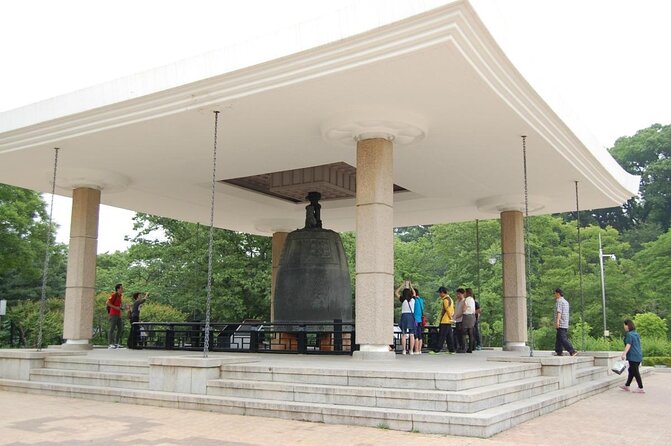
- Seokguram and Bulguksa share UNESCO status: Begin with Korea’s most important Buddhist sights, including Bulguksa’s famous stone pagodas and Seokguram’s sculpted grotto.
- Gyeongju gives you the strongest history day: Cheonmachong Tomb and the Gyeongju National Museum bring the Silla Kingdom into clearer view.
- Andong adds living tradition: Hahoe Folk Village, the folk museum, and a short soju visit give the second day a different feel.
- Haeinsa holds the Tripitaka Koreana: The temple is the spiritual high point for many people, set in Gaya Mountain.
- Private transport is the practical advantage: Hotel pickup, a private air-conditioned minivan, bottled water, and Wi-Fi are included.
- Budget for two Daegu hotel nights and meals: Those costs are separate, so compare the total price rather than the tour fee alone.
Why this route works from Busan
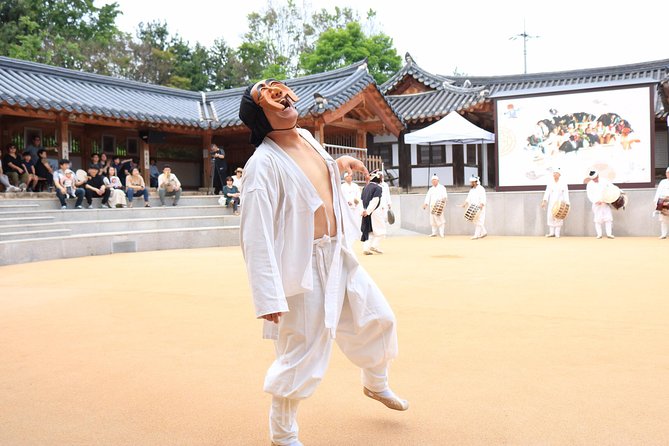
South Korea’s best historic sites are spread across the southeast. Busan is a useful base for the first pickup, but Gyeongju, Andong, Haeinsa, and Daegu are not places you can cover easily with one or two simple train rides.
The private minivan solves that problem. You are collected at your hotel at about 8:00 am each day, then driven between stops without changing buses or working out Korean-language transport connections. Wi-Fi onboard is a small but useful touch during the longer stretches.
The private format matters most for families and small groups. You can ask for more time at a museum, move along when a stop has run its course, and adjust the day within reason. The operator also offers group discounts, so the per-person value improves as your party grows.
The route is full, but not absurdly packed. Listed sightseeing time adds up to several hours each day, with travel between cities taking a meaningful part of the schedule. You should expect a touring holiday, not a slow village stay.
More UNESCO World Heritage Tours in Busan
- From Busan: Gyeongju UNESCO World Heritage Guided Day Tour
★ 4.8 · 1,250 reviews - Gyeongju UNESCO World Heritage Guided Day Tour from Busan
★ 5.0 · 660 reviews - From Busan to Gyeongju UNESCO Legacy Tour with National Museum
★ 5.0 · 87 reviews
Day 1: Seokguram and Bulguksa in Gyeongju
The first day focuses on Gyeongju, the old capital of the Silla Kingdom. Begin at Seokguram, a mountain hermitage linked to Bulguksa Temple and protected as part of the same UNESCO World Heritage designation.
The grotto is known for its Buddhist sculptures and its outlook toward the East Sea. The scheduled visit lasts about an hour, and admission is included. This is a quiet, concentrated stop, with the carved Buddha as the main focus rather than a large complex of buildings.
You then continue to Bulguksa, whose name means Temple of the Buddha Land. It is Korea’s best-known Buddhist temple and contains important Silla-era features, including the stone pagodas Dabotap and Seokgatap.
Allow about 70 minutes here. That gives you enough time to see the principal structures and hear how the temple fits into Silla religious culture, though it is not enough for a long, unhurried study of every corner. I would pay close attention to the stonework. The temple is not only a place of worship, but also a lesson in how Silla builders used stairs, bridges, courtyards, and pagodas to express Buddhist ideas.
For many people, the two morning stops are the strongest part of the tour. They provide the ancient setting that makes Gyeongju feel so different from modern Korean cities. One practical point: Seokguram and Bulguksa are active religious sites, so sensible clothing and respectful behavior are appropriate.
Cheonmachong Tomb and the Silla collection
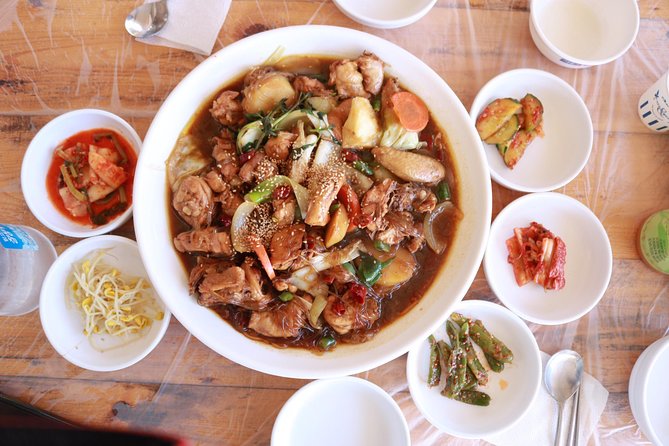
After the temple visit, the route turns to Cheonmachong Tomb, also called the Heavenly Horse Tomb. The name comes from a painting of a heavenly horse found during excavation in 1973.
The tomb belonged to an unknown Silla king. Its importance is not just the mound itself, but the chance to understand how royal burials worked and why Gyeongju is filled with large grassy tombs. You have about 70 minutes here, enough to take in the site and its archaeological meaning.
The Gyeongju National Museum follows, with about 80 minutes inside. The museum houses around 3,000 Silla relics, including King Seongdeok’s Bell, also known as the Emille Bell, and other national treasures.
This museum stop gives useful context that the outdoor sites cannot. You see the objects removed from tombs and temples, then connect them to the places you have just visited. If you are especially interested in Korean art or archaeology, you may wish for more time here. The guide can help you focus on the most important displays rather than trying to see everything.
Day 1 is a good balance of sculpture, architecture, royal burial customs, and museum pieces. It is also the day most centered on a single historical period, which makes the story easier to follow.
Day 2: Hahoe Folk Village and Andong traditions
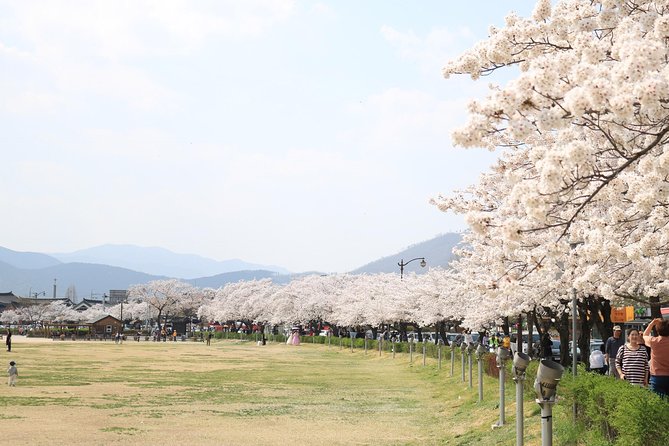
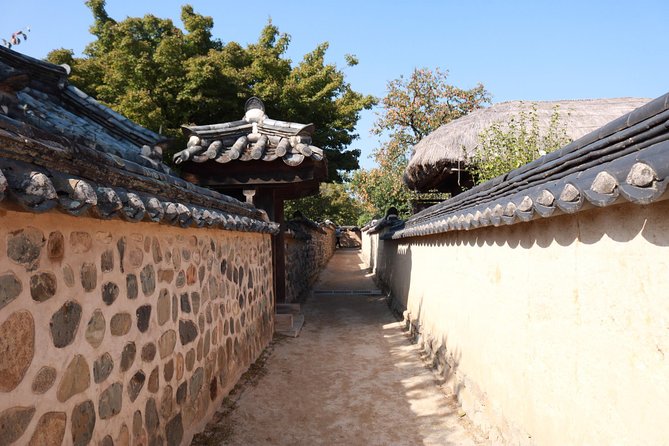
Andong changes the subject from royal Silla to traditional Korean life and Confucian culture. The main stop is Andong Hahoe Folk Village, a UNESCO World Heritage site known for its preserved houses and its connection to descendants of the Pungsan Ryu clan.
You have three hours here, the longest single visit on the tour. That is important because a traditional village needs time. You can look at the houses, walk through the lanes, and get a sense of how the settlement was arranged rather than treating it as a quick photo stop.
Hahoe is more than an old collection of buildings. It represents a continuing family and community tradition. Your guide can help explain what you are seeing, since traditional homes and clan settlements may otherwise look like a pleasant but confusing group of courtyards and tiled roofs.
The village is one of the best reasons to choose this tour instead of a route limited to temples. The setting brings social customs, family structure, and architecture into the story. Still, the experience is outdoors and involves walking, so comfortable shoes are sensible.
The Andong Folk Museum comes next, with about an hour scheduled. Andong is strongly associated with Confucian culture, and the museum presents past lifestyles and important ceremonies. This is another useful context stop, especially after Hahoe.
I would treat the museum as a supplement to the village rather than the main event. If you prefer historical explanation and exhibits, you may value it highly. If you mainly want streets, homes, and local atmosphere, the three hours at Hahoe will likely be the highlight.
Same country, a completely different kind of day:
- Busan: Gyeongju Guided Day Trip to Three Kingdoms Capital
★ 4.8 · 1,925 reviews - Small Group Full Day Busan Tour (Max 6 Pax)
★ 5.0 · 1,464 reviews - Busan Private Tour with licensed tour guide + private vehicle
★ 5.0 · 1,143 reviews - Busan: Coastal Treasures Beach Train, Culture Village & More
★ 4.7 · 832 reviews
A short stop at the Andong Soju Museum
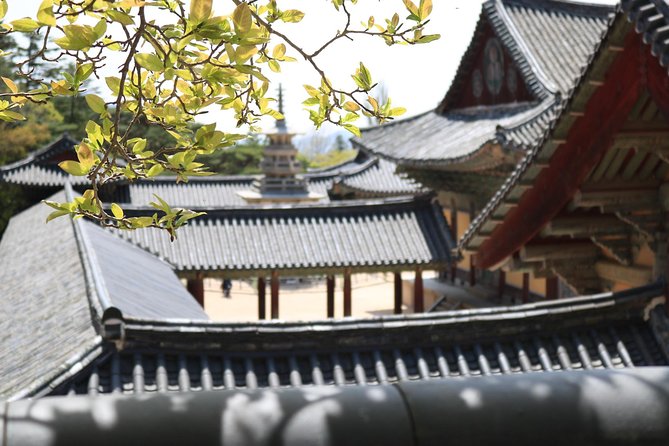
The Andong Soju Museum takes about 30 minutes. Andong soju is one of Korea’s traditional liquors, and the museum explains how it is made. You can also see local foods and taste the soju.
This is a compact stop, but it adds something the temples and museums cannot: a look at food and drink as part of local identity. The tasting is included according to the tour details, but you should advise the operator in advance if you need a vegetarian option for meals.
Do not expect a long food tour. The visit is brief, and lunch is not included anywhere on the three-day program. You will need to plan meals with your guide as the day unfolds. That flexibility can be useful, but it also means you should not assume every meal is arranged for you.
Day 3: Haeinsa Temple and the Tripitaka Koreana
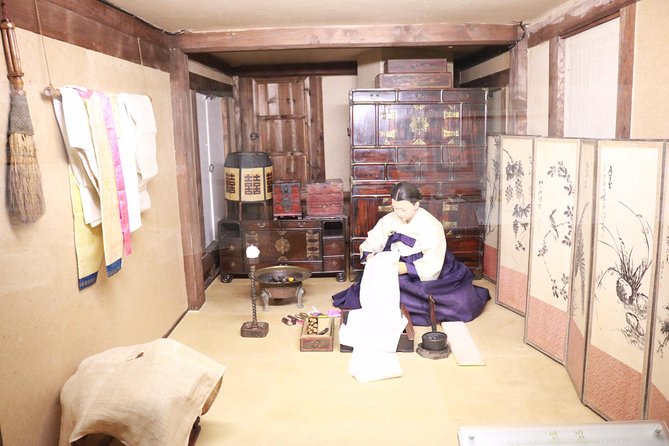
Haeinsa Temple is the major stop on the final day. Located in Gaya Mountain, it is one of Korea’s Three Jewel Temples and the home of the Goryeo Daejanggyeong, commonly called the Tripitaka Koreana.
The Tripitaka Koreana is a vast set of Buddhist woodblocks, and the temple is best known for preserving them. The scheduled visit lasts about 90 minutes. That is enough for a guided introduction and a look at the temple grounds, though the importance of the woodblocks deserves careful attention.
The setting is part of the appeal. Haeinsa feels more remote and contemplative than the urban stops later in the day. A misty morning can make the temple particularly atmospheric, but weather is never guaranteed. The key value is the combination of religious importance, historic preservation, and mountain surroundings.
This stop may be the spiritual high point of the trip. Gyeongju gives you royal and Buddhist monuments, while Haeinsa shows how Korean Buddhism protected its texts and institutions over time.
As with Bulguksa, do not rush through the temple buildings simply to reach the most famous object. Look at the layout, wood construction, and quiet pace of the grounds. Your guide’s explanation is especially useful here because the significance of the Tripitaka Koreana is easy to underestimate if you only see it as a protected collection.
Daegu’s herbal medicine quarter
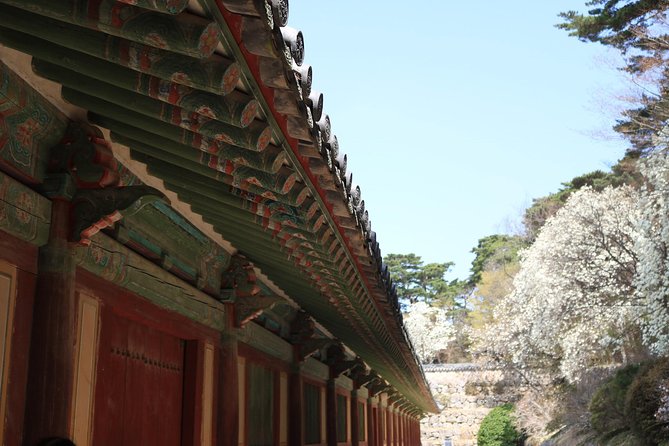
Back in Daegu, you visit Yangnyeongsi, the city’s traditional herbal medicine area. The stop lasts about 40 minutes and includes the museum, where you can learn about traditional medical care and see different herbs.
This is a short urban visit, but it broadens the tour beyond palaces and temples. Korean history also includes medicine, trade, and daily health practices. Walking through the area gives you a glimpse of that tradition in a city setting.
The stop will appeal most if you enjoy local customs and unusual specialist districts. If your main interest is architecture, it may feel less memorable than Haeinsa or Bulguksa. The limited time also means you should see it as an introduction, not a full study of Korean medicine.
Finishing at Seomun Market
The final stop is Seomun Market, one of Korea’s largest and liveliest markets. You have about 50 minutes, and there is no separate admission charge.
This is where the tour ends on an everyday note. You can look for local food, clothing, and fashion items, and get a feel for Daegu’s commercial life. It is a welcome change after days of tombs, temples, and museums.
Fifty minutes is enough for a walk and perhaps a snack, but not enough for a leisurely market meal and serious shopping. Since lunch is not included, ask your guide how to use the stop for food if your schedule allows. The market may be your best chance to choose what you want to eat rather than accept a fixed restaurant arrangement.
What the $988.49 price really covers
At $988.49 per person, this is not a budget sightseeing option. The fee includes a private air-conditioned minivan, driver-guide, professional guide service, bottled water, onboard Wi-Fi, hotel pickup and drop-off, private transport, and entrance tickets for the listed attractions.
That bundle has real value if you are traveling as a family or small group and would otherwise need several intercity transfers, taxis, admission fees, and translation help. The time saved can be substantial, especially for Haeinsa and Hahoe Village, which are not simple add-ons to a Busan visit.
The calculation looks less attractive for a solo visitor or couple on a tight budget. Two nights in Daegu are not included, and neither is lunch. You should add those expenses before comparing this tour with independent travel.
The private service is also what you are paying for. You are not buying a cheap seat on a bus. You are paying to have the route arranged, to avoid finding meeting points, and to receive undivided attention from a guide. The tour is most sensible when convenience and access matter more than keeping the daily cost low.
Who should choose this three-day tour
I would recommend it to first-time visitors who want a strong introduction to Korean history without managing complicated transport. It is also a good fit for families, older visitors, and groups with limited time in the southeast.
You will get the most from it if you enjoy temples, archaeology, museums, traditional villages, and local food culture. The route offers several UNESCO-listed places, but it does not treat them all as interchangeable. Gyeongju is about Silla, Andong is about traditional community life, and Haeinsa is about Buddhist preservation.
You may want another plan if you prefer slow travel, nightlife, or long meals. The schedule moves on after each stop, and the final day includes three different Daegu experiences. Ask in advance about guide availability if you specifically hope to travel with Peter, a guide associated with this service.
Vegetarian arrangements are available if you request them at booking. Most people can participate, but you should be ready for walking at temples, village sites, and the market. The activity starts around 8:00 am, and pickup is offered from hotels.
Free cancellation is available up to 24 hours before the start time. Changes or cancellations made inside that window are not refunded, so check the local start time carefully.
Should you book it?
Book this tour if you want to connect Korea’s major historic sites in three days and value a private vehicle, hotel pickup, and help across the language barrier. The strongest moments are likely to be Bulguksa, Hahoe Folk Village, and Haeinsa, with the Gyeongju museum adding welcome depth.
Skip it if $988.49 feels too high after adding hotels and meals, or if you want to spend several hours at each site. For a small group that would struggle with regional transport, though, the price buys far more than admission tickets. It buys a practical route through Korea’s southeast, with enough explanation to make the temples, tombs, village, and market fit together.
FAQ
Where does the tour start?
The tour starts in Busan, with hotel pickup offered at about 8:00 am.
How long does the tour last?
The experience lasts approximately three days and includes two nights in Daegu, though the accommodation itself is not included.
Is this a private tour?
Yes. Only your group participates, and transport is provided by private air-conditioned minivan.
Are entrance tickets included?
Yes. Admission is included for the listed stops, including Seokguram, Bulguksa Temple, Cheonmachong Tomb, the Gyeongju National Museum, Hahoe Folk Village, the Andong Folk Museum, the Andong Soju Museum, Haeinsa Temple, and the Daegu Yangnyeongsi museum area.
Are hotels included in the price?
No. Two nights of accommodation in Daegu are not included. The operator can provide information and recommend places to stay.
Is lunch included?
No. Lunch is not included, so you should plan meals with your guide during each day.
Is a vegetarian option available?
Yes. A vegetarian option is available, but you must advise the operator when booking.
What is included besides transport and admission?
The package includes bottled water, a driver-guide, professional guide service, hotel pickup and drop-off, private transport, an air-conditioned minivan, and Wi-Fi onboard.
More Historical Tours in Busan
- Old Korea Thousand History Tour of Gyeongju from Busan
★ 5.0 · 518 reviews - Busan history and market food tour with local chef
★ 5.0 · 58 reviews - From Busan: Echoes of Silla Gyeongju Historical Day Tour
★ 4.8 · 55 reviews - Gyeongju Historic Areas Day Tour with Sky Capsule from Busan
★ 5.0 · 18 reviews
Just added around Busan
- Real Busan Walking Experience★ 5.0 · 27 reviews
- 7 Highlights Gyeongju City One Day Small Group Tour from Busan★ 5.0 · 24 reviews
- Full Day Private car tour to UNESCO Gyeongju&Yangdong village★ 5.0 · 5 reviews
- Visit Busan night market and enjoy the night view of Busan harbor★ 5.0 · 6 reviews
- Suncheon and Yeosu Daily Private Tour with Pickup Service★ 5.0 · 3 reviews
- Busan Highlights Shore Tour – Cruise Return Assured★ 4.5 · 34 reviews
- Suncheon one day tour from Seoul, Busan or Suncheon★ 5.0 · 3 reviews
- Busan Beomeosa Temple & Hongbeopsa Temple with temple lunch★ 5.0 · 11 reviews
UNESCO World Heritage Tours, compared.
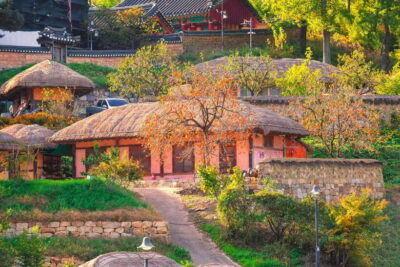
Gyeongju UNESCO World Heritage Guided Day Tour
Read our review →
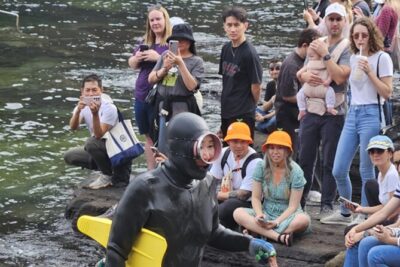
East Jeju Essentials – Seongsan Ilchulbong (UNESCO) & Haenyeo
Read our review →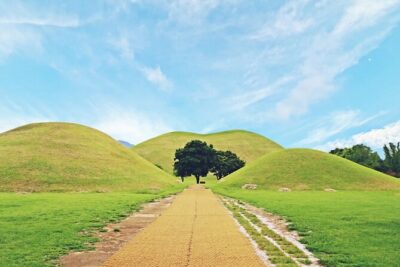
Gyeongju UNESCO World Heritage Guided Day Tour from Busan
Read our review →
Jeju Southern UNESCO Full Day Tour with Mt.Halla
Read our review →
Jeju island Southern UNESCO Day Tour With Hallasan MT
Read our review →Browse the lists this tour appears in