
Reviewed · HISTORICAL TOURS
Gyeongju Historic Areas Day Tour with Sky Capsule from Busan
The best thing about this day tour is its range. You start above Busan’s coast in a slow-moving Sky Capsule, then shift to a seaside temple before reaching Gyeongju, Korea’s former Silla capital. I like that one booking connects places that would be awkward to combine by public transport in a single day.
I also like the useful mix of guided sightseeing and free time. Guides such as Tomy and DK give you the main story, then let you explore on your own. The catch is the pace: 11 to 12 hours is a long day, and traffic or weather can change the order and timing.
Key points at a glance
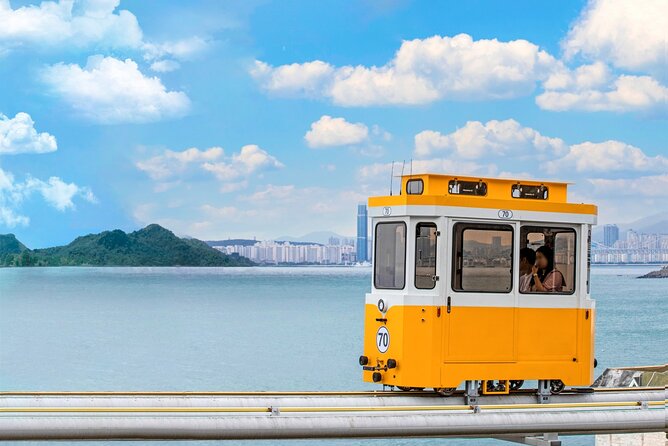
- Ride the Sky Capsule from Mipo: Travel 4.8 kilometers along Busan’s former railway line, with coastal views from a colorful elevated capsule.
- Eat around Cheongsapo or Mipo: You get about 1 hour and 20 minutes for lunch and personal spending, but meals are not included.
- Visit a rare seaside temple: Haedong Yonggungsa sits beside the shore instead of in a mountain valley.
- See two sides of Gyeongju: Bulguksa represents Silla Buddhist design, while Hwangnidan-gil brings cafés, food, and shops into old-style streets.
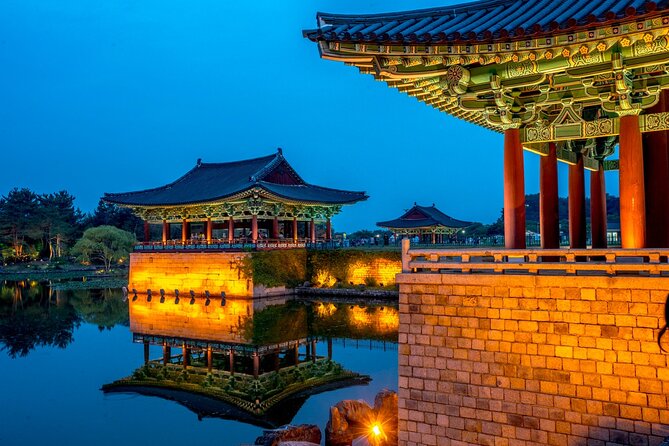
- End beside a palace pond: Donggung and Wolji are especially well suited to the day’s final stop at dusk.
- Expect a full group tour: Round-trip transport and admissions are covered, with a maximum group size of 43 and shared Sky Capsule seating possible.
Why this Busan to Gyeongju combination works
Busan and Gyeongju offer very different travel experiences. Busan is a coastal city shaped by modern transport, cafés, and sea views. Gyeongju is quieter in feel, with tombs, temples, palace remains, and relics from the Silla Dynasty.
Seeing both in one day gives you a useful first look at southeastern Korea. You will not have hours to linger at any one site, but you will cover the major contrasts without arranging several separate tickets or working out transfers between Busan, the coast, and Gyeongju.
The tour lasts roughly 11 to 12 hours, including driving. That matters. You should treat it as a full sightseeing day, not a relaxed outing with plenty of spare time. I would choose it when your Busan stay is short and you want a broad introduction to Gyeongju. If you have several days in the region, staying overnight in Gyeongju would give you more time and quieter visits.
The group can reach up to 43 people. That keeps the price reasonable, but it also means meeting points, head counts, and loading the vehicle take time. The guide’s role matters here. Tomy is praised for giving clear highlights, allowing independent time, and adding extra photo stops when possible. DK is described as informative and attentive to the group’s comfort.
A few more Busan trips to weigh up
- From Busan: Gyeongju UNESCO World Heritage Guided Day Tour
★ 4.8 · 1,250 reviews - Gyeongju UNESCO World Heritage Guided Day Tour from Busan
★ 5.0 · 660 reviews - Old Korea Thousand History Tour of Gyeongju from Busan
★ 5.0 · 518 reviews
The Sky Capsule from Mipo to Cheongsapo
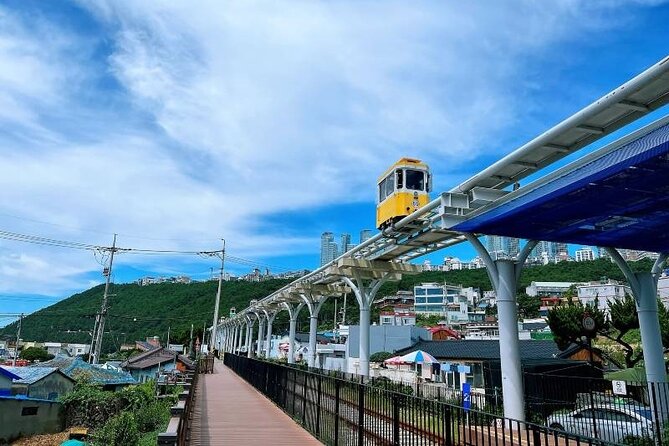
The day begins at Haeundae Blueline Park, where an old railway route has been remade for sightseeing. The line runs 4.8 kilometers from Haeundae Mipo through Cheongsapo toward Songjeong. This tour includes the Sky Capsule ticket and schedules about 50 minutes for the ride from Mipo Station.
The capsule moves slowly, which is exactly the point. You are not rushing from one photo stop to the next. Instead, you get a steady view of the Busan shoreline from above the former track, with time to take in the sea and nearby coast.
Sky Capsules hold up to four people, and your capsule may be shared with other members of the group. If you want a private ride, do not assume that it is included. The attraction’s popularity also means the actual boarding time can be adjusted on the day.
Weather matters here. Coastal views depend on the conditions, and wind, rain, or operating changes can affect the schedule. Still, this is a memorable way to begin because it gives you a different view of Busan than a standard coach transfer.
I would keep your phone or camera ready, but do not spend the full ride staring at a screen. The capsule is short enough that you can enjoy the view first and take a few photos without turning the experience into a photo chore.
Lunch time around Cheongsapo or Mipo
After the Sky Capsule, you have about 1 hour and 20 minutes around Cheongsapo or Mipo. Lunch is at your own expense, so this is a flexible break rather than a set meal included in the tour price.
That flexibility is useful. You can choose what suits your budget and appetite, and you can use the time for a quick meal, a drink, or a look around the coastal area. It also means you should not expect the guide to provide a fixed restaurant experience.
Keep an eye on the meeting time. The group leaves Busan at about 2:10 p.m. for Gyeongju. The first part of the day may feel easy because the Sky Capsule is slow and scenic, but the afternoon becomes more structured. A late lunch could leave you hurrying or make the Gyeongju stops feel rushed.
The tour price is $88.57 per person. Since round-trip transport, the Sky Capsule, and admission fees are included, that price can be fair for someone who wants convenience. You still need to budget for lunch, food or drinks later in Gyeongju, personal purchases, and travel insurance.
Haedong Yonggungsa Temple beside the sea
Haedong Yonggungsa is one of the day’s most distinctive stops. First built in 1376, it is unusual because it sits along Busan’s shoreline rather than in the mountains, where many Korean temples are found.
You have about one hour here. That gives you time to see the temple grounds and enjoy the coastal setting, but it is not a long, unhurried visit. The temple was reconstructed in the 1970s after damage, so the site combines old religious traditions with later rebuilding.
The setting is the main reason to pay attention. The sound and sight of the sea change the mood from the city’s busy coastal districts. The temple’s position beside the water also makes this a good contrast with Bulguksa later in the day, which is known for its formal Silla-era Buddhist design.
Expect walking and some uneven areas typical of a historic temple complex. The schedule gives you enough time for the principal views, but not for a slow study of every detail. I would listen closely to the guide’s introduction, then use your free minutes for the parts that interest you most.
Same country, a completely different kind of day:
- Busan: Gyeongju Guided Day Trip to Three Kingdoms Capital
★ 4.8 · 1,925 reviews - Small Group Full Day Busan Tour (Max 6 Pax)
★ 5.0 · 1,464 reviews - Busan Private Tour with licensed tour guide + private vehicle
★ 5.0 · 1,143 reviews - Busan: Coastal Treasures Beach Train, Culture Village & More
★ 4.7 · 832 reviews
Bulguksa and the Silla style
The drive to Gyeongju begins after lunch, with departure from Busan listed at about 2:10 p.m. Traffic is part of the equation, so the exact arrival time can shift.
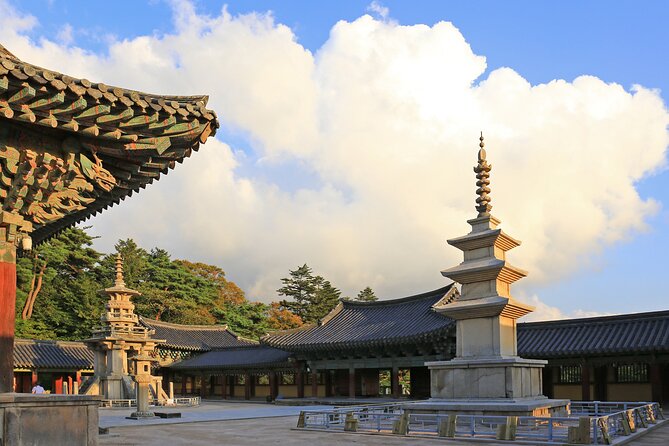
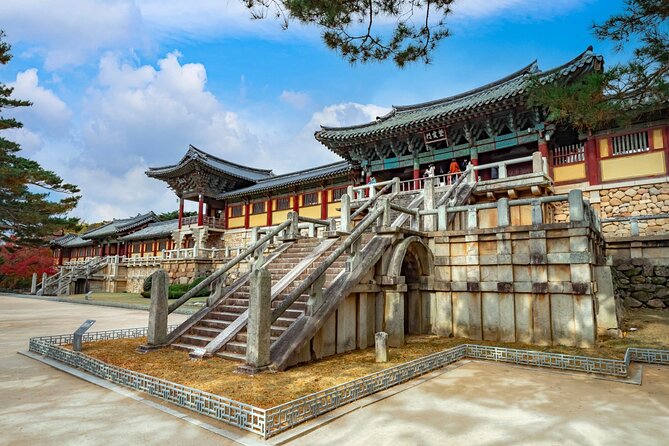
Bulguksa Temple is one of Korea’s best-known Buddhist sites and a UNESCO World Cultural Heritage location. Built originally in the eighth century, it shows the refined stonework and layout associated with the Silla period. The complex includes celebrated architectural features, though the visit here is scheduled for about 50 minutes.
That is enough for a focused introduction. You can see the principal structures, hear why the temple matters, and take in the overall design. It is not enough for an academic inspection of every platform, stairway, and carving.
The admission cost is covered as part of the tour arrangements. The itinerary lists this stop as 50 minutes, so stay aware of the return time. Bulguksa is a place where it would be easy to keep wandering, especially if you enjoy temples, but the rest of Gyeongju is still ahead.
I like the way this stop gives the tour a strong historical anchor. Haedong Yonggungsa offers the unusual seaside setting; Bulguksa gives you a better sense of Silla-era religious architecture.
Gyeongju Historic Areas and Daereungwon
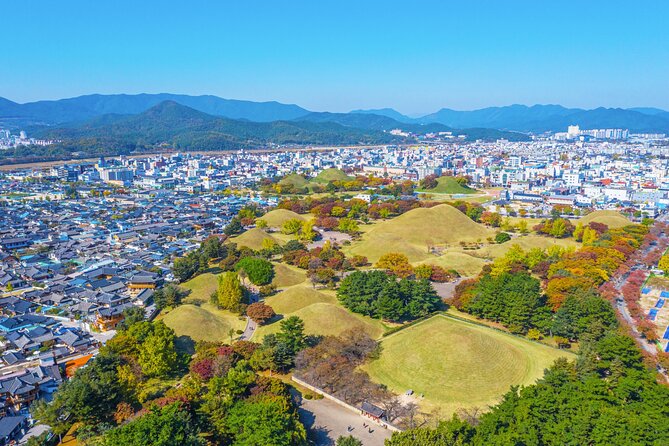
The Gyeongju Historic Areas received UNESCO recognition in 2000. They protect remains connected with temples, palaces, outdoor pagodas, statues, and other cultural sites from the Silla period.
The scheduled visit to the wider historic area is about 35 minutes. Think of it as orientation rather than a long archaeological walk. Your guide can point out the importance of the area, while you get a first look at the remains that make Gyeongju feel so different from Busan.
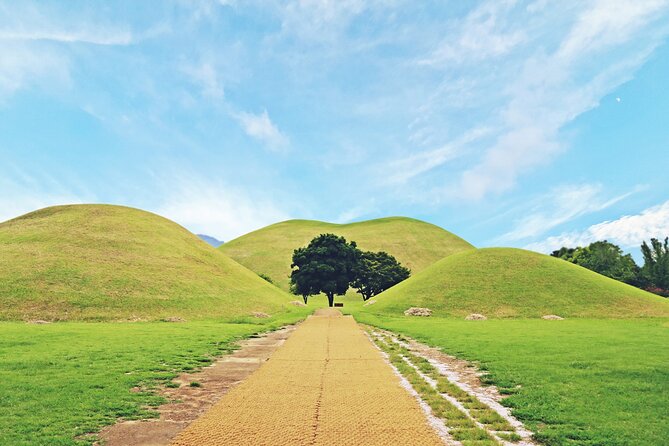
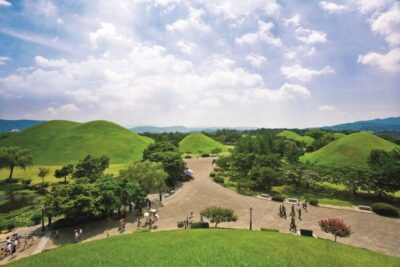
Daereungwon Tomb Complex follows, with another 35 minutes. The park contains 23 royal tombs from the Silla Dynasty. The rounded burial mounds are the visual feature here, but the site becomes more meaningful when you understand that these are royal graves rather than ordinary grassy hills.
Cheonmachong is the best-known tomb in the complex and has significant historical value. The time allowance lets you see the grounds and focus on the main points, though you will not have the leisure of a long museum visit.
This part of the day rewards context. Without explanation, the tombs can look simple. With a guide pointing out their age, purpose, and place in Silla culture, the broad mounds become a clear reminder of Gyeongju’s former power.
Hwangnidan-gil for food and modern Gyeongju
Next to Daereungwon, Hwangnidan-gil changes the rhythm again. This popular street mixes old-style hanok buildings with modern cafés, specialty coffee, shops, and street food.
You have about one hour here. It is the most flexible Gyeongju stop, and it is also where you can use some of your own spending money. The overall tour description includes dinner in Gyeongju, but meals are not included, so plan to pay for any food yourself.
Hwangnidan-gil is a good place to see how Gyeongju handles its past without turning the city into an open-air museum with nothing but old buildings. You can look for a snack, sit with a coffee, or browse the shops. The hour will pass quickly if you want both food and shopping, so pick one main aim.
I would use this stop to slow down for a moment before the final sight. The earlier attractions are guided and time-limited. Here, you can choose your own pace while still remaining close to the historic core.
Donggung and Wolji at the end of the day
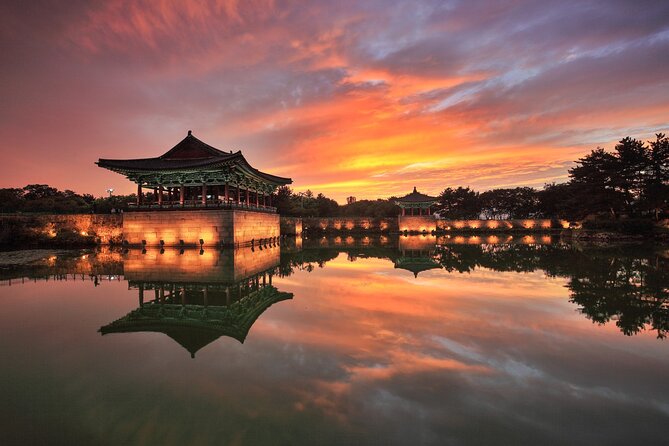
The final scheduled stop is Donggung Palace and Wolji Pond, with about 50 minutes on site. The artificial pond was first constructed in 674 and formed part of a palace complex in Silla-era Gyeongju.
The location works especially well late in the day. The pond and palace buildings take on a calmer appearance as daylight fades, making this a fitting finish after temples, tombs, and busy streets.
The site was studied after the Korean government temporarily drained the pond in 1972. That work revealed historical remains beneath the water and helped guide later restoration. You do not need to memorize every date to appreciate the place, but the story explains why the pond is more than a pretty evening view.
Admission is included. As with the other stops, 50 minutes gives you a clear visit but not unlimited time. Follow the guide’s instructions about the meeting point, then use the remaining minutes for the pond views and photographs.
This is one of the tour’s strongest choices in terms of order. The day begins with a moving coastal view and ends beside still water and palace remains. The contrast helps the whole trip feel like more than a string of unrelated stops.
Timing, group size, and practical value
The tour includes round-trip transportation, English and Chinese-speaking staff, admission fees, and the Sky Capsule ticket. Those inclusions remove much of the planning work, which is the main reason to consider the price.
A maximum of 43 people is not a small private group. You should expect a larger coach-style operation, with some waiting when people gather after free time. On the other hand, the cost is lower than arranging private transport and separate admissions for every stop.
The itinerary is subject to traffic and weather. The Sky Capsule boarding time can change on the day, and the driving time between Busan and Gyeongju can vary. I would avoid booking this on a day when you have an important evening reservation immediately afterward.
Most people can take part, and the tour is near public transportation. Confirmation arrives when you book, and the ticket is mobile, which keeps the first step simple. Free cancellation is available until 24 hours before the start time. Cancellations or changes inside that window are not accepted for a refund.
Who should book this long day?
I would recommend it to you if this is your first Busan visit, your time is limited, and you want to sample both coastal Busan and historic Gyeongju. It also suits anyone who prefers a guide and arranged transport over navigating several regional connections.
It is a good match for history fans who still want a modern food and café stop. The Sky Capsule and Hwangnidan-gil keep the day from becoming temple after temple.
I would think twice if you dislike fixed schedules, large groups, or long days on the road. Independent visitors with plenty of time may prefer to spend a full day in Gyeongju and visit fewer places at a slower pace.
Should you book the Sky Capsule and Gyeongju tour?
Book it if you want a wide-ranging first look at the area and value having transport, admissions, and the Sky Capsule handled for you. The strongest parts are the seaside opening, the unusual temple location, the Silla sites, and the dusk visit to Donggung and Wolji.
Skip it if your priority is quiet, detailed time at each historic site. At $88.57, the tour offers solid convenience, but you are paying with time and flexibility. A good guide can make that trade worthwhile, and Tomy’s extra photo stops and DK’s careful explanations suggest the human side of the experience is one of its real strengths.
FAQ
How long does the tour last?
The tour lasts approximately 11 to 12 hours, including transportation between stops.
Is the Sky Capsule ticket included?
Yes. The Blueline Park Sky Capsule ticket and other listed admission fees are included.
Can the Sky Capsule be shared?
Yes. Each Sky Capsule holds up to four people, and it may be shared with other members of the tour group.
Are meals included?
No. Lunch around Cheongsapo or Mipo is at your own expense, and meals and other personal expenses are not included.
What languages do the tour staff speak?
The tour includes English and Chinese-speaking staff.
What is the cancellation policy?
You can cancel up to 24 hours before the experience begins for a full refund. Changes or cancellations made less than 24 hours before the start time are not accepted for a refund.
Just added around Busan
- Real Busan Walking Experience★ 5.0 · 27 reviews
- 7 Highlights Gyeongju City One Day Small Group Tour from Busan★ 5.0 · 24 reviews
- Full Day Private car tour to UNESCO Gyeongju&Yangdong village★ 5.0 · 5 reviews
- Suncheon and Yeosu Daily Private Tour with Pickup Service★ 5.0 · 3 reviews
- Visit Busan night market and enjoy the night view of Busan harbor★ 5.0 · 6 reviews
- Busan Highlights Shore Tour – Cruise Return Assured★ 4.5 · 34 reviews
- Suncheon one day tour from Seoul, Busan or Suncheon★ 5.0 · 3 reviews
- Busan Seafood Tour : Oyster village Tour with Oyster cuisines★ 5.0 · 3 reviews
Historical Tours, compared.
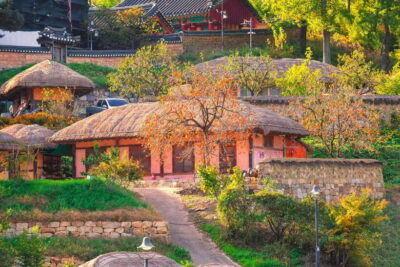
Gyeongju UNESCO World Heritage Guided Day Tour
Read our review →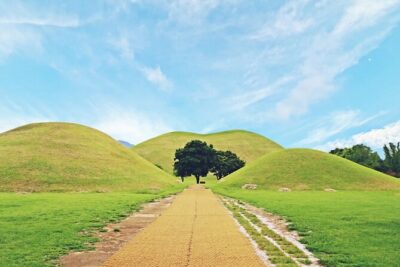
Gyeongju UNESCO World Heritage Guided Day Tour from Busan
Read our review →
Evening Dark History, Folklore & Ghost Story Walking Tour
Read our review →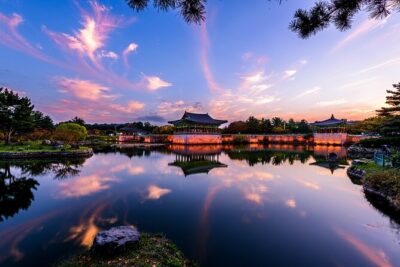
Old Korea Thousand History Tour of Gyeongju from Busan
Read our review →
Hanbok Photoshoot and History Tour at Gyeongbokgung Palace
Read our review →
UNESCO Heritage Tour Including Bulguksa Temple
Read our review →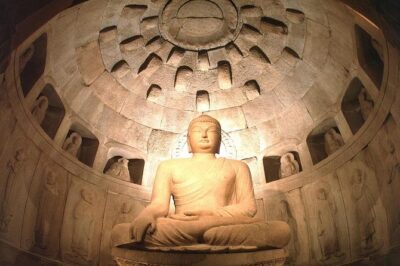
Gyeongju UNESCO World Heritage Sites and History Full-Day Tour with Lunch
Read our review →Browse the lists this tour appears in